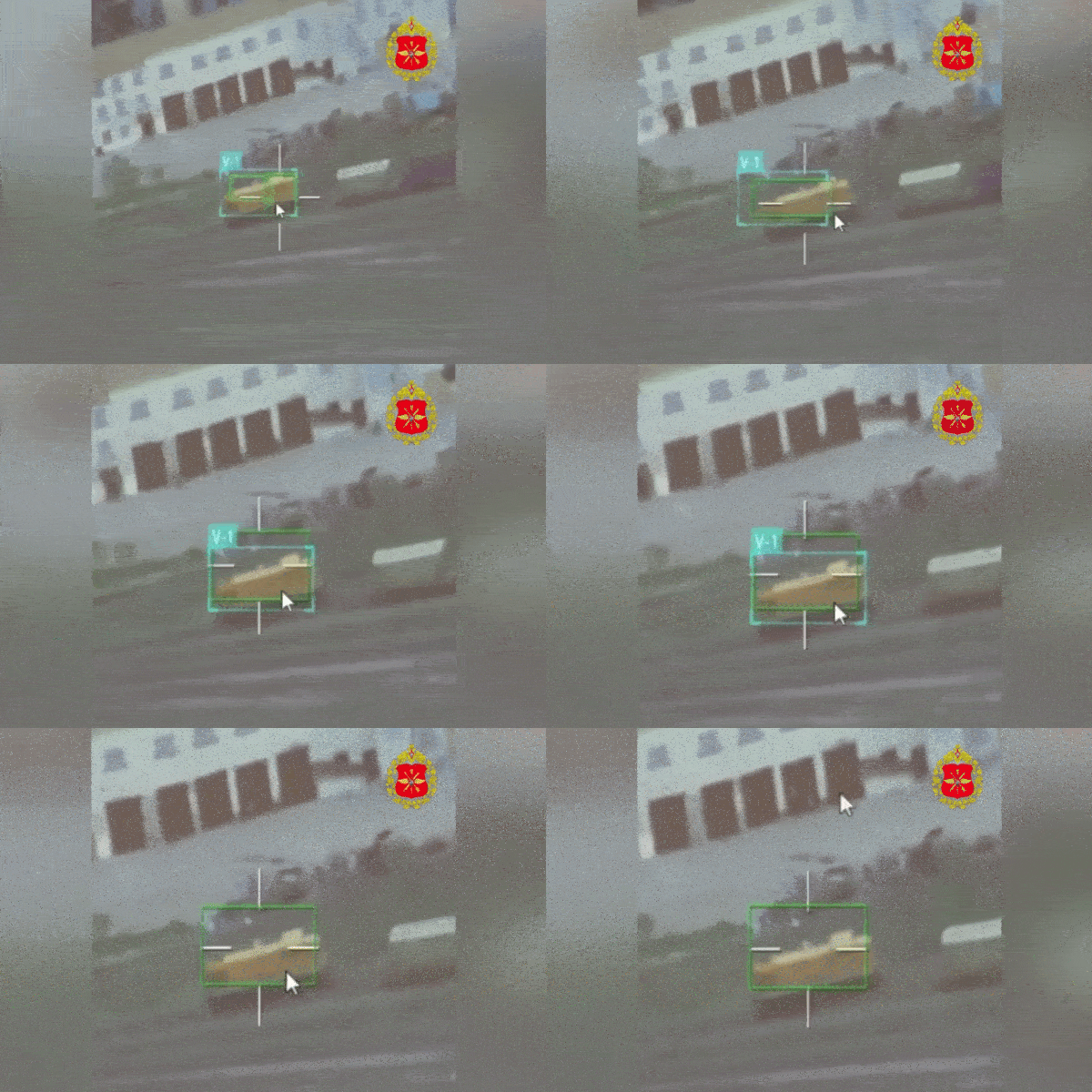
The ongoing armed conflict between Russia and Ukraine has entered a phase of intense logistical warfare, marked by precision long-range strikes targeting critical military supply lines. According to official statements from the Russian Ministry of Defense and reports from state media outlet Zvezda, military forces deployed loitering munitions to execute targeted strikes against four Ukrainian logistical railway and transport convoys. The operations were concentrated in key frontline and border oblasts, specifically targeting regions that serve as vital hubs for the movement of heavy equipment, ammunition, and provisions to Ukrainian frontline units.
The latest escalation underscores a broader tactical shift by Moscow, which increasingly relies on cost-effective, long-range unmanned aerial systems (UAVs) to systematically degrade Ukraine’s military infrastructure, supply networks, and rear-area operational capacity. As the conflict grinds through its multi-year trajectory, the disruption of supply chains has become as critical as direct engagement on the zero line, prompting both sides to heavily invest in counter-logistics and air defense measures.
Precision Strikes Target Strategic Logistics Hubs
In a formal briefing released on November 3, the Russian Ministry of Defense detailed the execution of the drone campaign, highlighting the role played by specialized operating units equipped with Geran-series loitering munitions. These unmanned systems successfully struck four distinct Ukrainian transport convoys located within the Sumy, Dnipropetrovsk, and Kharkiv regions.
According to military analysts, these specific oblasts act as vital transit corridors and staging grounds for Ukrainian forces operating in the northeastern and eastern theaters of operations. The Sumy and Kharkiv regions, sharing long borders with Russia, have long served as primary launchpads and supply arteries for defending forces, while Dnipropetrovsk functions as a massive logistics and medical hub connecting the western regions of Ukraine to the southern and eastern frontlines.
"Units operating Geran loitering munitions successfully and precisely struck four Ukrainian transport convoys located in Sumy, Dnipropetrovsk, and Kharkiv," the Russian defense department stated. "The resulting aerial strikes rendered these transport vehicles entirely inoperable, thereby severely disrupting the logistical operations of the adversary and impeding the steady flow of provisions and military hardware to frontline combat units."
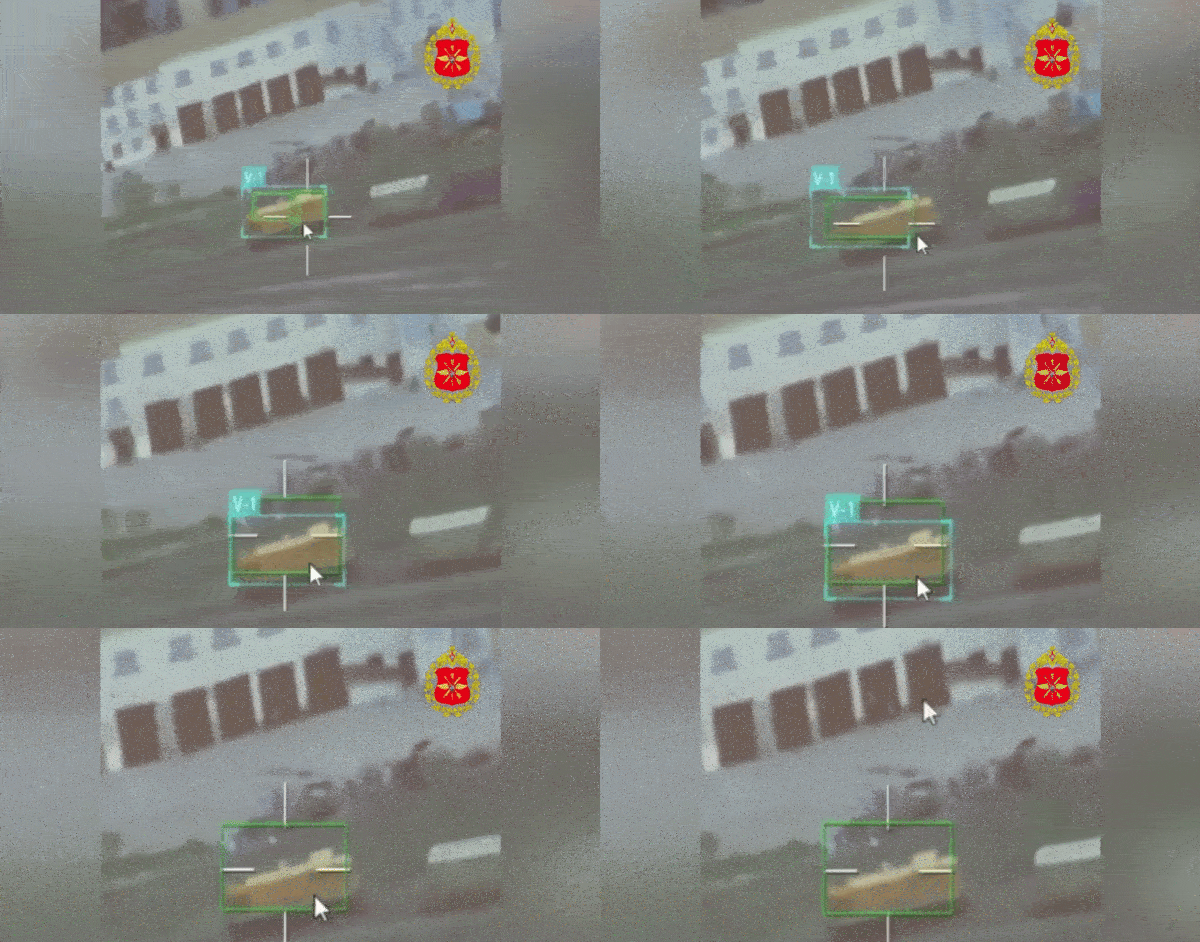
Footage broadcast by Zvezda and subsequently analyzed by defense observers demonstrated the terminal phase of the attacks, showing the delta-wing drones descending rapidly upon stationary and moving transport vehicles. While independent verification of the exact scale of the losses remains challenging given the intensity of the active combat zone, military experts note that strikes of this nature typically inflict catastrophic damage on soft-skinned transport vehicles, fuel tankers, and unarmored supply trucks, leading to secondary detonations if munitions are being hauled alongside general cargo.
The Broader Air and Naval Campaign: Targeting Coastal Infrastructure
The drone strikes against logistical convoys did not occur in an operational vacuum. Just one day prior to the announcement regarding the Sumy, Dnipropetrovsk, and Kharkiv operations, Russian forces launched a coordinated wave of high-precision strikes directed at Ukraine’s critical coastal infrastructure in the southern Odessa region.
According to reports from Russian media channels citing defense officials, a major storage facility housing launching components and maintenance equipment for Ukraine’s domestically produced Neptune anti-ship cruise missiles was targeted and successfully destroyed near the village of Tuzla in the Odessa oblast. The Neptune missile system holds immense symbolic and strategic value for Ukraine, having been utilized in high-profile naval engagements earlier in the conflict, including the sinking of the Russian Black Sea Fleet flagship Moskva in April 2022.
By targeting both land-based logistics in the east and north and anti-ship missile infrastructure in the south, Moscow appears to be executing a multifaceted campaign aimed at neutralizing asymmetric threats while simultaneously choking the supply lines that sustain Ukrainian combat readiness across all operational axes.
Anatomy of the Geran Unmanned Aerial System
At the center of Russia’s recent long-range interdiction campaigns is the Geran series of loitering munitions, a weapon system that has become ubiquitous in the skies over Ukraine. According to comprehensive data published by the Russian state-owned news agency TASS, the Geran drone is domestically produced by JSC Alabuga, based on the foundational design and architecture of the Iranian-origin Shahed-136 UAV.
The Geran is characterized by its distinctive delta-wing configuration, composite fuselage, and pusher-propeller propulsion system. Technical specifications indicate that the munition weighs approximately 240 kilograms (529 pounds) at launch, carrying a high-explosive fragmentation warhead estimated to weigh between 52 and 90 kilograms (115 to 198 pounds). The aircraft has a length of roughly 3.5 meters (11.5 feet) and a wingspan of 2.5 meters (8.2 feet).
Propulsion is typically provided by a lightweight MD-550 two-stroke internal combustion engine, which enables the UAV to achieve a maximum cruising speed of approximately 185 kilometers per hour (115 miles per hour). One of the most significant tactical advantages of the platform is its extended operational range, which defense analysts estimate can reach up to 2,500 kilometers (1,550 miles) under optimal flight conditions. This considerable range allows Russian forces to launch the munitions from deep within secure rear areas, targeting logistics hubs, energy grids, and command nodes far beyond the immediate contact line.
The evolution of the Geran program has also seen continuous domestic adaptation within Russia. Reports from defense industry watchers indicate that newer iterations incorporate upgraded guidance systems, enhanced resistance to electronic warfare (EW) countermeasures, and modified warheads designed to maximize structural damage against reinforced targets, bridges, and industrial facilities.
Chronology of Logistical Warfare in the Conflict
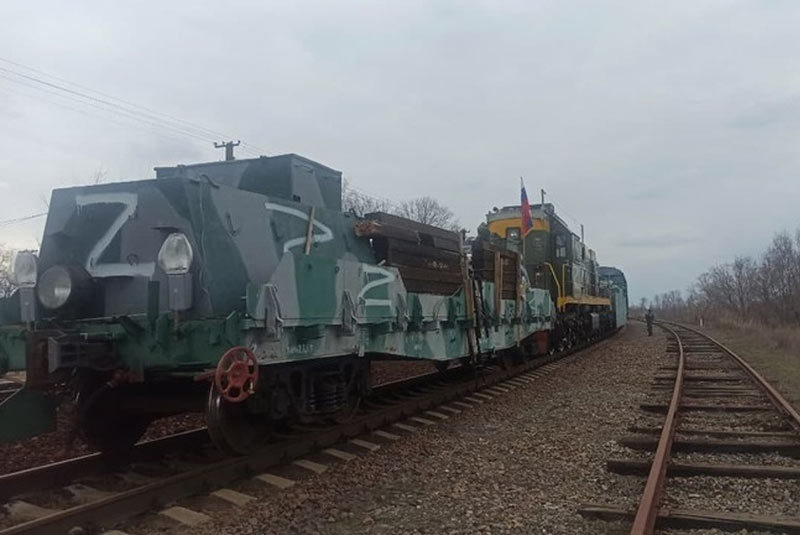
The systematic targeting of rail networks, transport convoys, and supply depots has been a defining characteristic of the Russia-Ukraine war since its inception in February 2022. Understanding the current drone campaign requires examining the historical escalation of logistics interdiction by Russian forces:
- Early Phase (March 2022): Following the initial invasion, Russian military planners deployed specialized rail-borne logistical units, such as armored trains, to secure and maintain supply lines in southern and eastern Ukraine, while simultaneously launching missile strikes against Ukrainian railway hubs to paralyze troop and equipment movements.
- Mid-Conflict Evolution (August 2023): The Russian Ministry of Defense publicly released combat footage demonstrating the tactical use of precision-guided munitions to annihilate Ukrainian ammunition trains in the Donetsk direction, signaling a growing emphasis on real-time reconnaissance and strike integration.
- Current Phase (Late 2024 – Present): The widespread integration of mass-produced loitering munitions like the Geran series has shifted logistics interdiction from sporadic missile strikes to a persistent, autonomous hunting campaign. Drones now routinely patrol transit corridors, waiting for movement in rear-line staging areas to disrupt supply chains before resources can reach the front.
Strategic Implications and Impact on Ukrainian Operations
The intensification of loitering munition attacks against logistical nodes presents profound operational challenges for the Armed Forces of Ukraine. Modern mechanized warfare is exceptionally resource-intensive, requiring a constant stream of fuel, artillery ammunition, spare parts, and rations to maintain combat effectiveness.
When transport convoys are successfully intercepted and destroyed, the immediate consequence is localized supply starvation. Frontline brigades facing ammunition shortages may find themselves restricted in their defensive or counter-offensive maneuvers, compelling military commanders to alter supply routes, decentralize storage depots, and increase reliance on night-time movements to evade aerial reconnaissance.
Furthermore, the extensive deployment of low-cost suicide drones places a heavy burden on Ukraine’s air defense architecture. Utilizing high-end surface-to-air missile systems to intercept relatively inexpensive loitering munitions creates a severe cost-imposition dynamic, rapidly depleting sophisticated interceptor stockpiles. In response, Kyiv has accelerated efforts to deploy mobile electronic warfare teams, acoustic detection networks, and gun-based anti-drone systems (such as customized truck-mounted machine guns) to create a multi-layered defense shield along key transit routes.
Official Responses and International Context
While Moscow continues to highlight the success of its precision strikes in degrading adversary logistics, Ukrainian authorities and international intelligence agencies maintain that civilian infrastructure and non-military supply chains are frequently impacted by indiscriminate drone usage. Kyiv has repeatedly called upon its Western allies to expedite the delivery of advanced electronic countermeasures, radar systems, and additional air defense platforms capable of neutralizing the persistent threat posed by long-range UAVs.
Western defense analysts note that the conflict has transformed into a laboratory for attritional warfare, where industrial capacity, supply chain resilience, and technological adaptation dictate the pace of operations. As Russia scales up domestic manufacturing of loitering munitions through facilities like JSC Alabuga, and as Ukraine continues to innovate in asymmetric defense and counter-UAS technologies, the skies over the frontline will remain a contested domain where the battle for logistics is fought just as fiercely as the battle for territory.