The Need for Smarter Real Estate Market Oversight and Regulatory Reform in Future Housing Developments

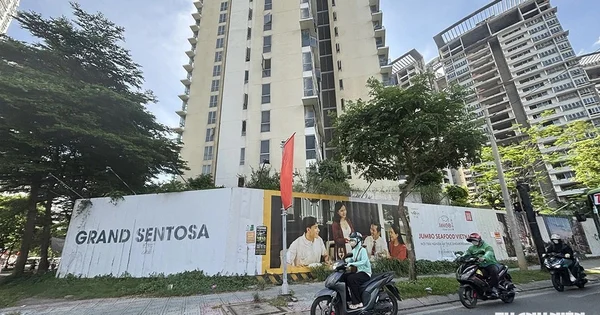
The debate surrounding the management and regulatory framework of Vietnam’s real estate market reached a critical juncture during the recent National Assembly discussions on October 30. Central to the discourse was a controversial proposal to restrict the transfer of purchase and sale contracts for future housing developments. While proponents argue that such a ban would curb speculative bubbles and stabilize prices, industry experts and lawmakers warn that an overly restrictive approach could stifle market liquidity, violate individual property rights, and force legitimate transactions into unregulated, "shadow" markets.
The Legislative Context and Proposed Restrictions
The proposal, which emerged during the deliberation of the revised Law on Real Estate Business, seeks to impose stricter controls on how properties currently under construction—or "future housing"—are traded. Under current regulations, there is a distinct legal discrepancy: while individuals can trade contracts for homes that have not yet been delivered, they are often prohibited from doing so once the project has been officially inspected and handed over, provided the property lacks a formal ownership certificate (the "pink book").
The Ministry of Construction has proposed expanding the scope of regulated assets to include construction projects in various stages of completion. This move is aimed at addressing the systemic issue of "speculative flipping," where investors purchase units early in the development cycle with minimal capital, only to sell them for a profit before the building is even completed.
Chronology of the Real Estate Regulatory Shift
The current legislative push is part of a broader, multi-year effort by the Vietnamese government to bring transparency to the property sector.
- Early 2023: The government initiated a comprehensive review of the Law on Real Estate Business to combat rising housing costs that have significantly outpaced average income growth.
- Late 2023: Initial drafts of the revised law began circulating, highlighting concerns over how project developers manage deposits and the rights of secondary buyers.
- October 30, 2024: During the National Assembly session, the proposal to restrict contract transfers became a focal point. Lawmakers debated whether a complete ban would act as a circuit breaker for speculation or create a bottleneck that punishes honest homeowners.
- November 2024 (Present): Stakeholders, including legal experts and real estate associations, are actively debating alternative solutions, such as digital tracking of transactions and capping developer deposit limits at 70% of contract value to ensure market health.
The Mechanics of Speculation vs. Legitimate Need
Data from recent market cycles indicates that the surge in housing prices is often driven by a small cohort of investors utilizing high-leverage tactics. For instance, an investor might secure a 5 billion VND apartment with only a 100 million VND deposit. By leveraging social networks and market hype, they can sell the contract once the price rises, often without ever intending to reside in the property.
However, lawmakers and analysts point out that this is only one side of the coin. Many middle-class families purchase future housing because it is the only way to afford a home, given that developers often allow payments to be spread over several years. A "forced" hold period—where a buyer cannot sell their contract due to financial hardship or job relocation—could cause significant distress. If a family experiences a financial crisis and is barred from transferring their contract, they face the prospect of contract cancellation, which usually results in severe financial penalties and the forfeiture of partial payments to the developer.
Official Responses and Expert Analysis
The consensus among many National Assembly delegates is that while curbing speculation is a priority, a blanket ban is not the solution.
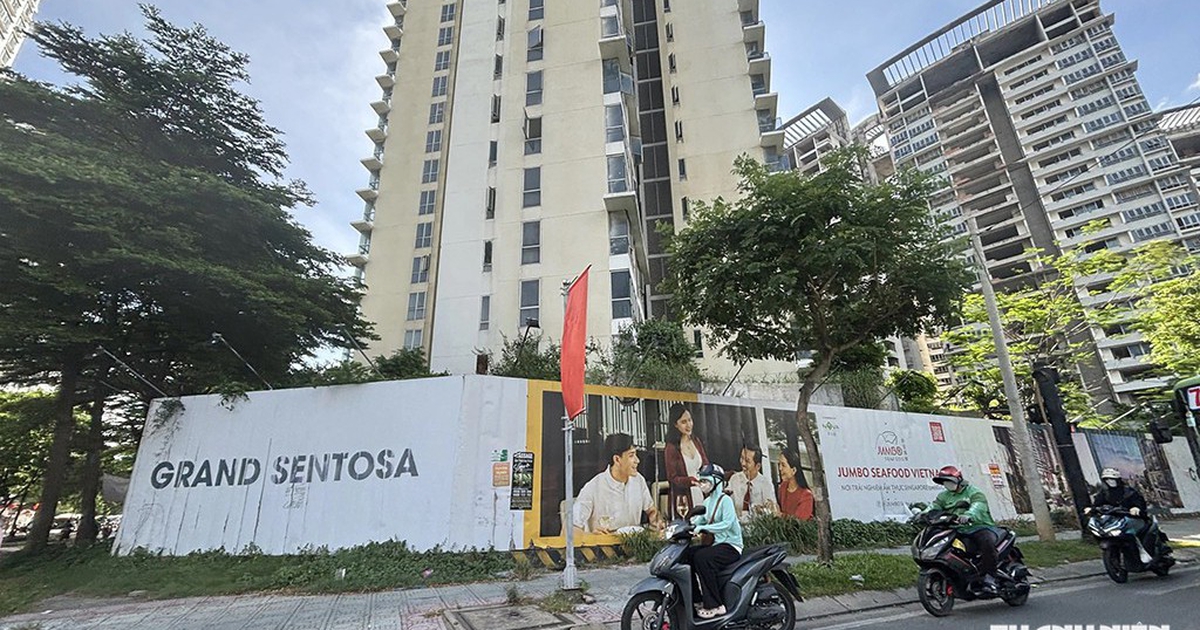
"The fundamental issue is not the act of transferring contracts, but the lack of transparency in the initial stages of project development," noted several delegates during the session. They advocate for a model where the government enforces strict compliance regarding land planning, construction permits, and legal disclosures before a project is ever opened for sale.
Experts suggest that if the regulatory framework focused on ensuring developers meet all legal requirements before selling, the market would naturally self-correct. By digitizing contracts and linking them to tax and identification databases, authorities could track the movement of funds and the history of transactions in real-time. This would allow for the identification of predatory speculation without restricting the rights of genuine, long-term homeowners.
Implications for Market Stability
A restrictive policy that ignores the nuances of the secondary market risks driving transactions into the shadows. When formal, legal channels for contract transfers are closed, buyers and sellers will likely resort to "handwritten" agreements, power-of-attorney arrangements, or private side-deals. These methods offer zero legal protection to the parties involved, increase the risk of fraud, and make it nearly impossible for tax authorities to collect revenue.
Furthermore, the "trapped buyer" scenario is a genuine economic risk. If a developer is delayed in delivering a "pink book" (the ownership certificate) due to bureaucratic hurdles or their own financial mismanagement, homeowners are effectively held hostage. If they are also prohibited from selling their interest in the property, their capital becomes entirely illiquid.
Moving Toward a Balanced Framework
To achieve a healthy, sustainable real estate market, the government must look beyond bans and toward better oversight. Suggested solutions include:
- Digital Integration: Utilizing blockchain or centralized government databases to register all real estate contract transfers, ensuring that every transaction is visible and traceable.
- Financial Caps: Limiting the amount of money developers can collect from buyers at various stages of construction to prevent developers from using customer deposits as primary project funding, which is a common source of project abandonment.
- Tiered Enforcement: Differentiating between speculative "flippers" and long-term residents. Policies could include higher taxes on short-term contract transfers rather than an outright ban, effectively making speculation less profitable while leaving the market accessible for those with genuine housing needs.
Conclusion
The debate in the National Assembly underscores a fundamental tension in Vietnam’s economic development: how to balance the need for market growth with the necessity of protecting the public from volatility. A total ban on the transfer of future housing contracts, while well-intentioned, could prove counterproductive by harming the very people it seeks to protect.
The path forward, according to industry observers, lies in transparency and accountability. By holding developers to higher standards of legal compliance and utilizing technology to monitor the flow of capital, the government can create a market that is not only stable but also equitable. The goal should be a system where the right to transfer property is preserved as a legitimate financial tool, while the predatory practices that distort the market are systematically dismantled through rigorous, data-driven supervision. As the legislative process continues, the focus must remain on creating an environment that protects the individual homeowner while ensuring the broader real estate market serves the needs of society at large.
Related posts: