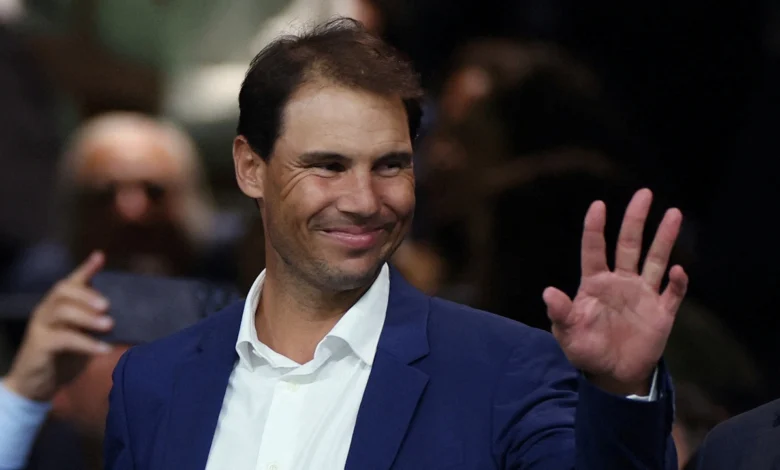
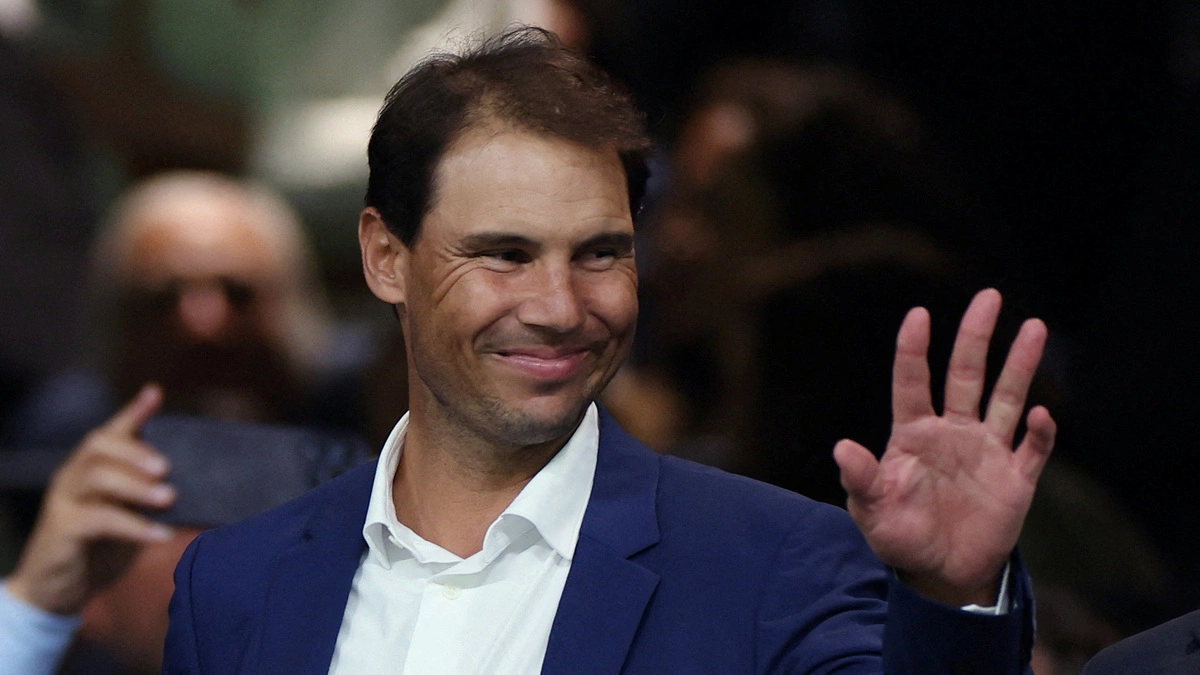
In a move that further cements the enduring bond between one of tennis’s greatest icons and one of the world’s most storied football institutions, Real Madrid President Florentino Perez has formally proposed the appointment of Rafael Nadal to the club’s Board of Directors. The announcement, released by the club on November 4, 2026, marks a significant milestone in the relationship between the legendary athlete and the Royal Madrid organization. The proposal is scheduled for ratification during the club’s General Assembly of Members on November 21, 2026, where the tennis legend is expected to officially join the club’s leadership machinery.
A Legacy of Mutual Respect
The relationship between Rafael Nadal and Real Madrid has long transcended that of a typical supporter and a club. Nadal, who retired from professional tennis at the end of 2024, has been a lifelong, vocal advocate for the club. He holds the status of an honorary member, bearing the membership number 67,778. His frequent presence at the Santiago Bernabéu stadium, often seen cheering on the team during critical La Liga fixtures and UEFA Champions League nights, has made him a familiar face to the Madridistas.
Real Madrid’s official communication described Nadal as a legendary figure in the history of global sports and an athlete whose values—tenacity, humility, resilience, and respect for opponents—perfectly align with the core identity of the club. By inviting him to the Board of Directors, the club intends to leverage his extensive experience in elite competition and his global stature to contribute to the strategic vision of the institution.
Chronology of the Partnership
The trajectory of this professional alignment can be traced back through several years of mutual admiration and public gestures:
- Early 2000s: Nadal begins his professional career, simultaneously expressing his deep-rooted passion for Real Madrid, frequently noting his uncle, Miguel Ángel Nadal (a former FC Barcelona player), was a point of family debate, but his own heart belonged to the capital city.
- September 2023: During a candid interview on the Spanish program Movistar Plus, Nadal publicly admitted that he would be interested in the position of Real Madrid President in the future, should the opportunity arise, though he emphasized that he would only pursue it if he felt he possessed the necessary qualifications and competence for such a monumental responsibility.
- Late 2024: Following a decorated career boasting 92 ATP singles titles, 22 Grand Slam championships, and two Olympic gold medals, Nadal officially retires from the professional tennis tour.
- November 4, 2026: The Board of Directors, led by Florentino Perez, officially announces the proposal to integrate Nadal into the club’s executive structure.
- November 21, 2026: The scheduled date for the General Assembly of Members, where the final vote to confirm his appointment will take place.
The Strategic Role of the Board
The Board of Directors at Real Madrid plays a critical role in the governance of the organization. Beyond the day-to-day operations managed by the executive team, the board is responsible for long-term strategy, financial oversight, and upholding the club’s institutional values.
The upcoming November 21 assembly will be divided into two sessions. The first, a standard annual meeting, will involve a comprehensive review of the President’s report, the approval of the 2025-2026 financial accounts, and the authorization of the 2026-2027 budget. The second, an extraordinary session, will focus exclusively on the appointment of Nadal. This appointment is being processed under Article 46 of the club’s bylaws, which provides the mechanism for appointing specific board members to enhance the club’s administrative capacity.
Implications for the Future: The Presidential Succession
The inclusion of Rafael Nadal in the upper echelons of the club’s management has inevitably fueled speculation regarding the eventual succession of the current leadership. Florentino Perez, now 79 years old, has overseen one of the most successful periods in the club’s modern history, marked by massive stadium renovations, consistent Champions League success, and a robust global brand expansion.
While observers have long linked Nadal to a potential future presidential role, analysts remain cautious. Nadal himself has stated that the presidency of Real Madrid is not a "dream" that he is chasing with obsessive urgency. He has expressed a desire to learn and contribute at a foundational level first. His appointment to the Board serves as an ideal training ground, allowing him to understand the complexities of running a global sporting entity from the inside.
Analytical Perspective: The "Nadal Effect"
From a branding and institutional perspective, the move is widely seen as a masterstroke by the Real Madrid hierarchy. Nadal brings not only global recognition but also an impeccable reputation for sportsmanship and hard work. In an era where football clubs are increasingly viewed as global corporations, the integration of an athlete who has successfully managed the pressures of elite individual performance can provide a unique perspective on human performance, team culture, and brand integrity.
Furthermore, Nadal’s involvement is expected to bolster the club’s "Foundation" initiatives. Real Madrid has consistently emphasized its commitment to social impact, and Nadal’s own charitable work through the Rafael Nadal Foundation makes him a natural fit for overseeing the club’s community outreach programs.
The Economic Context
The financial backdrop of this appointment involves a club that has successfully navigated the post-pandemic economic landscape. With the completion of the Santiago Bernabéu remodeling, the club is pivoting toward a new revenue-generation model. The board’s role in managing these assets, alongside traditional revenue streams like sponsorship and broadcasting, requires individuals who can bridge the gap between traditional sporting values and modern commercial demands.
Nadal’s presence on the board is unlikely to shift the club’s fiscal policy in the short term, but it signals a commitment to long-term continuity. By bringing in a figure who is universally respected, the club is effectively securing a bridge to its future, ensuring that the "Madridista" DNA remains at the heart of its decision-making process.
Conclusion
As the November 21 assembly approaches, the mood among the club’s membership appears overwhelmingly positive. The integration of Rafael Nadal into the Board of Directors is more than a symbolic gesture; it is a calculated effort to blend the legacy of a sporting titan with the future of an iconic club. Whether or not this eventually leads to a presidential candidacy remains to be seen, but for now, the partnership marks a new chapter for both the individual and the institution.
As the world of sports continues to evolve, the collaboration between such high-profile figures and established organizations will likely become a blueprint for how clubs maintain their relevance and institutional strength in an increasingly competitive global market. For the fans, seeing a legend like Nadal take a seat at the table is a testament to the idea that the spirit of Real Madrid is best preserved by those who have lived and breathed its values at the highest level of competition.