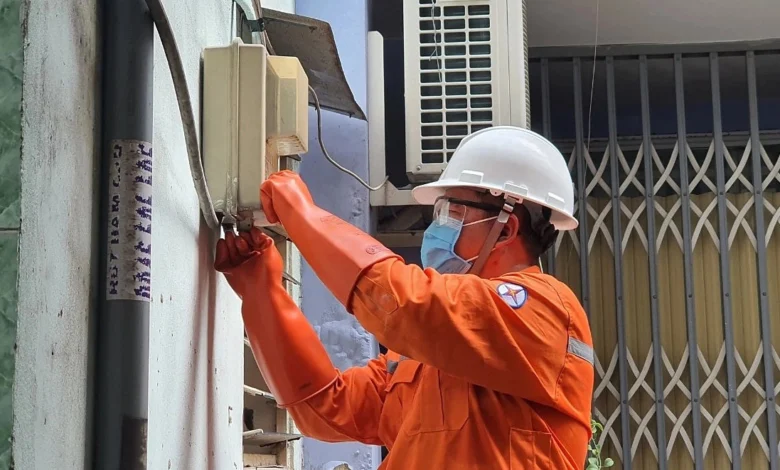
Effective November 1, 2026, the Vietnamese government has implemented a coordinated strategy to reduce the financial burden on production and household consumption by simultaneously lowering electricity tariffs and special consumption taxes on gasoline. The retail price of electricity has been adjusted downward by 2% to 2,159.9 VND per kWh (excluding VAT), while special consumption taxes on various fuel types have been slashed to 0%, down from previous rates of 7% to 10%. These relief measures, scheduled to remain in effect until March 31, 2027, represent a strategic fiscal intervention aimed at curbing inflationary pressures as the economy approaches the final quarter of the year.
The Macroeconomic Context: Balancing Growth and Inflation
This dual-track policy response follows data showing that the average Consumer Price Index (CPI) for the first nine months of the year rose by 4.52%, slightly exceeding the government’s annual target of 4.5%. Government analysts attribute this uptick largely to rising oil prices, fueled by geopolitical instability in the Middle East, which has disrupted supply chains and increased costs for petroleum-based products. Throughout the third quarter, global oil prices remained consistently above the 110 USD per barrel threshold, creating a ripple effect on domestic commodity prices and logistics costs.
Economist Ngo Tri Long explains that the government is currently navigating a delicate balancing act. "Policymakers must simultaneously stimulate high economic growth and maintain price stability," Long noted. "With the window for inflation control narrowing toward the end of the year, reducing electricity and fuel costs is a calculated move to lower production and living expenses, thereby creating the necessary conditions to meet our broader growth targets."
Chronology of Fiscal Interventions
The decision to adjust these costs is the culmination of months of monitoring global energy markets and domestic consumption patterns.
- Early 2026: Geopolitical tensions in the Middle East begin to exert upward pressure on global energy markets, impacting Vietnam’s import-dependent fuel sector.
- October 9, 2026: The Ministry of Finance convenes a meeting of the Price Steering Committee, identifying energy price volatility and supply chain fragmentation as the primary risks to end-of-year inflation targets.
- October 30, 2026: During a socio-economic discussion, Deputy Prime Minister Nguyen Van Thang confirms that the government has allocated approximately 64 trillion VND to support various tax and fee reduction policies. He further notes that an additional 4 trillion VND is earmarked specifically for extending special consumption tax reductions on gasoline for the final two months of the year.
- November 1, 2026: The new, lower electricity tariff and tax exemptions officially take effect.
Impact on the Consumer Price Index (CPI)
Electricity and fuel are foundational inputs for both industrial production and household welfare. According to Nguyen Thu Oanh, Director of the Department of Service and Price Statistics at the General Statistics Office (GSO), electricity for residential use accounts for 4.81% of the total basket of goods and services used to calculate the CPI.
"In the first nine months of the year, residential electricity prices contributed approximately 0.21 percentage points to the 4.52% increase in the CPI," Oanh stated. "By adjusting these rates, the government is directly alleviating pressure on the CPI, supporting the stability of living standards, and enhancing the purchasing power of the average citizen."
Expert analysis suggests the impact is quantifiable. Nguyen Tien Tha, Chairman of the Vietnam Price Association, estimates that the 2% reduction in average retail electricity prices will have a direct impact of lowering the CPI by 0.066 percentage points. In secondary effects—where reduced energy costs filter through the supply chain to other goods—the impact could exceed 0.13%.
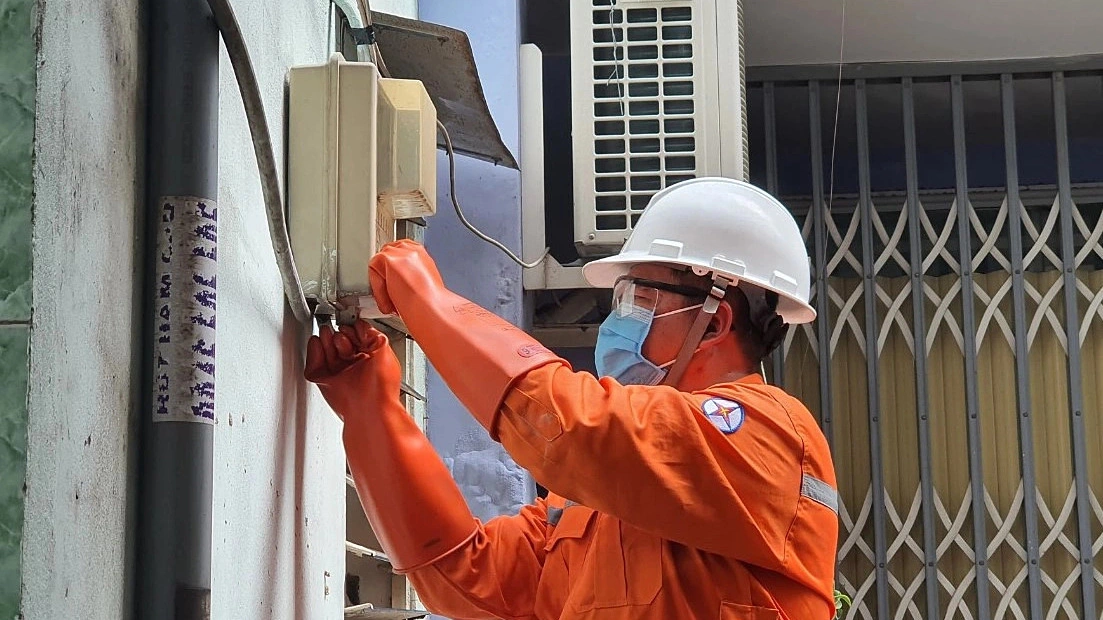
Industrial Implications: Reducing the Cost of Doing Business
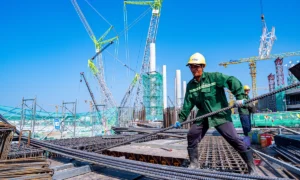
For the manufacturing sector, which has faced significant headwinds this year, the reduction in energy costs is a welcome relief. Industries characterized by high energy consumption—such as cement production, steel manufacturing, textiles, and building materials—are expected to see significant benefits.
Thoa projects that the lower cost of electricity could lead to a reduction in production costs by approximately 0.12% to 0.3% for energy-intensive sectors. By lowering these overheads, businesses are better positioned to maintain their current pricing or even offer competitive discounts to consumers, effectively helping to contain price hikes at the retail level.
However, analysts caution that while these measures are broad, the actual savings for individual households will vary based on their consumption tiers and specific usage patterns. The tiered electricity pricing structure means that while the base tariff has dropped, the final bill remains a function of total monthly consumption volume.
Fuel Taxes and Global Market Volatility
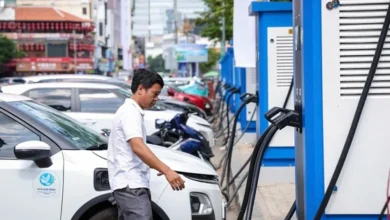
The government’s approach to fuel has been equally aggressive. To mitigate the impact of global price spikes, the government has moved the special consumption tax for gasoline to 0%, eliminated requirements for additional tax declarations, and exempted VAT for certain categories through the end of the year.
Despite these cuts, the price of E10 RON 95-III gasoline remains approximately 24,150 VND per liter, which is still roughly 22% higher than the prices observed at the end of February—the period immediately preceding the start of the current Middle East conflict. The government’s fiscal support, totaling 64 trillion VND throughout the year, serves as a buffer against the volatility of the global energy market, which continues to pose risks regarding exchange rates and import stability.
Strategic Recommendations for the Final Quarter
Looking ahead, the government remains cautious. The Ministry of Finance has updated its inflation forecasts for 2026, placing the annual average between 4.5% and 4.8%. The State Bank of Vietnam has similarly projected inflation to hover between 4.5% and 5%.
To ensure these targets remain achievable, the Vietnam Price Association has issued a series of recommendations to government agencies:
- Synchronized Adjustments: Agencies should coordinate the timing of price adjustments for state-managed services, such as healthcare and education, to prevent a "price stacking" effect toward the end of the year.
- Corporate Efficiency: Businesses are urged to take the initiative in streamlining their operations and optimizing internal costs. By improving efficiency, companies can increase their competitive edge and contribute to overall market price stability.
- Proactive Monitoring: Continued vigilance regarding global energy trends is essential, as the economy remains susceptible to external shocks that could override domestic policy gains.
As Vietnam enters the final stretch of 2026, the success of this dual-intervention strategy will depend on the responsiveness of the private sector and the ability of the government to maintain price discipline in other essential service areas. While the immediate reduction in electricity and fuel costs provides a necessary cushion for both businesses and families, long-term economic stability will require sustained investment in energy efficiency and a diversification of energy sources to reduce reliance on volatile global commodity markets.