Toyota Yaris Cross Hybrid 2026 launched in Vietnam with subtle design enhancements and a slight price increase

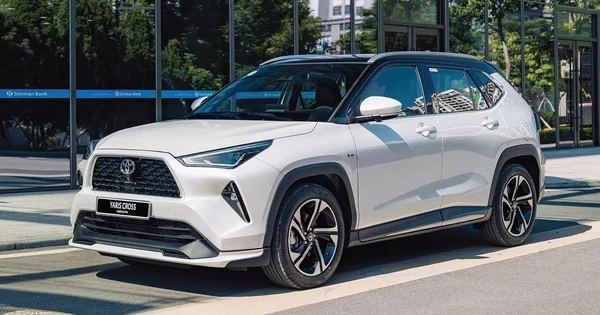
Toyota Vietnam has officially introduced the 2026 iteration of the Yaris Cross Hybrid, marking a tactical refresh for one of the brand’s most successful urban SUV offerings. While the mechanical architecture and core powertrain remain consistent with the outgoing model, the latest update focuses on refining the vehicle’s aesthetic appeal through targeted exterior modifications. Alongside these cosmetic updates, the manufacturer has implemented a modest price adjustment of 5 million VND, reflecting updated manufacturing costs and market positioning strategies.
A Strategic Refresh for a Competitive Segment
The 2026 Toyota Yaris Cross Hybrid enters a landscape defined by fierce competition in the B-segment SUV category. Since its initial debut in the Vietnamese market in September 2023, the Yaris Cross has rapidly climbed the sales charts. By choosing to focus on "sportier" exterior refinements rather than a full-scale overhaul of the chassis or powertrain, Toyota is signaling confidence in the vehicle’s established reliability and efficiency.
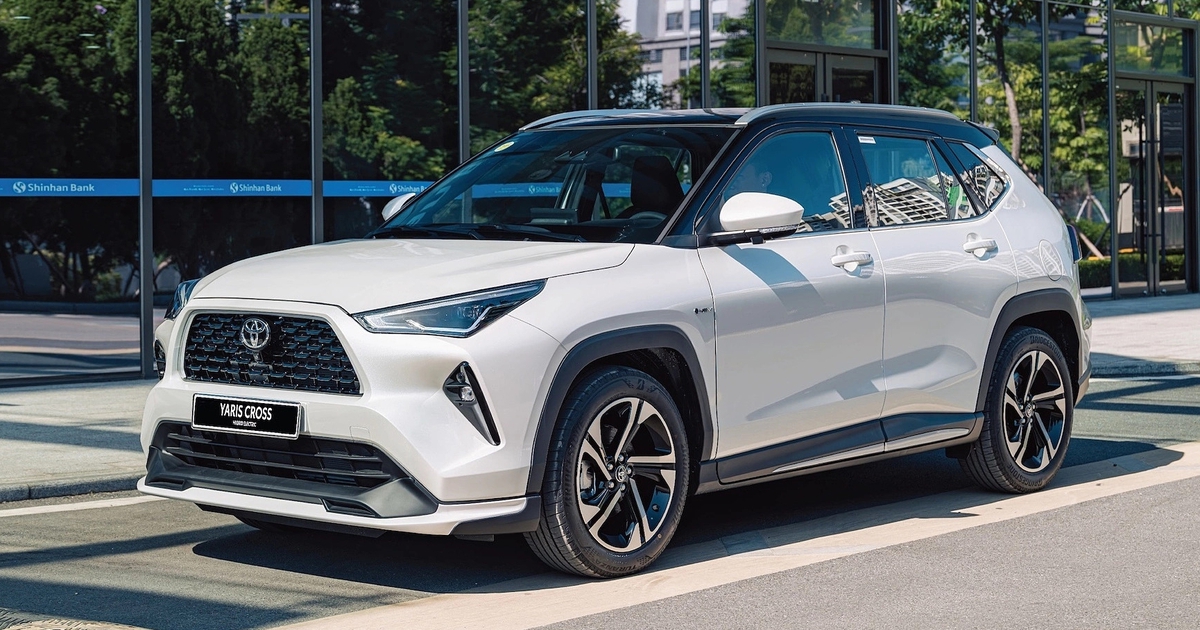
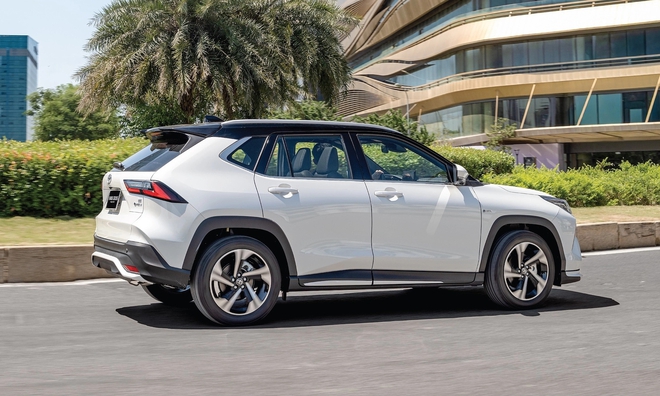
The visual upgrades are centered on the front and rear fascias. The vehicle now features a redesigned front bumper, a modernized rear bumper configuration, and a more pronounced spoiler, all aimed at granting the vehicle a more athletic stance. These subtle changes serve to distinguish the 2026 model year from its predecessor while maintaining the recognizable design language that has resonated with local consumers.
Updated Pricing and Market Positioning
The updated pricing structure for the 2026 Yaris Cross Hybrid is as follows: the base model now starts at 733 million VND, up from the previous 728 million VND. Variants featuring the premium pearl white finish or the two-tone pearl white with a black roof are priced at 741 million VND and 745 million VND, respectively.
This places the hybrid variant approximately 83 million VND higher than the standard gasoline-only model, which remains unchanged and continues to start at 650 million VND. For potential buyers, this price gap represents a premium that is primarily justified by the hybrid powertrain’s superior fuel economy and an expanded suite of comfort features. The Yaris Cross remains a core pillar of Toyota’s strategy to capture the burgeoning segment of urban professionals who prioritize fuel efficiency and brand prestige.
Powertrain and Performance Stability
In an era where many manufacturers are shifting toward plug-in hybrids or pure battery-electric vehicles (BEVs), Toyota continues to advocate for its self-charging hybrid technology. The 2026 Yaris Cross Hybrid retains the proven 1.5-liter gasoline engine, which produces 90 horsepower and 121 Nm of torque. This is paired with an electric motor that provides an additional 79 horsepower and 141 Nm of torque.
The system is managed by a Continuously Variable Transmission (CVT) that directs power to the front wheels. According to official factory specifications, the vehicle achieves an impressive fuel consumption rating of approximately 3.8 liters per 100 kilometers under mixed driving conditions. Because the system is self-charging, it requires no external plug-in infrastructure—a distinct advantage in Vietnam’s current urban environment where public charging networks are still in the early stages of development.
Interior Amenities and Safety Suite
Inside the cabin, the 2026 Yaris Cross Hybrid maintains the high standard of equipment expected by its target demographic. The interior is anchored by a 10-inch touchscreen infotainment system with smartphone integration, a 7-inch digital multi-information display, and leather-upholstered seats, with the driver benefiting from an 8-way power-adjustable seat.
Additional conveniences include wireless charging, automatic climate control, an electronic parking brake, and a power-operated liftgate with a hands-free kick sensor. The panoramic sunroof, equipped with an electric sunshade, remains a highlight for the cabin’s sense of space.
Safety remains a priority, with the carry-over of the comprehensive Toyota Safety Sense (TSS) package. This includes active safety features such as Pre-Collision Warning, Lane Departure Alert, Lane Keeping Assist, Adaptive Cruise Control, and Automatic High Beams. Furthermore, the vehicle is equipped with a 360-degree camera system, blind-spot monitoring, rear cross-traffic alert, and six airbags, ensuring it remains highly competitive in terms of occupant protection.
Market Context: The Urban SUV Battlefield
The decision to refresh the Yaris Cross comes at a time when the B-SUV segment in Vietnam is becoming increasingly crowded. The Yaris Cross faces intense pressure from both traditional combustion-engine rivals like the Mitsubishi Xforce, Hyundai Creta, and Kia Seltos, as well as electrified competitors such as the Honda HR-V e:HEV and the MG ZS Hybrid+. Additionally, the rapid adoption of entry-level electric vehicles from brands like VinFast—specifically the VF 5 and VF 6—has fundamentally altered the competitive landscape.
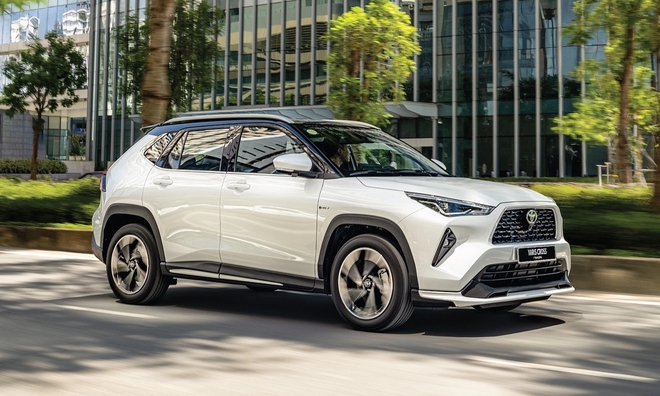
Data from the Vietnam Automobile Manufacturers’ Association (VAMA) and other industry reports indicate that in the first nine months of 2026, the Toyota Yaris Cross achieved a total sales volume of 12,646 units. This places it third in the segment, trailing only the VinFast VF 6 and VF 5. Notably, the Yaris Cross holds the title of the best-selling SUV in its class when considering both hybrid and gasoline versions, comfortably outselling the Mitsubishi Xforce and Kia Seltos.
Analyzing the Hybrid Adoption Rate
Despite its market success, the sales data reveals a clear preference among Vietnamese consumers for the internal combustion engine (ICE) variant over the hybrid. Out of the 12,646 Yaris Cross units sold in the first three quarters of 2026, the hybrid model accounted for only 1,977 units, or approximately 15.6% of the total. In September 2026 alone, 413 hybrid units were sold compared to a total of 1,799 for the entire Yaris Cross line.
This disparity suggests that while the hybrid technology is highly regarded for its efficiency, price remains the primary determinant for the average buyer. The 83-million VND difference between the ICE and hybrid models acts as a significant barrier for many price-sensitive customers, even those who might otherwise be tempted by the long-term fuel savings.
Industry Implications and Future Outlook
The minor price hike for the 2026 model, while minimal, reflects the inflationary pressures on raw materials and global logistics that continue to affect the automotive sector. However, by keeping the price increase moderate, Toyota is clearly attempting to maintain the Yaris Cross’s status as an accessible premium choice.
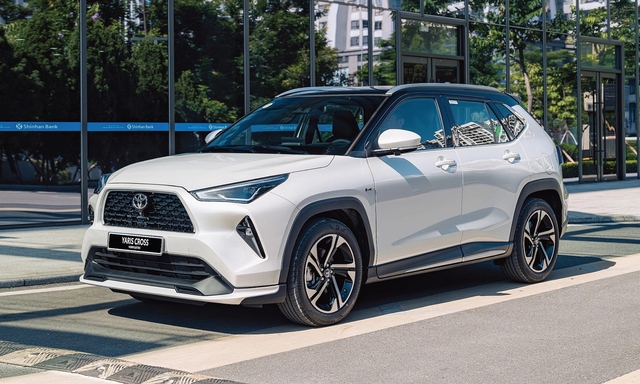
Industry analysts suggest that Toyota’s commitment to the hybrid model, despite the lower sales volume relative to the gasoline version, is a long-term play. By maintaining a presence in the hybrid space, the company is positioning itself to capitalize on future shifts in consumer behavior as fuel prices fluctuate and as the public becomes more accustomed to the benefits of electrification without the "range anxiety" associated with pure EVs.
Furthermore, the longevity of the Yaris Cross in the Vietnamese market is bolstered by Toyota’s extensive service network and reputation for resale value, which remain significant selling points compared to newer or less established brands entering the market.
Conclusion
The 2026 Toyota Yaris Cross Hybrid is not a revolutionary departure from the model that has already gained significant traction in Vietnam. Instead, it is a calculated optimization of a proven product. By refreshing the exterior to maintain its visual relevance and keeping the core mechanical and safety specifications intact, Toyota is ensuring that the Yaris Cross remains a top-of-mind choice for consumers navigating the complexities of the modern urban SUV market.
As the competition continues to intensify, particularly from affordable electric alternatives, the Yaris Cross will likely continue to lean on its dual-advantage of brand reliability and the seamless efficiency of its hybrid powertrain. Whether the 2026 upgrades will be enough to boost the hybrid’s market share against its gasoline sibling remains to be seen, but the model remains a definitive leader in the competitive landscape of the Vietnamese automotive industry.
Related posts: