Urban SUV market in Vietnam rebounds strongly as gasoline-powered vehicles regain momentum over electric alternatives in September 2026

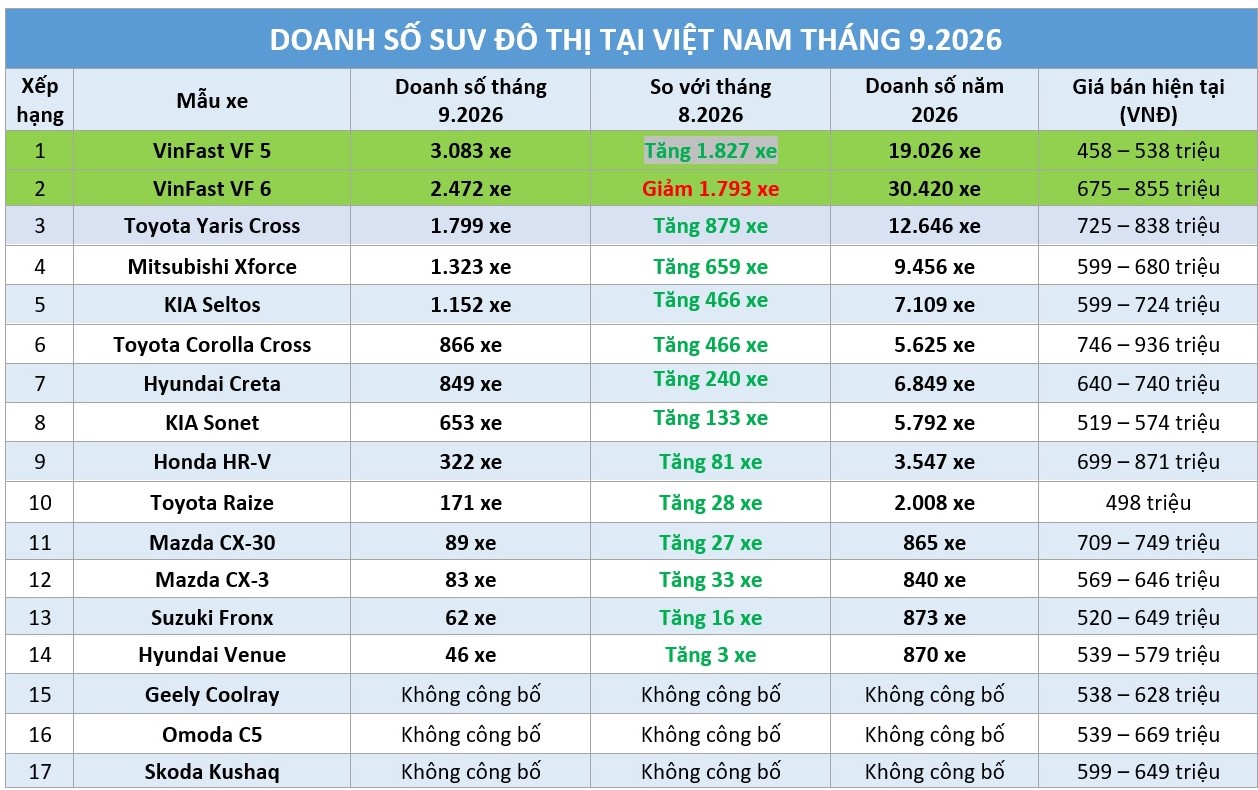
The automotive landscape in Vietnam witnessed a significant pivot in September 2026, as the urban SUV segment—a bellwether for the broader consumer market—rebounded with vigor following a lackluster performance in August. Industry data compiled from the Vietnam Automobile Manufacturers Association (VAMA), Hyundai Thanh Cong Vietnam (HTV), and VinFast reveals a total sales volume of 12,970 units for the 14 tracked SUV models, marking a robust 31% increase month-over-month. This surge brings the cumulative sales for the first nine months of 2026 to 105,926 vehicles, signaling a resilient recovery as the industry heads into the final quarter of the year.
A Shift in Consumer Preference: Combustion Engines Reassert Dominance
The most notable development in September was the shifting dynamic between internal combustion engine (ICE) and hybrid vehicles against their electric counterparts. For several months, electric vehicles (EVs)—specifically the VinFast portfolio—had dictated the pace of the segment. However, September saw a dramatic reversal. The 12 models utilizing gasoline or hybrid powertrains collectively reached 7,415 sales, a staggering 69% increase compared to August.
In contrast, the electric contingent, primarily represented by the VinFast VF 5/Herio Green and VF 6 models, experienced a more modest performance, totaling 5,555 units. This shift effectively rebalanced the market share: while EVs accounted for nearly 56% of the segment in August, that figure plummeted to approximately 43% in September. Conversely, ICE and hybrid models climbed to capture over 57% of the market, outselling their electric rivals by 1,860 units.
Market Chronology: The Road to the September Rebound
The third quarter of 2026 was characterized by volatility. August served as a period of cooling, largely attributed to seasonal factors and a temporary pause in consumer spending. However, September acted as a catalyst for growth, with 13 out of the 14 tracked models reporting positive sales momentum.
Market analysts suggest that this rebound was driven by a combination of aggressive year-end incentive programs, the introduction of new hybrid variants, and a stabilization in supply chain logistics that had previously hindered Japanese and Korean manufacturers. As the market entered the final month of the third quarter, the urgency to meet sales targets led to significant price adjustments and value-added service bundles, which resonated strongly with Vietnamese buyers.
Segment Leaders and Competitive Landscapes
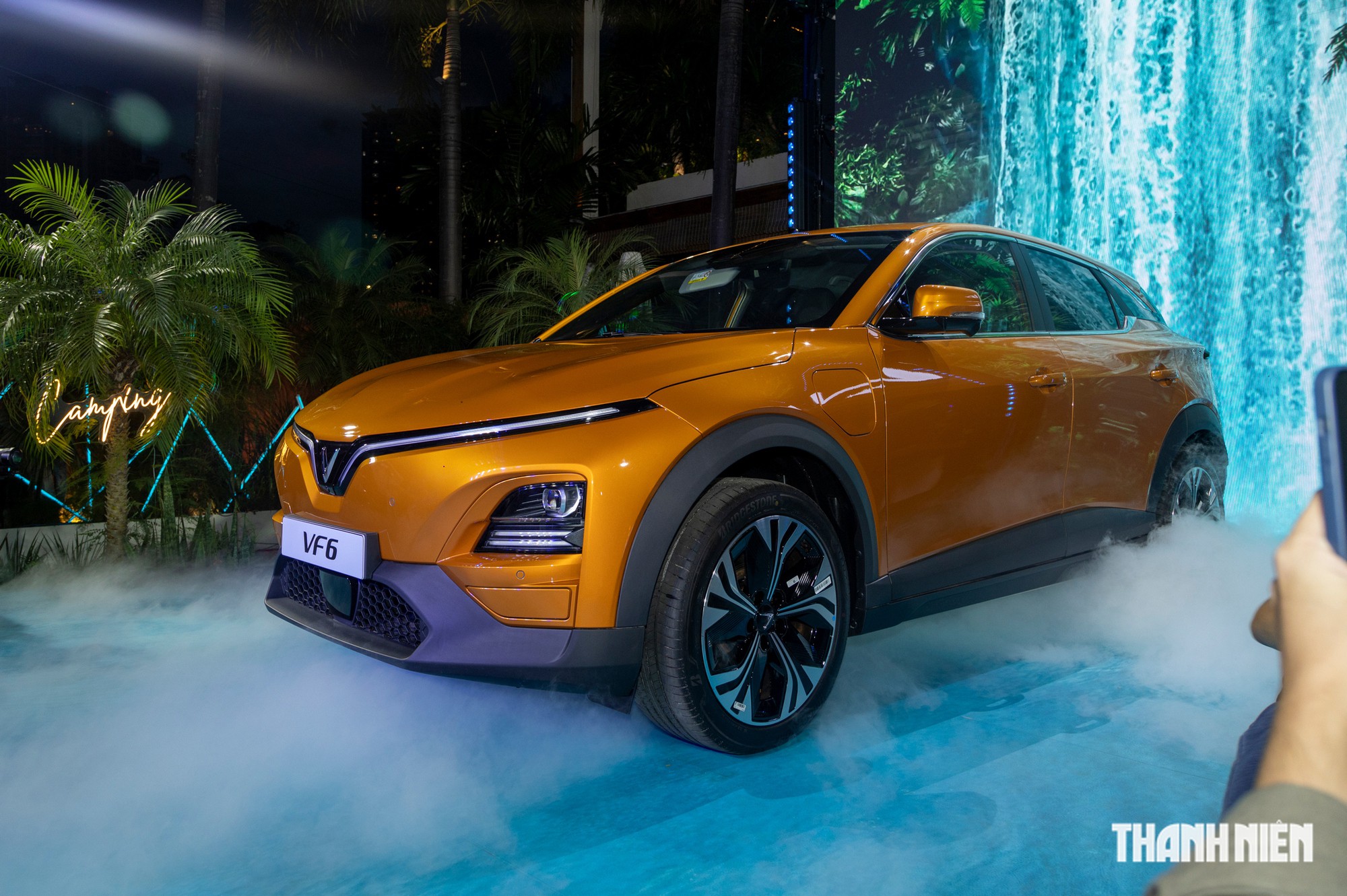
Despite the overall shift toward gasoline vehicles, the individual brand battle remains intense. Within the electric segment, the VinFast VF 6 emerged as the standout performer in September, reaching 3,083 sales—a dramatic 146% increase over August. This performance secured the VF 6 the top spot in the overall segment rankings. Conversely, the VinFast VF 5/Herio Green, which had previously held the market lead, saw its sales decline from 4,265 units in August to 2,472 in September, a 42% decrease.
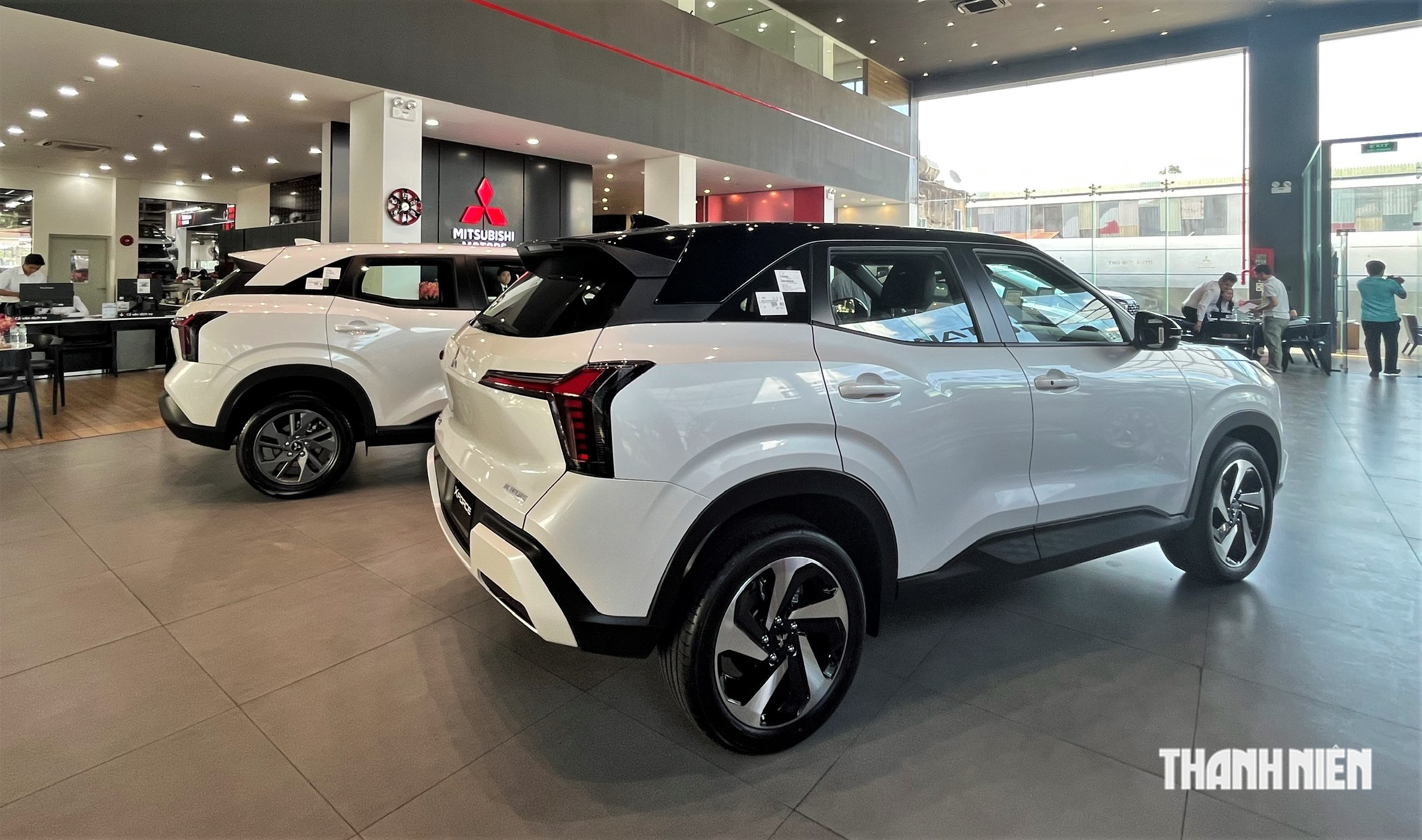
In the internal combustion engine camp, the competition remains focused on the rivalry between Japanese manufacturers, specifically the Toyota Yaris Cross and the Mitsubishi Xforce. Toyota’s Yaris Cross continued its strong trajectory, logging 1,799 sales in September—a 96% increase from the previous month. This performance solidified its position as the leading ICE-powered urban SUV and the third-best-selling model in the entire segment, trailing only the two primary VinFast electric offerings.
Mitsubishi Xforce also experienced a sharp recovery, reaching 1,323 sales, a 99% increase over August. Despite this gain, the gap between the Xforce and the Yaris Cross widened, growing from 256 units in August to 476 in September. On a year-to-date basis, the Toyota Yaris Cross has sold 12,646 units, compared to 9,456 for the Mitsubishi Xforce, establishing a lead of 3,190 vehicles as the year enters its final stretch.
Broader Industry Implications and Outlook
The resurgence of gasoline and hybrid models in the urban SUV segment provides several critical insights into the maturity of the Vietnamese automotive market. First, the data underscores a price-sensitive consumer base that remains highly responsive to promotions and tactical discounting. As manufacturers maneuver to clear inventory before the end of the year, the "price-to-feature" ratio has become the primary lever for capturing market share.
Second, the cooling of electric vehicle demand in September may be a temporary correction rather than a long-term trend. The fluctuation in VinFast’s monthly performance often correlates with specific delivery timelines and promotional cycles rather than a fundamental shift away from electrification. However, the success of hybrid models from manufacturers like Toyota suggests that consumers are increasingly seeking a middle ground—fuel efficiency without the perceived "range anxiety" or infrastructure concerns associated with pure battery electric vehicles (BEVs).
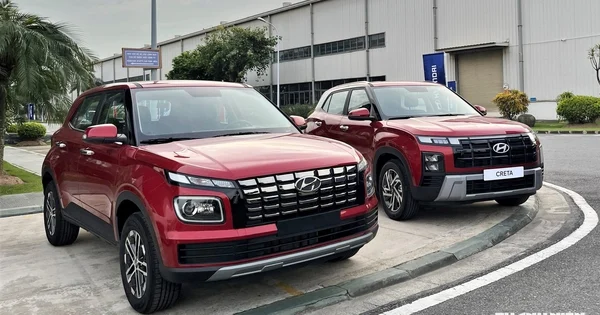
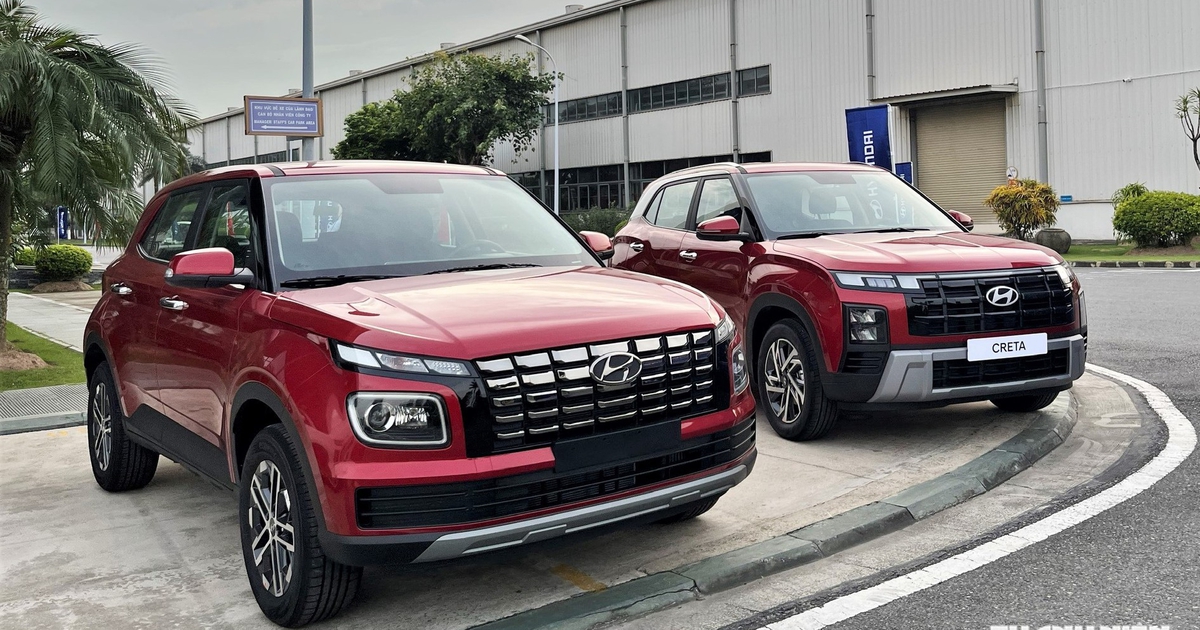
Industry experts observe that the intensity of the competition is forcing OEMs to innovate. Brands like KIA, which saw the Seltos reach 1,152 units in September (a 68% increase), are positioning themselves as mid-tier alternatives that offer a balance of aesthetic appeal and reliable performance. Similarly, the continued, albeit slower, growth of models like the Hyundai Creta (849 units) and Toyota Corolla Cross (866 units) highlights the depth of the segment and the loyalty of the Vietnamese customer base to established internal combustion platforms.
Looking Ahead: The Final Quarter
As the market transitions into the fourth quarter of 2026, the focus will undoubtedly shift toward year-end clearance and holiday-season sales. With 105,926 units sold in the first nine months, the urban SUV segment is on track to set a record for annual volume.
The competitive gap between the leading models suggests that the remainder of the year will be defined by three key factors:
- Incentive Wars: Expect deeper discounts as brands strive to meet annual KPIs and gain market share before the transition to 2027.
- Infrastructure vs. Utility: The ongoing debate between electric and hybrid will continue to influence buyer behavior. If charging infrastructure expansion slows, hybrid models are poised to maintain their recent gains.
- Inventory Management: Manufacturers that can maintain steady supply lines will be better positioned to capitalize on the year-end surge, as seen in the recent success of the Toyota Yaris Cross.
In conclusion, September 2026 was a transformative month for the Vietnamese urban SUV market. While electric vehicles remain a significant force, the resurgence of gasoline and hybrid powerplants has restored a competitive balance, providing consumers with a diverse range of choices. The industry’s ability to pivot and adapt to these changing preferences will remain the decisive factor in determining the winners and losers in the final months of the year. The recovery is not merely a statistical bounce; it is a clear indicator that the Vietnamese automotive market is dynamic, highly competitive, and far from reaching its saturation point.