Vietnam Completes and Ships First Batch of Offshore Wind Substations to Europe for Baltica 2 Project

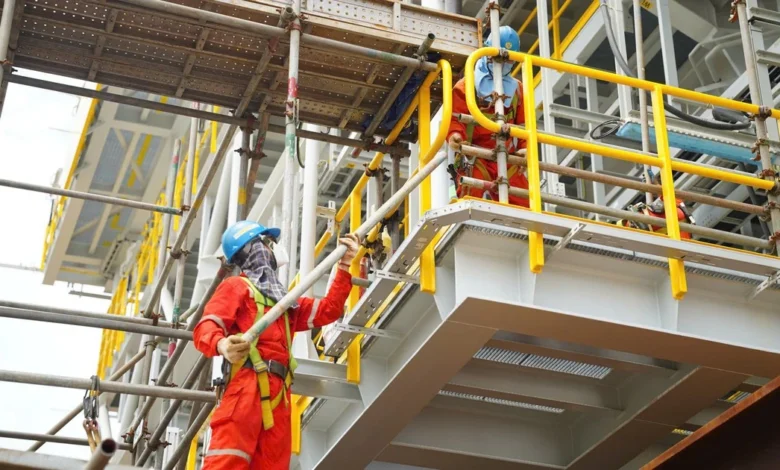
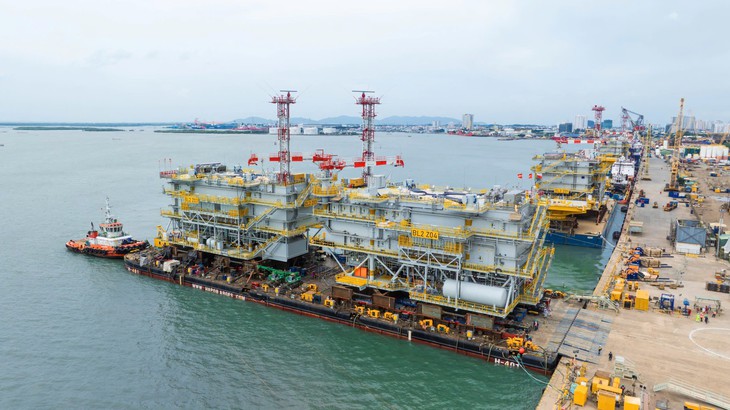
In a historic milestone for Vietnam’s heavy industry and renewable energy sector, member units of the Vietnam National Industry-Energy Group (Petrovietnam)—led by the Petrovietnam Technical Services Corporation Mechanical and Construction (PTSC M&C)—have successfully completed, load-tested, and dispatched four massive offshore transformer substations. Destined for the Baltica 2 offshore wind farm in Polish waters, this landmark achievement marks the very first time that locally fabricated offshore wind power infrastructure from Vietnam has been successfully exported to the demanding European market.
The dispatch of these multi-thousand-tonne structures not only signifies a monumental leap forward for Vietnamese industrial capabilities but also underscores the country’s growing integration into the global clean energy supply chain. As nations across Europe accelerate their transitions away from fossil fuels toward sustainable power sources, the successful collaboration between Vietnamese contractors and international energy giants demonstrates that emerging markets can play a pivotal role in constructing complex, utility-scale renewable energy infrastructure.
Project Overview and Global Partnership
The Baltica 2 project is a monumental offshore wind initiative being jointly developed by Ørsted, a global renewable energy leader based in Denmark, and PGE (Polska Grupa Energetyczna), one of Poland’s largest energy companies. Situated in the Baltic Sea off the coast of Poland, the wind farm represents one of the most ambitious renewable energy undertakings in the region.
With a total planned capacity of approximately 1.5 gigawatts (GW), Baltica 2 is designed to harness the strong, consistent winds of the Baltic Sea to generate massive amounts of clean electricity. The project encompasses 107 state-of-the-art wind turbines and four Offshore Substations (OSS). Each of these transformer substations possesses a capacity of 375 megawatts (MW), carrying the critical responsibility of receiving the generated power from individual turbines, stepping up the voltage, and transmitting it securely to the mainland grid.
Scheduled to begin supplying electricity by the final quarter of 2027, Baltica 2 is expected to generate enough clean power to supply approximately 2.4 million households in Poland. This influx of renewable energy will significantly bolster Poland’s domestic green energy portfolio while contributing substantially to the broader European Union’s decarbonization and energy transition targets.
For PTSC M&C, securing a foothold in such a prestigious international project required navigating a rigorous and highly competitive evaluation process. The Vietnamese contractor had to meet exceptionally stringent international standards regarding technical proficiency, quality assurance, occupational safety, and project delivery timelines set by the European developers.
Chronology and Engineering Complexity
The journey toward this historic export began in June 2023, when the consortium comprising Semco Maritime and PTSC M&C was awarded the comprehensive Engineering, Procurement, and Construction (EPC) contract. The scope of work assigned to the consortium was exhaustive, covering everything from detailed engineering and material procurement to fabrication, mechanical completion, and pre-commissioning work.
The contract specifically encompassed four offshore transformer substations alongside four massive jacket foundations, bringing the total combined weight of the structures to approximately 16,000 tonnes. Within this partnership, PTSC M&C took charge of the complex fabrication, load-out preparation, integration, and on-site commissioning support conducted within Vietnam.
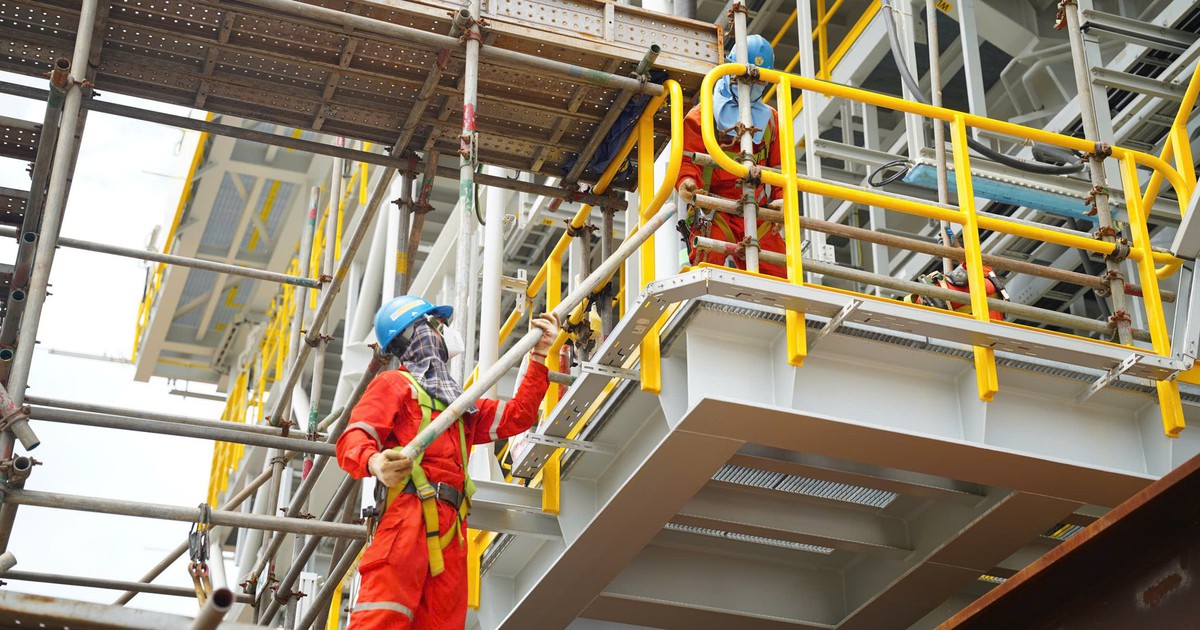
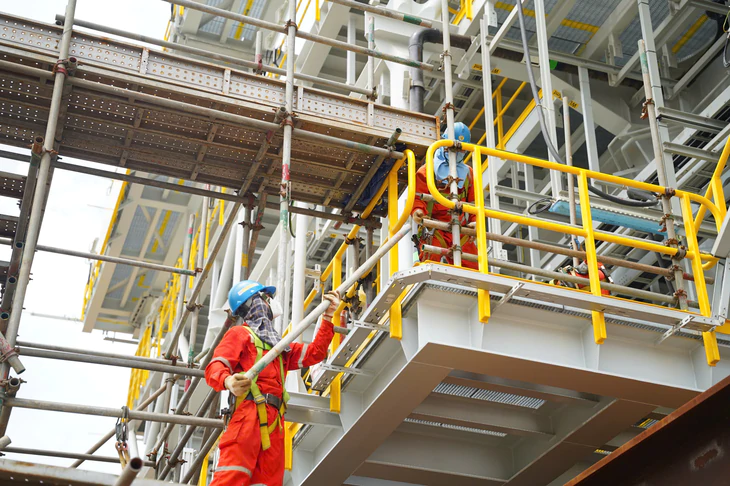
Managing a project of this scale presented unprecedented engineering and logistical challenges. PTSC M&C undertook the construction of the Baltica 2 substations while simultaneously executing seven other large-scale industrial projects at its fabrication yard. During peak operational periods, more than 2,000 engineers, specialized technicians, and skilled construction workers from various tier-one contractors were deployed simultaneously. Coordinating this massive workforce required meticulous planning, flawless communication, and stringent quality control across overlapping technical interfaces.
Furthermore, the fabrication process demanded extraordinary environmental and structural precision. Building structures intended to withstand decades of harsh sub-arctic marine environments—characterized by freezing temperatures, high humidity, and aggressive saltwater corrosion in the Baltic Sea—while initially fabricated in Vietnam’s tropical monsoon climate required advanced coating and preservation techniques. Approximately 120,000 square meters of surface area were treated under strictly controlled environmental conditions, utilizing advanced dehumidification systems, industrial ventilation, and rigorous inspection protocols.
Logistics and Final Deployment
The successful load-out and transportation phase demonstrated the sophisticated logistics capabilities of the Vietnamese engineering team. Two of the four transformer substations have already completed their maritime journey and are currently in transit toward European waters. Meanwhile, the remaining two substations were successfully skidded and loaded onto heavy transport vessels at the PTSC port facility in Vietnam, fully prepared for their transcontinental voyage.
According to the project schedule, the offshore installation, heavy lifting, and grid hook-up operations in the Baltic Sea are slated to commence in November 2026. This phase will require seamless coordination between the teams in Vietnam, Denmark, and Poland to ensure that the massive structures are safely positioned and integrated into the broader offshore wind network.
Industry analysts have praised the execution of the Baltica 2 contract as a watershed moment for Vietnam’s heavy manufacturing sector. Traditionally known for supplying oil and gas exploration structures, local enterprises have demonstrated a successful diversification into renewable energy assets, proving their capability to adapt to the highly specialized technical demands of offshore wind power.
Broader Implications for Vietnam’s Industrial Future
The successful export of these offshore substations carries profound strategic implications for Vietnam’s economic and industrial landscape. By standardizing EPC processes, developing specialized technical expertise, and building a reliable resource pool, PTSC M&C and its parent company, Petrovietnam, have laid a robust foundation for future participation in even larger international renewable energy projects.
As global demand for offshore wind infrastructure surges—driven by ambitious climate targets across Europe, North America, and Asia—supply chain bottlenecks have become a significant concern for developers. The proven ability of Vietnamese shipyards and fabrication yards to deliver high-quality, complex electrical substations on schedule positions Vietnam as an increasingly attractive hub for global clean energy manufacturing.
The implications extend beyond commercial success. Participation in high-end global supply chains facilitates technology transfer, elevates local engineering standards, and fosters the growth of a specialized domestic workforce capable of supporting Vietnam’s own prospective offshore wind developments. As the nation looks toward its own green energy transition, the competencies gained through projects like Baltica 2 ensure that local industries will not only participate as suppliers but as confident, capable leaders in the global renewable energy revolution.