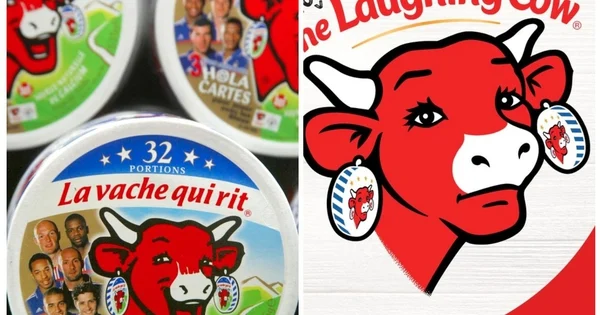
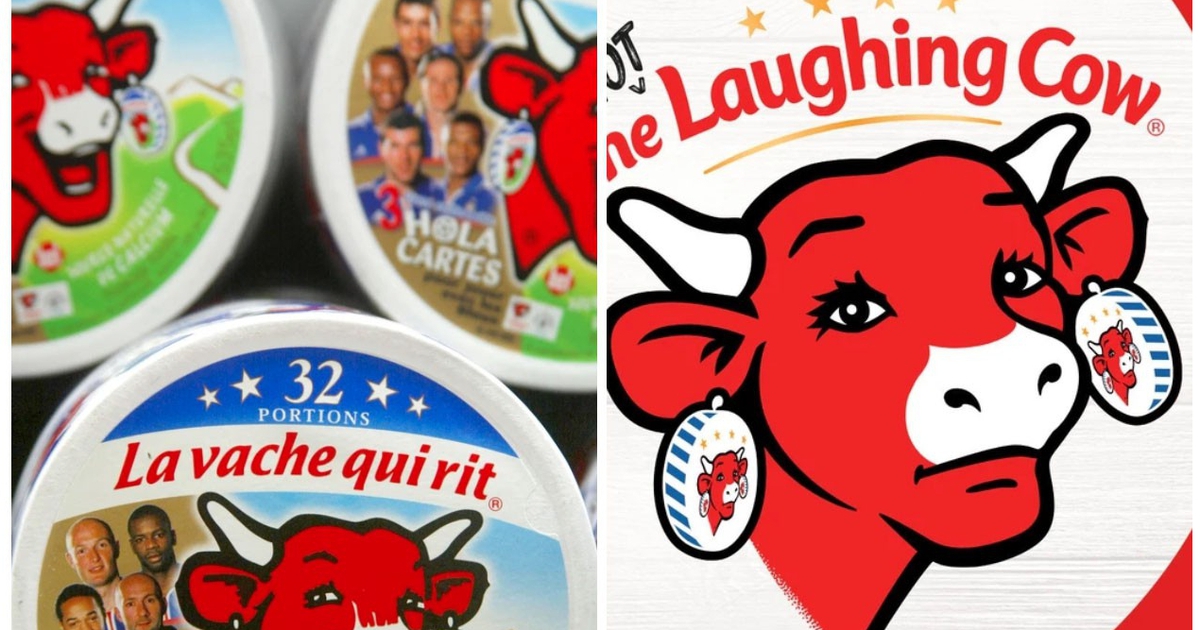
For over a century, the iconic image of a grinning, red cow adorned with golden earrings has served as one of the most recognizable mascots in the global dairy industry. Since its inception in 1921, The Laughing Cow—or La Vache Qui Rit in its native French—has projected an image of lightheartedness, accessibility, and joy. However, in a startling pivot that has captivated the marketing world, Bel Brands USA, a subsidiary of the Bel Group, has launched a campaign titled The Not Laughing Cow. This initiative sees the brand’s beloved mascot stripped of her signature smile, replaced by a somber, serious expression, and accompanied by the cryptic message: "We need to talk."
A Century of Iconic Branding
The history of The Laughing Cow is deeply rooted in early 20th-century French culture. The brand was founded in 1921 by Léon Bel, who sought to create a processed cheese that was both shelf-stable and delicious. The mascot itself was illustrated by Benjamin Rabier, a renowned French illustrator, and made its debut on cheese packaging in 1924.
The image of the cow—often depicted wearing earrings shaped like the very product she represents—has remained remarkably consistent for 100 years. This consistency has been a cornerstone of the brand’s global recognition. In marketing terms, the cow is a "brand asset," a visual shorthand that consumers use to identify and trust a product instantly. By disrupting this asset, Bel Brands is engaging in a high-stakes strategy known as "mascot subversion," a tactic rarely employed by legacy brands with such high levels of equity.
The Anatomy of The Not Laughing Cow Campaign
The campaign is currently unfolding across more than 4,700 retail locations throughout the United States. Unlike traditional product launches, this is not a rebranding effort or a change to the cheese formula itself. Instead, it is a strategic use of mystery to drive consumer engagement.
Each package now features a QR code that directs curious consumers to the website, thenotlaughingcow.com. The digital experience acts as the central hub for the narrative, where the brand has released a series of short, atmospheric videos. In these clips, the formerly cheerful mascot is seen in various settings—sitting alone in a restaurant or slumped on a swing set—exuding an air of melancholy. The shift is stark, intentionally jarring, and designed to force the consumer to pause and question the status quo of the brand.
Strategic Implications: Why Subvert a Mascot?
From a marketing strategy perspective, the decision to remove a smile from a brand that literally includes the word "laughing" in its name is a calculated risk. Most consumer packaged goods (CPG) companies spend millions of dollars ensuring their visual identity remains synonymous with positive consumer sentiment. By doing the "opposite," Bel Brands is leveraging the psychological concept of the "pattern interrupt."
When a consumer encounters a familiar product that has been altered in a way that defies expectations, it creates an immediate cognitive dissonance. This discomfort—or, more accurately, this curiosity—acts as a powerful catalyst for engagement. By withholding the reason for the change, the brand is effectively turning its packaging into a teaser for a broader story, driving traffic to digital platforms and encouraging social media discourse.
Contextualizing the Silence: The Mental Health Connection
While Bel Brands has been tight-lipped regarding the "why" behind the mascot’s change, industry analysts and observers have begun to draw parallels to significant cultural markers. One of the most prominent theories points to World Mental Health Day, which occurs annually on October 10.
The somber imagery of the mascot, combined with the invitation to "talk," aligns well with modern corporate social responsibility (CSR) initiatives that prioritize mental health awareness. The message, "We need to talk," is a common phrase used to initiate serious conversations regarding personal well-being. If the campaign is indeed a lead-up to an advocacy effort for mental health, it would represent a sophisticated shift from purely product-based advertising to values-based brand storytelling.
However, until the company confirms the objective, this remains speculative. Bel Brands has stated in its official communications that the mascot will "tell her own story" once she is "ready."
Data and Market Reach
The scale of this operation is significant. By deploying these altered packages across nearly 5,000 retail points of sale, Bel Brands is ensuring that the campaign reaches a massive, diverse demographic. This is not a niche digital campaign; it is a physical, tactile intervention in the daily shopping habits of millions.
Digital engagement metrics are expected to be the primary indicator of success. By utilizing QR codes, the company can track exactly how many people are scanning the packaging, the geography of those users, and the duration of their time spent on the campaign website. This data-driven approach allows the company to measure the impact of the "mystery" in real-time and adjust its messaging as the campaign progresses.
The Future of the Brand Narrative
The ultimate goal of this campaign appears to be a revitalization of the brand’s relevance in a crowded, competitive market. Dairy brands often struggle to maintain a "cool" or "meaningful" factor among younger generations who prioritize brand ethics and authentic storytelling. By shifting the mascot from a static, happy figure to one that experiences a range of emotions, Bel Brands is humanizing its icon.
This is a move toward what marketing experts call "narrative-driven branding." Instead of just selling cheese, the company is selling a character with a backstory. Whether this culminates in a charitable donation, a partnership with mental health organizations, or a simple re-launch of the brand’s core values, the current strategy is undeniably effective at generating buzz.
Official Stance and Industry Response
Thus far, the company has maintained its "omertà" regarding the specific motivation. In a press statement, a representative for Bel Brands USA reiterated the brand’s commitment to the secrecy of the project, stating, "She will explain everything when she is ready." This controlled ambiguity is a masterclass in modern PR, keeping the media, social media influencers, and consumers in a state of sustained anticipation.
The industry response has been largely positive, with branding experts praising the boldness of the move. For a company that has spent a century building a foundation of joy, the willingness to briefly sacrifice that joy for a compelling narrative demonstrates a high level of confidence in their brand equity.
Conclusion
The Not Laughing Cow campaign serves as a poignant reminder that even the most established global brands must evolve to remain relevant. By temporarily removing the smile from its iconic mascot, Bel Brands has managed to strip away the familiarity that often leads to consumer indifference.
The mystery surrounding the campaign ensures that when the "truth" is finally revealed, the brand will have captured the undivided attention of its audience. Whether the motive is tied to a philanthropic cause, a new product innovation, or a shift in brand positioning, the campaign is a testament to the power of storytelling. For now, the world waits—not for a slice of cheese, but for the answer to why the cow is no longer laughing. The campaign continues to unfold, proving that sometimes, the most effective way to be heard is to change the message entirely.