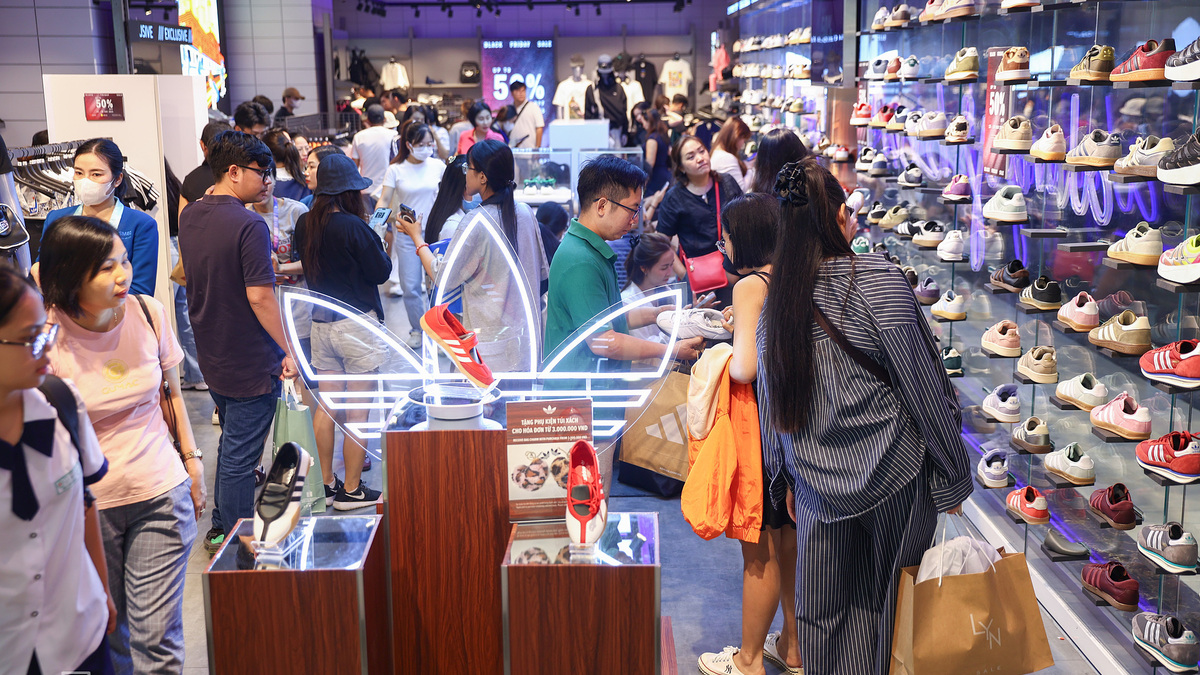
Ho Chi Minh City is rolling out a comprehensive suite of aggressive investment incentives designed to position the southern economic hub as a premier destination for large-scale outlet retail centers. The municipal government’s new policy framework aims to attract both domestic and international investors by offering significant relief on land rents, corporate income taxes, and administrative procedures. By streamlining the development process, the city intends to capitalize on the growing demand for "outlet-style" shopping, where manufacturers and authorized distributors sell goods directly to consumers at deep discounts, bypassing traditional retail intermediaries.
The Strategic Shift Toward Outlet Retail
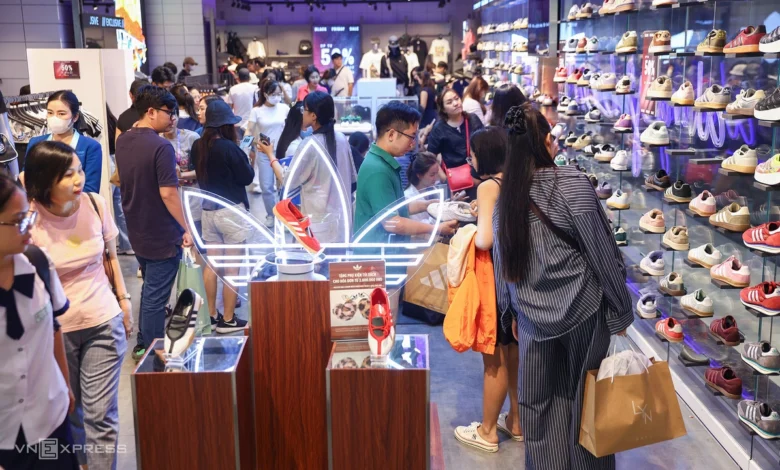
The outlet model is a well-established retail concept globally, offering consumers high-quality goods at prices significantly lower than those found in conventional shopping malls. For Vietnam, the transition toward organized outlet centers represents a maturation of the retail market. Ho Chi Minh City’s current draft policy classifies outlet projects under the "encouraged investment" category, as defined by the Law on Urban Development.
Under the proposed regulations, developers can benefit from substantial land rent exemptions, provided the project is specifically designated for retail and integrated services. Crucially, this policy excludes residential or office components, ensuring that developers focus their resources on the primary goal: creating a robust retail ecosystem. Investors will also be eligible for corporate income tax incentives, duty-free imports on equipment required for asset formation, and a significant reduction in various existing operational fees.
Streamlining Bureaucracy and Expediting Development
One of the most notable aspects of the city’s proposal is the commitment to cut administrative processing time by 50%. The Ho Chi Minh City administration is currently reviewing a specific list of administrative procedures that will be prioritized for expedited handling.
For projects with a capital investment exceeding 10 trillion VND (approximately $395 million USD), the city government intends to fast-track these ventures, potentially including them in the list of strategic investment projects that receive high-level government support. This move is designed to mitigate the "red tape" that often discourages large-scale foreign and domestic capital deployment.
Structural Requirements and Investor Commitments
To qualify for these preferential policies, developers must adhere to strict operational guidelines. Among the key requirements is a mandate that at least 30% of the brands featured in the center must be Vietnamese. Furthermore, developers are required to dedicate a significant portion of their space to the promotion of domestic goods.
In terms of physical scale, the city has set clear thresholds for different types of outlets:
- Large-Scale Outlet Villages: Minimum of 30,000 square meters of floor area.
- Integrated Outlet Centers: Minimum of 15,000 square meters.
- Urban or Peripheral Outlets: Minimum of 5,000 square meters.
Furthermore, the retail area must account for at least 60% of the total developed site. Depending on the scale and location, each center must host between 50 and 100 distinct retail units, ensuring a high density of consumer choice.
Economic Context and National Roadmap
The local initiative in Ho Chi Minh City aligns with a broader national strategy approved by the Ministry of Industry and Trade in September. The national objective is to establish at least one major outlet center in Vietnam by 2030, with a phased development plan that seeks to complete the legal framework for this retail model by the end of the decade.
Looking ahead to the 2030–2045 period, the national strategy emphasizes regional distribution, aiming for at least one major outlet center in the North, Central, and Southern regions. Key target cities—including Hanoi, Ho Chi Minh City, Da Nang, Quang Ninh, and An Giang—have been identified as high-potential sites. Notably, the island city of Phu Quoc has also been signaled as a primary location for investment attraction due to its unique status as a tourism hub.
The Role of Logistics and Tourism Integration
The city’s planning department is currently mapping out optimal locations for these projects, utilizing a data-driven approach that considers urban planning, traffic connectivity, logistics capacity, and tourism potential. The objective is to create "destination retail" hubs where shopping is integrated with culinary experiences, entertainment, and tourism services.
By linking outlet projects with existing production units, OCOP (One Commune One Product) supply chains, and tax-free shopping zones, the city aims to create a self-sustaining ecosystem. The integration of VAT (Value Added Tax) refund systems for tourists is expected to further bolster the appeal of these centers to international visitors, turning them into key drivers of the local service economy.
Implications for the Retail Market
The implications of this policy shift are significant. By fostering an environment where manufacturers can move surplus or previous-season inventory directly to consumers, the city is effectively supporting the entire retail value chain. Manufacturers gain a vital channel to clear stock and recover capital, while consumers benefit from access to authentic, high-quality products at competitive prices.
However, industry analysts note that the success of these centers will depend heavily on the ability of developers to maintain a balance between premium international brands and the required 30% quota for Vietnamese labels. The ability to integrate these centers into the existing transport infrastructure will also be a determining factor in their long-term viability.
Official Stance and Future Outlook
While the specific list of administrative procedures for the 50% time-reduction mandate is still being finalized and is expected to be released shortly, the intent is clear: Ho Chi Minh City is signaling a departure from traditional, slow-moving development approvals in favor of a proactive, investor-friendly climate.
The city’s leadership emphasizes that these incentives are not merely tax breaks but a strategic investment in the city’s retail infrastructure. By attracting large-scale investment, the city expects to create thousands of jobs, enhance the quality of the retail sector, and provide a boost to the tourism industry. As the draft moves toward final approval, stakeholders in the real estate and retail sectors are closely monitoring the developments, with many large firms already expressing interest in identifying potential sites that align with the government’s new criteria.
In conclusion, the push to establish outlet centers in Ho Chi Minh City is a multifaceted effort to modernize the local economy. Through the combination of fiscal relief, reduced regulatory burdens, and strategic urban planning, the municipal government is laying the groundwork for a new era of retail excellence that balances the needs of domestic manufacturers with the aspirations of a growing middle class and an expanding tourism market. As Vietnam approaches its 2030 target, the success of these initial projects in Ho Chi Minh City will likely serve as a blueprint for the rest of the country.