Chuyen My Commune Launches Comprehensive 30-Day Campaign to Standardize Land Use Certificates and Remove Ambiguous T Symbols for Residents

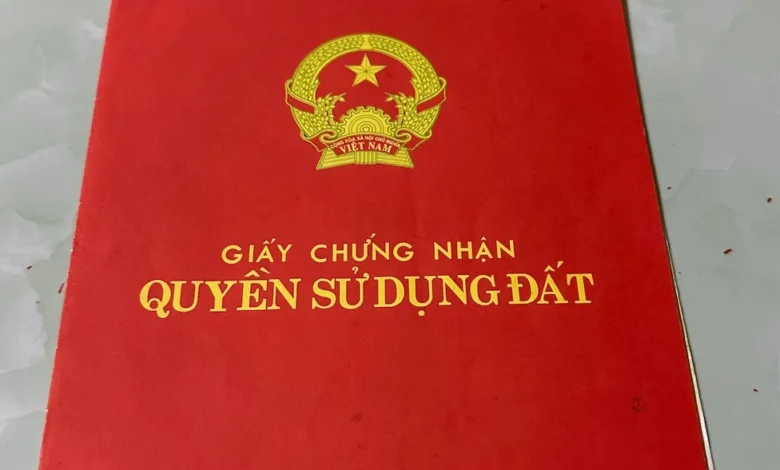
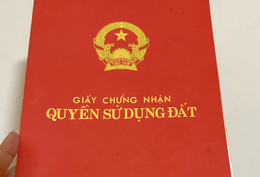
The People’s Committee of Chuyen My Commune has officially announced the commencement of a specialized "30-day review and removal campaign" aimed at addressing the "T" symbol on Land Use Right Certificates, commonly known as "Red Books," previously issued to local citizens. This initiative represents a significant administrative effort to modernize land records and provide legal clarity for property owners within the Phu Xuyen District of Hanoi. According to the published plan, the campaign is scheduled to run from July 15 to August 15, though local authorities have indicated that the duration may be extended if the comprehensive review of all affected households is not completed within the initial month.
This administrative push comes at a time when land management in Vietnam is undergoing significant digital and legal transitions. By focusing on the removal of outdated and often misunderstood symbols on land titles, Chuyen My Commune aims to align its local land database with national standards, ensuring that every square meter of residential land is accurately categorized and protected under current law.
Objectives and Strategic Implementation of the Campaign
The local government has emphasized that the campaign will be conducted with a commitment to transparency, openness, and thoroughness. The primary goal is to accurately determine the exact area of residential land based on original land allocation records and the certificates of land use rights already in the possession of the people. This process is essential for perfecting the land management data system, which serves as the backbone for urban planning and tax administration.
For the residents of Chuyen My, the removal of the "T" symbol is not merely a bureaucratic update; it is a vital step in securing their economic interests. The presence of ambiguous symbols on a Red Book can create significant hurdles during civil transactions. By clarifying the land’s status, the commune is facilitating the smooth execution of legal rights such as inheritance, gifting, transferring, and mortgaging land use rights. Furthermore, it streamlines other civil transactions related to real estate, which are often delayed or complicated by inconsistent land descriptions.
The People’s Committee of Chuyen My Commune noted that this campaign specifically targets cases listed in land allocation decisions or land use right recognition decisions issued by competent authorities. The bulk of these cases involve decisions made by the (former) People’s Committee of Phu Xuyen District during the period between 2000 and 2006. During this era, land documentation practices were less standardized than they are today, leading to the widespread use of shorthand symbols that have since become obsolete or confusing.
Understanding the Historical Context of the T Symbol
The confusion surrounding the "T" symbol is a long-standing issue that has affected various regions across Hanoi. To understand the significance of this campaign, one must look back at the history of land categorization in Vietnam. The symbol "T" was originally introduced decades ago, but its interpretation has varied over time and across different administrative levels.
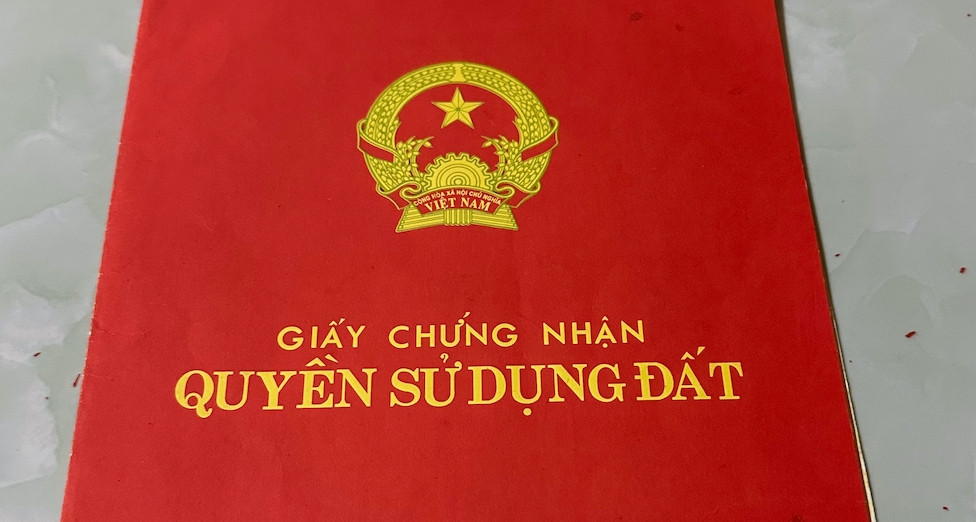
According to records from the Hanoi People’s Committee, the "T" symbol traces its roots back to Decision No. 56-DKTK, issued on November 5, 1981, by the General Department of Land Management. Under this regulation, the symbol "T" was defined as "residential area land" (dat khu vuc tho cu). At that time, the concept of "tho cu" was broad; it encompassed land used for building houses in both urban and rural residential areas. However, it specifically excluded land used for specialized cultivation (tho canh), ponds, lakes, and public pathways within villages that had already been measured and separated from private plots.
In the early 1980s, "tho cu" land included not only the primary dwelling but also various auxiliary structures serving the household and the community. This included land for cultural facilities, health centers, schools, sports grounds, and even religious sites or administrative offices. It also covered agricultural-related structures like livestock pens, storage sheds, and repair stations.
As Vietnam’s legal system evolved, so did its land classification. By 1989, the land statistics system was adjusted. The broad category of "residential area land" was split into more specific designations: "residential land" (including urban and rural residential land) and "specialized land" (including construction land, transport infrastructure, and irrigation land).
Later, in 1995, the General Department of Land Management issued Decision No. 499/QD-DC, which stipulated that land intended for residential purposes should be symbolized by the letter "T." While this seemed to provide clarity, it did not explicitly conclude whether the entire area marked with "T" on an old certificate should be recognized as 100% residential land or if it included garden and pond areas that should be taxed or regulated differently.
Eligibility and Procedural Requirements
To participate in the current campaign in Chuyen My Commune, certain conditions must be met. The information regarding the land user, the allocated area, and the area recorded on the certificate must strictly match the lists found in the land allocation or recognition decisions issued by the competent authorities. Most importantly, the certificate must currently display the land use purpose using the "T" symbol.
The commune leadership has made it clear that the review and deletion of the "T" symbol will be provided as a free service for all cases that meet the eligibility criteria according to the attached official lists. This "pro-citizen" approach is intended to encourage widespread participation and resolve historical discrepancies without placing a financial burden on the households.
For residents whose names do not appear on the initial list, the People’s Committee has assured them that their cases are not being ignored. These instances will continue to be reviewed, considered, and resolved in accordance with standard legal procedures. The 30-day campaign serves as a "fast-track" for clear-cut cases, while more complex historical disputes or discrepancies will be handled through a more detailed administrative process.
The Practical Impact on Property Rights and Transactions
The urgency of this campaign is underscored by the difficulties faced by residents in other parts of Hanoi, such as Quoc Oai District, where citizens have previously petitioned the city to unify the interpretation of the "T" symbol. In many instances, when residents sought to split their land plots or renew their certificates, they were met with conflicting explanations.
In some offices, officials interpreted "T" as "residential land" (dat o), allowing the owner to build freely. In other offices, however, it was interpreted as "perennial crop land" or "agricultural land," which severely limited the property’s value and the owner’s ability to develop it. This ambiguity has led to years of "legal limbo" for many families, preventing them from using their land as collateral for bank loans or passing it down to the next generation without legal complications.
The campaign in Chuyen My is a direct response to these grievances. By removing the "T" and replacing it with modern, unambiguous land use codes, the local government is effectively "unlocking" the economic potential of these properties. A clear Red Book is a prerequisite for a healthy real estate market, as it provides the certainty required by buyers, sellers, and financial institutions alike.
Legal Framework and National Directives
The campaign is not an isolated local initiative but is grounded in a broader national legal framework. Specifically, it aligns with Decree No. 49/2026, issued by the Government on January 31, 2026, which provides guidance for the implementation of Resolution No. 254/2025/QH15 of the National Assembly.
This legal framework addresses the handling of Land Use Right Certificates issued before July 1, 2004, where the specific residential area was not clearly defined. In many older certificates, residential land and other types of land (such as gardens or ponds) were grouped together under general terms like "tho cu," "residential + garden," or symbols like "T," "TV," "TQ," or "TTT."
Clause 2, Article 20 of the aforementioned Decree provides a mechanism for authorities to re-determine the residential land area in these mixed-use plots. This allows for a more equitable recognition of land rights, often resulting in a larger recognized residential area for the homeowner based on historical usage and the size of the household at the time of the original allocation.
Broader Implications for Land Management in Hanoi
The success of the Chuyen My campaign could serve as a blueprint for other communes and districts within Hanoi and across Vietnam. As the country moves toward a centralized National Land Database, the "cleaning" of historical data is a critical task. Inaccurate or ambiguous symbols like "T" pose a risk to the integrity of this digital system.
From a governance perspective, standardizing these certificates allows for more accurate urban planning. When the government knows exactly how much land is designated for residential use versus agricultural use, it can better plan for infrastructure, utilities, and public services. It also ensures a fairer tax system, as land use fees and property taxes are heavily dependent on the official categorization of the land.
Furthermore, this campaign reflects a shift in administrative culture toward "serving the people." By proactively reaching out to residents and offering a free service to fix historical errors, the People’s Committee is building trust between the citizens and the state. This is particularly important in rural and semi-rural areas like Phu Xuyen, where land is often the most valuable asset a family owns.
Conclusion and Future Outlook
As the July 15 deadline approaches, the atmosphere in Chuyen My Commune is one of cautious optimism. Local cadastral officers are expected to handle a high volume of inquiries as families seek to ensure their land titles are modernized. The 30-day window is an ambitious target, but the commitment to transparency and the legal backing of recent government decrees provide a solid foundation for success.
The removal of the "T" symbol is more than a clerical change; it is a long-overdue rectification of a historical ambiguity. For the people of Chuyen My, it represents the final step in truly "owning" their land in the eyes of modern law, free from the confusion of 1980s-era shorthand. As the campaign unfolds, it will likely provide valuable data and lessons for the continued evolution of land management in Vietnam’s rapidly developing landscape. Residents are encouraged to check the official lists posted at the commune headquarters and prepare their original documents to ensure they do not miss this opportunity to secure their property rights for the future.