Severe Drought Forces Hydroelectric Dams in Quang Ngai to Suspend Power Generation to Prioritize Water Security for 2027

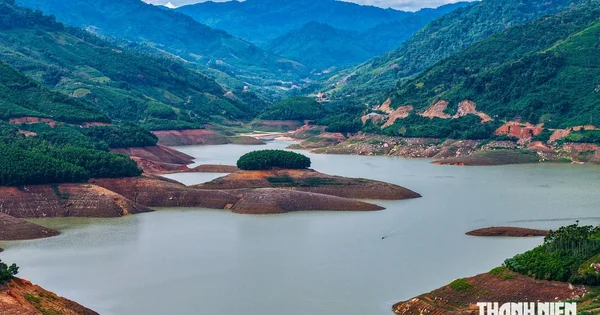
The province of Quang Ngai, located in Vietnam’s South Central Coast, is currently grappling with an unprecedented water security crisis as the persistent influence of the El Niño weather phenomenon has led to significantly reduced rainfall during the peak of the monsoon season. In a strategic shift to mitigate the risk of severe water shortages, several major hydroelectric and irrigation reservoirs have been forced to cease power generation operations entirely. This drastic measure is designed to prioritize the accumulation of water reserves, which are essential for agricultural production, industrial operations, and public consumption in 2027.
The meteorological anomaly, characterized by prolonged dry spells and erratic rainfall patterns, has left reservoir levels across the region well below their design capacity. While typically a season of high inflow, 2026 has failed to provide the necessary precipitation to replenish these critical water sources. As of early November, officials are sounding the alarm, warning that if current trends persist, the province could face a critical shortfall in water supply during the upcoming winter-spring crop cycle and the following summer season.
The Diminishing Reservoir Landscape
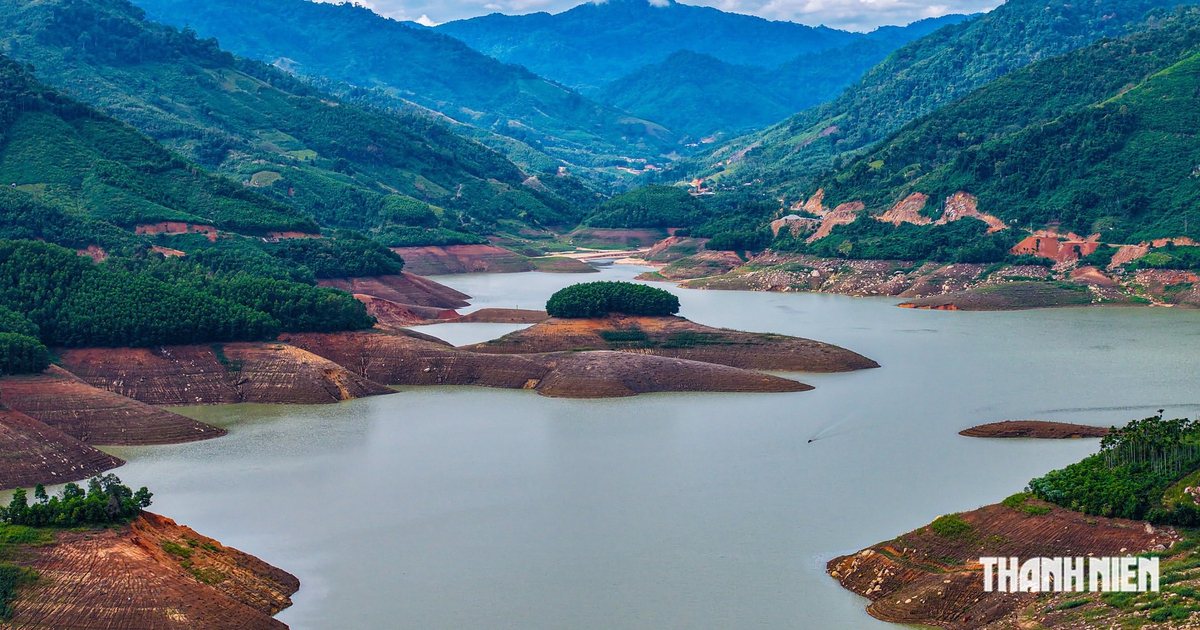
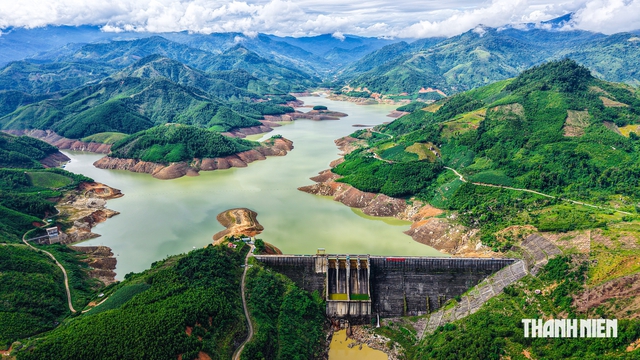
The Dakdrinh Hydroelectric Plant, a critical piece of infrastructure for the regional power grid and water management, has reported alarming drops in its water elevation levels. According to representatives from the Dakdrinh Hydropower Joint Stock Company, the total precipitation in the area throughout 2026 has been substantially lower than the multi-year average. Consequently, the inflow into the reservoir has failed to reach the safety thresholds required for stable operations.
As of October 31, 2026, the water level in the Dakdrinh reservoir had fallen below the critical elevation of 375 meters, which is significantly lower than the operational dead pool level. Technical reports from the company indicate that in 2018 and again in 2026, the reservoir experienced similar, if not more severe, depletion. The current situation is exacerbated by El Niño, which has reduced inflows by approximately 3% below the long-term average. This is not merely a concern for the power sector; it represents a fundamental threat to the regional economy, which relies on consistent water flow for agricultural irrigation and industrial cooling in the nearby manufacturing zones.
Chronology of the Crisis: A Cascade of Low Inflows
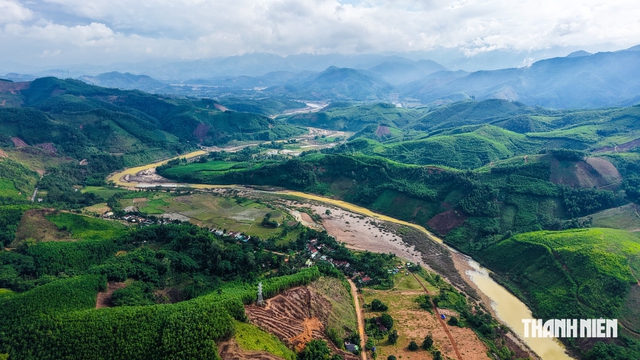
The current crisis began taking shape as early as June 2026. Data from the Ministry of Agriculture and Rural Development indicates that from June to August, the flow rates in major river systems, including the Tra Khuc River basin, were between 25% and 64% lower than historical averages. Despite brief, sporadic bursts of rainfall in September and early October, these events were insufficient to provide any meaningful recharge to the region’s 24 major irrigation reservoirs.
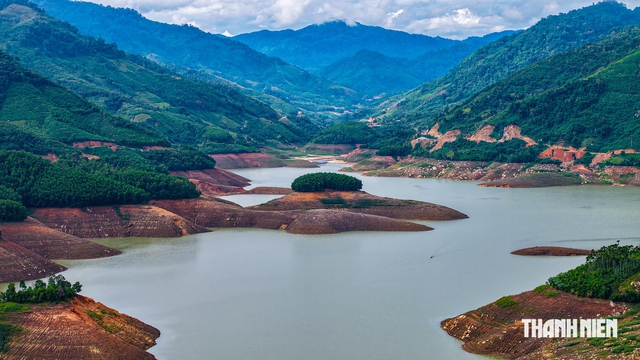
By the first week of November 2026, the urgency reached a breaking point. The Dakdrinh facility, which normally operates at a full supply level of 410 meters, was hovering at roughly 379 meters after ceasing power generation. Meanwhile, the Nuoc Trong reservoir—the largest in the province—was reported to be 12.4 meters below its normal operating level. These statistics paint a grim picture: with less than half of the design capacity currently held in most major basins, the margin for error for the 2027 calendar year has effectively vanished.
Strategic Response and Operational Adjustments
In response to the dire projections, provincial authorities and the Department of Agriculture and Rural Development have ordered a complete suspension of power generation at several key sites, including the Nuoc Trong and Noi Ngang dams. This directive is part of a broader, mandatory water-saving plan.
"We have reached a consensus to stop power generation to focus exclusively on water storage," stated an official from the Quang Ngai Irrigation Works Exploitation Company. "The priority is no longer the generation of electricity, but the preservation of the lifeblood of our agricultural sector. We are currently drafting alternative plans for the winter-spring and summer-autumn crops to ensure that downstream regions are not left without water."
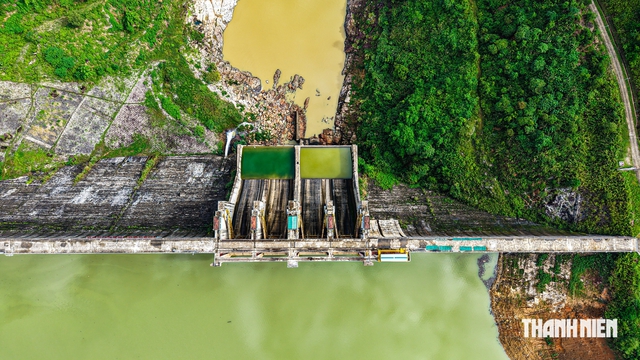
This policy shift, while necessary for survival, comes with significant economic consequences. The companies operating these facilities are now struggling to meet the production quotas mandated by national energy contracts. However, the regulatory consensus is that public welfare and food security must take precedence over short-term energy output targets.
Broader Implications: Agriculture and Industry at Risk
The implications of this water scarcity extend far beyond the dams themselves. The province of Quang Ngai is a major hub for both large-scale agriculture and industrial processing. The irrigation system, particularly the Thach Nham canal network, relies heavily on the steady release of water from upstream reservoirs. If these reservoirs are not replenished to at least 50% of their design capacity, the downstream irrigation capacity will be severely compromised.
Agriculture experts warn that the winter-spring crop, which is vital for the local economy, may need to be significantly scaled back or shifted toward drought-resistant crop varieties. Furthermore, the industrial zones in the lowlands, which require consistent water supplies for cooling and manufacturing processes, may face production delays if the provincial government is forced to implement water rationing measures early in 2027.
Official Directives and Future Outlook
On November 4, 2026, the Chairman of the Quang Ngai Provincial People’s Committee issued an urgent dispatch requiring all departments, sectors, and local units to initiate contingency plans for drought and water scarcity. The instructions are explicit: local governments must work in tandem with reservoir operators to monitor the inflows and outflows with extreme precision.
The Ministry of Agriculture and Rural Development has recommended a multi-tiered approach:
- Dynamic Management: Reservoir operators must transition to a flexible operating schedule that prioritizes accumulation during any unexpected rainfall, however minor.
- Resource Allocation: In cases of multi-purpose reservoirs, water must be reserved strictly for human consumption and critical industrial needs before any agricultural or power generation allocation is considered.
- Infrastructure Security: All dam operations must adhere to safety protocols to prevent damage to the infrastructure during low-water conditions, while also ensuring the safety of the downstream population.
- Coordination: Smaller hydroelectric projects, such as Son Tra 1, Dak Re, and Ba Vi, have been instructed to synchronize their operational schedules with the larger reservoirs like Nuoc Trong and Dakdrinh to ensure a unified regional approach to water management.
Analysis: Navigating an Uncertain Climate Future
The current situation in Quang Ngai is a stark reminder of the vulnerability of regional infrastructure to global climate patterns. The reliance on hydroelectric dams for both power and water management creates a "double-jeopardy" scenario during drought years: the region loses both its primary source of renewable energy and its primary source of irrigation water simultaneously.
From a policy standpoint, the crisis is likely to accelerate discussions regarding the diversification of water resources. Proposals for secondary water storage facilities, the improvement of irrigation efficiency through modern technology, and the implementation of more robust water-pricing mechanisms are expected to gain momentum in the coming months.
As of mid-November 2026, the outlook remains tentative. Meteorologists are continuing to track the development of the Pacific weather systems to determine if a shift in air currents might bring the much-needed winter rainfall. Until then, the provincial government of Quang Ngai has signaled that it will maintain a state of high alert, with water conservation remaining the top policy priority for the foreseeable future. The coming months will be a test of resilience for the province’s water management systems and the livelihoods of thousands of farmers who depend on these reservoirs for their survival.