The Independence Palace, a monumental architectural landmark in the heart of Ho Chi Minh City, marks its 60th anniversary this October 31, 2026. To commemorate this milestone, a special exhibition titled "From Blueprints to Symbol" has opened to the public, offering an unprecedented look at the complex four-year journey of its design and construction. Featuring over 100 original architectural drawings, sketches, and rare historical photographs, the exhibition provides a comprehensive narrative of the building that has stood as a witness to some of the most pivotal moments in Vietnamese history.
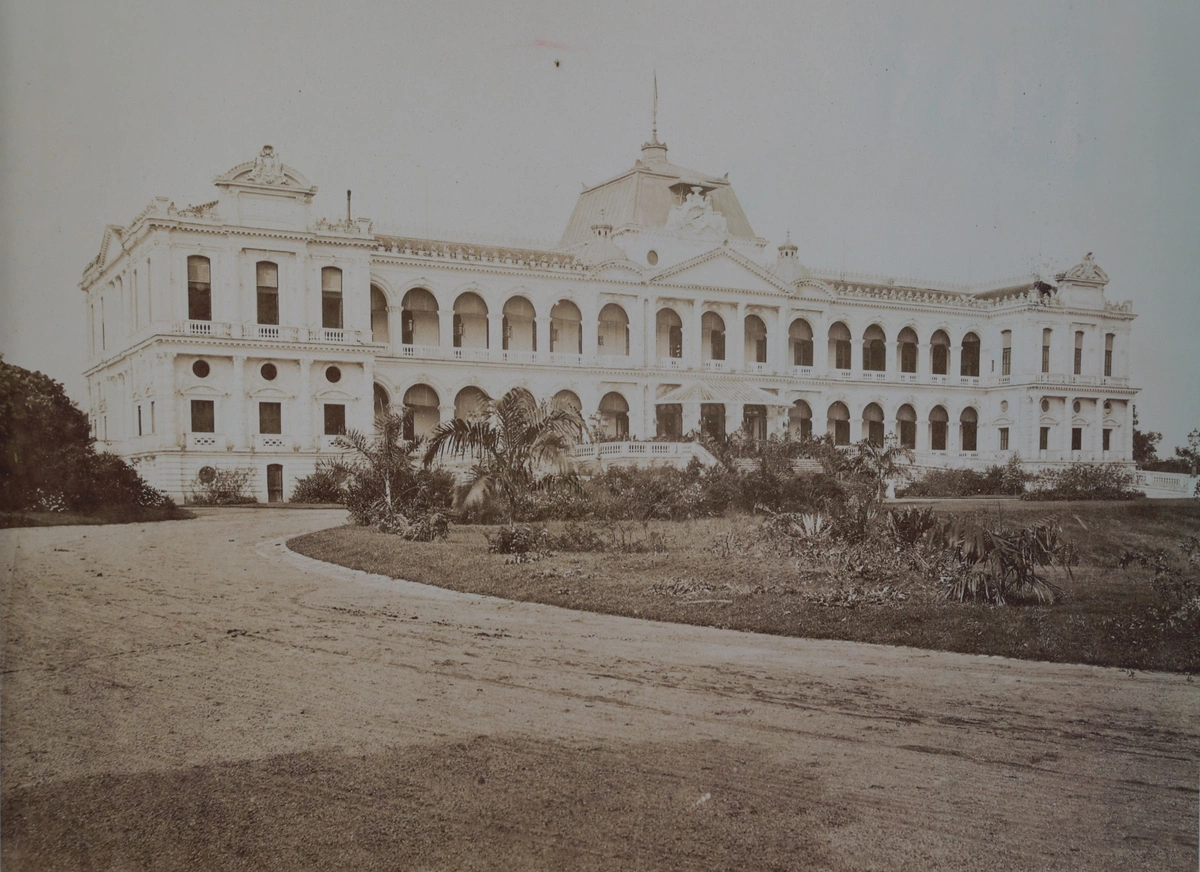
The Evolution of the Site: From Norodom to Independence
The history of the site dates back to the late 19th century when the French colonial administration constructed the Norodom Palace, completed in 1871. Originally serving as the residence and office for the Governor of Cochinchina, the building later functioned as the headquarters for the Governor-General of French Indochina.
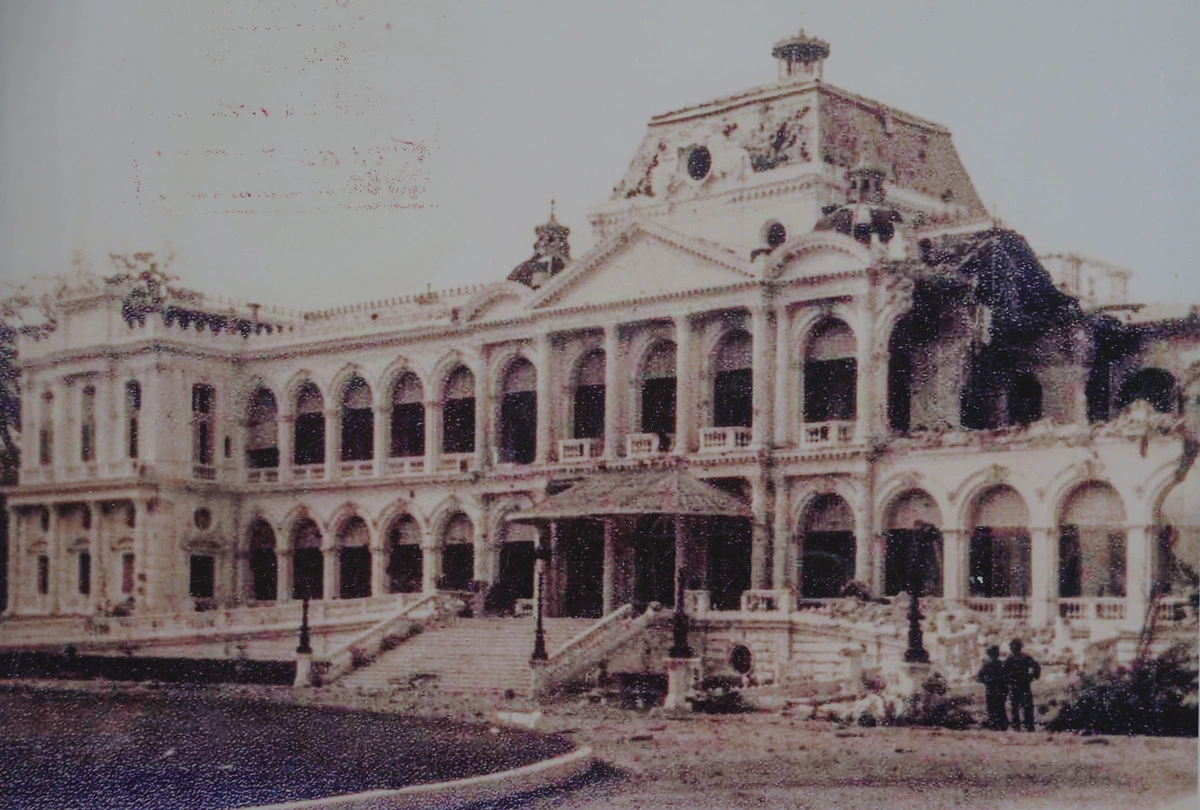
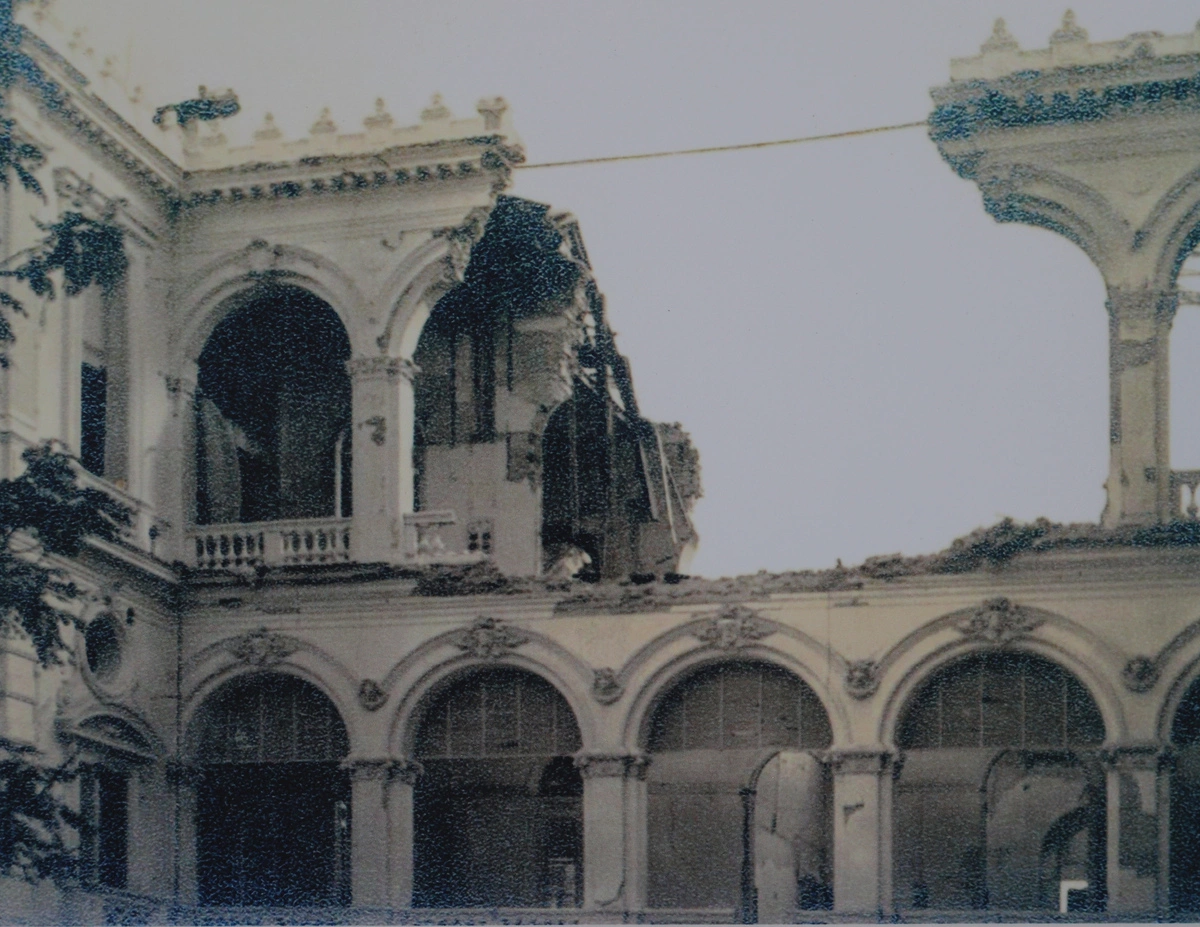
Following the Geneva Accords in 1954 and the subsequent withdrawal of French forces, the building was renamed the Independence Palace. It became the official residence of President Ngo Dinh Diem. However, the structure suffered catastrophic damage on February 27, 1962, when two pilots of the Republic of Vietnam Air Force, Pham Phu Quoc and Nguyen Van Cu, bombed the palace in an attempt to assassinate the president. The western wing was decimated, rendering the building structurally unsound.
A Masterpiece of Modernist Architecture
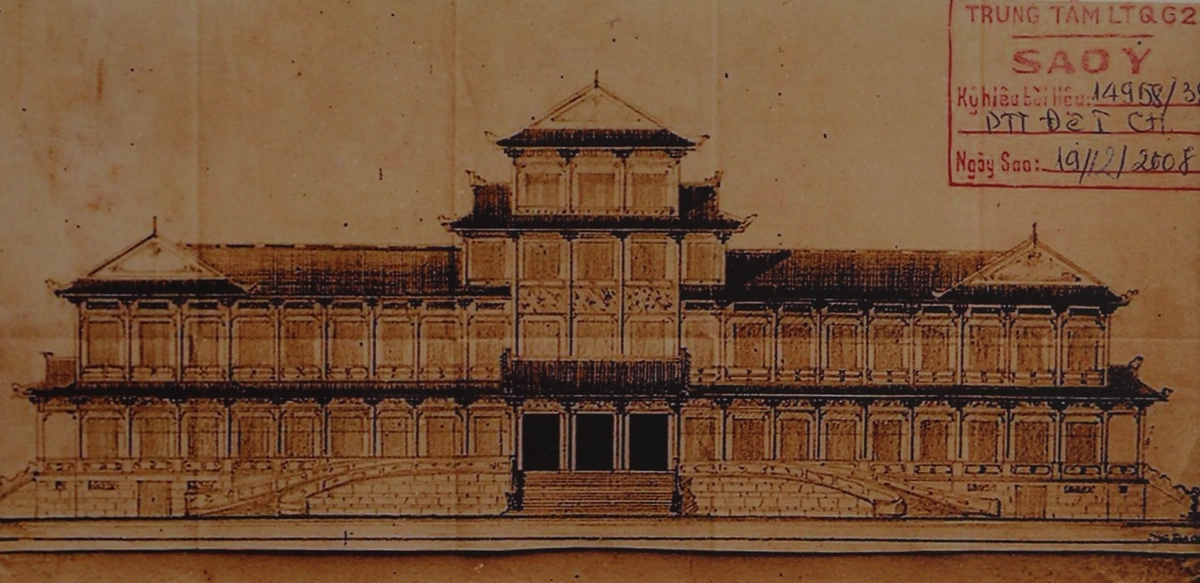
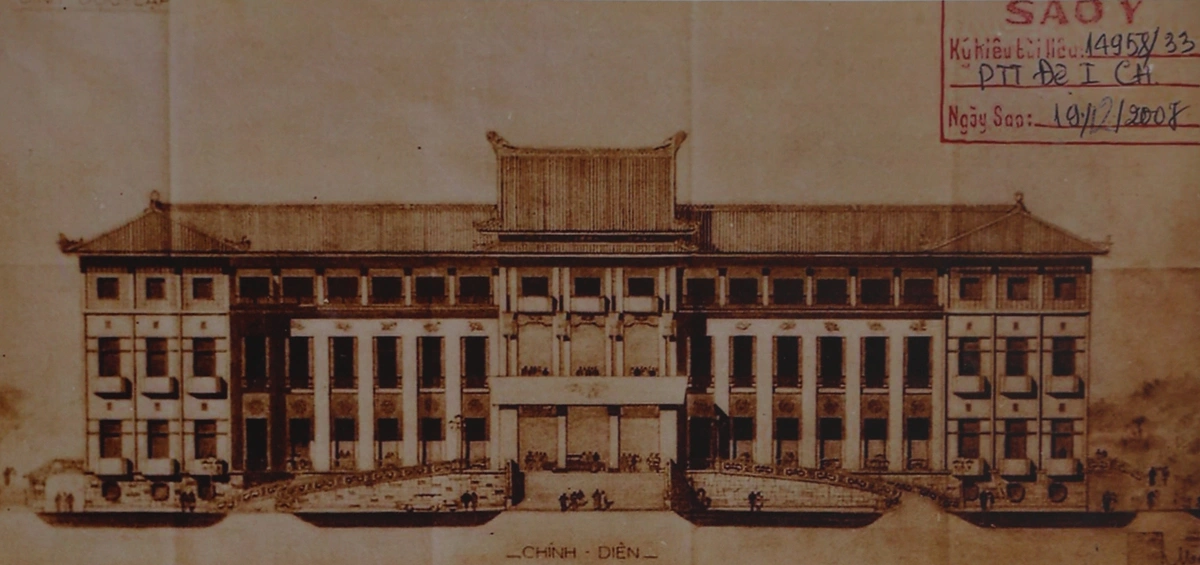
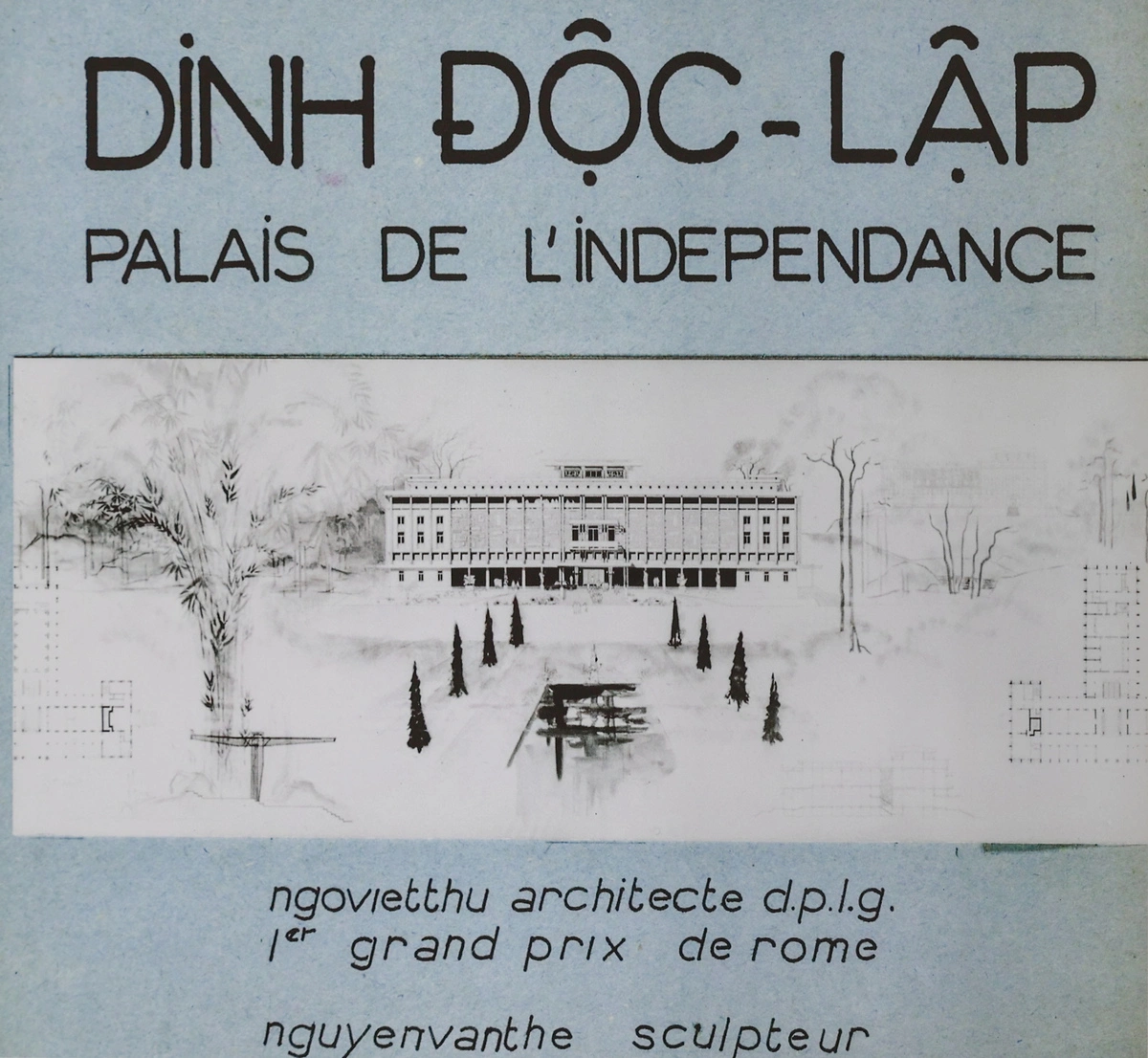
Recognizing that the structure could not be restored to its original state, President Ngo Dinh Diem commissioned a new palace on the same site. He selected the renowned architect Ngo Viet Thu—the first Vietnamese winner of the prestigious Premier Grand Prix de Rome in 1955—to lead the design.

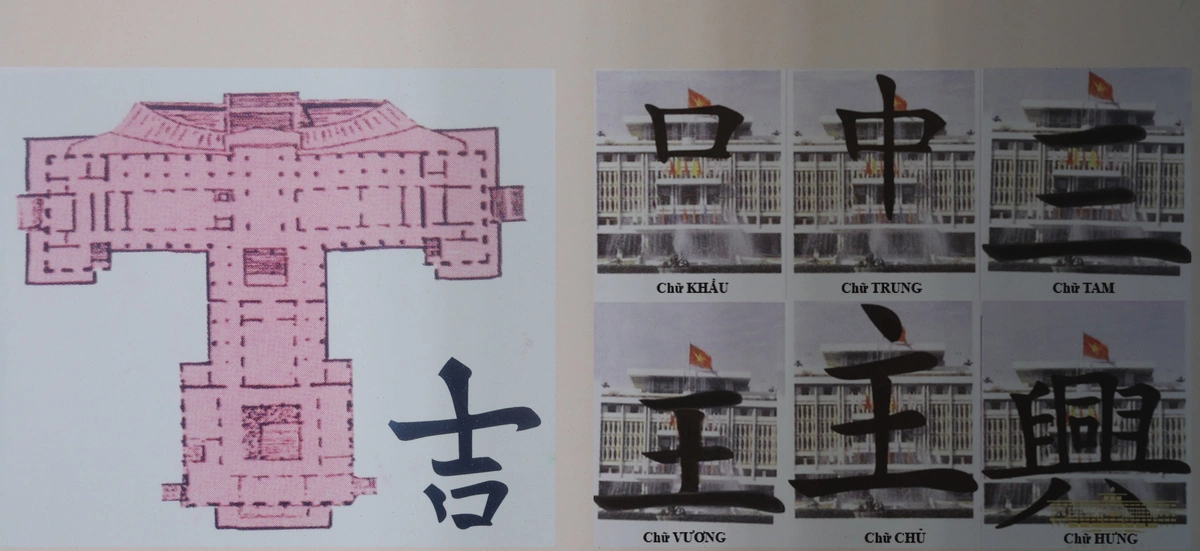
The design philosophy behind the new Independence Palace was a pioneering synthesis of modernist architectural principles and traditional Eastern aesthetics. Ngo Viet Thu’s vision was deeply rooted in the concept of "geomancy," with the overall layout of the building designed to resemble the Chinese character "Cát" (meaning good fortune and prosperity). The structural lines of the building further incorporated characters such as "Khẩu," "Tam," "Vương," "Chủ," and "Hưng," symbolizing the ideals of freedom, sovereignty, and national aspiration.
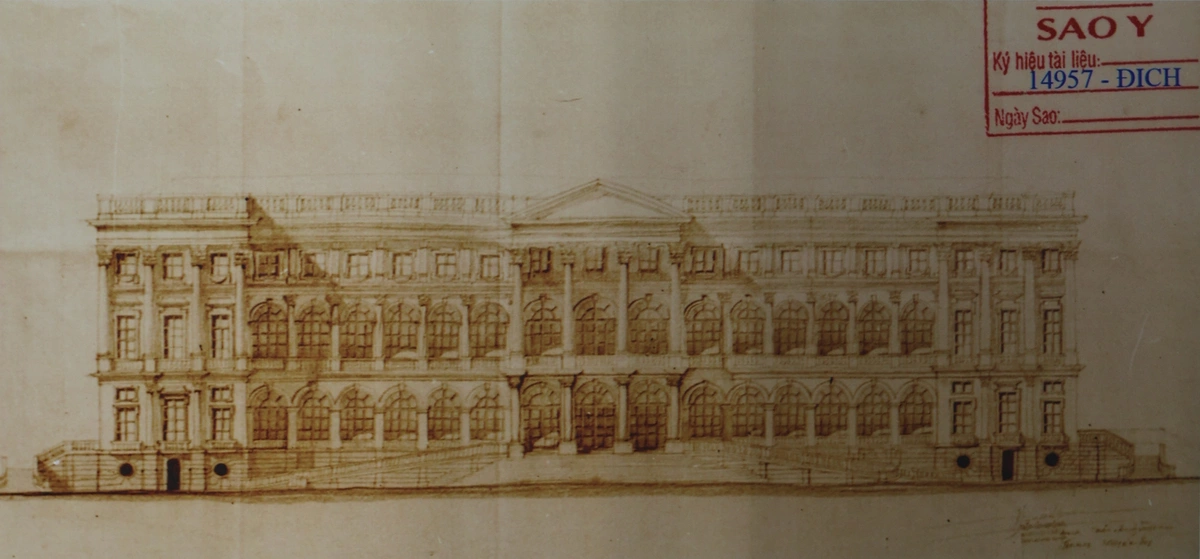
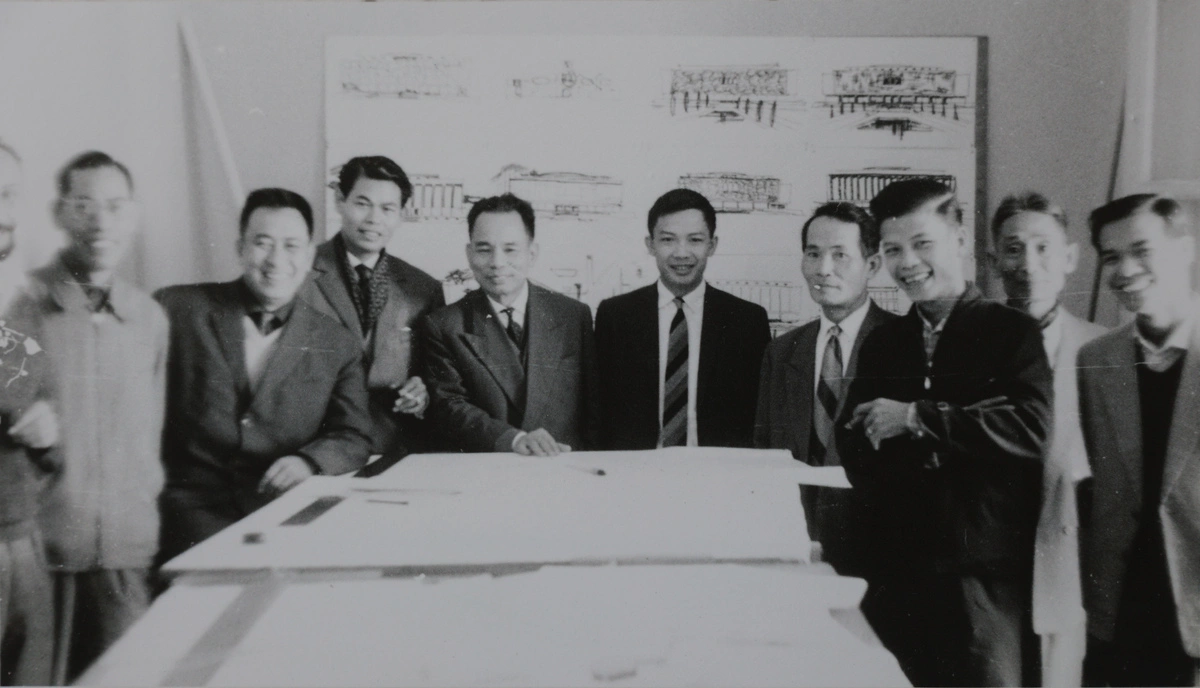
Spanning a floor area of 4,500 square meters and rising to a height of 26 meters, the building was situated in the center of a lush, expansive park. The architectural team, including collaborators Nguyen Van Thu and others, successfully balanced the heavy reinforced concrete structure with intricate, screen-like decorative elements that facilitated ventilation—a critical necessity in the tropical climate of Southern Vietnam.
Construction Challenges and Political Turmoil
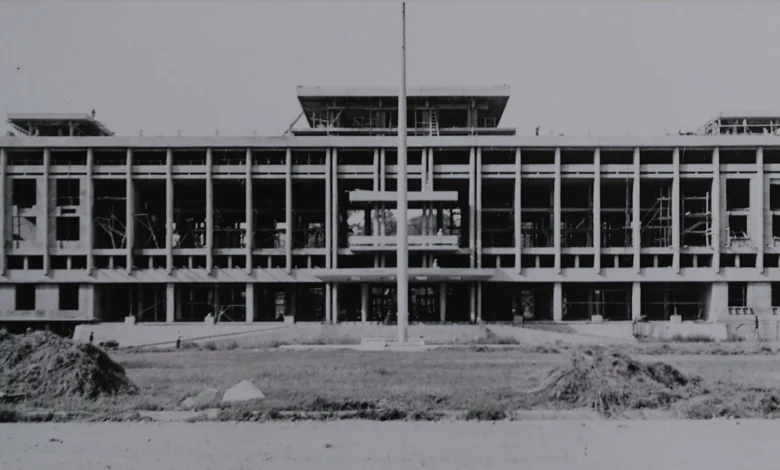
The construction phase, which lasted from 1962 to 1966, took place against a backdrop of extreme political instability. The project began on July 1, 1962, but was interrupted by the coup d’état on November 2, 1963, which resulted in the assassination of President Ngo Dinh Diem.
Despite the change in leadership, construction continued under the subsequent administration. The building was finally inaugurated on October 31, 1966, by President Nguyen Van Thieu. The palace served as the administrative and residential hub for the leadership of the Republic of Vietnam until the fall of Saigon on April 30, 1975. The image of the tanks of the liberation forces entering the gates and the flag of the National Liberation Front being raised on the roof remains an enduring symbol of the conclusion of the Vietnam War.
The Exhibition: Preserving Architectural Heritage
The current exhibition, which opened on October 28, 2026, is structured into four distinct segments: the architectural vision, the construction process, the linguistic and cultural symbolism embedded in the design, and the site’s status as a contemporary historical monument.
For historians and architecture enthusiasts, the collection of original blueprints is perhaps the most significant highlight. These documents reveal the technical precision and the collaborative effort required to realize such a massive project. Architect Ngo Viet Thu’s work has been praised globally; his recognition as an Honorary Fellow of the American Institute of Architects in 1962 underscores the international regard for his contribution to modern architecture.

Historical Significance and Modern Implications
Since being recognized as a Special National Monument in 1976, the Independence Palace has evolved from a seat of power into one of the most visited cultural landmarks in Vietnam. It is currently managed by the Reunification Hall, an agency under the Office of the Government.
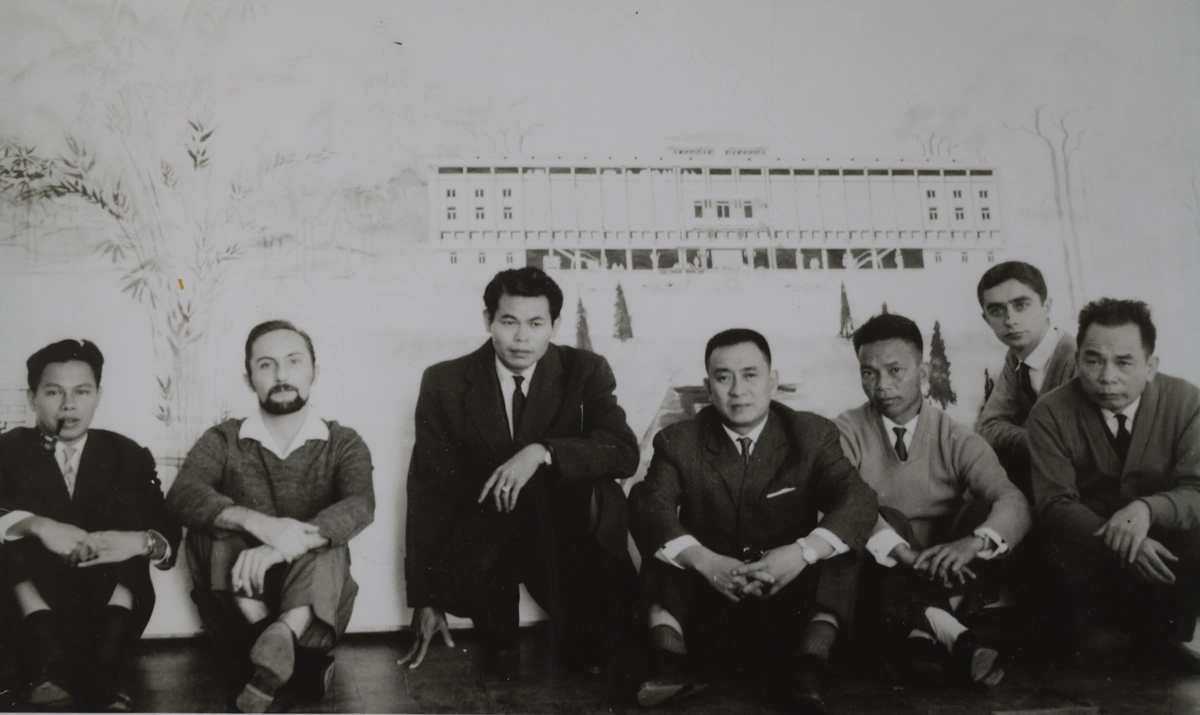
The significance of the 60th-anniversary exhibition lies not only in the celebration of the architecture itself but in the scholarly effort to preserve the narrative of its creation. By displaying previously unseen sketches, the exhibition invites the public to view the palace as a product of creative ingenuity rather than just a political theater. It serves as a reminder of the intersection between artistic ambition and the volatile nature of 20th-century geopolitical history.
Visitor Information and Future Outlook
The "From Blueprints to Symbol" exhibition is scheduled to remain open for three months, concluding on January 28, 2027. The exhibition is open daily from 7:00 AM to 6:00 PM. Admission is set at 40,000 VND per person, providing an accessible opportunity for students, researchers, and tourists to engage with this segment of Vietnam’s national heritage.
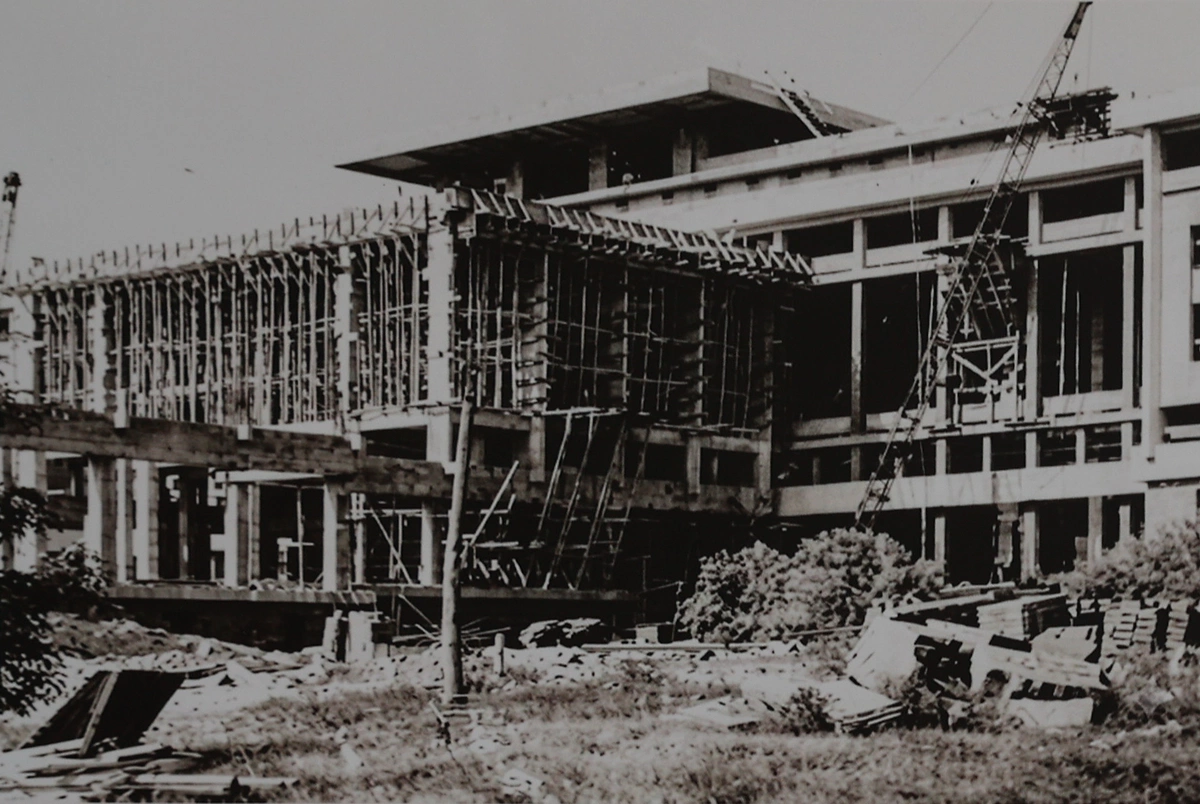
As Ho Chi Minh City continues to modernize, the preservation of the Independence Palace remains a priority for local authorities. The building stands as a physical bridge between the colonial era, the period of the Republic of Vietnam, and the contemporary unified state. Through initiatives like this anniversary exhibition, the curators aim to ensure that the architectural legacy of Ngo Viet Thu and the historical weight of the site are passed down to future generations, fostering a deeper understanding of the complex layers that constitute modern Vietnamese identity.
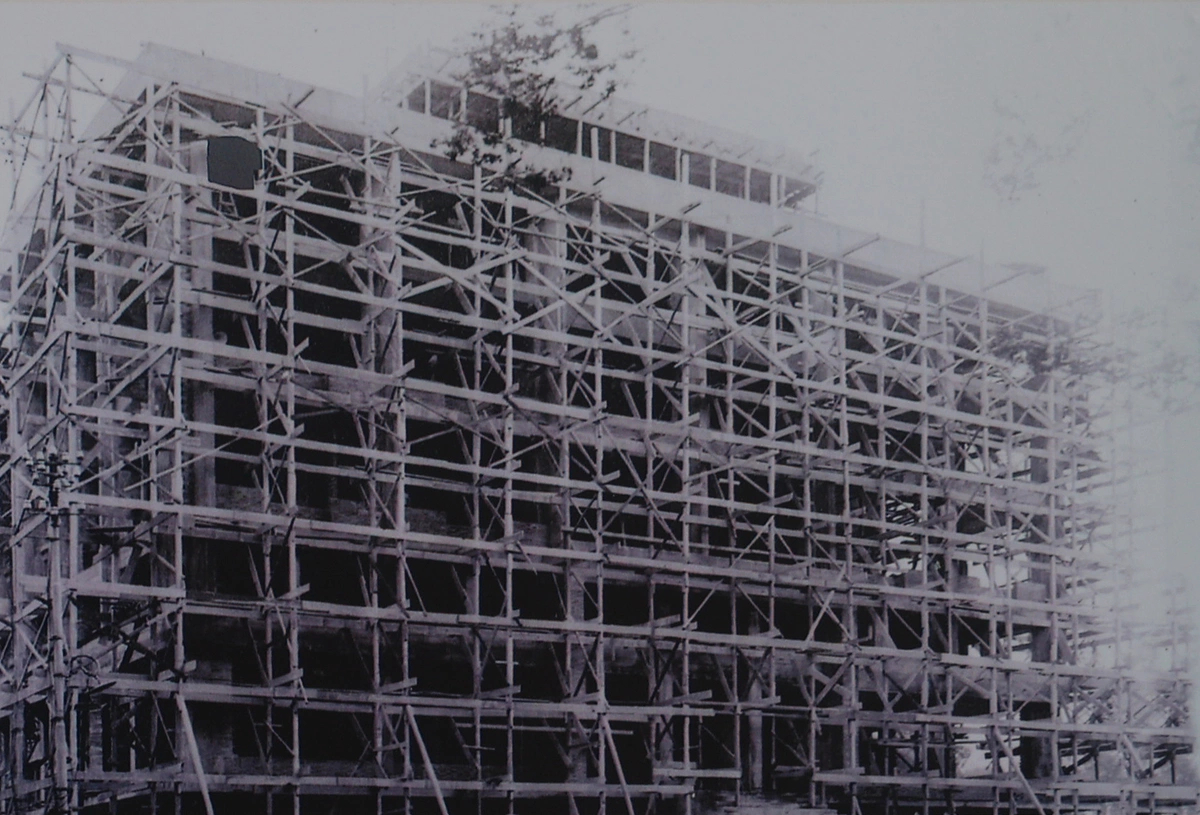
The enduring nature of the palace—both as a site of historical tragedy and a masterpiece of mid-century design—ensures that it will continue to be a focal point for both domestic and international discourse on the architectural and political evolution of Southeast Asia.