Firefighters rescue trapped man from residential blaze in deep alleyway on Au Co Street

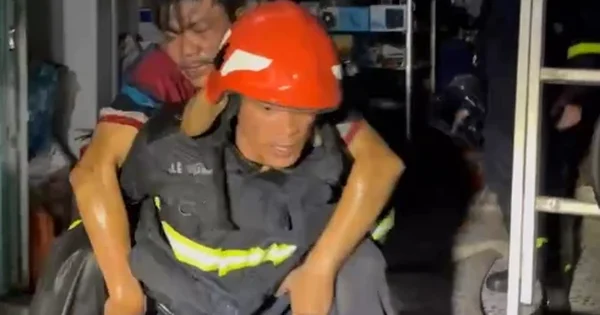
On the evening of November 9, 2026, a specialized fire and rescue unit from the Ho Chi Minh City Police Department successfully contained a residential fire located in a densely populated alleyway off Au Co Street, managing to rescue one trapped individual before the flames could spread to adjacent properties. The operation, which took place in Ward 11, highlights the ongoing challenges of urban fire safety in high-density areas of the city, where narrow infrastructure often complicates the deployment of emergency equipment.
Chronology of the Incident
The emergency response began at approximately 6:00 PM, following reports of thick smoke and flames emanating from a multi-story residence at number 79/30/7A Au Co Street. Recognizing the potential severity of a fire within such a confined urban layout, the Fire Prevention, Fighting, and Rescue Police Department (Area 11) immediately dispatched a task force comprising three specialized fire engines and 22 personnel to the scene.
According to official logs, the response was rapid. Firefighters reached the location within six minutes of receiving the alert. Upon arrival, the teams encountered a precarious situation: the fire had originated on the third floor of the residence, and an individual was reported trapped inside. The tactical priority was twofold: initiating immediate fire suppression efforts to prevent the vertical spread of the flames while simultaneously conducting a search-and-rescue operation to locate the occupant.
The intensity of the response allowed for the flames to be brought under control by 6:11 PM, with the fire being completely extinguished by 6:13 PM. This swift action ensured that the emergency lasted less than 15 minutes from the initial containment phase, a critical timeframe that likely prevented a broader catastrophe in the tightly packed neighborhood.
Successful Rescue Operation
During the suppression efforts, members of the rescue team navigated the hazardous environment to reach the interior of the smoke-filled building. They successfully located 58-year-old Luong Dai Ngoc, who had been trapped on an upper floor. The rescue team utilized specialized equipment to guide Mr. Ngoc to safety. He was immediately assessed by emergency medical personnel on-site, though no life-threatening injuries were reported.
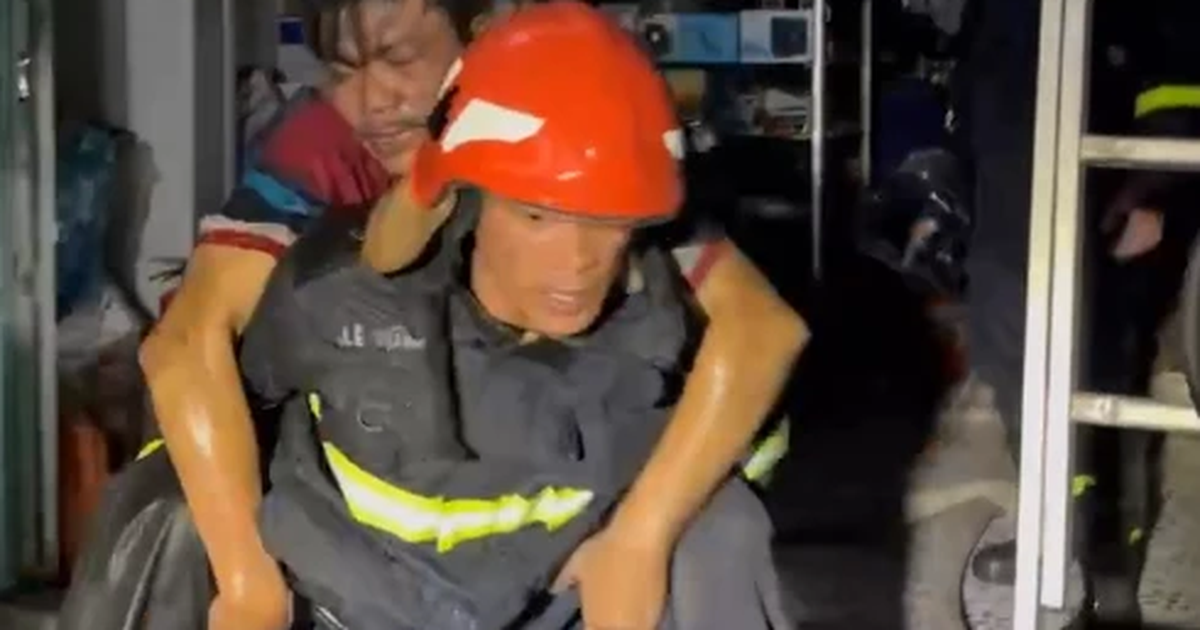
The efficiency of the rescue operation is being cited by local authorities as a testament to the specialized training currently being implemented across the city’s fire departments. By prioritizing the extraction of the victim while containing the fire to the third floor, the team minimized the risk of smoke inhalation and structural collapse, which are primary threats in such residential settings.
Analysis of the Impact and Structural Damage
Preliminary assessments conducted by the authorities indicate that the fire caused damage to approximately 4 square meters of the third floor. While the residence has a total floor area of 128 square meters, the rapid intervention successfully protected 124 square meters of the property. The fire consumed various household items, the total value of which is still being evaluated by the owners and relevant insurance adjusters.
The primary success of this operation was the prevention of fire propagation. In the narrow, interconnected alleys of Ho Chi Minh City, the risk of a "domino effect"—where fire spreads rapidly between residential units sharing walls or narrow ventilation shafts—is a constant concern. By containing the fire to the room of origin and the immediate floor space, the task force effectively shielded the neighboring households from damage, preventing what could have been a much larger-scale emergency.
Contextual Challenges: Urban Fire Safety in Ho Chi Minh City
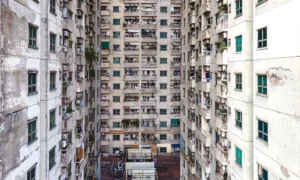
This incident is not an isolated event but rather part of a recurring pattern of emergency responses in Vietnam’s urban centers. Densely packed residential alleys, often referred to as "hem," present unique challenges for fire departments. These alleys are frequently too narrow for large-scale fire trucks to enter, requiring personnel to deploy long hoses from main roads or utilize smaller, specialized equipment.
The incident at Au Co Street highlights several critical factors regarding urban safety:
- Accessibility Constraints: In many of the city’s older residential areas, the lack of adequate space for emergency vehicles mandates that responders rely on high-speed tactical maneuvers and manual intervention. The six-minute response time achieved in this instance reflects the high level of coordination between local police and specialized fire units.
- Structural Hazards: Many homes in these districts are built with aging materials, and the addition of iron security cages (often used for burglary protection) can inadvertently turn a home into a "trap" during a fire. While specific details on the exit routes of this house were not disclosed, the fact that a victim was trapped underscores the importance of fire safety retrofitting and public awareness campaigns.
- Emergency Preparedness: The Ho Chi Minh City Police Department has recently intensified its training programs for fire and rescue personnel, focusing on rapid entry and smoke extraction techniques. These programs are designed specifically to address the unique geography of the city’s dense wards.
Official Responses and Ongoing Investigation
While the immediate danger has been mitigated, the cause of the fire remains under active investigation by the authorities. Forensic teams are currently examining the scene to determine if the ignition was caused by an electrical short circuit, faulty wiring, or accidental human error.

"The swift response of the Area 11 team was crucial in preventing a significant loss of life and property," a spokesperson for the local police department noted. "Our focus remains on determining the exact cause of the ignition to prevent similar occurrences in the neighborhood. We urge all residents in these densely populated areas to regularly check their electrical systems and ensure that there are multiple clear escape routes from their homes."
The authorities have also emphasized that, as the city approaches the end of the year, the risk of residential fires often increases due to higher electricity usage and the accumulation of flammable household materials. Public awareness campaigns, which include guidance on the proper installation of fire extinguishers and the dangers of overloading electrical grids, are expected to be ramped up in the coming weeks.
Broader Implications for Urban Policy
The incident serves as a stark reminder of the necessity for continued investment in urban infrastructure and safety equipment. As Ho Chi Minh City continues to grow, the tension between traditional residential architecture and modern safety standards remains a significant policy challenge.
The success of the intervention on November 9 provides a positive benchmark for the effectiveness of current emergency protocols. However, it also highlights the vulnerability of residents living in older, high-density structures. Policymakers are likely to use this case study to further advocate for stricter building inspections and the installation of local fire suppression systems in high-risk zones.
For the residents of the Au Co Street neighborhood, the event concludes with the fortunate outcome of a successful rescue. For the municipal authorities, it represents another tactical success in the ongoing, complex task of maintaining public safety within one of Southeast Asia’s most rapidly evolving urban landscapes. The investigation into the incident is expected to conclude within the coming days, at which point a final report on the cause and any recommended safety measures for the area will be made available to the public.
Related posts: