Doping Control Tests Administered to Vietnam’s Nguyen Dinh Bac and Le Pham Thanh Long Following FIFA ASEAN Cup 2026 Match Against Thailand

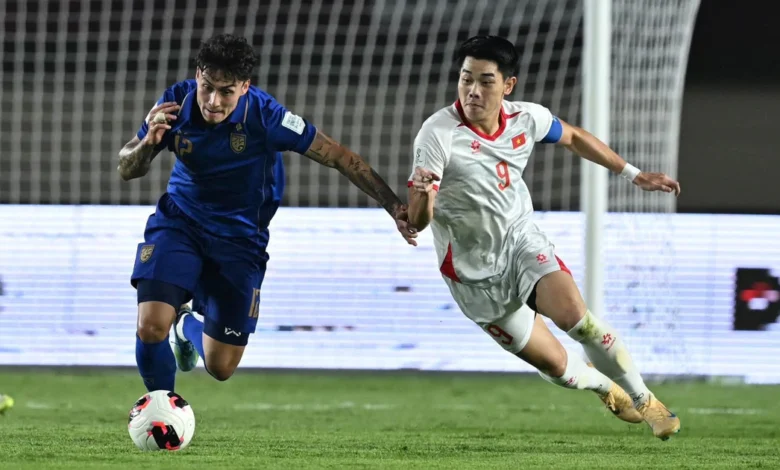
The conclusion of a high-stakes regional football clash often brings jubilation or heartbreak, but for Vietnamese national team forwards Nguyen Dinh Bac and midfielder Le Pham Thanh Long, the final whistle at the FIFA ASEAN Cup 2026 marked the beginning of an unexpected post-match obligation. Following a tightly contested Group B, Division 1 fixture against regional arch-rivals Thailand on September 29, 2026, both players were selected by tournament officials to undergo mandatory, random doping controls.
The procedure, conducted under the stringent protocols established by the Fédération Internationale de Football Association (FIFA) and the World Anti-Doping Agency (WADA), highlights the rigorous oversight governing modern international football competitions. While standard procedure for elite tournaments, the unexpected delay placed an additional physical and logistical burden on the two key players, who had already expended significant energy during the grueling 90-minute encounter at the Si Jalak Harupat Stadium in Bandung, Indonesia.
The Selection Process and Logistical Challenges
The match concluded at approximately 10:00 PM local time, delivering a disappointing 0-2 defeat for the Vietnamese squad under the tactical direction of head coach Kim Sang-sik. However, while the rest of the team completed their post-match routines and boarded the team bus back to the hotel, Nguyen Dinh Bac and Le Pham Thanh Long were immediately escorted to the stadium’s designated doping control station by tournament medical officials.
By 11:00 PM—an hour after the final whistle—the testing process was still ongoing. To accommodate the players and ensure their eventual return to the team hotel, tournament organizers and team staff arranged a dedicated seven-seater vehicle to remain stationed at the venue. Such logistical measures are routine in international fixtures, where selected athletes must remain under the direct supervision of anti-doping chaperones from the moment of notification until the required biological samples are successfully provided and sealed.
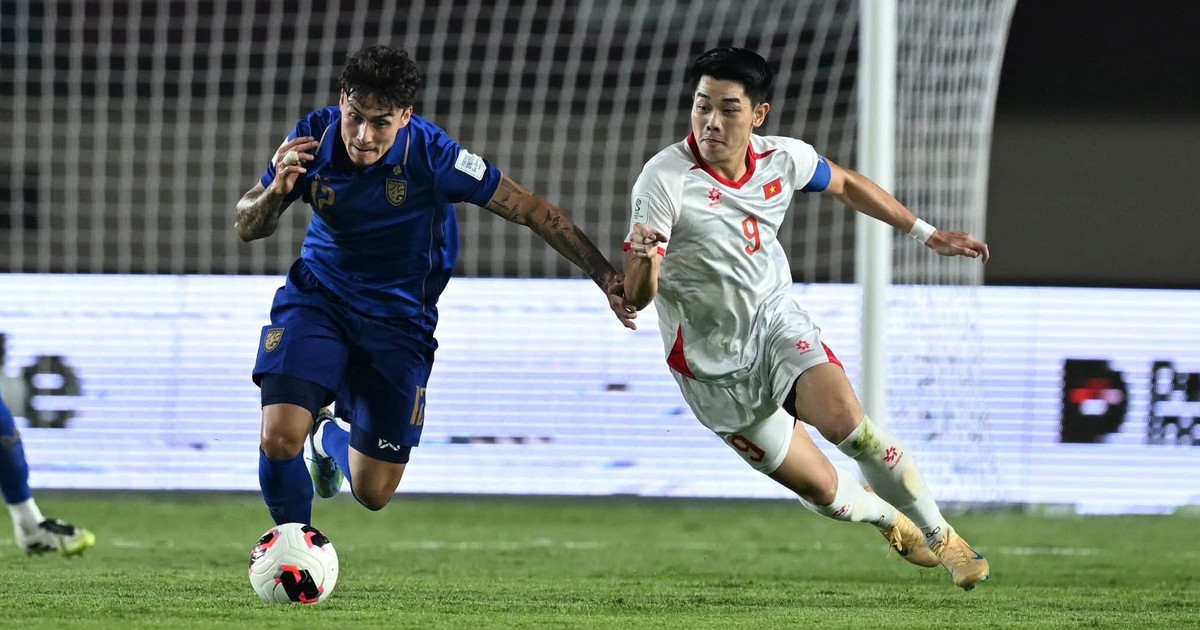
The physical toll of the match compounded the inconvenience of the late-night testing. Nguyen Dinh Bac played the entirety of the 90 minutes, tirelessly pressing the Thai defensive line and covering immense ground. Le Pham Thanh Long, a vital anchor in Vietnam’s midfield transition, was substituted in the 62nd minute after a high-intensity performance that required significant defensive contributions. Both athletes are considered central figures in coach Kim Sang-sik’s tactical framework, making the prolonged delay an exhausting conclusion to an already grueling evening.
Context and Precedent in the 2026 Tournament
Random anti-doping testing is a cornerstone of FIFA’s commitment to maintaining the integrity of the sport, ensuring fair play, and protecting the health of athletes. Selection for these tests is conducted entirely at random, typically involving a draw overseen by FIFA medical delegates immediately prior to or during the closing stages of a match.
This is not the first instance of Vietnamese players being subjected to such checks during the ongoing FIFA ASEAN Cup 2026 campaign. Following Vietnam’s narrow 1-0 victory over the Philippines on September 26—where Nguyen Dinh Bac scored the decisive match-winning goal—a similar random selection occurred. On that occasion, naturalized forward Nguyen Xuan Son and influential midfielder Nguyen Hoang Duc were designated for testing, despite Hoang Duc not featuring on the pitch during the match. The consistent application of these protocols across different fixtures underscores the tournament’s adherence to international anti-doping standards.
Tournament Background and the Road to Division 1
The FIFA ASEAN Cup 2026 represents a restructured and highly competitive iteration of Southeast Asia’s premier regional tournament, slotted directly into the official international FIFA Days calendar from September 24 to October 3, 2026.
Under the format unveiled by FIFA, the championship is divided into two distinct tiers: Division 1 and Division 2. All matches for the elite Division 1 tier are hosted in Indonesia, gathering the region’s top-performing national teams, while Division 2 fixtures are held concurrently in Hong Kong.
Vietnam was placed in a formidable Group B of Division 1, alongside regional powerhouses Thailand, the Philippines, and Pakistan. Meanwhile, Group A of Division 1 features host nation Indonesia, Myanmar, Malaysia, and Singapore. The group stage format demands peak physical conditioning, as teams play high-intensity matches in rapid succession, leaving little recovery time between fixtures.

Implications of the Defeat Against Thailand
The 0-2 defeat to Thailand dealt a severe blow to Vietnam’s aspirations of reaching the tournament final. Having opened their campaign with a hard-fought 1-0 win over the Philippines—propelled by a stellar performance and the lone goal from Nguyen Dinh Bac, who logged a full 90 minutes alongside Le Pham Thanh Long, who exited in the 87th minute—the Golden Star Warriors entered the clash with Thailand harboring high ambitions.
However, the loss to the Thai side, combined with the earlier dynamics of the group, mathematically eliminated head coach Kim Sang-sik’s squad from contention for the championship title match. The team’s immediate focus has now shifted to the final group fixture against Pakistan, scheduled for October 2 at 4:00 PM, where a podium finish and third place in the division remain at stake.
The absence of key personnel due to injuries, tactical adjustments, or fatigue has compounded challenges for the coaching staff. Notably, the team has had to manage squad depth carefully, particularly given the absence of attacking focal points like Nguyen Xuan Son in certain tactical phases, which experts note significantly alters the team’s offensive pressure and fluidity in the final third.
Anti-Doping Protocols in Modern Football
The procedures experienced by Dinh Bac and Thanh Long are reflective of a global standard managed by the World Anti-Doping Agency (WADA) and implemented locally by confederations and international federations like FIFA. Registered Testing Pools (RTP) and match-day targeted or random testing programs are designed to detect prohibited substances, masking agents, and blood-boosting methods.
Athletes selected for testing are accompanied by a trained chaperone from the moment of notification. They must report to the doping control station without delay, though allowances are made for media obligations, cool-down exercises, and medical treatment, provided the athlete remains under constant observation. The process involves providing both urine and, in some specialized cases, blood samples, which are then divided into "A" and "B" bottles, sealed in the presence of the athlete, and dispatched to a WADA-accredited laboratory for analysis.
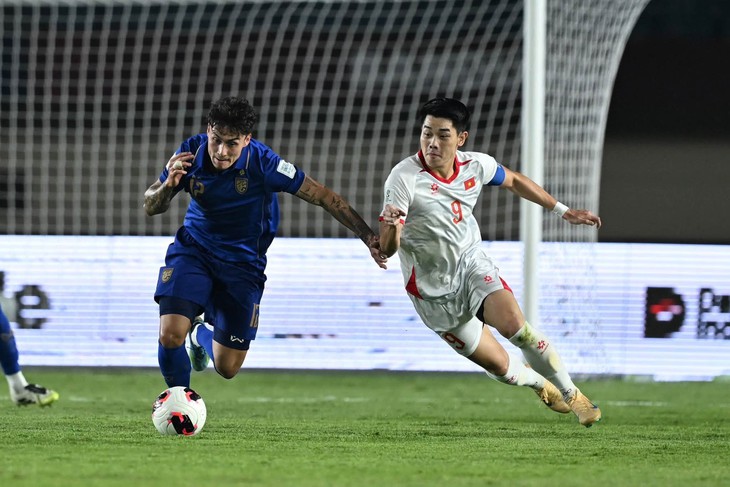
While the vast majority of such tests return negative results and serve merely as a administrative formality, the psychological and physical burden on players competing in high-profile international tournaments cannot be understated. Completing a draining 90-minute derby match under intense humidity, only to spend late-night hours in a testing facility before traveling back to the hotel, demands immense resilience.
Looking Ahead: The Final Group Fixture
As the delegation regroups in Bandung, the immediate priority for the medical and coaching staff is player recovery. With the match against Pakistan looming on October 2, physical restoration takes precedence over tactical drills. The prompt and professional cooperation of Nguyen Dinh Bac and Le Pham Thanh Long with the anti-doping officials ensures that any bureaucratic hurdles are cleared, allowing the players to refocus entirely on finishing their campaign on a positive note.
The FIFA ASEAN Cup 2026 continues to serve as a crucial barometer for Southeast Asian football, testing not only the technical and tactical capabilities of the participating nations but also their logistical adaptability and the mental fortitude of their elite athletes under intense continental scrutiny.