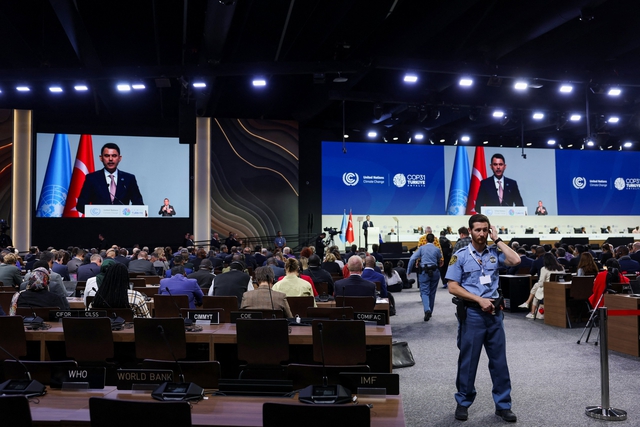
The COP31 climate summit officially commenced on November 9, 2026, in the Mediterranean coastal city of Antalya, Turkey, marking the beginning of a critical two-week window for global climate policy. As delegates from nearly 200 nations gather, the event is shadowed by an urgent declaration from the United Nations and the World Meteorological Organization (WMO), which have formally characterized the current global climate landscape as a "new era of extreme weather." With global temperatures consistently shattering historical records, the international community faces mounting pressure to transition from aspirational targets to tangible, binding legislative action.
A Stark Warning from the UN
United Nations Secretary-General Antonio Guterres delivered a sobering keynote address at the opening ceremony, emphasizing that the planet has entered a period of unprecedented volatility. "We are stepping into a new era of extreme weather," Guterres stated. "Climate records are being broken continuously, and the human cost is rising exponentially. Those least responsible for this crisis are, ironically, the ones suffering the most severe and immediate consequences."
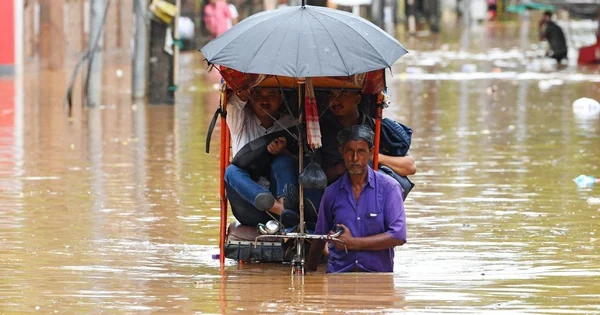
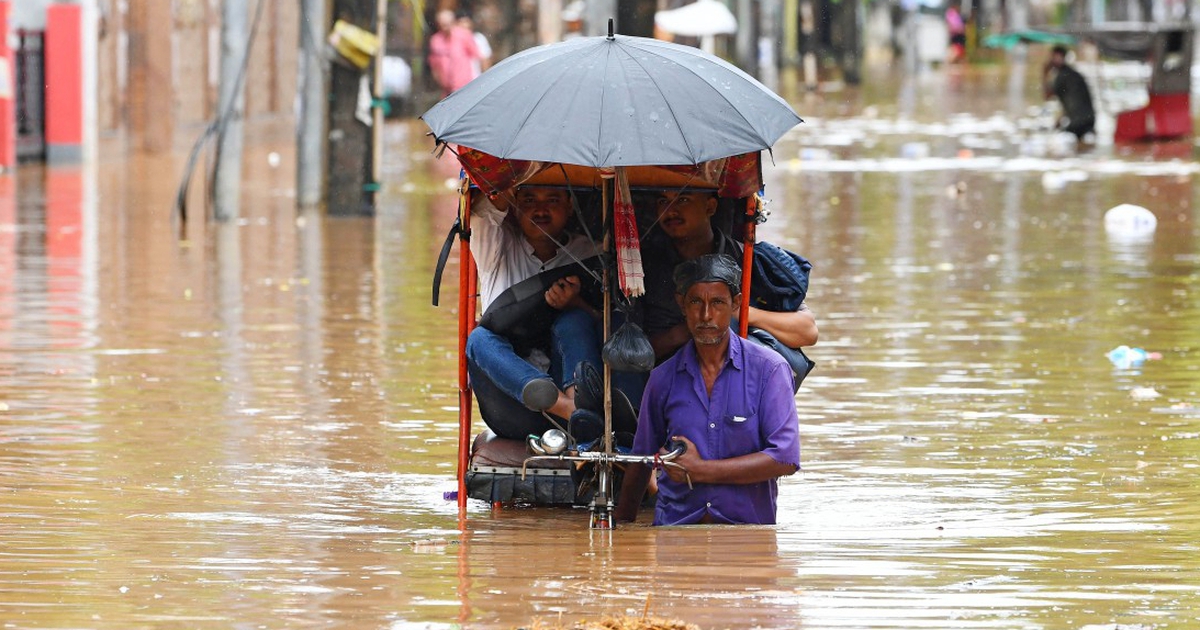
Guterres’s remarks serve as a direct challenge to the political leaders in attendance, urging a rapid shift away from fossil fuel reliance toward renewable energy sources. He specifically called for robust financial commitments to support vulnerable nations that lack the infrastructure to withstand the increasing frequency of climate-driven disasters, ranging from prolonged droughts to catastrophic flooding.
Chronology of the Climate Crisis: The Road to COP31
The urgency surrounding COP31 is not arbitrary; it is the culmination of years of scientific warnings and escalating environmental instability.
- 2015: The Paris Agreement set the goal of limiting global warming to well below 2 degrees Celsius, preferably 1.5 degrees, compared to pre-industrial levels.
- 2020-2023: A period characterized by rapid acceleration in global sea-level rise and the increasing frequency of "once-in-a-century" weather events.
- 2025: WMO reports confirmed that the volume of water lost to glacial melting per second was equivalent to filling five Olympic-sized swimming pools.
- September 2026: Scientific data indicated that global surface temperatures from January to September were approximately 1.47 degrees Celsius higher than pre-industrial averages.
- November 9, 2026: COP31 officially opens in Antalya, Turkey, with a focus on accelerating decarbonization of the global economy by 2035.
Data-Driven Reality: The Impact of El Nino and Rising Temperatures
The WMO’s latest findings, presented to coincide with the opening of the summit, provide the statistical backbone for the summit’s high-stakes agenda. Secretary-General of the WMO, Celeste Saulo, highlighted that the current El Nino phenomenon—the strongest observed since 1950—is a major contributor to the current heat surge. The combined effect of human-induced climate change and the cyclical intensity of El Nino is pushing global temperatures to unprecedented levels.
Current projections suggest that 2026 is on track to be one of the four hottest years in recorded history. Furthermore, there is a significant risk that, fueled by these climatic conditions, 2027 could shatter even more records. The physical evidence is manifesting in real-time, with sea levels rising at an accelerated rate due to the rapid melting of polar ice caps and glaciers, threatening coastal regions and island nations with permanent inundation.
The Turkish Presidency’s Agenda: A Push for 2035
Murat Kurum, the President of COP31, has centered the Turkish presidency’s agenda on an ambitious goal: the decarbonization of more than one-third of the global economy by 2035. This represents a significant increase from the current global level of roughly one-fifth.
"Our goal is to deliver tangible results that move beyond the rhetoric of previous summits," Kurum remarked during his opening address. The Turkish-led framework focuses on three pillars:
- Energy Efficiency in Urban Infrastructure: Implementing strict standards for new construction to minimize energy consumption.
- Green Public Transportation: Investing in electric and low-emission mass transit systems to reduce the carbon footprint of rapidly growing urban populations.
- Sustainable Job Creation: Transitioning the labor force from traditional energy-intensive sectors to the burgeoning green economy, ensuring that the shift to sustainability does not result in systemic unemployment.
Global Response and Institutional Shifts
While the rhetoric at the summit is dire, there have been some positive indicators regarding international preparedness. The WMO noted a significant improvement in the global implementation of "early warning systems." In 2015, only 55 countries had advanced disaster warning systems in place; by the end of 2025, that number had surged to 136. This expansion has proven vital in reducing the loss of life and property during extreme weather events, though it remains only a mitigation tool rather than a solution to the underlying warming trend.

However, the skepticism remains palpable among civil society groups and international NGOs present in Antalya. Many argue that the transition to green energy is happening at a pace that is far too slow to meet the 1.5-degree threshold. Activists are calling for an immediate end to new fossil fuel exploration and a mandatory "loss and damage" fund that is fully financed by the world’s largest polluters.
Economic and Geopolitical Implications
The economic implications of COP31 are vast. For many developing nations, the summit is a fight for economic survival. The cost of adapting to a changing climate—investing in seawalls, drought-resistant agriculture, and resilient energy grids—is becoming prohibitive. Without significant financial support from developed economies, these nations face the prospect of "climate debt," where they are forced to borrow heavily to recover from disasters they did not cause.
From a geopolitical standpoint, the summit highlights a deepening divide between nations that have historically benefited from fossil fuel-driven growth and those that bear the brunt of the environmental fallout. Turkey’s role as host is particularly significant, as it occupies a strategic position between Europe, Asia, and the Middle East, making it a critical hub for energy transit and regional cooperation.
Analysis: Can COP31 Deliver?
The success of COP31 will likely be measured by the strength of the agreements reached regarding the 2035 decarbonization target. While the science is indisputable, the political will remains the primary hurdle. Past summits have often been criticized for "greenwashing" or failing to enforce accountability mechanisms.
If COP31 is to be viewed as a success, it must produce more than just a declaration of intent. It requires:
- Binding Commitments: Clear, measurable pathways for nations to reduce their carbon output annually.
- Financial Accountability: A transparent mechanism for the delivery of climate funds to the Global South.
- Technology Transfer: A commitment to share green technology freely to allow developing nations to "leapfrog" fossil-fuel-heavy development stages.
As the delegates begin their negotiations, the backdrop of record-breaking heat and the relentless, visible melting of the world’s cryosphere serves as a constant reminder of the stakes. The world is no longer dealing with a distant future threat; it is managing a present-day crisis. The "new era" described by the UN is already here, and the outcome of the next two weeks in Antalya may well determine whether humanity can stabilize the climate or whether it must prepare for a future defined by perpetual adaptation to catastrophe.
The summit is scheduled to conclude on November 20, 2026. Until then, the eyes of the international community will be fixed on the halls of the Antalya conference center, waiting to see if the world’s leaders can find the unity required to address the most existential challenge of the 21st century.
Related posts: