GS.TS Dang Hung Vo Urges Comprehensive Compensation, Inflation Adjustment, and Accountability in Handling Muong Thanh’s 12 Violating Projects

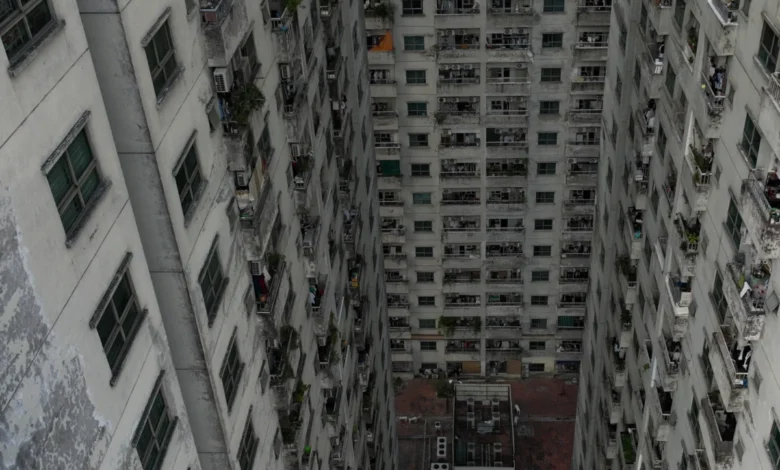
The resolution of long-standing systemic violations across 12 high-profile real estate developments associated with the Muong Thanh Group in Hanoi has entered a critical phase, drawing intense public and expert scrutiny. As local authorities formulate comprehensive relocation and remediation frameworks—notably affecting hundreds of apartments in areas like Kien Hung and Kim Van – Kim Lu—experts are calling for a strict adherence to the rule of law that places the rights, financial security, and living conditions of ordinary residents at the absolute center of public policy.
Among the leading voices in this discourse is Professor and Doctor Dang Hung Vo, former Deputy Minister of Natural Resources and Environment. According to Professor Vo, addressing structural irregularities within these controversial projects cannot be achieved solely through administrative penalties or localized demolitions. Instead, it requires a holistic paradigm that enforces rigorous accountability, factors in long-term economic inflation, and examines the administrative negligence of regulatory bodies during the initial authorization and construction phases.
Background and Context of the Muong Thanh Violations
The unfolding situation stems from years of complex urban planning infractions, unauthorized architectural modifications, and regulatory oversights involving projects developed by private real estate tycoon Le Thanh Than’s enterprise ecosystem, widely recognized as the Muong Thanh Group. Over the past decade, numerous residential buildings, low-rise structures, and high-density apartment complexes across various districts in Hanoi became the subject of intense investigation due to severe deviations from approved master plans, building code violations, and failures to secure proper operational licenses or fire safety certifications.
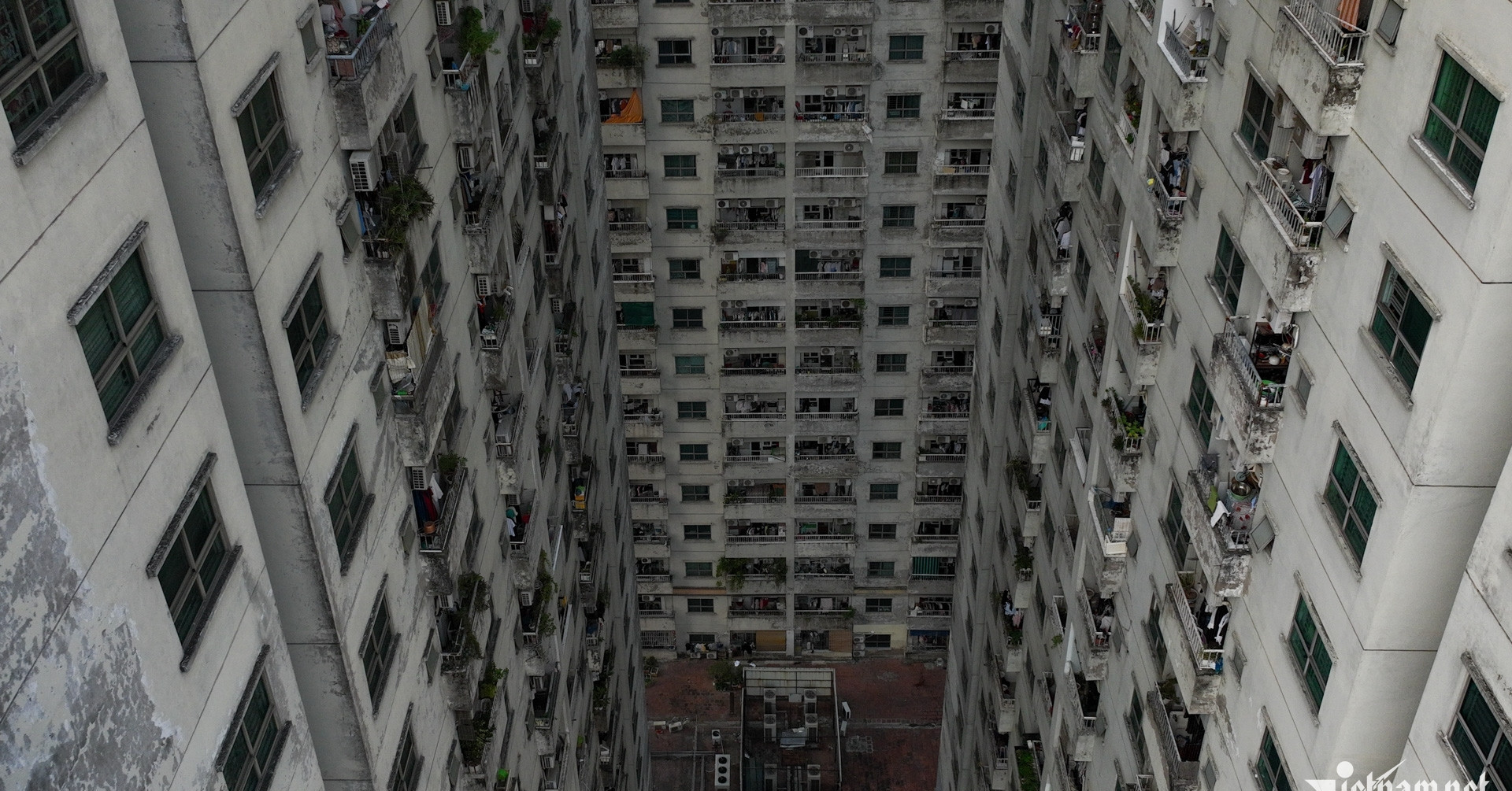
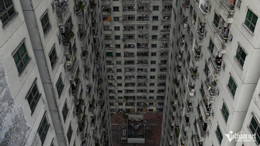
Among these, developments such as the CT6 Kien Hung project in Ha Dong District and the Kim Van – Kim Lu urban area in Dinh Cong Ward have emerged as primary focal points for municipal remediation. Recent administrative reviews indicate that hundreds of residential units and auxiliary structures within these zones face the prospect of mandatory relocation and eventual demolition. For residents who purchased these properties in good faith—often investing their life savings under the assumption that the transactions were entirely legal—the prospect of displacement represents a profound social and financial crisis.
Local government authorities, including the Hanoi People’s Council and district-level People’s Committees, have been tasked with formulating practical remedial roadmaps. These plans aim to balance urban order with humanitarian considerations, identifying affected units, classifying infractions, and proposing structured transition phases stretching through 2028. However, the fundamental challenge remains: how to equitably resolve the property rights of hundreds of innocent homeowners without imposing disproportionate burdens on the victims of unlawful commercial practices.
Prioritizing the Rule of Law and Investor Responsibility
Addressing the core principles of urban governance, Professor Dang Hung Vo emphasizes that the enforcement of legal frameworks must serve as the non-negotiable foundation of any corrective action. When private developers profit from the commercialization of residential units that subsequently breach legal standards, the primary burden of rectification must fall squarely upon the shoulders of those who generated the harm.
"We must establish the construction of a state governed by the rule of law as our absolute center," Professor Vo stated in an interview. "From that starting point, whoever causes a violation of the law must bear the responsibility of compensation."
In practice, this principle directly challenges the common defense raised by distressed or financially constrained developers who claim an inability to mobilize sufficient liquidity to indemnify thousands of affected buyers. Professor Vo firmly rejects financial hardship as a legitimate justification for evading statutory obligations. He argues that property developers must exhaust all available corporate mechanisms to secure compensation funds, including the direct liquidation of corporate assets, secondary real estate holdings, or private equity restructuring.
"Some people ask: ‘Where can we find so much money to compensate everyone adequately?’" Professor Vo noted. "I maintain that the rights of the citizens must be guaranteed. The investor must mobilize resources directly, and if necessary, developers must sell their own assets to fulfill their legal responsibility to compensate."
Factoring in Inflation and Economic Realities
A central pillar of Professor Vo’s expert recommendations involves the methodology of financial restitution. When dealing with residential units subject to mandatory relocation, municipal authorities and developers must engage in direct, transparent dialogues with affected buyers to establish personalized choices: whether to accept financial restitution or to receive alternative, legally sound housing.
If homeowners opt for monetary compensation, calculating payouts based strictly on the nominal purchase prices listed in contracts signed a decade ago is deemed fundamentally unjust. Real estate values, purchasing power, and the broader macroeconomic environment undergo profound transformations over extended periods. A monetary sum paid ten years ago does not accurately reflect the current replacement cost of housing in the urban market.
"A sum of money from ten years ago is entirely different from the same sum today," Professor Vo explained. "The value of money changes with time. Therefore, the remediation plan must not stop merely at the original nominal price of the apartment."
To protect citizens from severe economic degradation, Professor Vo advocates for a dynamic calculation model. Minimum compensation thresholds should be derived from original contract values but must explicitly incorporate a scientifically calculated adjustment for inflation, accounting for currency devaluation between the date of purchase and the final resolution. Furthermore, the broader economic, social, and psychological disruptions experienced by displaced families—including relocation costs, temporary rental expenses, and altered commuting patterns—must be integrated into a comprehensive compensation package.
Choice of Remedies: Alternative Housing and Legal Clarity
For residents opting for alternative housing rather than cash settlements, the relocation process demands meticulous administrative oversight. Relocation units provided by developers or local authorities—such as options proposed within the Thanh Ha urban area or alternative social housing complexes—must undergo rigorous verification regarding their legal status, construction permits, and long-term security of tenure.
"If they choose a replacement apartment, home buyers must be thoroughly briefed on the legal status and exact location," Professor Vo emphasized. "If they choose money, the compensation plan must factor in both depreciation and the practical, incidental costs generated by changing their place of residence."
This multi-faceted approach ensures that residents are not forced to trade one vulnerable legal status for another. Transparency regarding land-use rights, ownership certificates (pink books), and infrastructure readiness is vital to restoring public trust in the housing market.
Expanding Accountability: The Role of Regulatory Negligence
Beyond the immediate financial liabilities of the private developer, Professor Vo’s analysis underscores a critical dimension of public administration: the institutional and individual accountability of state officials who held supervisory authority during the period when the violations occurred.
The unauthorized construction of high-rise apartment complexes and massive structural deviations cannot occur overnight in a vacuum. They typically require years of active construction, utility connections, and public visibility. Consequently, the failure of regulatory bodies, local inspectorates, and municipal management agencies to detect, halt, or penalize these infractions at their inception represents a systemic administrative breakdown.
"We cannot simply handle the project owner while ignoring the individuals responsible for enforcing the law during that specific period," Professor Vo asserted. "We must clarify why the developer committed violations while persons with jurisdictional authority failed to discover, prevent, or address them. The review of official responsibility must be closely tied to the official duties of every agency and individual active during the years the project was constructed."
This perspective aligns with broader legal arguments raised by urban planners and legal experts across Vietnam, who contend that sustainable urban governance requires accountability to flow in two directions: holding private capital liable for commercial fraud and breaches, and holding public servants accountable for administrative negligence or dereliction of duty.
Chronology of Remediation and Local Implementation Roadmaps
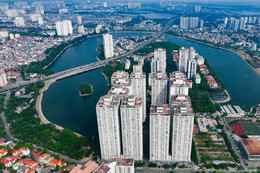
The practical application of these principles is currently unfolding through municipal recovery frameworks, particularly in districts managing high-density infractions. A notable example is the operational roadmap designed for the Kim Van – Kim Lu urban area in Dinh Cong Ward, which addresses 246 apartments distributed across four high-rise buildings: CT11, CT12A, CT12B, and CT12C.
To address these violations, local authorities have structured a multi-tiered remediation plan consisting of several distinct options for affected residents:
- Direct Financial Settlement: Developers negotiate and disburse direct monetary compensation alongside relocation support expenses.
- In-Kind Property Replacement: Provision of comparable, legally compliant residential units within alternative developments, such as the Thanh Ha Urban Area, for households expressing that preference.
- Self-Managed Relocation: Homeowners receive financial compensation and independently arrange their long-term permanent housing.
- Social Housing Integration: Residents receive financial payouts combined with priority registration to purchase or lease approved social housing units under established regulatory mechanisms.
The implementation schedule is structured across three distinct phases, culminating in a projected relocation timeline spanning 2027 to 2028. This final stage involves the physical relocation of residents and the partial dismantling of unauthorized structures or architectural elements that violate approved master plans.
To ensure community wellbeing, municipal guidelines dictate that land areas cleared following successful relocation must be prioritized for public utilities, green spaces, community infrastructure, and urban amenities that directly benefit the surrounding neighborhood.
Broader Implications for Vietnam’s Real Estate Market
The ongoing resolution of the Muong Thanh portfolio represents a watershed moment for Vietnam’s rapidly modernizing real estate sector. For years, rapid urbanization often outpaced regulatory enforcement, leaving gaps that opportunistic developers could exploit at the expense of consumer safety and urban planning integrity.
By establishing precedents that mandate inflation-adjusted compensation, rigorous asset liquidation for non-compliant developers, and parallel investigations into administrative oversight, the handling of these 12 projects will likely redefine standards for corporate governance and municipal administration nationwide. Legal experts and policymakers alike note that solutions cannot be delayed indefinitely without compounding the social cost borne by citizens.
Ultimately, the integration of expert recommendations from figures like Professor Dang Hung Vo signals a shift toward a more mature, consumer-centric legal environment—one where the supremacy of the law, the protection of innocent citizens, and institutional accountability form the bedrock of sustainable urban development.