As the automotive market enters the final quarter of 2026, the Vietnamese vehicle sector is witnessing an aggressive wave of price adjustments, particularly within the competitive B-segment SUV category. Dealerships and manufacturers across the country are deploying a variety of financial incentives—ranging from direct price slashes and registration fee subsidies to interest-rate support and comprehensive service packages—in a concerted effort to clear year-end inventory and stimulate consumer demand. This trend represents a strategic pivot for brands aiming to meet annual sales targets while preparing for the introduction of updated 2026-2027 lineups.
The Dynamics of Year-End Market Volatility
Historically, November and December mark the most intense period for automotive retail in Vietnam. Dealers often face significant pressure to liquidate "aged" inventory, specifically vehicles manufactured in the previous year (VIN 2024). By offloading these units, dealerships improve their capital liquidity and optimize floor space for newer, incoming models.
For the savvy consumer, this creates a unique window of opportunity. However, market analysts caution that the "discounted price" advertised is rarely a flat reduction in the MSRP (Manufacturer’s Suggested Retail Price). Instead, it is often a composite figure derived from a combination of direct cash discounts, waived registration fees, and bundled service vouchers. Consequently, customers are advised to perform a rigorous "conversion calculation" to understand the net benefit of these promotions before committing to a purchase.
Subaru Crosstrek Leads with Substantial Reductions
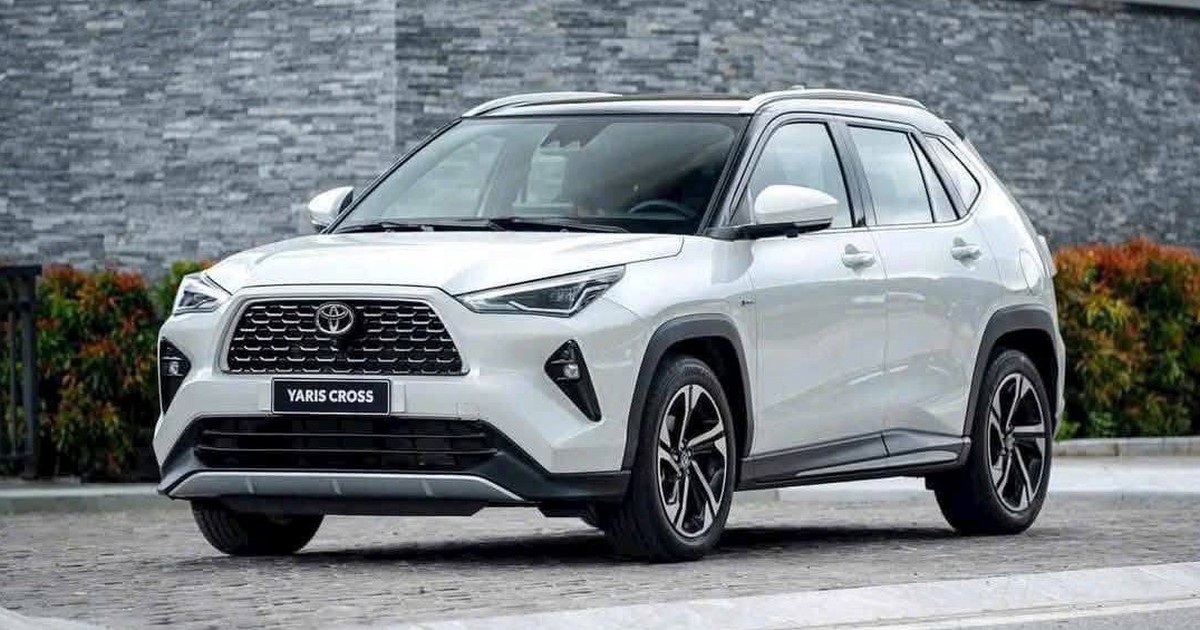
The most aggressive price movement currently observed in the market involves the Subaru Crosstrek. As a niche, premium-oriented B-segment SUV, the model has seen drastic price corrections, particularly for its 2024 production run.
Data from major dealerships indicates that the Crosstrek 2.0 i-S EyeSight gasoline version has seen a reduction of 289 million VND, bringing its price down from 1.098 billion VND to 809 million VND. Even more significant is the 329-million-VND discount applied to the 2.0 i-S EyeSight e-Boxer Hybrid variant, which now sits at 939 million VND compared to its original 1.268 billion VND sticker price.
While newer VIN 2025 models are also seeing incentives, the discounts are more modest—ranging from 209 million to 269 million VND—reflecting a tiered approach to inventory management. Industry experts note that despite these deep cuts, the Crosstrek remains at a higher price point than mass-market rivals, positioning it as a premium choice for buyers prioritizing Subaru’s signature symmetrical all-wheel-drive system and safety technology.
Honda HR-V and Skoda Kushaq: Mid-Market Competitive Pressures
In the broader segment, the Honda HR-V and the European-engineered Skoda Kushaq are fighting for market share through comprehensive incentive packages. Honda’s strategy centers on the "G" version, which currently offers a total package value of 113 million VND. This includes a combination of registration fee support, direct cash reductions, and accessory gifts. When these incentives are fully converted to cash, the effective price for the HR-V G drops to approximately 556 million VND. Other trims, such as the HR-V L and the e:HEV RS, are also receiving support, albeit at lower levels (42 million to 59 million VND), keeping them competitive in a crowded field.
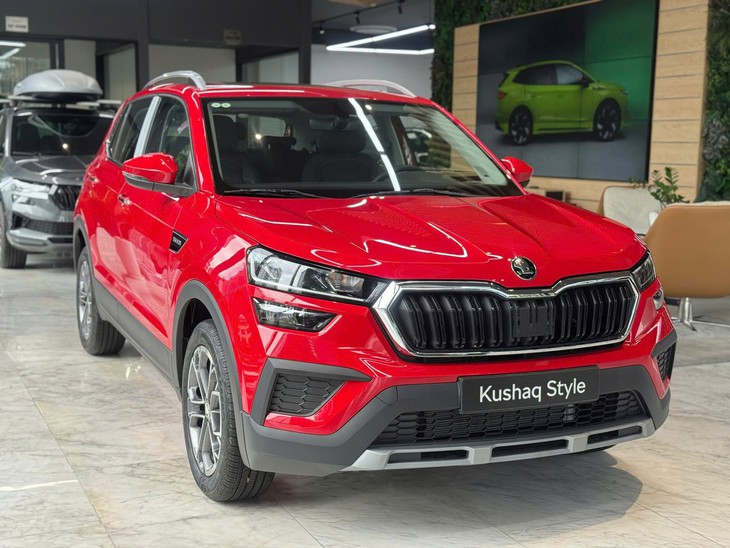
Skoda, meanwhile, is leveraging its European brand identity to capture buyers looking for a distinct driving experience. The Kushaq, a compact SUV known for its solid build quality, is being offered with incentive packages totaling up to 115 million VND. By combining registration subsidies of 60–65 million VND with additional dealer-level cash discounts or maintenance service credits, the entry-level price for the Kushaq Ambition can effectively fall below 500 million VND, making it a compelling alternative to Japanese and Korean domestic offerings.
The Rise of Chinese SUV Value Propositions
Perhaps the most disruptive segment in the current market is the influx of Chinese-manufactured SUVs, which are redefining the entry-level price floor. Brands such as Omoda and Jaecoo are leveraging aggressive pricing to gain a foothold in the Vietnamese market.
The Omoda C5 Luxury, for example, has seen its effective price drop to approximately 459 million VND after factoring in all promotional incentives. This is complemented by aggressive financing options, including 0% interest rates for the first 12 months, which significantly lowers the barrier to entry for first-time car buyers. Other variants, such as the Omoda C5 SHS-H hybrid and the Jaecoo J5 line, are receiving similar support, with hybrid models seeing effective prices drop significantly to stay within the 600–700 million VND range.
Broad Market Trends: Toyota, Mitsubishi, and Mazda
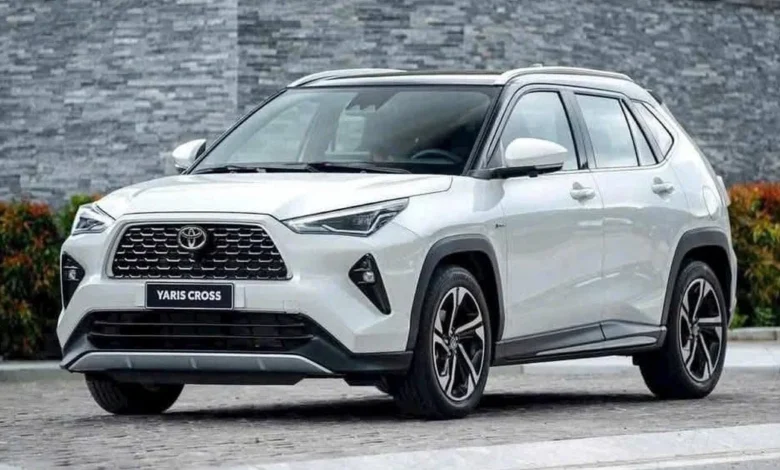
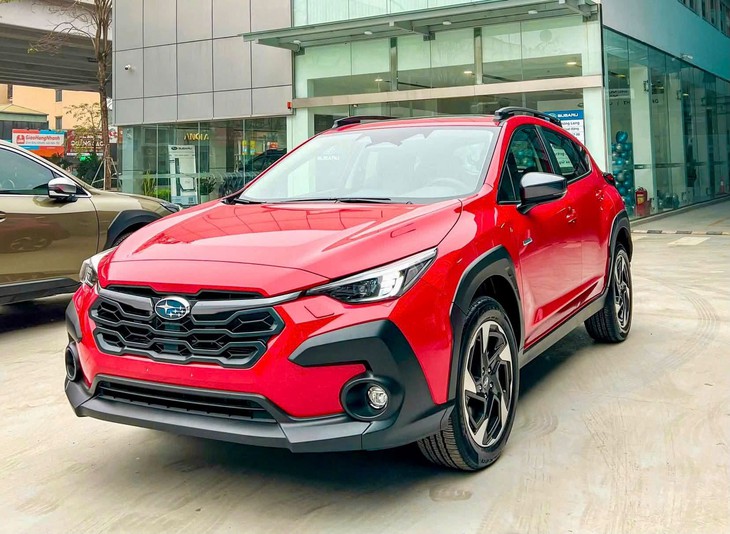
The competitive pressure has forced established giants to respond. Toyota’s Yaris Cross, a consistent bestseller in the segment, is currently being supported with incentives up to 74 million VND for its HEV hybrid version, bringing the price down to roughly 659 million VND. The gasoline version is similarly discounted, keeping the price gap between the two variants narrow and encouraging buyers to consider the more fuel-efficient hybrid option.

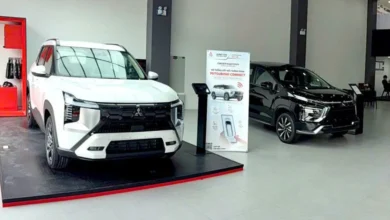
Mitsubishi has entered the fray with the Xforce, offering to cover 100% of registration fees across all three trim levels. This translates to an effective discount of 60 to 72 million VND depending on the variant, positioning the Xforce as one of the most value-for-money options in the B-SUV segment. Mazda’s CX-30, imported from Thailand, is also participating in the price war with discounts ranging from 40 to 60 million VND, ensuring its presence remains relevant against the influx of newer, locally assembled, or highly discounted competitors.
Market Implications and Future Outlook
The current volatility in pricing is indicative of a market shifting toward a "buyer’s advantage." However, this landscape carries inherent risks for consumers. The primary concern is the potential impact on vehicle resale value. Deep discounts on new cars can lead to a rapid depreciation curve for existing owners. Furthermore, the reliance on "VIN 2024" inventory suggests that the market is still struggling with the overhang of supply built up during slower economic periods.
From an industry perspective, the aggressive discounting suggests that automakers are prioritizing market share over profit margins to ensure they remain relevant for the 2027 fiscal year. As these brands continue to dump stock, the long-term impact on dealership health remains to be seen. Smaller, independent dealerships may struggle to maintain these levels of support without direct backing from manufacturers.
Expert Advice for Prospective Buyers
For those looking to capitalize on this year-end surge, financial analysts and automotive experts emphasize a checklist of prudent steps:
- Differentiate Cash vs. Perks: Always request a breakdown of the "total promotion value." Clarify how much of the incentive is direct cash-off-invoice versus value-added services like maintenance or accessories.
- Verify Production Year: Ensure the VIN (Vehicle Identification Number) matches the production year promised by the dealer. A 2024 model, while heavily discounted, will have a different depreciation profile compared to a 2025 unit.
- Inspect Inventory Status: Ask about the history of the vehicle. Is it a display model, or has it been sitting in an open-air yard for several months? Long-term storage can impact battery health and paint condition.
- Evaluate Financing Conditions: If a 0% interest rate is offered, verify the duration of this rate and the terms that apply once the promotional period expires. Often, the hidden costs are buried in the insurance requirements or the mandatory service contracts associated with the loan.
As November progresses into December, the intensity of these promotions is expected to peak. For the automotive industry in Vietnam, the remainder of 2026 will likely be defined by a race to the bottom in pricing, providing a brief but significant period of relief for consumers who have been waiting on the sidelines for the right entry point. Whether this strategy will lead to a sustainable recovery in 2027 or merely pull future demand forward remains a subject of intense debate among industry observers.