The Evolution of Apple Polishing Cloth: Design Adjustments, User Reception, and Market Implications

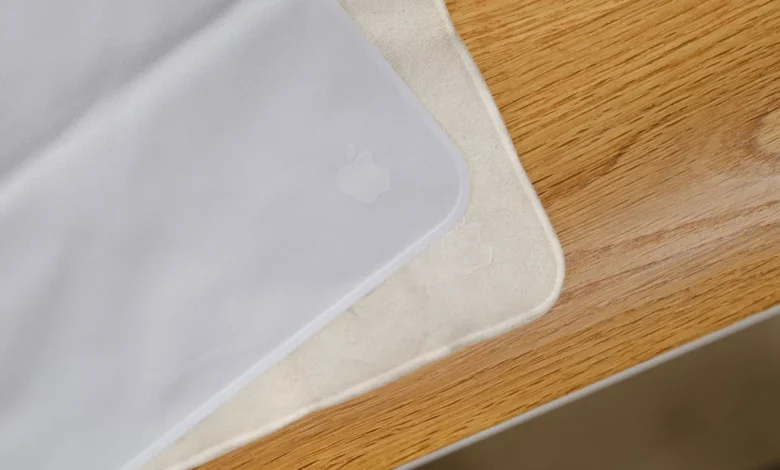
Apple’s understated entry into the high-end accessory market, specifically its custom microfiber polishing cloth, has once again captured the attention of consumers and tech commentators alike. Following the initial release of Apple’s specialized polishing cloth—a product that initially drew considerable media attention and consumer debate over its premium pricing—recent user reports and community discussions indicate that the technology giant has quietly introduced a revised version of the accessory. This updated iteration features subtle yet distinct modifications to its texture, thickness, color profile, and pricing strategy, reigniting conversations regarding Apple’s accessory ecosystem, material science in consumer electronics maintenance, and the broader implications of luxury branding for everyday utility items.

Background and Context of Apple’s Specialized Cleaning Accessory
When Apple first introduced its proprietary polishing cloth, the product was met with a mixture of amusement and skepticism. Priced at a level significantly higher than standard microfiber cloths available through third-party vendors, the accessory was marketed as a precision tool designed specifically for delicate glass surfaces, such as the nano-texture glass found on the Pro Display XDR and high-end iMacs, as well as the company’s extensive lineup of iPhones, iPads, and MacBooks.

Despite the initial skepticism, the product carved out a dedicated niche among consumers who prioritized manufacturer-approved maintenance tools for premium hardware. Over time, the discourse shifted from the novelty of a luxury cleaning cloth to practical evaluations of its cleaning efficacy, durability, and material composition. The release of a revised version marks a notable evolution in Apple’s approach to this niche product category, reflecting user feedback regarding tactile feel and performance while adjusting the commercial positioning of the item.

Design Changes and User Observations in the Revised Version
According to firsthand accounts shared within technology enthusiast communities, the newly released polishing cloth introduces several tangible differences compared to its predecessor. Most notably, the updated version is described as softer, thinner, and possessing a darker color tone than the original iteration. Furthermore, users have noted improvements in its lint-free performance and tactile handling.

The construction of the cloth appears to have undergone a structural modification, retaining a dual-layer design that enhances its durability while maintaining the delicate touch required for high-end displays. Early adopters comparing the new iteration to standard microfiber alternatives—such as those produced by third-party hardware manufacturers—have emphasized that the refined texture minimizes friction and reduces the risk of micro-abrasions on sensitive screen coatings. However, these minor design shifts have also prompted lighthearted speculation and commentary within online forums regarding compatibility across different hardware ecosystems, humorously questioning whether a proprietary Apple accessory might interact differently with non-Apple hardware, such as graphics cards or Windows-based systems.

Consumer Reactions and Community Discourse
The technology community’s response to the updated polishing cloth highlights a mixture of brand loyalty, pragmatic utility evaluation, and satirical commentary. Online discussions on platforms such as Tinhte have featured varied perspectives from long-time users of Apple accessories.

Some consumers praised the cloth’s enhanced softness and superior dust-removal capabilities, contrasting it favorably with generic textile alternatives found in retail markets. Others engaged in lighthearted banter, joking about exaggerated performance boosts or satirical scenarios involving future product integration—such as software-based recognition chips embedded within cleaning accessories to verify authenticity and prevent potential warranty complications. Despite the humor, these discussions underscore the unique cultural footprint that Apple accessories maintain within the broader consumer electronics landscape, where even a peripheral item like a cleaning cloth attracts meticulous scrutiny.

Market Implications and Industry Positioning
The introduction of a revised polishing cloth at a reportedly adjusted price point raises interesting questions about Apple’s accessory strategy and supply chain management. By refining the product’s material composition and potentially lowering the barrier to entry through price adjustments, Apple demonstrates a responsiveness to consumer feedback even within product categories traditionally viewed as novelty luxury items.

From an industry perspective, the market for device maintenance accessories remains highly fragmented, dominated by inexpensive generic alternatives on one end and specialized cleaning solutions on the other. Apple’s positioning within this space relies on the premise of guaranteed material safety for expensive displays. As manufacturers continue to employ advanced display technologies—such as nano-texture etching, anti-reflective coatings, and high-refresh-rate OLED panels—the demand for precise, non-abrasive cleaning tools is expected to grow.

Conclusion
Apple’s quiet rollout of the revised polishing cloth illustrates the company’s ongoing attention to detail, even for items positioned far from its core hardware lineup. While the product remains a subject of playful debate among tech enthusiasts regarding its cost-to-value ratio, the substantive material improvements—softer texture, reduced thickness, and optimized dual-layer construction—address practical user needs. As consumer hardware continues to advance in fragility and visual fidelity, the market for specialized maintenance accessories will likely remain a steady, if niche, component of the broader technology ecosystem.
Related posts: