Addressing Child Marriage and Teenage Pregnancy in Lao Cai: Challenges, Local Strategies, and Socio-Economic Implications

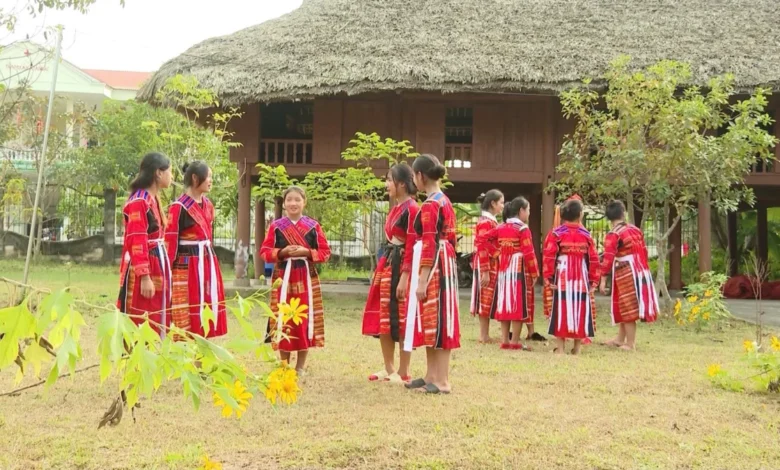
Lao Cai province, a mountainous and culturally diverse locality in northern Vietnam, is home to 34 distinct ethnic minority groups spread across 99 communes and wards. This rich cultural mosaic, combined with challenging topographical terrain, geographically isolated settlements, and disparities in access to information and education, creates a complex environment for public health campaigns. Among the most persistent social issues facing local authorities are child marriage, consanguineous unions, and adolescent pregnancy. While systematic interventions by local governments and health authorities have yielded notable progress, deep-rooted traditional customs, economic hardships, and evolving youth dynamics continue to pose significant challenges to sustainable development in the region.
Current Statistical Landscape and Demographic Realities
According to official health sector reports from Lao Cai province, approximately 56 active cases of child marriage have been documented. This total includes 14 instances involving underage grooms, 8 instances involving underage brides, and 34 cases where both partners were below the legal age of marriage at the time of union. Although direct cases of close-consanguineous marriages—marriages between blood relatives—have largely been contained through preemptive administrative interventions, the underlying risk remains latent across several remote communities. Furthermore, local administrations have successfully intervened and prevented 112 couples from proceeding with planned underage marriages.
Despite these preventative milestones, adolescent pregnancy remains a widespread concern. Data collected from the beginning of the year through late 2026 indicates that Lao Cai recorded 444 cases of girls under the age of 18 giving birth, accounting for approximately 6.9% of total live births in the province. A demographic breakdown reveals significant ethnic disparities: young mothers belonging to the Mong ethnic group account for 315 cases, representing 70.9% of the total; Dao ethnic teenagers comprise 14%; Tay adolescents account for 5%; while other ethnic minority groups make up the remaining percentage. These figures underscore the acute vulnerability of specific demographics and highlight the urgent need for targeted, culturally sensitive reproductive health interventions.
Grassroots Intervention and Local Governance Models
To combat these deeply entrenched social issues, local authorities across Lao Cai have adopted multifaceted strategies tailored to the specific vulnerabilities of their respective jurisdictions. In the tourist hub and surrounding mountainous wards of Sa Pa, rigorous monitoring during the first nine months of the year prevented any new registered child marriages or consanguineous unions. However, active screening by community health workers identified six high-risk cases of impending child marriages—five in Sa Pa ward and one in Suoi Ho ward. Local administrative bodies and grassroots organizations quickly deployed counseling teams to deter the unions.
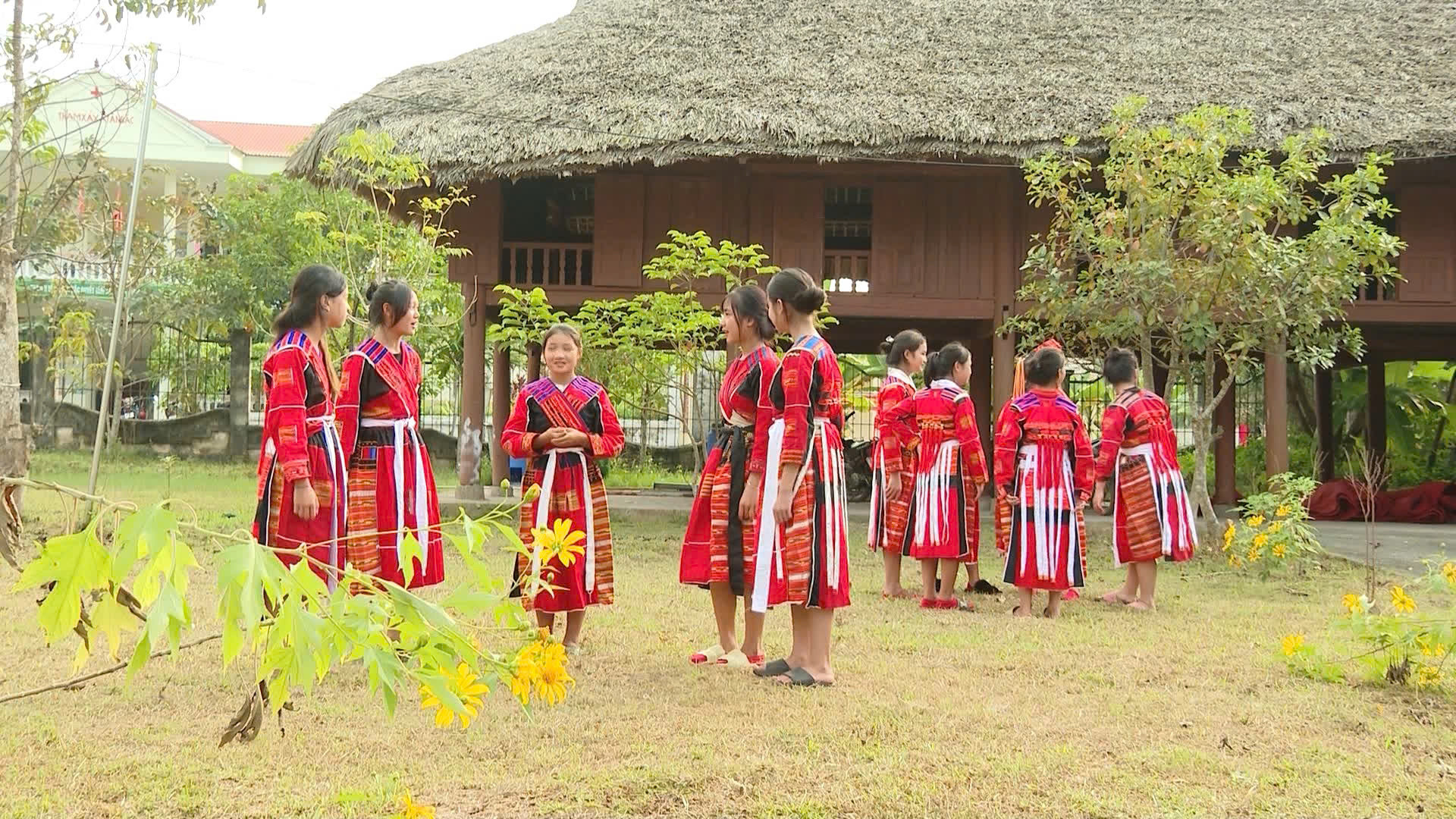
A more pressing challenge in Sa Pa has been the high rate of underage motherhood. In the first eight months of the year alone, the ward recorded 13 instances of girls under 18 giving birth, signaling that preventative education must begin much earlier in adolescence to identify and mitigate risks proactively.
A similar proactive approach has been implemented in Van Chan commune, where ethnic minority groups—predominantly Mong, Thai, Dao, and Tay—account for 67.3% of the total population across 20 remote villages. Van Chan authorities launched nine large-scale public forums focused on legal education, integrated messaging into regular village meetings, utilized loudspeaker broadcasting systems, and established dedicated communication channels through messaging applications managed by local socio-political organizations. Crucially, the commune launched 11 emulation models themed "Villages Free from Child Marriage."
Local leaders also leveraged the influence of respected community elders and village patriarchs, providing timely recognition and support to harness their social authority in persuading residents to abandon harmful traditional practices. As a direct result, Van Chan successfully suppressed consanguineous marriages and limited the number of child marriage cases to just one during the nine-month reporting period. Nevertheless, the commune still recorded 121 cases of girls under 18 giving birth, primarily in high-altitude villages where single motherhood remains prevalent due to limited health literacy, inadequate parental supervision, and lingering archaic customs.
Socio-Economic Drivers and the Role of Livelihood Security
In highland communes such as Hanh Phuc, where the Mong ethnic minority comprises roughly 53% of the population, child marriage and teenage pregnancy are closely tied to structural socio-economic vulnerabilities. Field observations indicate that these phenomena are not solely driven by cultural tradition, but are significantly exacerbated by poverty, the necessity for parents to travel far from home for migrant labor, and a subsequent lack of supervision during adolescence. Furthermore, high dropout rates among middle and high school students, combined with limited access to comprehensive sex education and reproductive health resources, create an environment where teenagers are more susceptible to early cohabitation.
Faced with these realities, local authorities in Hanh Phuc have established a definitive target: to completely eradicate child marriage and childbirth among girls under 18 across the territory before the year 2030. Officials have emphasized that pairing educational campaigns with livelihood security and poverty alleviation is fundamental to achieving a permanent solution.

Vocational training programs, preferential credit access, agricultural technology transfers, and production development initiatives are now systematically linked to low-income households and families with adolescents. By stabilizing household economies, parents gain the financial capacity to invest in their children’s formal education and vocational training, thereby reducing the economic pressure that often forces young people into premature marriages or early labor migration.
Institutional Accountability and Policy Enforcement
To ensure long-term compliance, Lao Cai province has integrated anti-child-marriage criteria into the annual evaluation and ranking systems for cadres, civil servants, and institutional leaders. Villages and administrative units where child marriages occur face downgrades in cultural family assessments and administrative standing.
Looking forward, local governments across Lao Cai plan to overhaul their communication strategies to focus more directly on teenagers, students, and parents. Planned measures include updating village regulations and local charters to explicitly penalize child marriage and underage childbearing, integrating these metrics into family cultural evaluations, and deploying mobile inspection teams to identify and intervene in informal cohabitations before legal and health consequences materialize. Through a combination of economic empowerment, educational outreach, and stringent legal enforcement, Lao Cai aims to secure a healthier, more sustainable future for its diverse younger generations.