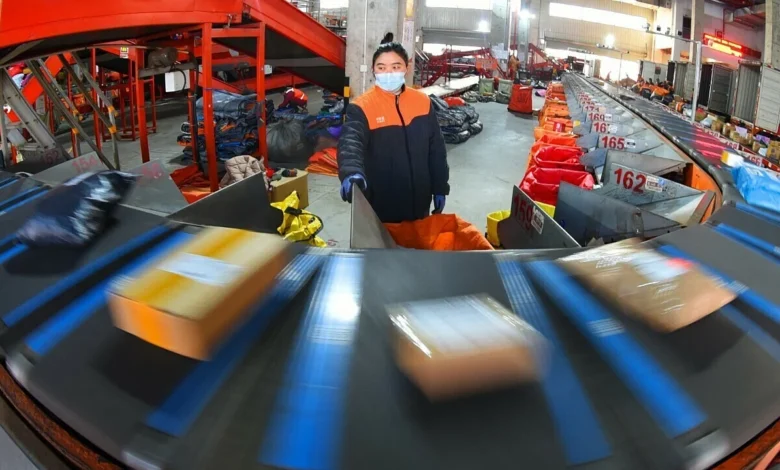
The annual Singles’ Day shopping festival, once a high-octane frenzy of consumer excess in China, has entered a period of profound transformation. As of November 11, 2026, the retail landscape reflected a notable shift in the psychology of the Chinese consumer, moving away from impulsive, broad-based spending toward a more cautious, deliberate approach. This change in behavior is occurring against a backdrop of economic headwinds, including a long-standing real estate crisis and a general softening of consumer confidence, which have fundamentally altered the dynamics of what was once the world’s largest e-commerce event.
The Evolution of Singles’ Day
Originally conceived as an anti-Valentine’s Day celebration for single people in the 1990s, the date 11/11 was transformed by Alibaba into a massive commercial engine in 2009. For over a decade, it served as a primary bellwether for the health of Chinese domestic consumption. In its prime, the event was characterized by a 24-hour surge of activity, with massive discounts driving record-breaking gross merchandise value (GMV) year after year.
However, the event has changed significantly in recent years. Retailers and major platforms, facing saturated markets and slowing growth, have stretched the promotion from a single day into a multi-week marathon, often beginning as early as late October. This "promotional fatigue" has diluted the urgency that once defined the event. Consumers are no longer waiting for a single day to make large purchases, as the promise of a "once-a-year" discount has become a constant state of marketing.
Statistical Shift and Economic Context
The data from 2026 highlights a stark contrast to previous years. According to retail data firm Syntun, the total GMV for the shopping festival in 2025 reached approximately 1.7 trillion yuan ($254 billion). In 2026, looking at performance through the end of October, sales remained flat compared to the same period in the previous year, hovering at just over 1 trillion yuan ($154 billion).
This stagnation reflects broader macroeconomic challenges. China’s economy grew by 4.6% during the first nine months of 2026, yet this growth has been largely propped up by export surges rather than domestic demand. Retail sales for consumer goods, a critical metric for long-term economic stability, grew by a meager 1.1% compared to the same period in 2025. Economists note that the property sector crisis has severely impacted household wealth, as a significant portion of Chinese middle-class savings is tied to real estate. When property values stagnate or decline, the "wealth effect" evaporates, leading households to tighten their budgets for non-essential goods.
The Changing Consumer Mindset
For the individual consumer, the priorities have shifted. Gabby Liang, a 24-year-old based in Foshan, exemplifies this trend. "Last year, I stocked up on skincare products," she noted, reflecting on her past habits. "But this year, I am buying much less." Liang, like many of her peers, is actively cutting back on non-essential categories. The trend is echoed by residents in major urban centers like Beijing, where younger consumers are increasingly moving away from chasing prestige brands. "I no longer feel the urge to run after famous or high-end brands like I did in the past," says Kong Min, a Beijing resident.
This sentiment is corroborated by industry experts. Yaling Jiang, founder of the market research firm ApertureChina, suggests that consumers have fallen into a state of "promotional fatigue." The constant bombardment of discount messaging has stripped the event of its novelty, making consumers more discerning and less susceptible to marketing-led urgency. Shaun Rein, managing director of the China Market Research Group in Shanghai, adds that the confidence of the middle-class consumer has declined significantly, leading to a "wait-and-see" approach to spending.
Niche Growth and Value-Driven Consumption
While the overall festival has seen a cooling effect, the data suggests that consumption has not disappeared; it has merely been reallocated. Products and services related to health, wellness, and lifestyle experiences remain resilient.
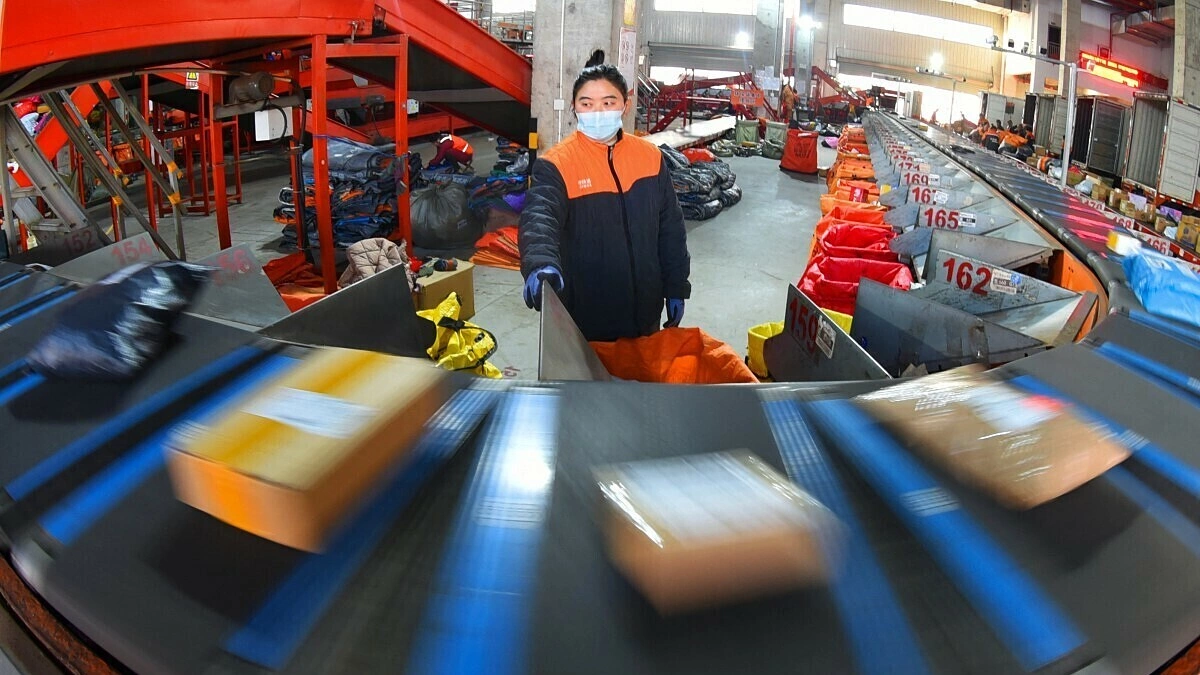
Data from WPIC Marketing + Technologies, based in Beijing, shows that online sales of imported deep-sea fish oil increased by nearly 43% through September. Similarly, sales of supplements supporting joint and bone health saw growth between 28% and 37%. This indicates that while Chinese consumers are cutting back on discretionary items like fast fashion or luxury accessories, they are prioritizing health and longevity—a trend often referred to as "self-investment."
AI as the New Catalyst
In an effort to revitalize interest and improve conversion rates, e-commerce giants like Alibaba have turned to Artificial Intelligence. Before the 2026 campaign, platforms like Taobao and Tmall integrated the "Qwen" AI model to assist users in personalized product discovery and order management.
The shift toward AI-assisted shopping is designed to cater to the increasingly busy and budget-conscious consumer. Liu Xingliang, a technology analyst in Beijing, explains that AI chatbots can now help users find specific items—such as a washing machine that fits a particular laundry room layout and operates quietly at night—all within a predefined budget.
Retailers are also experimenting with selling "AI tokens"—a digital currency that allows users to access advanced AI processing power. During a live-streaming session earlier this month, prominent influencer Li Jiaqi reported sales of 2,000 trillion tokens in just 30 minutes, showcasing a potential new revenue stream for digital-first retail.
According to JD.com, their proprietary shopping AI, "Dongdong," attracted nearly 80 million users during this year’s festival, more than triple the figure from the previous year. On Douyin, AI-linked transactions accounted for approximately 5% of all activity in October, with the percentage rising to over 20% for health and functional supplement categories.
Implications and Future Outlook
The transition of the 11/11 festival from a mass-consumer shopping spree to a more nuanced, AI-driven, and health-focused event marks a maturing, albeit struggling, retail market. Jacob Cooke, CEO of WPIC, views AI as a significant, albeit early-stage, tool for market discovery. "I expect it to play an increasingly important role in transactions, comparable to the evolution of live-streaming or social commerce," Cooke said.
However, the question remains whether these technological interventions can overcome the fundamental economic drag of the property market and the dampened consumer sentiment. Max Zenglein, chief economist at the Mercator Institute for China Studies (MERICS), notes that the optimism regarding a swift recovery in domestic demand has faded. "The structural challenges are deep," Zenglein remarked.
As the 2026 Singles’ Day concludes, the data suggests that the era of "growth at all costs" is over. Instead, the Chinese market is entering a period of recalibration where value, health, and personalized utility take precedence over volume. For global brands and domestic retailers alike, the lesson is clear: the Chinese consumer is no longer waiting to be told what to buy; they are seeking efficiency, health, and value, and they are using the tools of the digital age to find it on their own terms. The future of retail in China will likely be defined by this sophisticated, cautious, and highly personalized approach to consumption.