The Director of the National Cinema Department: ‘The Last Empress’ Deviates from Historical Accuracy
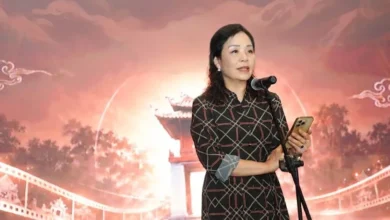
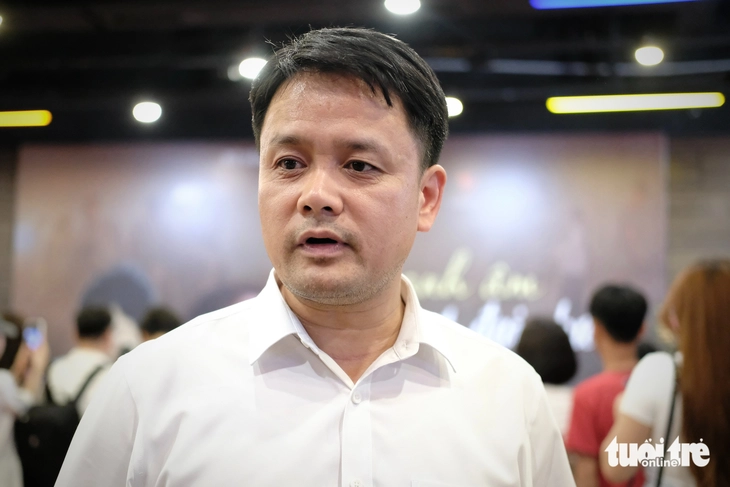
Ho Chi Minh City, Vietnam – Recent discussions surrounding the upcoming historical drama film "Hoàng hậu cuối cùng" (The Last Empress) have prompted a response from Mr. Đỗ Thanh Tùng, Director of the National Cinema Department, who has addressed concerns regarding the film’s adherence to historical facts. In an interview with Tuổi Trẻ, Mr. Tùng acknowledged the significant public interest in the film, attributing it to a growing appreciation for Vietnam’s history and culture. However, he also cautioned against premature judgments and the dissemination of potentially inaccurate information.
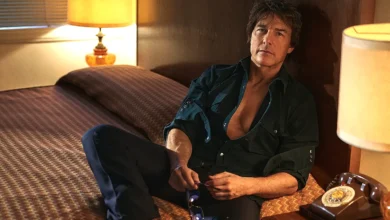
The film, slated for release on March 5, 2027, boasts a cast including prominent actors like Tăng Thanh Hà, Ma Ran Đỗ, and Trầm Anh. While anticipation for the cinematic portrayal of a significant historical period is high, the National Cinema Department is urging for a measured approach to public discourse.
"The Last Empress": Avoiding Premature Conclusions on Historical Accuracy
Mr. Đỗ Thanh Tùng highlighted that the widespread attention garnered by "The Last Empress" reflects a burgeoning public interest in Vietnamese history and culture. This, he noted, signifies a positive trend of Vietnamese audiences placing higher value on historical narratives within domestic cinema. "This is a welcome development," Mr. Tùng stated, "as it shows a growing demand for quality productions that engage with our heritage."
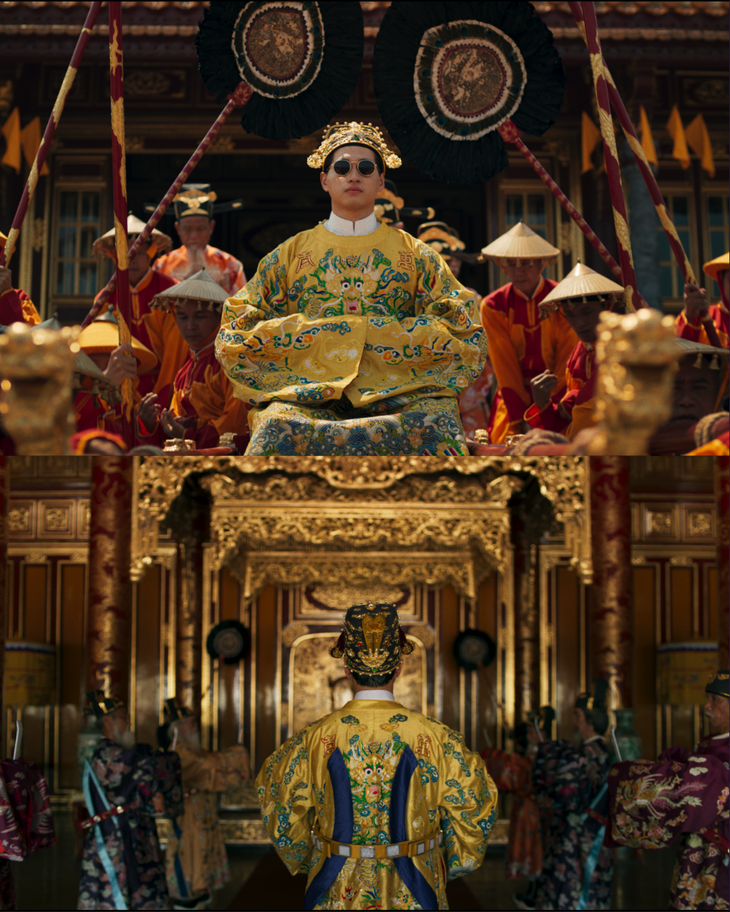
However, the Director also expressed concern over what he described as "a number of opinions that prematurely conclude about the film’s content, the accuracy of its historical depiction, and even its artistic value before the work is completed." He emphasized that the film has not yet been fully produced, nor has it been made available for public viewing or critical assessment under the established regulations of the Law on Cinema.
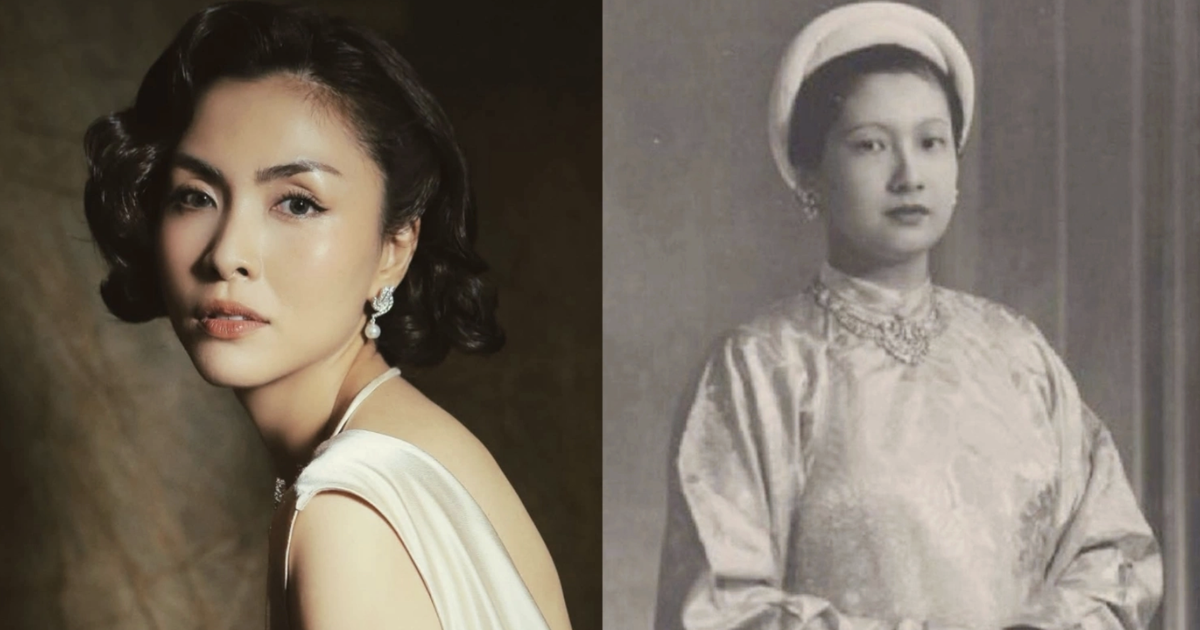
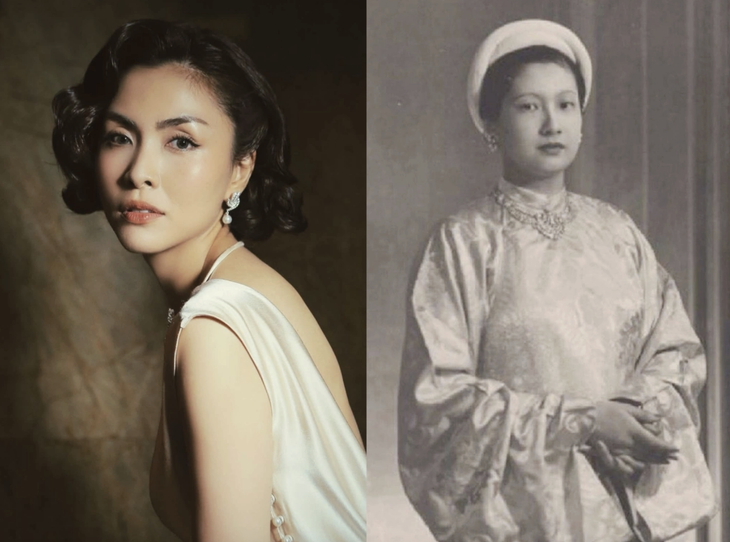
Mr. Tùng clarified that promotional materials, such as introductory images or snippets of information, represent only a fraction of the complete cinematic work. These materials, he stressed, cannot substitute for a comprehensive evaluation of the film once it has undergone the proper review processes.
The Perils of Early Judgment and Misinformation
The Director underscored the social impact of public discourse, particularly in the digital age. While open discussion and debate are generally encouraged, he warned that when these discussions occur before a work is finalized or accessible to the public, they can lead to unsubstantiated and potentially damaging conclusions. "Opinions formed without a full understanding of the material can carry significant weight," Mr. Tùng explained, "and when built upon incomplete information, they risk distorting the essence of the work."
He further elaborated that making definitive judgments or categorizing a film’s historical accuracy or artistic merit before it has been seen by the public and officially reviewed can lead to inaccurate perceptions. This premature judgment can negatively affect the film’s reception, potentially impacting the rights and benefits of both the filmmakers and the audience who are entitled to access information and form their own opinions based on the finished product.
The release of early promotional materials, such as teaser trailers and images, while intended to generate interest, can inadvertently create a distorted view of the film’s overall narrative and historical fidelity. The National Cinema Department’s stance is that these early glimpses, while valuable for generating buzz, should not be conflated with the final artistic product or its historical accuracy.
Filmmakers Face Challenges Amidst Early Speculation
The fervent discussions surrounding "The Last Empress," even before its official release, raise questions about the potential impact on the Vietnamese film industry. When films delving into historical or cultural themes become subjects of intense debate prior to completion, it can create an environment of apprehension for creators.
Mr. Đỗ Thanh Tùng articulated this concern, stating that such premature controversies, if they become a trend, could discourage filmmakers from choosing historical subjects or engaging with complex historical figures. "If this trend continues," Mr. Tùng warned, "filmmakers might become hesitant to select historical narratives or portray characters with significant historical weight."
He elaborated that in the current media landscape, information disseminates with unprecedented speed. A single image or a piece of unverified information can quickly generate widespread speculation and definitive judgments. This rapid spread of uncorroborated content can have a direct impact on the reputation of a film, the production house, and the creative team involved.
The repercussions extend beyond immediate public perception. Prematurely judged films risk undermining their artistic integrity and their potential to positively contribute to the cultural landscape. This can affect the producers’ ability to recoup investments and, more broadly, dampen the enthusiasm for creating films that explore Vietnam’s rich past.
The National Cinema Department Advocates for Due Process
The National Cinema Department’s position is clear: all cinematic works should undergo a thorough review process based on established legal frameworks. This includes a comprehensive assessment of the entire film, adhering to the procedural guidelines outlined in the Law on Cinema. Evaluation must be grounded in the entirety of the work and comply with legal standards, as well as the professional judgment of experts, rather than being swayed by fragmented information or public opinion.
The department advocates for discussions and debates that are constructive and respectful of intellectual property and creative freedom. Such dialogues should be conducted with a spirit of building and fostering, adhering to legal principles and respecting the rights of creators. This approach, Mr. Tùng believes, is fundamental to cultivating a professional and civilized film industry.
Fostering a Culture of Respectful Discourse
Mr. Đỗ Thanh Tùng further emphasized that public discussions surrounding films, including those that touch upon sensitive historical or cultural aspects, should be conducted with a constructive and respectful tone. When exploring historical figures, cultural elements, or specific historical contexts, filmmakers are encouraged to conduct thorough research, consult expert opinions when necessary, and exercise careful consideration. The goal is to balance artistic expression with a profound respect for history and culture, and to resonate with the audience’s appreciation for these subjects.
The department’s perspective is that films should be evaluated based on their complete artistic merit and within the framework of legal regulations. This evaluation should be impartial, objective, and grounded in the entirety of the film’s content, rather than being influenced by scattered rumors or fleeting trends.
Constructive dialogue and public engagement are vital, but they must be undertaken with a sense of responsibility. This includes respecting legal frameworks and fostering an environment that values creative endeavors. Mr. Tùng expressed his hope that the public, media, and social organizations will collectively contribute to building a culture that embraces respectful and informed discussions about cinematic works.
Building a Sustainable Film Industry
The development of a robust film industry in Vietnam requires more than just commercial success or a high volume of film production. It necessitates a focus on the quality of the creative output. The National Cinema Department encourages filmmakers to explore their creativity and challenges audiences and the media to engage in responsible and objective evaluation of films.
Mr. Tùng stated, "I believe that in the current context, patience and careful consideration when approaching and evaluating a cinematic work are of utmost importance." He stressed that a lack of critical depth in evaluations can lead to a chain reaction, negatively impacting the reputation of the film, the filmmakers, and the industry as a whole. This, in turn, can erode public trust in the film industry and the creative ecosystem.
"I hope that the public, the media, and social organizations will all contribute to building a culture of thoughtful and respectful discourse," Mr. Tùng urged. He believes that this collaborative effort is essential for nurturing a healthy and dynamic film industry.
The Director concluded by highlighting that the development of the film industry is not solely about economic growth or the number of films produced. It is also an investment in national strength and cultural identity. When all stakeholders fulfill their roles responsibly, Vietnam can build a sustainable film industry that is rich in cultural heritage and competitive on both regional and global stages. This requires a commitment to valuing creative expression, respecting historical accuracy, and fostering a public that is informed and discerning in its appreciation of cinematic art.