Evaluating the Anker Soundcore AeroClip 2 After One Month of Daily Wear: A Comprehensive Analysis of Open-Ear Audio Technology

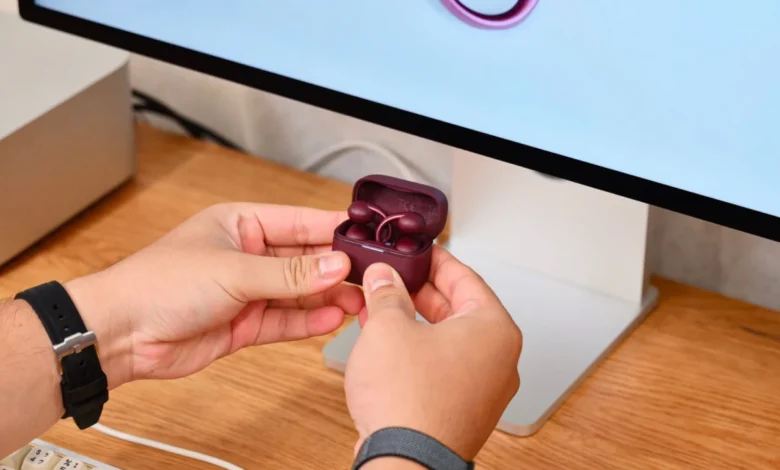
The modern consumer electronics landscape is perpetually saturated with variations of tried-and-true form factors, particularly in the personal audio sector where in-ear monitors (IEMs) and over-ear headphones have reigned supreme for decades. However, a quiet paradigm shift has been occurring in wearable audio technology, championed by the rise of open-ear clip designs. After dedicating a full month to the daily integration of the Anker Soundcore AeroClip 2 into professional and personal routines, a broader technological trend emerges: open-ear clip headphones are evolving from a niche novelty into a practical, complementary necessity for contemporary digital lifestyles. Rather than rendering traditional sealed acoustic designs obsolete, these devices offer an alternative ergonomic and auditory philosophy centered on natural wearability, situational awareness, and sustained comfort.
Evolution of the Open-Ear Form Factor and Ergonomic Engineering

To understand the value proposition of devices like the Anker Soundcore AeroClip 2, one must examine the ergonomic limitations inherent to legacy audio equipment. For years, consumers have relied heavily on in-ear monitors, which require physical insertion deep into the ear canal to create an acoustic seal, or over-ear headphones, which clamp tightly against the temporal bones and enclose the pinna entirely. While these designs excel at passive noise isolation and sub-bass delivery, prolonged usage frequently introduces physiological drawbacks. Extended sessions with in-ear monitors commonly trigger localized ear fatigue, moisture accumulation, and pressure buildup within the canal after merely one to two hours. Similarly, over-ear alternatives frequently induce thermal discomfort, resulting in warm, perspiring ears during extended office hours or transit.
The open-ear clip configuration fundamentally alters this dynamic. Weighing approximately 6.2 grams per earbuds, the Anker Soundcore AeroClip 2 utilizes a flexible C-bridge connector that anchors the acoustic housing to the outer cartilage of the ear while leaving the ear canal completely unobstructed. This design distributes weight evenly, allowing users to wear the device continuously from morning until evening without experiencing physical strain or the sensation of a trapped ear canal. Furthermore, the acoustic architecture delivers robust battery performance, offering up to 8 hours of continuous playback on a single charge, which expands to a total of 32 hours when utilizing the compact charging case. This endurance profile ensures that users can maintain uninterrupted usage throughout a standard workday without battery anxiety.
Aesthetic Integration and Social Transparency

Beyond physiological comfort, the physical footprint of open-ear clip devices introduces a distinct aesthetic shift. In social and professional settings, these headphones frequently mimic the appearance of minimalist jewelry or ear cuffs rather than conventional tech accessories. When worn during public transit commutes, video recordings, or casual interactions, the device blends seamlessly into the user’s personal style, reducing the visual friction often associated with bulky over-ear cans or protruding stem-style wireless earbuds.
More importantly, this architectural design redefines how users interact with their immediate physical environment. A critical shortcoming of closed acoustic systems is their tendency to isolate the listener completely from surrounding sounds, necessitating the frequent removal of earbuds or the activation of artificial transparency modes during impromptu conversations. Open-ear clip headphones eliminate this behavioral barrier entirely. Because the ear canal remains unsealed, users can listen to music, podcasts, or audiobooks while simultaneously perceiving environmental sounds, such as a colleague walking up to a desk or an announcement at a transit station. Conversations can proceed naturally without requiring the user to pause media playback, touch control surfaces, or remove the hardware, thereby maintaining the organic flow of human communication.
Acoustic Compromises and Technical Limitations

Despite the operational advantages of open-ear clip technology, prospective buyers must evaluate several inherent physical and acoustic limitations before making a purchasing decision. Physics dictates that sound drivers positioned externally relative to the ear canal cannot replicate the deep, tactile bass response delivered by sealed in-ear monitors or large over-ear cups. In open-ear designs, lower frequencies are experienced at a moderate, ambient level designed to maintain rhythmic engagement rather than physical impact. Consequently, listeners whose musical preferences lean heavily toward genres such as electronic dance music (EDM) or heavy rock may find the low-end performance lacking. Conversely, genres emphasizing vocal clarity, acoustic instrumentation, pop, R&B, and spoken-word podcasts translate exceptionally well to this acoustic framework.
Another critical engineering challenge associated with open-ear headphones is sound leakage. Entry-level open-ear models frequently suffer from acoustic dispersion, projecting audio into the surrounding environment and potentially disturbing individuals in quiet office spaces or libraries. However, mid-to-high-tier implementations, such as the AeroClip 2, utilize directional acoustic engineering that successfully mitigates excessive sound spill, allowing users to operate within quiet professional environments without drawing complaints from coworkers.
Call Quality and Advanced Noise-Isolation Systems

Voice call performance represents another domain where open-ear designs historically struggled due to the distance between the microphone array and the user’s mouth. Because traditional open-ear units rest on the upper ear, capturing crisp speech in noisy environments requires sophisticated digital signal processing. The AeroClip 2 addresses this challenge by integrating a multi-microphone system paired with bone-conduction sensors and advanced artificial intelligence algorithms designed to isolate human speech from ambient background noise. Industry testing indicates that such systems can maintain high speech intelligibility even in chaotic acoustic environments, effectively transmitting the user’s voice to the receiving party with minimal environmental interference.
Market Implications and the Future of Wearable Audio
The sustained popularity and technological refinement of devices like the Anker Soundcore AeroClip 2 signal a maturing market where consumers increasingly value modularity in their gadget ecosystems rather than searching for a single universal device. Open-ear clip headphones do not aim to replace the immersive, noise-canceling capabilities required for long-haul air travel or high-concentration studio work. Instead, they occupy a crucial space in the daily workflow, prioritizing environmental awareness, long-term physiological health, and seamless social integration.

As audio manufacturers continue to refine acoustic directionality, battery density, and AI-driven voice isolation, the open-ear form factor is poised to capture a significantly larger share of the consumer electronics market. For users fatigued by the physical limitations of traditional in-ear and over-ear designs, adopting an open-ear clip device represents a logical evolution in personal audio consumption, provided they are willing to make minor concessions in sub-bass depth in exchange for all-day comfort and situational awareness.