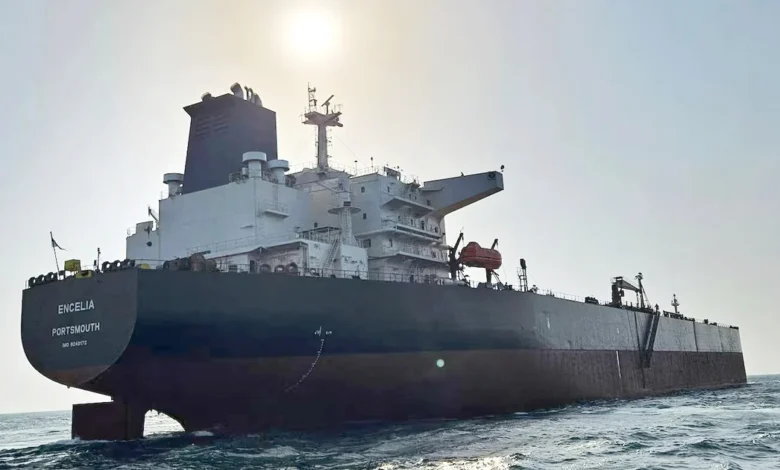
Yemen’s Houthi rebels, an Iran-backed group, announced on July 23rd that they had attacked two Saudi Arabian oil tankers as part of a military operation. Saudi Arabia’s official news agency, SPA, subsequently confirmed that one of the attacked tankers had indeed been disabled while navigating the Red Sea. This incident marks a significant escalation in the ongoing conflict in Yemen and raises concerns about maritime security in one of the world’s most critical shipping lanes.
Background and Context
The Houthi movement, which controls significant portions of Yemen, including the capital Sanaa, has been engaged in a protracted civil war against a Saudi-led coalition since 2015. The conflict has created a severe humanitarian crisis in Yemen, with millions facing starvation and disease. The Houthis have frequently launched missile and drone attacks targeting Saudi Arabia, often claiming to be retaliating against coalition airstrikes.
The Red Sea, and specifically the Bab el-Mandeb Strait, is a vital chokepoint for global trade, particularly for oil shipments moving between the Persian Gulf and the Suez Canal. Any disruption in this region can have far-reaching economic consequences. Saudi Arabia, a leading global oil producer, relies heavily on maritime routes to export its crude oil.
The Attack and Confirmation
According to Reuters, the Houthi military spokesperson confirmed the strikes on the two Saudi oil tankers. While the rebels did not immediately provide specific details about the tankers or the extent of the damage, they asserted that the attack was part of a broader military campaign.
Shortly after the Houthi announcement, SPA reported that one of the two vessels targeted had suffered damage. The agency stated that the tanker, identified as the Encelia, was attacked while in the Red Sea. Saudi officials assured the public that the tanker was safe and that efforts were underway to assess the damage and ensure the safety of the crew. They also indicated that security measures in the maritime region were being reviewed and enhanced in response to the incident.
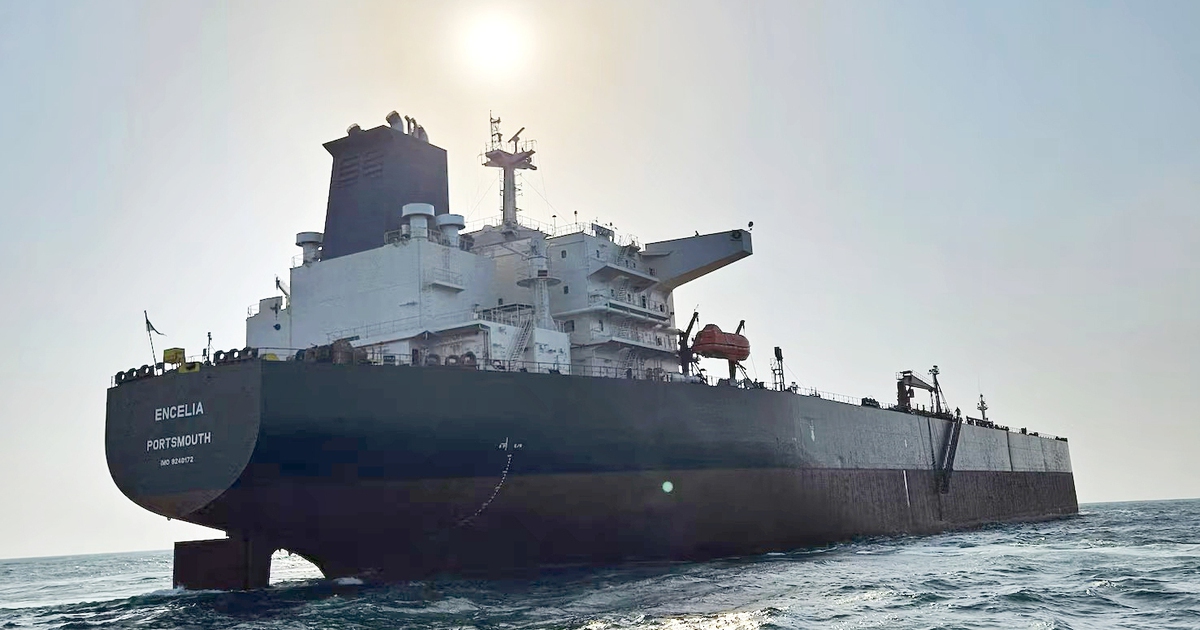
SPA further reported that the attack did not result in any casualties or significant environmental impact. The agency did not provide further details on the nature of the attack or the weapon systems used by the Houthis.
Houthi Claims and Motivations
The Houthi rebels claimed that the two targeted tankers, identified as Encelia and Layla, were struck by naval drones and missiles. They further asserted that these vessels were violating the maritime blockade imposed by the Houthi movement in the Red Sea. The group stated that they had warned approximately ten other oil tankers to stay away from Saudi ports and avoid the Yemeni coast.
The Houthi statement suggested that the attack was a direct response to Saudi actions in the Red Sea, implying a violation of the Houthi-imposed naval blockade. The group’s spokesperson declared that this action was a legitimate response to the ongoing aggression and blockade maintained by the Saudi-led coalition.
Details of the Incident
Security sources, speaking on condition of anonymity, revealed on July 23rd that the tanker Encelia had transmitted a distress signal via VHF radio, reporting a missile strike while operating near the Saudi Arabian port of Jizan. The tanker was reportedly located approximately 70 nautical miles (130 kilometers) southwest of Al Shuqaiq, a coastal city in southwestern Saudi Arabia.
The United Kingdom Maritime Trade Operations (UKMTO), a maritime security agency, confirmed receiving a report of a drone attack on an oil tanker in the Red Sea, causing a fire. The UKMTO stated that the situation was being monitored and that Saudi naval forces had responded to the incident, attempting to extinguish the fire. There were no immediate reports of casualties or environmental damage.
Vanguard, a maritime risk management firm based in the UK, noted that the oil tanker targeted, Encelia, had not yet been identified as carrying a specific cargo of crude oil at the time of the attack. Its exact position, approximately 70 nautical miles off the Saudi coast near Al Shuqaiq, placed it within a zone of heightened maritime activity and potential conflict.
Escalation of Regional Tensions
The Houthi attack on Saudi oil tankers is the latest in a series of incidents that have heightened tensions in the strategically important Red Sea region. The conflict in Yemen has spilled over into neighboring countries and maritime domains, with the Houthis demonstrating an increasing capacity to strike targets far beyond Yemen’s borders.
This incident comes amid broader regional instability, including ongoing tensions between Iran and Western powers, as well as skirmishes in the Persian Gulf. The Houthi movement’s capabilities are widely believed to be supported by Iran, which has consistently denied direct involvement but is seen as a key enabler of the group’s military operations.
The attack also raises questions about the effectiveness of existing maritime security arrangements in the Red Sea. While naval forces from various countries patrol the region, the Houthi’s ability to target large commercial vessels indicates a persistent threat to shipping.
Broader Impact and Analysis
The attack on the Saudi oil tankers has several significant implications:
- Maritime Security: It underscores the vulnerability of maritime trade routes in the Red Sea to asymmetric attacks by non-state actors. This could lead to increased insurance costs for shipping companies and potentially affect the flow of oil and other goods.
- Economic Consequences: Any sustained disruption in the Red Sea could impact global oil prices, as Saudi Arabia is a major supplier. The incident could also affect the economies of countries reliant on Red Sea trade, such as Egypt.
- Regional Stability: The attack further destabilizes an already volatile region and could provoke a stronger response from Saudi Arabia and its allies, potentially leading to a wider conflict.
- Diplomatic Efforts: The incident complicates ongoing international efforts to find a political solution to the conflict in Yemen. It may also increase pressure on international bodies to take more decisive action against groups threatening maritime security.
The Houthi rebels’ stated intention to target vessels violating their blockade suggests a strategic move to exert pressure on the Saudi-led coalition and gain leverage in the conflict. By demonstrating their reach and capability to disrupt oil shipments, they aim to draw international attention to their grievances and force concessions.
Saudi Arabia, in response, is likely to reinforce its maritime defenses and potentially retaliate against Houthi targets. The international community will be closely watching the situation, seeking to de-escalate tensions and ensure the unimpeded flow of commerce through this critical waterway. The incident serves as a stark reminder of the complex interplay between regional conflicts, global trade, and international security.