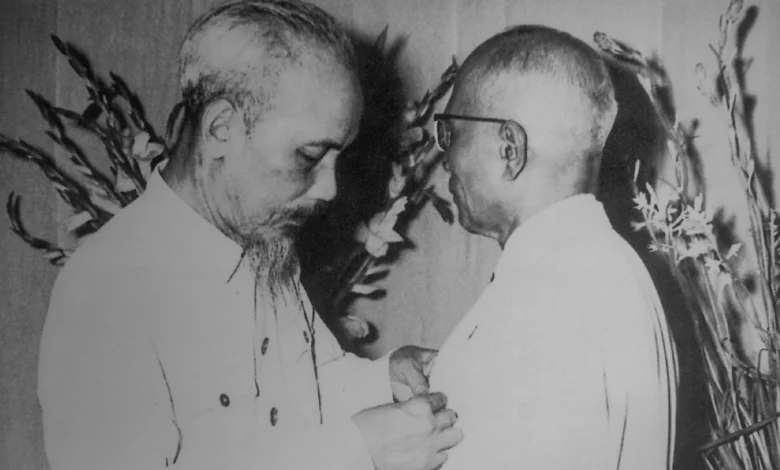
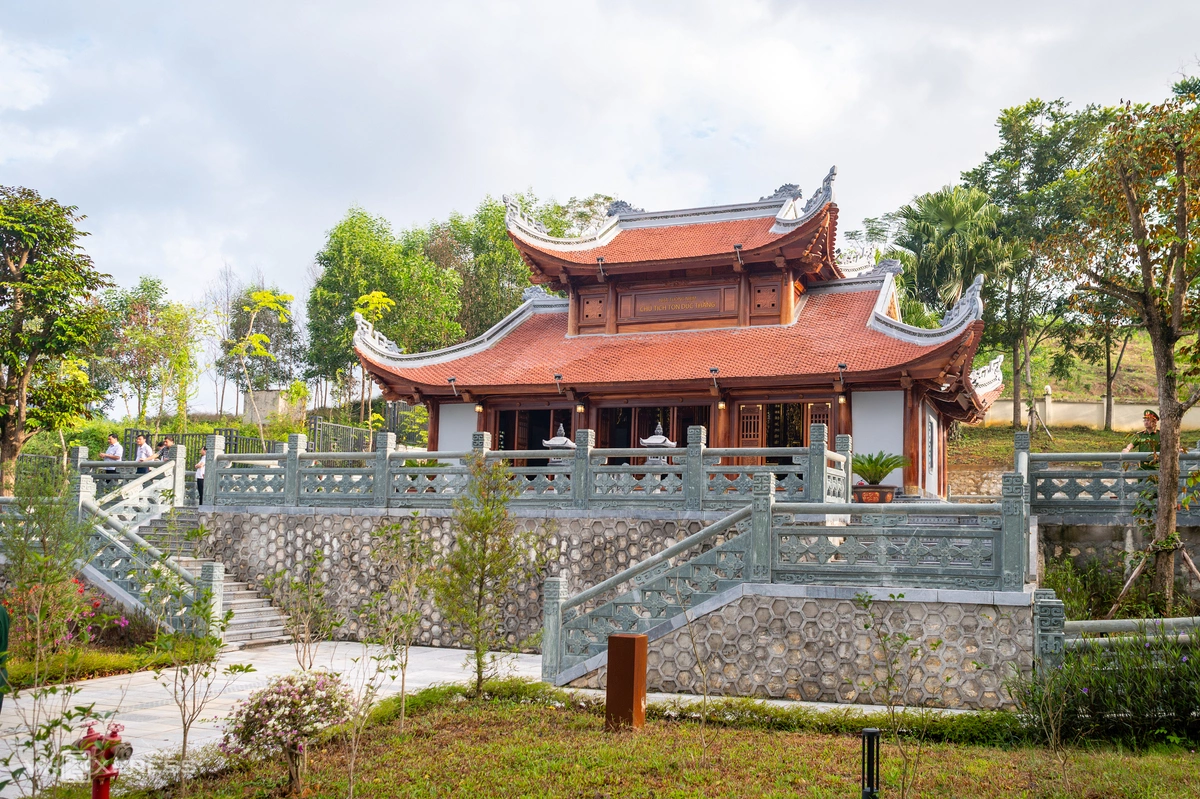
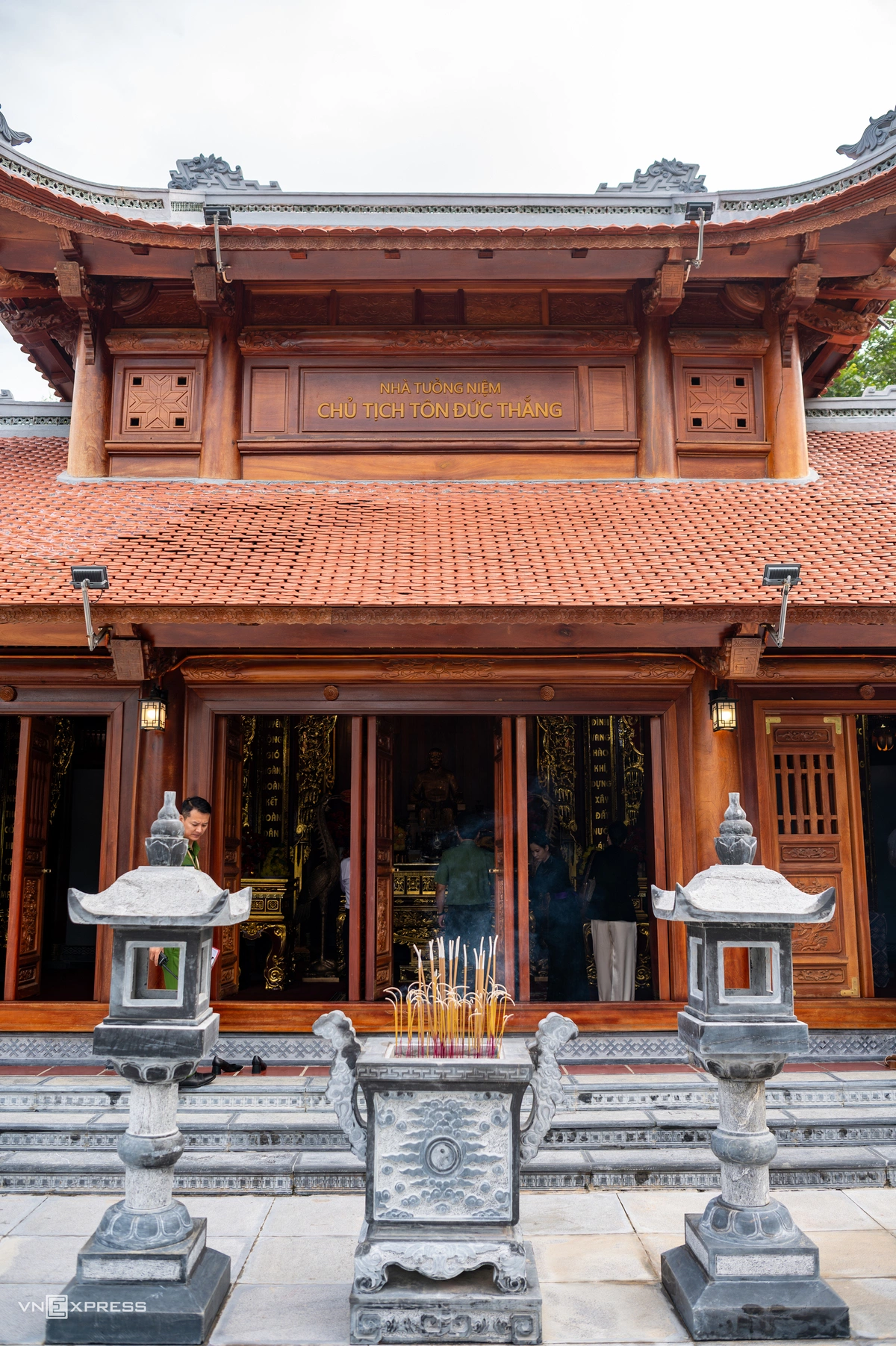
The historical landscape of Tan Trao in Tuyen Quang province serves as a poignant reminder of the formative years of the Vietnamese National Assembly and the pivotal leadership of President Ton Duc Thang. From 1952 to 1954, this rugged mountainous region acted as the heart of the resistance against colonial forces, hosting critical legislative sessions and diplomatic engagements that would ultimately shape the trajectory of modern Vietnam. Recent efforts to preserve this heritage, including the inauguration of the President Ton Duc Thang Memorial House on August 16, 2025, in Dong Ma village, have rekindled national interest in the contributions of this revolutionary leader during the most challenging years of the independence struggle.
The Strategic Significance of Tan Trao (1952–1954)
Tan Trao was not merely a refuge; it was the nerve center of the Democratic Republic of Vietnam’s legislative body during the final, decisive stages of the First Indochina War. As the head of the Standing Committee of the National Assembly, Ton Duc Thang directed numerous sessions that balanced the immediate demands of military logistics with the long-term goal of state-building.
Historical records indicate that during this period, the area facilitated high-level diplomatic interactions. President Ton Duc Thang hosted delegations from the Soviet Union and China, fostering international solidarity that was crucial for the resistance. These meetings were instrumental in securing technical and political support, which bolstered the Viet Minh’s position on the international stage while domestic agrarian reforms were being debated and implemented.
Chronology of Legislative Milestones
The timeline of President Ton Duc Thang’s tenure in the northern highlands is marked by several legislative breakthroughs:
- February 1953: President Thang presided over a joint conference between the Standing Committee of the National Assembly and the Lien Viet Front, a critical moment for consolidating national unity.
- December 1–4, 1953: He led the third session of the National Assembly (First Legislature) at Thac Da, Lap Binh village, Binh Yen commune. This session was historic for its focus on land reform, a policy that addressed the grievances of the peasantry and solidified support for the revolution.
- July 1954: Amid the transition following the Geneva Accords, President Thang organized the Lien Viet Front meeting to prepare for the peaceful handover of Hanoi and the administrative restructuring required for the newly liberated northern provinces.
- Post-1954: Following the cessation of hostilities, the leadership moved from the Chi Lien base to Vai Cay, Dai Tu (Thai Nguyen), a strategic move to prepare for the orderly takeover of the capital.
A Legacy of Leadership and Austerity
President Ton Duc Thang (1888–1980) was more than a statesman; he was a symbol of the "Dân vi trọng" (The People First) philosophy. His leadership style, characterized by simplicity and incorruptibility, left an indelible mark on the political culture of Vietnam.
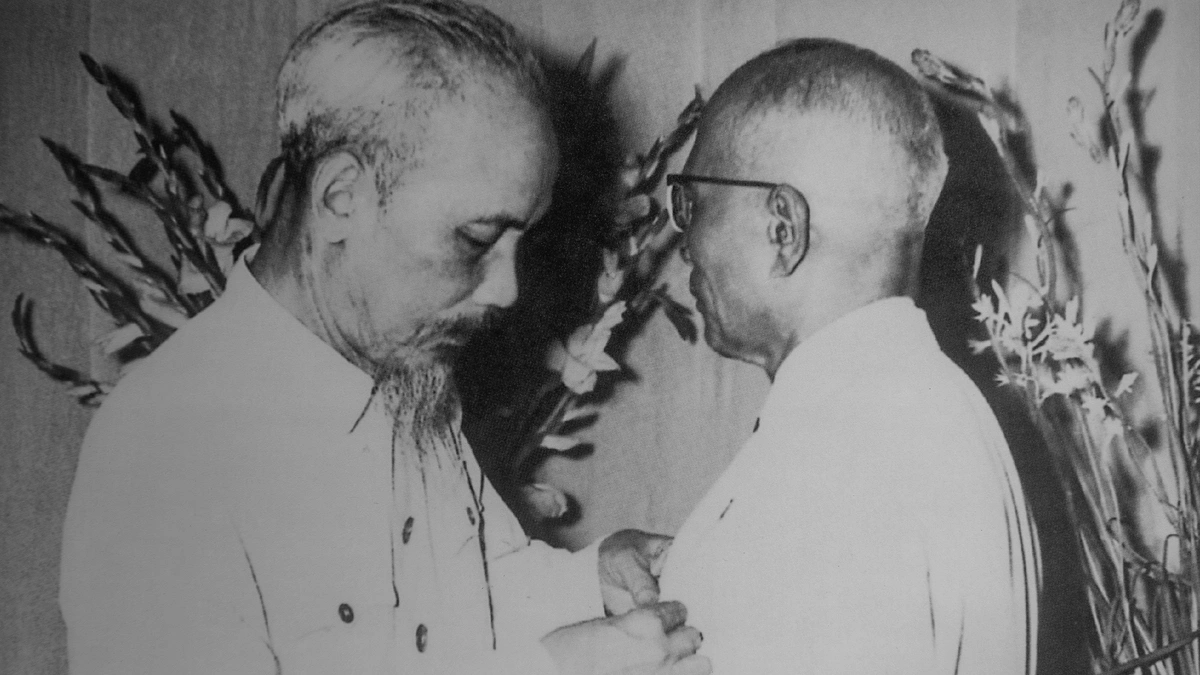
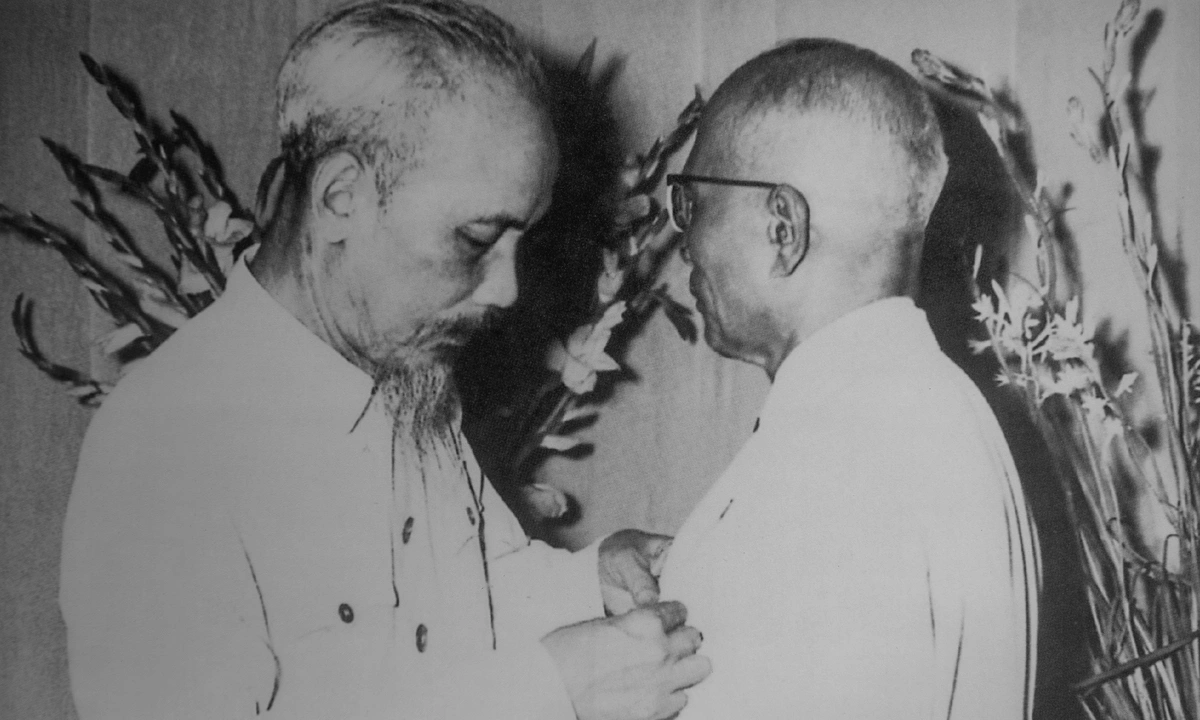
In 1958, President Ho Chi Minh awarded him the first Golden Star Order, the nation’s highest honor, acknowledging his lifelong dedication to the cause of national liberation and his role as a model of revolutionary ethics. His career path was comprehensive: he served as Chairman of the Standing Committee of the National Assembly (1955–1960), Chairman of the Vietnam Fatherland Front (1955–1977), and finally, President of the State (1969–1980).
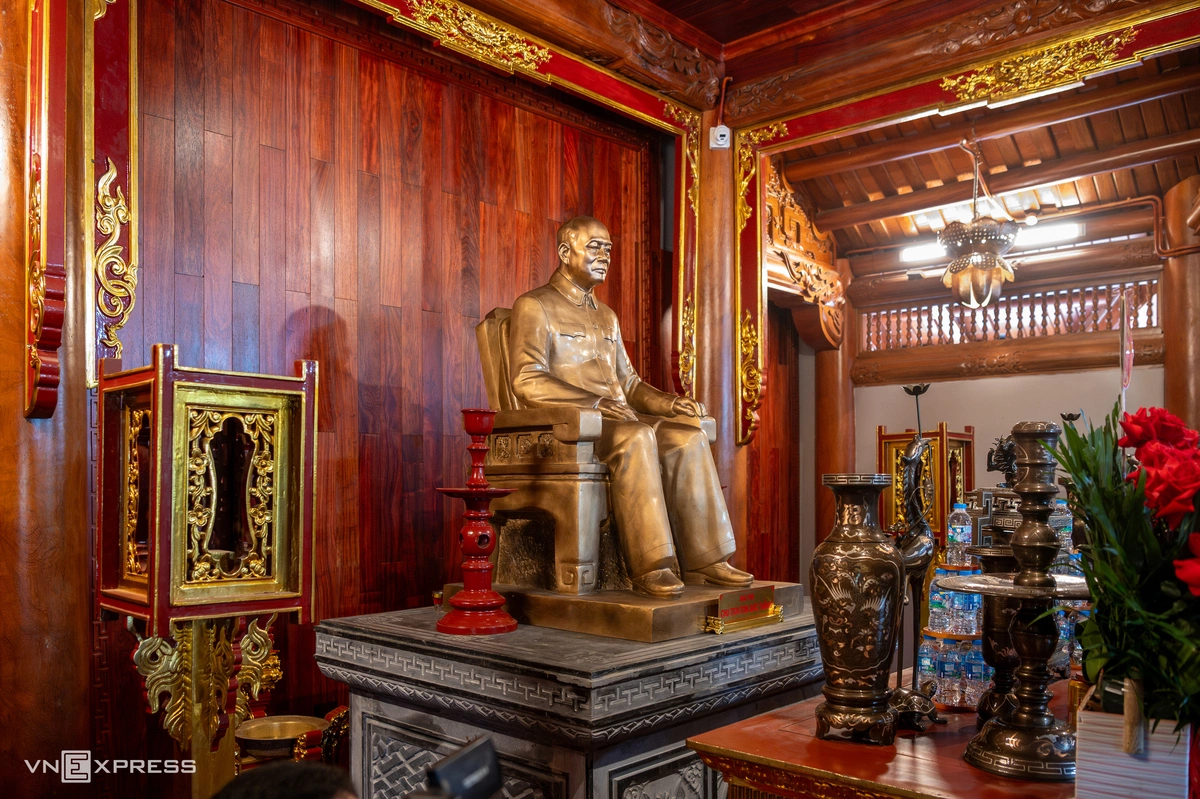
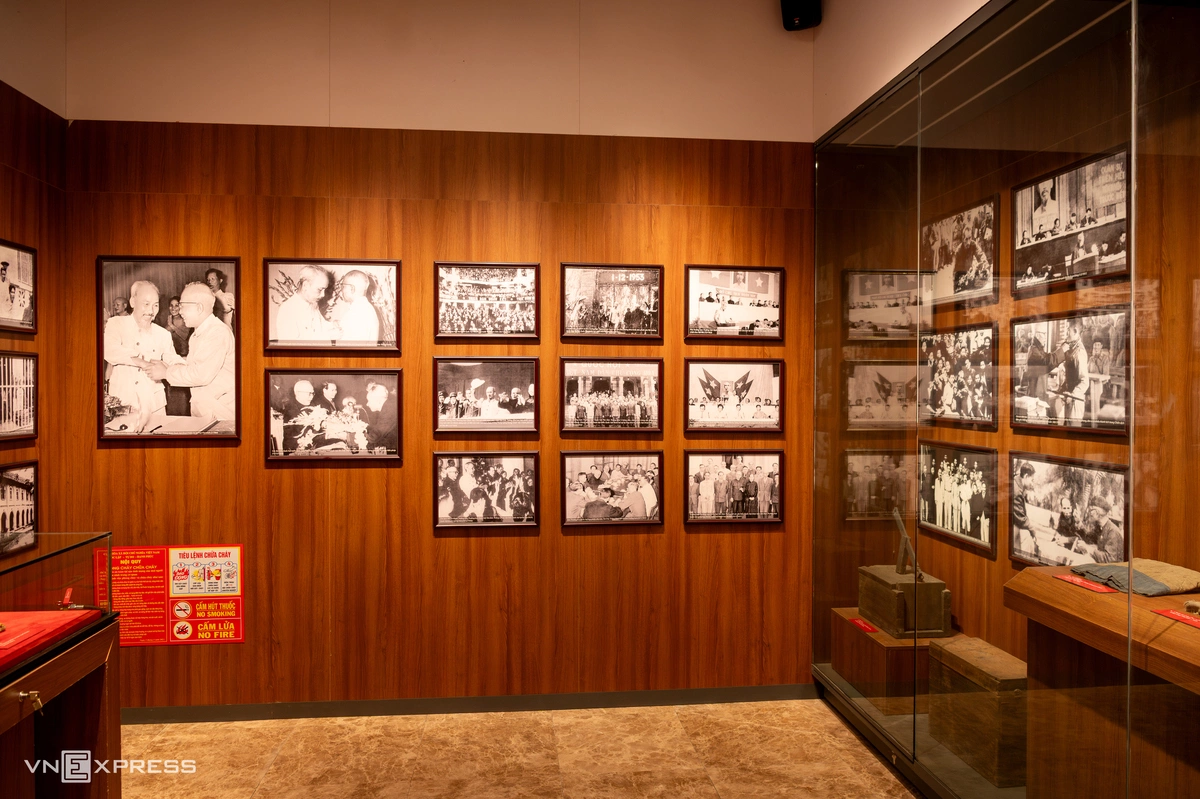
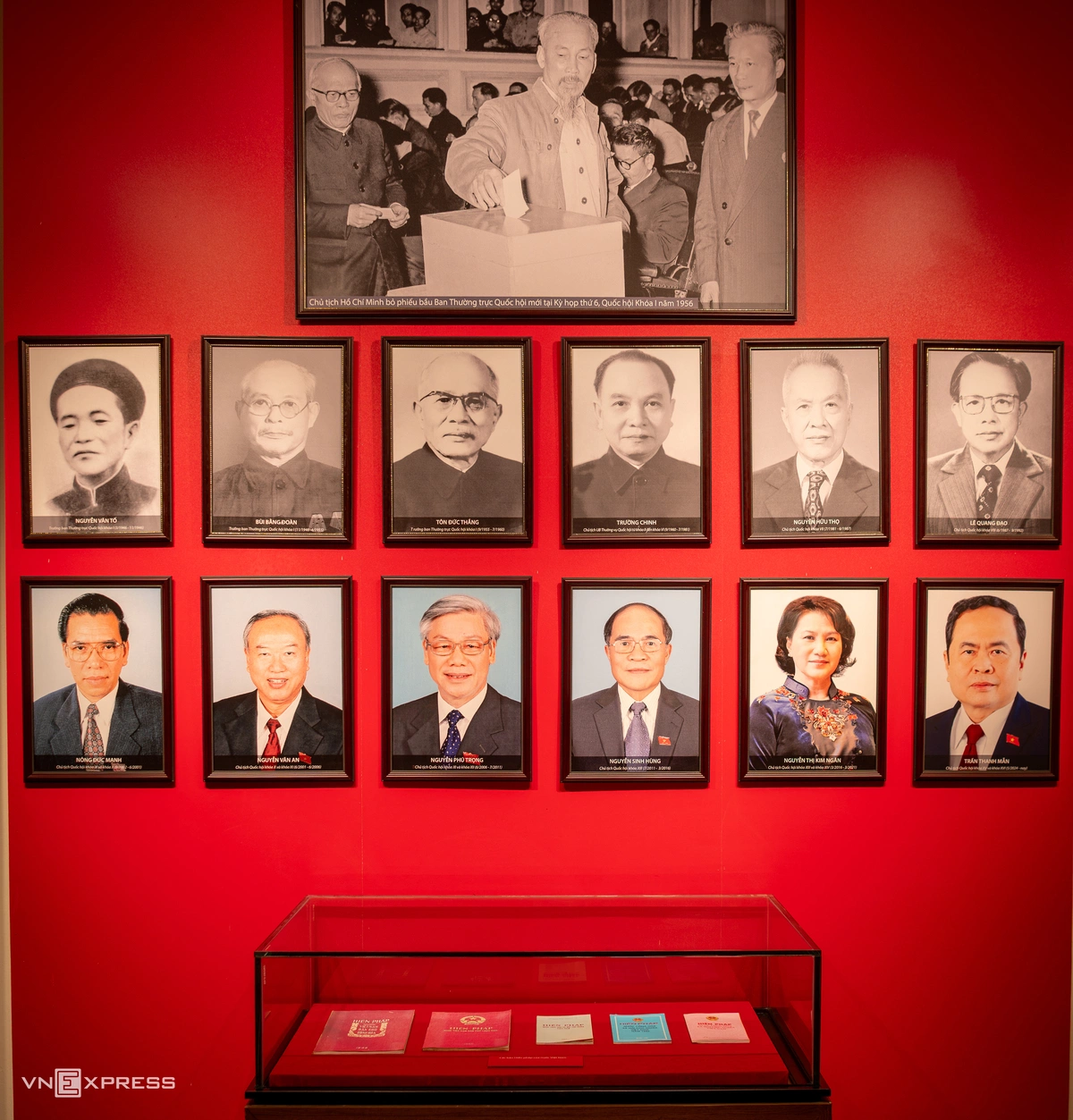
The memorial house in Tan Trao, spanning 144 square meters and designed with traditional Vietnamese architectural elements, serves as a physical archive of these contributions. Inside, a bronze bust of the late President occupies the central position, flanked by displays documenting the five constitutions of Vietnam and the personal artifacts he used during the resistance years.
Supporting Data and Historical Artifacts
The preservation efforts at the Tan Trao relic site have recovered significant items that provide a glimpse into the daily life of revolutionary leadership. Among these are personal belongings, such as clothing and footwear, donated by the local people of Tan Trao who supported the revolutionary cadres during the war. Additionally, the discovery of metal spikes and remnants of security bunkers in the vicinity highlights the precarious environment in which the National Assembly operated.
The site, which sits adjacent to the existing Standing Committee of the National Assembly relic, forms a cohesive monument complex. This integrated site allows researchers and the public to examine the evolution of the Vietnamese legal system from its clandestine origins in the jungle to its formal establishment as the bedrock of the modern state.
Official Perspectives and Institutional Impact
Government officials and historical researchers emphasize that the preservation of the Tan Trao site is vital for national identity. The Office of the National Assembly, which spearheaded the construction of the memorial, views it as a "living classroom" for younger generations to understand the sacrifices made by the founding leaders.
The implications of these sites extend beyond mere commemoration. By highlighting the work of the Standing Committee in the 1950s, the state reinforces the legitimacy of its current legislative processes. The analysis of these documents reveals that the early National Assembly was not merely a rubber-stamp body but a deliberative forum that navigated complex issues of land reform, international diplomacy, and post-war reconstruction under extreme duress.
Broader Impact on Historical Memory
The inauguration of the memorial house coincides with a broader push in Vietnam to digitize and preserve the history of the "Resistance War against the French." The inclusion of high-resolution photographic archives and original correspondence between Ton Duc Thang and the local populace provides a rich dataset for historians.
Observers note that President Ton Duc Thang’s legacy—specifically his ability to bridge the gap between high-level governance and the concerns of the common citizen—remains a cornerstone of the current government’s emphasis on "grassroots democracy." His tenure in Tan Trao is frequently cited in political education to demonstrate that the legitimacy of the state is derived from its commitment to the welfare of the people.
Conclusion
The legacy of President Ton Duc Thang in Tan Trao is a testament to the resilience of the Vietnamese revolutionary movement. Through the preservation of these historical sites, the nation ensures that the principles of unity, austerity, and public service that guided the resistance leaders remain accessible to the public. As Vietnam continues its socio-economic development, the history of the National Assembly’s formative years in the mountains of Tuyen Quang remains a foundational pillar of its political narrative, reflecting a past that continues to inform the present.
Related posts: