In a move to honor the extraordinary courage and ultimate sacrifice of two individuals who gave their lives to save a drowning person, the Khanh Hoa Provincial People’s Committee has officially submitted a proposal to the Prime Minister and the President of Vietnam. The proposal seeks the posthumous awarding of the "Dung cam" (Bravery) Order to Mr. Nguyen Duy An, 58, and Mr. Pham Sang, 45, both of whom lost their lives in a tragic rescue operation on the morning of November 21.
The incident, which occurred along the picturesque but occasionally treacherous coastline of Nha Trang, has sent shockwaves through the local community, sparking a national conversation about heroism, the risks inherent in emergency response, and the vital role of local rescue infrastructure.
A Chronology of the Tragedy
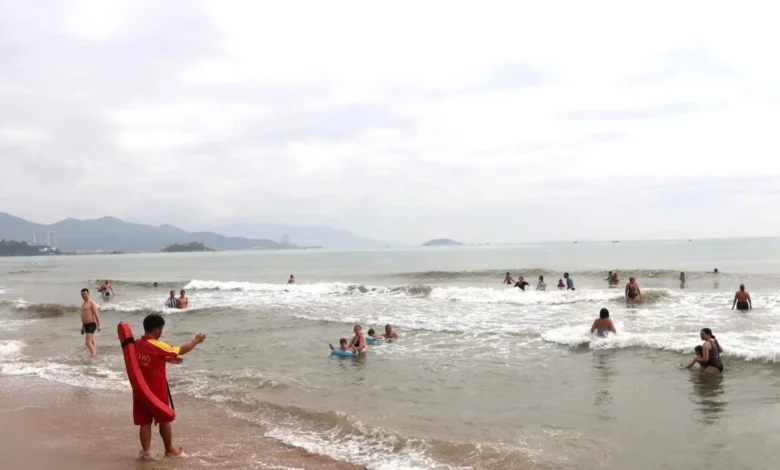
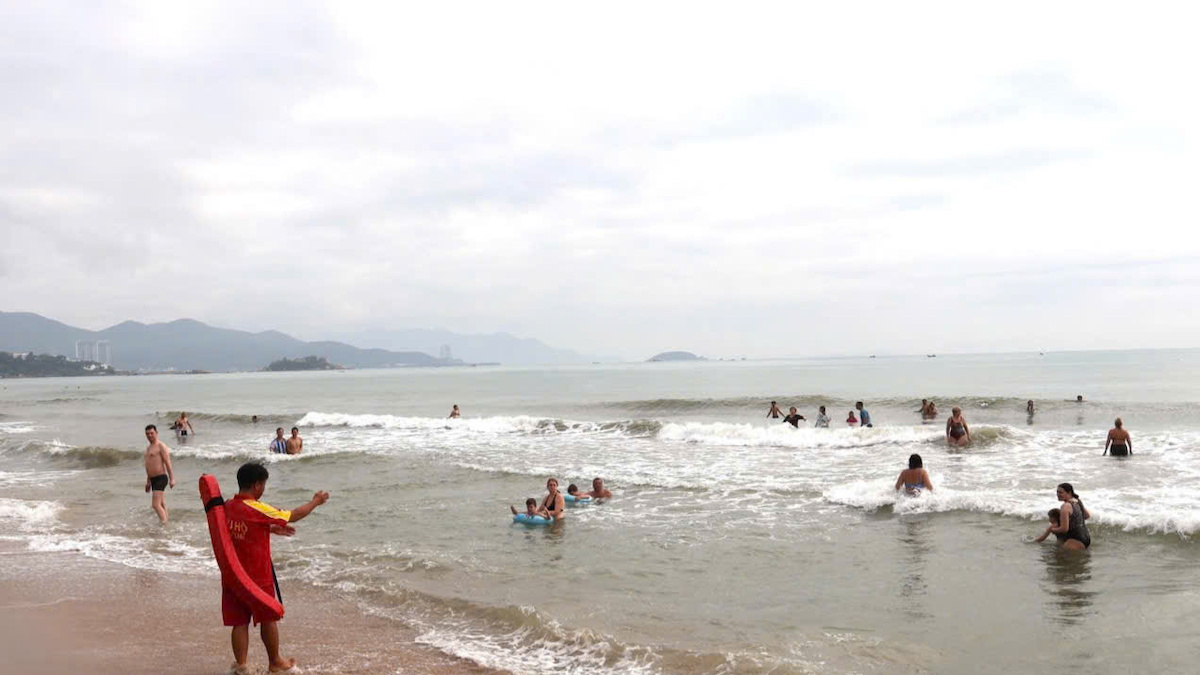
On the morning of November 21, the beach in Nha Trang appeared calm, a common deception of the sea that often masks underlying currents and sudden drop-offs. At approximately mid-morning, a woman, estimated to be around 60 years old, was swimming when she began to struggle. Witnesses observed her exhibiting signs of distress, signaling that she was being pulled under by the current or suffering from a medical emergency in the water.
Mr. Nguyen Duy An, a resident of Tay Nha Trang Ward, was the first to notice the woman’s predicament. Without hesitation, he waded into the water to reach her. However, the conditions proved more severe than they appeared from the shore. Heavy waves and a powerful rip current hampered his progress. Despite his best efforts to bring the woman to safety, Mr. An was overcome by exhaustion when he was just ten meters from the shoreline.
Recognizing the escalating danger, Mr. Pham Sang, an employee of the Nha Trang Bay Management Board’s rescue team, rushed into the water equipped with a rescue buoy. His intervention was decisive, allowing the rescue team to successfully bring the woman back to the sand, where she survived the ordeal. Tragically, the physical toll on both rescuers was too great. Despite desperate attempts by medical professionals to revive them at a local hospital, both Mr. An and Mr. Sang succumbed to the effects of drowning and exhaustion.
The Significance of the Bravery Order
The "Dung cam" (Bravery) Order is a prestigious state-level honor in Vietnam, reserved for individuals who have demonstrated exceptional courage in protecting the lives and property of citizens under dangerous circumstances. The recommendation from the Khanh Hoa Provincial People’s Committee is a formal recognition that the actions of Mr. An and Mr. Sang went far beyond the expectations of a citizen or even a professional rescuer.
In their official submission, provincial authorities emphasized that the duo’s actions represent the highest manifestation of social responsibility and humanitarian spirit. For Mr. Pham Sang, his role as a member of the Nha Trang Bay Management Board meant that he was trained for such scenarios; however, the circumstances of this particular rescue exceeded standard operational risks. Mr. Nguyen Duy An, acting as a private citizen, demonstrated a selfless instinct that, while fatal, served as an ultimate testament to the importance of community support.
Contextualizing Coastal Safety in Nha Trang
Nha Trang is one of Vietnam’s most prominent tourism hubs, attracting millions of visitors annually. While the city’s beaches are heavily monitored, the unpredictable nature of the South China Sea means that drowning remains a persistent concern for local authorities.
According to data from local maritime safety bureaus, Nha Trang experiences varying currents that can change within minutes. The city employs a network of professional lifeguards and management boards, such as the one Mr. Sang served, to mitigate these risks. However, the sheer length of the coastline—stretching several kilometers—means that even with professional oversight, public participation in safety remains a critical variable.
The death of these two men has prompted a review of current emergency response protocols. Experts suggest that while the bravery displayed by these men is commendable, the frequency of such tragic outcomes highlights a need for enhanced public awareness campaigns regarding rip currents and the implementation of more advanced, rapid-response technologies, such as drone-assisted surveillance and increased deployment of high-speed rescue watercraft during peak hours.
Broader Impact and Community Response
The loss of two lives during a single rescue event has had a profound impact on the Nha Trang community. Local government officials have visited the families of the deceased to provide financial and emotional support, acknowledging the void left by these two men.
Public sentiment, expressed through various social media platforms and local news forums, has been one of collective mourning and immense pride. Many residents have called for the city to erect a memorial or a plaque at the site of the incident, not only to honor the fallen but to serve as a constant reminder to beachgoers about the hidden dangers of the ocean.
From a public policy perspective, the state’s decision to pursue a high-level posthumous honor serves as a moral compass for the country. It reinforces the cultural value placed on "nghia cu cao dep" (noble deeds), which remains a cornerstone of Vietnamese social values. By recognizing these individuals, the government sends a clear message that such sacrifices do not go unnoticed and that the state stands with the families of those who put others before themselves.
Professional Analysis of Rescue Operations
While the heroism is undeniable, professional rescue agencies often analyze such incidents to improve safety outcomes. The primary risk factor identified in this case—a rescuer becoming a victim themselves—is a common phenomenon known as "secondary drowning" or "rescuer fatality."
Rescue professionals advocate for the "Reach, Throw, Row, Go" method, which emphasizes prioritizing the rescuer’s safety. When a civilian attempts a rescue, they often lack the specialized training to manage a panicked victim, which can lead to the rescuer being pulled under. In the case of Mr. Sang, his use of a rescue buoy was consistent with best practices; however, the intensity of the surf and the fatigue of the preceding struggle created a scenario where survival was physically impossible.
Moving forward, the incident is expected to lead to increased investment in the training of local volunteers and the equipment provided to the Nha Trang Bay Management Board. There is also discussion regarding the integration of more warning signage and the installation of additional lifeguard towers in high-traffic zones to ensure that, in the future, the primary rescuers are equipped with the maximum possible advantage against the sea.
Conclusion
As the proposal for the "Dung cam" Order moves through the administrative process, the focus remains on the legacy of Mr. Nguyen Duy An and Mr. Pham Sang. Their names are now etched into the history of Nha Trang, not as statistics of a tragic accident, but as symbols of self-sacrifice.
The recognition from the highest levels of the Vietnamese government serves as a final, solemn salute to their bravery. As the city of Nha Trang continues to welcome tourists to its beautiful shores, the memory of these two men will serve as a poignant reminder of the fragility of life and the immense power of the human spirit to act in the face of insurmountable odds. The administrative steps being taken by the Khanh Hoa Provincial People’s Committee are a necessary and fitting conclusion to a story that has touched the hearts of the entire nation.
Related posts: