The modern household has become a repository for a vast array of consumer goods, packaging materials, and delivery containers, many of which are often repurposed to save money or reduce waste. However, health experts and consumer safety agencies are increasingly sounding the alarm over a dangerous, often invisible, byproduct of these habits: the accumulation of formaldehyde and other industrial chemicals within living spaces. While many consumers believe they are practicing sustainability by reusing heat-retaining food delivery bags, cardboard boxes, and various plastic-based storage items, these materials often contain volatile organic compounds (VOCs) that can be released into the home environment, posing significant long-term health risks.
The Chemistry of Convenience: Why Reused Delivery Bags Pose Risks
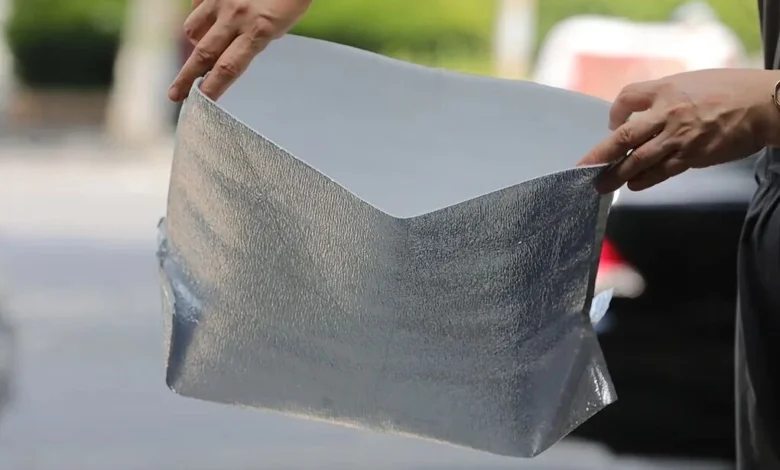
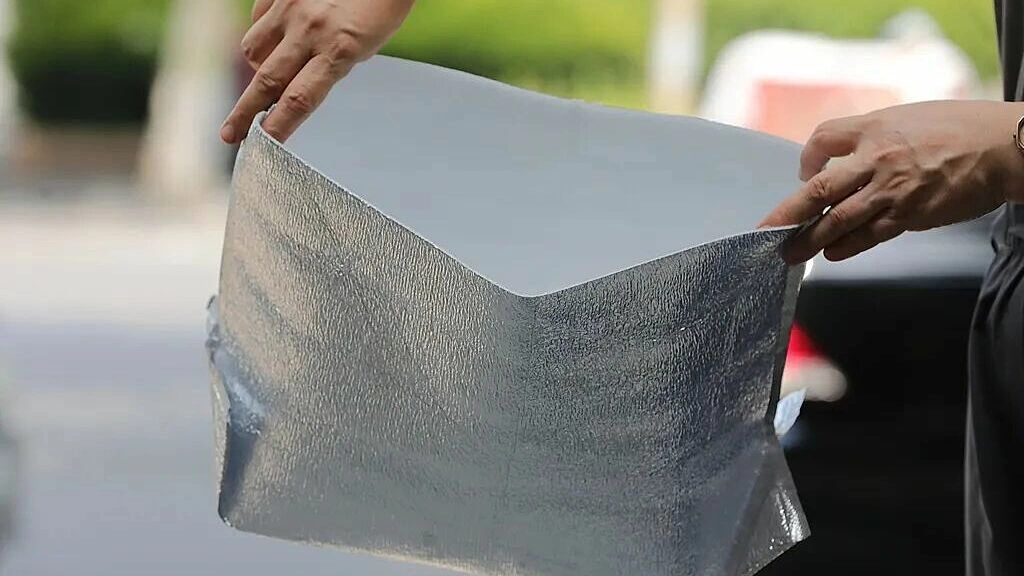
At the heart of the concern are thermal delivery bags, commonly used by food delivery services to keep meals hot during transit. These bags are typically engineered with an outer layer of aluminum foil or reflective synthetic fabric bonded to an inner layer of expanded polyethylene foam. In their pristine, manufactured state, these materials are generally inert and safe. However, the danger arises from the manufacturing processes used by low-cost, unregulated facilities.
Many of these cheaper products utilize industrial-grade adhesives to seal the seams and join the layers. These adhesives often contain high concentrations of formaldehyde—a colorless, strong-smelling gas categorized by the International Agency for Research on Cancer (IARC) as a Group 1 carcinogen. When these bags are subjected to high heat—such as placing a freshly cooked, steaming meal inside—the heat accelerates the chemical degradation of the adhesives. This process facilitates the off-gassing of formaldehyde, which then adheres to the surface of the food or permeates the confined, stagnant air of the bag.
When a consumer opens the bag, they are often hit with a localized, concentrated burst of these chemicals. Prolonged or repeated exposure to high levels of formaldehyde is scientifically linked to increased risks of nasopharyngeal cancer and leukemia. In acute exposure scenarios, the gas is known to cause severe irritation to the mucous membranes of the eyes, nose, and throat, manifesting as tearing, coughing, headaches, and respiratory distress.
Cardboard Accumulation and Indoor Air Quality
Beyond thermal bags, the habit of "stockpiling" cardboard shipping boxes in residential areas is a growing environmental health concern. The convenience of e-commerce has led to a surplus of shipping materials in many homes, often stored in basements or closets for later use. However, these boxes are not merely paper; they are treated with various inks, coatings, and adhesives that can release small quantities of VOCs over time.
While modern, high-quality cardboard typically utilizes starch-based or polyvinyl alcohol glues with negligible free-formaldehyde content, this is not the case for all packaging materials globally. In environments with poor ventilation, the accumulation of multiple boxes can elevate the ambient concentration of these chemical vapors. Experts advise that while storing a few clean, dry boxes in a well-ventilated area is generally safe, turning a home into a storage depot for shipping materials significantly increases the risk of chronic, low-level exposure to industrial pollutants.
Case Studies and Market Investigations
The risks associated with these items were recently highlighted by investigative efforts, such as those conducted by CCTV reporters, who randomly sampled 11 heat-retaining food delivery bags from the market. Laboratory testing revealed that all samples contained volatile organic compounds, including formaldehyde, toluene, and xylene, particularly when tested under simulated high-temperature conditions.
The findings underscored a critical nuance: the mere detection of a chemical does not automatically imply that a product has exceeded safety thresholds or is immediately toxic. However, the cumulative effect of these exposures in a domestic setting—where families may be exposed for hours each day—is what concerns toxicologists. The presence of these chemicals is most pronounced when the product is new or when it is subjected to temperatures higher than those for which it was originally designed.
The Fallacy of Common Home Remedies
A common misconception among the public is that indoor pollutants like formaldehyde can be easily neutralized using household remedies. Strategies such as placing potted plants, using activated charcoal, or burning scented candles are frequently cited on social media as effective air purifiers.
Scientific consensus, however, paints a much more sobering picture. Potted plants, while aesthetically pleasing, have a negligible impact on the concentrations of formaldehyde emitted from synthetic materials. Similarly, air fresheners often mask odors rather than removing the chemical source, sometimes introducing their own secondary pollutants into the air. The only truly effective way to mitigate these risks is to eliminate the source of the pollution and improve ventilation.
Official Guidance and Recommendations for Consumer Safety
Health agencies and regulatory bodies emphasize that thermal delivery bags are designed as single-use or limited-use items for professional delivery purposes. They are not intended for long-term food storage or as a replacement for food-grade, heat-resistant containers.
To reduce the risk of chemical accumulation in the home, experts recommend the following protocol:
- Prioritize Food-Grade Materials: Use only storage containers specifically labeled as "food-grade" and heat-resistant (e.g., tempered glass or high-quality stainless steel) for holding hot food.
- Improve Airflow: Ensure that living spaces, particularly kitchens and storage areas, are well-ventilated. Proper air exchange is the most effective method for reducing the concentration of indoor pollutants.
- Adopt a "Recycle, Don’t Store" Policy: Break down cardboard boxes immediately upon arrival and place them in appropriate recycling streams. Do not accumulate large quantities of packaging materials in the home.
- Scrutinize Product Sourcing: When purchasing household items, particularly those involving plastic or adhesives, look for reputable manufacturers with clear safety certifications. Avoid "no-name" products that lack labeling regarding material composition or safety standards.
- Monitor for Odors: If a product emits a strong, chemical, or "plastic" smell, it is a red flag. Discontinue use immediately, especially if that product is intended to come into contact with food.
Broader Implications for Public Health
The issue of chemical exposure from household items is part of a broader conversation about the "sick building syndrome" and the increasing burden of environmental toxins in modern life. As the global reliance on cheap, mass-produced plastic and composite materials continues to rise, the burden of proof for safety often falls on the consumer.
Public health advocates argue that there is an urgent need for more stringent regulations on the manufacturing of low-cost household accessories. If a product is intended to interact with food or be kept in a living space, the chemical profile of its adhesives and coatings should be subject to the same level of scrutiny as food packaging itself.
Until such regulations are universally enforced, the responsibility rests on the individual. The transition from a "repurpose everything" mindset to a more discerning approach to household goods is essential for long-term health. By replacing cheap, industrial-grade storage solutions with verified safe alternatives and ensuring that living spaces remain breathable, individuals can significantly mitigate the silent, invisible risks that modern conveniences have introduced into the sanctuary of the home. The message from the scientific community is clear: when in doubt, prioritize safety over the convenience of a temporary, potentially hazardous solution.