APEC 2027: Vietnam Welcomes a Transformative Opportunity to Shape Regional Growth and Attract High-Quality Investment

At the 33rd APEC Economic Leaders’ Meeting in Shenzhen, China, General Secretary and President To Lam officially assumed the role of Chair of the Asia-Pacific Economic Cooperation (APEC) for 2027. This milestone marks the third time Vietnam has undertaken this prestigious responsibility since joining the forum in November 1998. The transition sets the stage for Vietnam to lead and coordinate regional economic cooperation initiatives through 2027, culminating in the APEC Economic Leaders’ Week on Phu Quoc Island.
The selection of Vietnam as the host economy for APEC 2027 highlights the nation’s rising international stature, deep global integration, and proven capability to manage high-level multilateral events. As global supply chains undergo structural shifts and economies grapple with the demands of digital and green transformations, the upcoming APEC presidency offers Vietnam a strategic platform to champion inclusive growth, innovation, and sustainable regional connectivity.
A Legacy of Leadership in APEC Integration
Vietnam’s journey within APEC is a testament to its broader Doi Moi (Economic Renovation) policy and its unwavering commitment to international integration. Since becoming a member in 1998, Vietnam has progressively elevated its diplomatic and economic standing by successfully hosting the forum twice before.
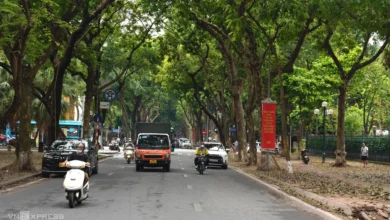
In 2006, Vietnam hosted APEC for the first time in Hanoi under the theme "Towards a Dynamic Community for Sustainable Development and Prosperity." This landmark event occurred shortly after Vietnam’s accession to the World Trade Organization (WTO), serving as a crucial catalyst for domestic reforms, international trade expansion, and a surge in foreign direct investment (FDI). Following the 2006 summit, Vietnam experienced a historic economic boom, recording an impressive GDP growth rate of 8.46% in 2007—the highest in nearly a decade—while registered FDI surged by 78% to reach $21.3 billion.
A decade later, in 2017, Vietnam hosted the APEC Economic Leaders’ Meeting in Da Nang under the theme "Creating New Dynamism, Fostering a Shared Future." The event further cemented Da Nang’s status as a global tourism and economic hub while reinforcing Vietnam’s role as an active contributor to regional stability, trade liberalization, and public-private partnerships.
By assuming the chairmanship for the third time, Vietnam marks another critical chapter in its development trajectory. The transition of leadership in Shenzhen underscores the trust and confidence that the international community places in Vietnam’s diplomatic vision and economic governance.
Strategic Priorities for APEC 2027: Building a New Era of Growth
During the handover ceremony, General Secretary and President To Lam introduced the overarching theme for APEC 2027: "Co-creating a New Era of Resilience, Innovation, and Shared Prosperity." This vision is anchored by three primary pillars designed to address contemporary economic challenges while aligning with regional interests:
- Enhancing economic productivity through technological adaptation and institutional reforms.
- Promoting sustainable regional trade and investment by lowering barriers and supporting resilient supply chains.
- Strengthening economic dynamism, resilience, and inclusivity to improve the overall quality of life for citizens across member economies.
In his address, the Vietnamese leader emphasized the nation’s commitment to being a dedicated and attentive host. "We are committed to being a steadfast host, listening to build consensus, connecting to expand cooperation, and working alongside members to create long-lasting value," he stated.
These priorities reflect a sophisticated understanding of current global economic shifts. Rather than focusing solely on traditional trade metrics, APEC 2027 will target the structural drivers of future growth, including artificial intelligence (AI), semiconductor manufacturing, data centers, renewable energy, and green finance.
Global Reactions and International Endorsement
Vietnam’s assumption of the APEC 2027 chair has drawn widespread praise and positive evaluations from international media outlets, regional governments, and global leaders. Prominent news agencies, including Xinhua, China Daily, the Chinese Military Review, AP, Reuters, and The Gulf Observer, extensively covered the event.
According to The Gulf Observer, APEC leaders expressed strong approval of the three strategic priorities outlined by Vietnam, expressing confidence that the country will foster constructive dialogue and contribute meaningfully to regional peace, stability, and prosperity. Malaysian state news agency Bernama noted that Vietnam’s hosting of APEC 2027 is widely anticipated to open a new chapter in regional cooperation, with member economies looking forward to innovative contributions from Hanoi.
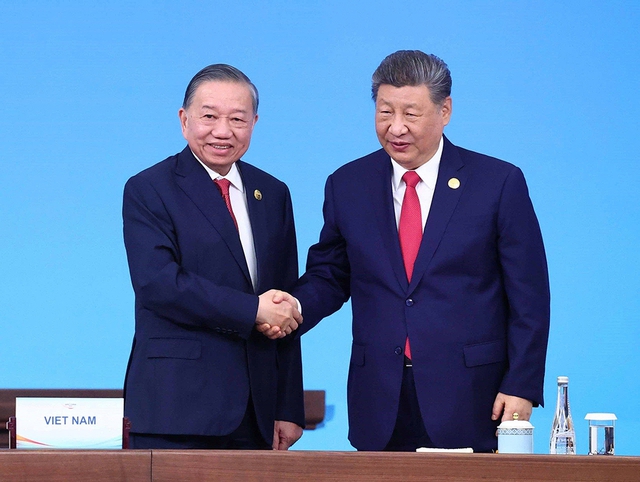
Furthermore, diplomatic engagements on the sidelines of the Shenzhen summit underscored Vietnam’s expanding geopolitical influence. U.S. President Donald Trump congratulated Vietnam on assuming the APEC 2027 role during a bilateral meeting with General Secretary and President To Lam, while also extending an invitation for the Vietnamese leader to attend the G20 Leaders’ Summit in Miami.
Economic Implications: Catalyzing Local and National Development
The economic benefits of hosting an APEC summit extend far beyond diplomatic visibility. Historically, host cities and countries experience profound structural transformations, accelerated infrastructure development, and a surge in foreign investment.
The impact of past APEC summits offers clear precedents. China’s economic trajectory accelerated dramatically following its hosting of APEC in Shanghai (2001) and Beijing (2014), leading to its integration into global manufacturing networks and a massive expansion in foreign trade. Similarly, the Philippines experienced robust economic growth following the 2015 Manila summit, driven by infrastructure investments and capital inflows.
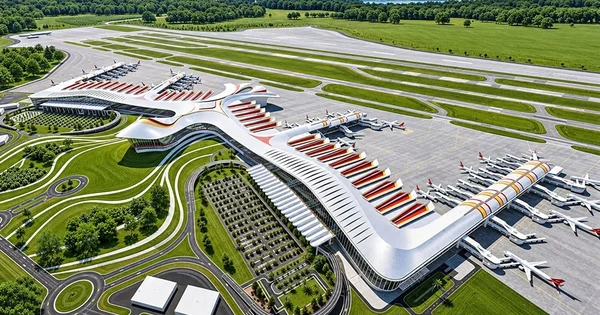
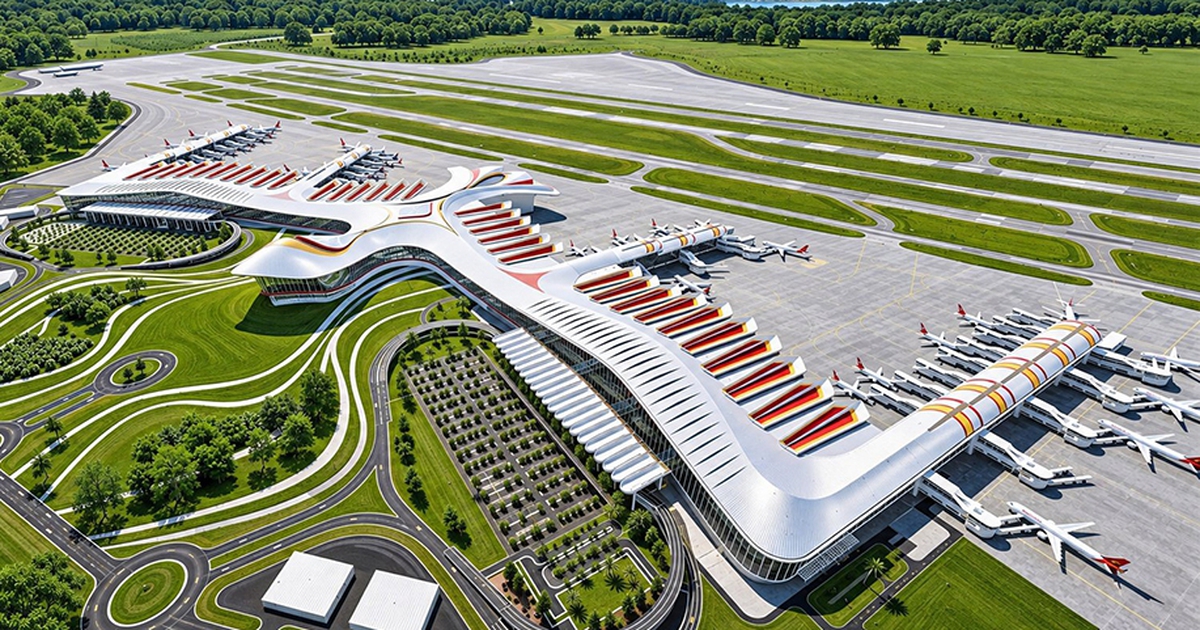
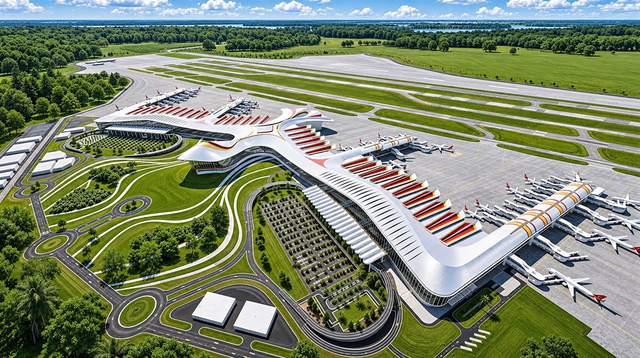
For Vietnam, APEC 2027 will serve as a powerful catalyst for the Mekong Delta region, with Phu Quoc Island acting as the epicenter of development. Massive infrastructure projects are already underway, including the expansion of Phu Quoc International Airport, upgrades to transportation networks, and the construction of state-of-the-art conference and exhibition facilities.
Associate Professor Dr. Tran Hoang Ngan, a member of the National Assembly and Chairman of the Advisory Council for Development Breakthroughs at Saigon University, highlighted the multifaceted benefits of the event. "Through APEC 2027, we not only fulfill our foreign policy objectives but also drive socio-economic development, promote our national image, and attract high-quality FDI, particularly green finance, digital transformation, and global supply chain integration," Dr. Ngan noted.
With APEC representing 21 member economies that account for approximately 40% of the global population, over 60% of world GDP, and nearly 50% of global trade, the platform provides Vietnam with unparalleled access to key global players, including the United States, China, Japan, South Korea, Russia, and Australia.
Preparing the Economy: Challenges and Strategic Solutions
While APEC 2027 presents extraordinary opportunities, economic experts emphasize that turning these prospects into tangible, long-term results requires meticulous planning, structural readiness, and proactive policy implementation.
Dr. Can Van Luc, a member of the National Advisory Council on Financial and Monetary Policies, pointed out that international capital flows are increasingly targeting advanced infrastructure, artificial intelligence, data centers, semiconductors, and renewable energy. While Vietnam stands to benefit immensely from these shifts, it faces fierce regional competition from Indonesia, Thailand, Malaysia, and India.
"Vietnam must address existing bottlenecks, including shortages of high-skilled labor, technological gaps, supporting industries, and constraints in energy and water infrastructure, to successfully capture high-end foreign investment," Dr. Luc analyzed. He recommended that Vietnamese enterprises implement a comprehensive "four-pillar transition"—focusing on digital transformation, green practices, energy efficiency, and workforce upskilling—while diversifying markets, supply chains, and financial structures.
At the legislative and governmental levels, Vietnam has already initiated critical policy reforms to enhance its business environment. In late 2021, the National Assembly passed resolutions introducing special mechanisms to promote tourism, including 24/7 entertainment zones and large-scale cultural centers. Furthermore, recent amendments to the Investment Law provide enhanced incentives, tax preferences, and support mechanisms for high-tech, strategic, semiconductor, and AI projects, alongside workforce training and eco-industrial park development.
Conclusion: A Unified National Effort Toward 2027
As preparation for APEC 2027 accelerates, the Vietnamese government, local authorities, and business communities face a tight schedule to complete infrastructure projects and organizational frameworks. Ensuring that projects on Phu Quoc Island and across the broader Mekong Delta region are completed on time will be critical not only for hosting world leaders smoothly but also for projecting an image of a dynamic, modern, and capable Vietnam.
By leveraging the technological transfers, knowledge sharing, and diplomatic goodwill generated through APEC 2027, Vietnam is well-positioned to deepen its integration into the global economy, elevate its national brand, and achieve sustainable, high-quality growth for the decades ahead.