Democratic Party Internal Fissures Deepen Following Strategic Setbacks and Shifting Political Realities in Alaska and Beyond

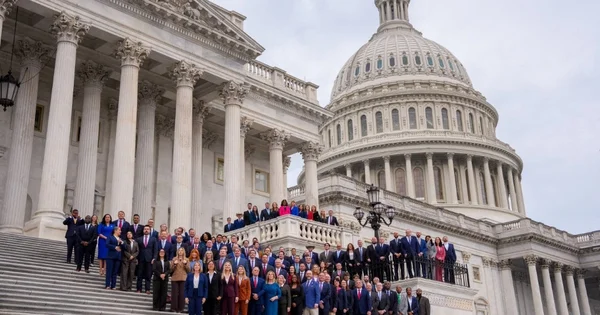
The recent electoral outcome in Alaska, where Democratic candidate Jonathan Kreiss-Tomkins secured a historic victory, has served as a catalyst for a complex debate regarding the future direction of the Democratic Party. As the dust settles on a ten-day vote-counting process, Kreiss-Tomkins, a former state legislator, has become the first Democrat elected to lead the state of Alaska since 1998. This victory, while statistically significant, has exposed deep-seated divisions within the party’s ranks concerning policy priorities, personnel management, and the appropriate tactical approach to dealing with President Donald Trump’s administration.
The Alaska Breakthrough: A Shift in Political Landscape
Jonathan Kreiss-Tomkins’ victory over three Republican challengers, including Bernadette Wilson—who received explicit support from President Trump—marks a turning point for the Democratic Party in the Last Frontier. By capturing this position, the party aims to bring its total to 30 governorships or similar high-level executive roles across the United States. This win follows a series of strategic gains on November 3, where the party successfully asserted control over key legislative chambers.
The campaign strategy employed by Kreiss-Tomkins was characterized by a focus on pragmatic, kitchen-table issues: reducing the cost of living, securing long-term educational budgets, and implementing corporate income taxes specifically targeting oil and gas producers. By building a coalition that transcended traditional party lines—securing endorsements from Republican state senator Lisa Murkowski and various independent political figures—Kreiss-Tomkins demonstrated a model of cross-partisan appeal.
However, political analysts remain divided on whether this strategy is replicable nationally. Elaine Kamarck, a senior fellow in Governance Studies at the Brookings Institution, suggests that while victories in regional pockets are positive, they often mask the growing friction between centrist and progressive wings of the party, particularly when those factions are forced into a unified national agenda.
Legislative Clashes and Ideological Tensions
The internal dissonance within the Democratic Party was starkly visible during the recent party summit in Denver, Colorado. The discourse revealed a clear rift between the progressive wing, led by figures like Representative Ro Khanna, and the pragmatic, moderate wing represented by Pennsylvania Governor Josh Shapiro.
Representative Khanna has advocated for an aggressive pivot toward a progressive platform, including universal healthcare, wealth taxation, and a minimum wage hike to $25 per hour. Khanna argues that the party’s failure to resonate with disenfranchised voters stems from a lack of bold, systemic reform. Conversely, Governor Shapiro maintains that the party must transcend the binary trap of “progressive vs. moderate” rhetoric, focusing instead on the tangible, everyday policy outcomes that directly influence the lives of voters. Shapiro posits that legislative efficacy, rather than ideological purity, is the only viable path forward.
Confronting the Trump Administration: A Strategy in Flux
The approach to the incoming administration remains a primary point of contention. Newly elected legislators, such as James Talarico of Texas, have called for a collaborative approach with the White House, arguing that voters cannot afford to wait two years for meaningful change to materialize. Conversely, others like Abdul El-Sayed from Michigan have taken a more combative stance, even mocking the administration’s proposed healthcare initiatives as "TrumpCare" while simultaneously pushing for bipartisan support on essential public health reforms.
This strategic uncertainty is further complicated by the role of oversight. Representative Jamie Raskin, a staunch proponent of robust congressional oversight, has urged his colleagues to maintain constant pressure on the executive branch. Former Attorney General Eric Holder has issued warnings that premature compromise with the Trump administration could result in long-term electoral disaster for the Democratic Party, effectively demoralizing their base.
Leadership Challenges and the Path to Governance
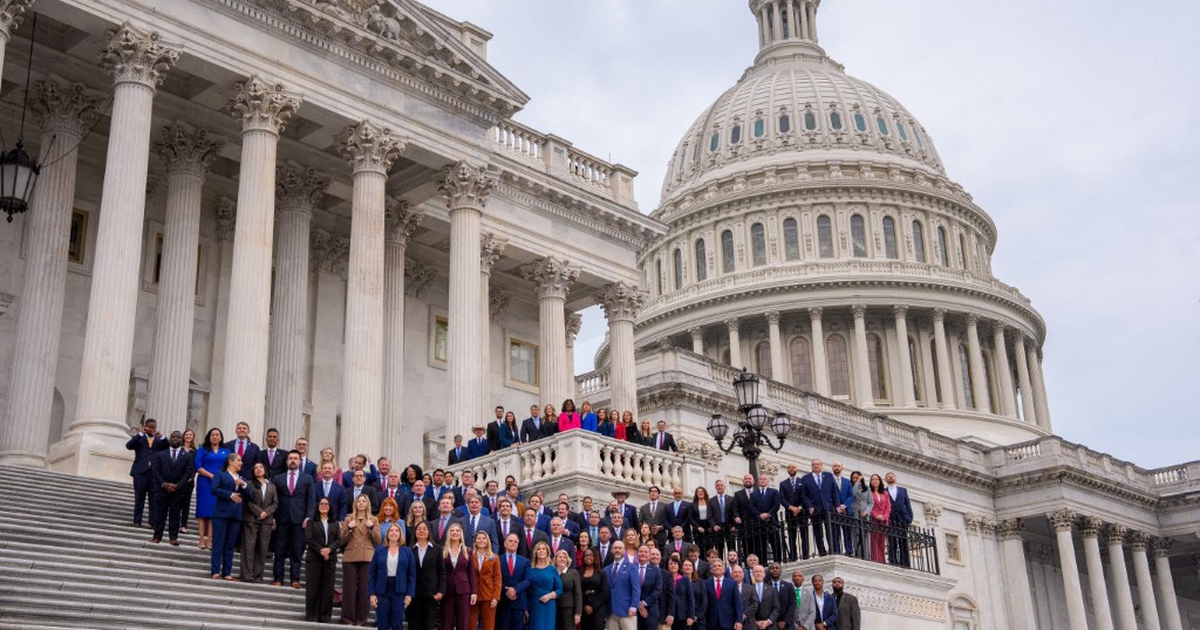
The debate is not limited to policy; it extends to the very leadership of the party. In the Senate, Chris Van Hollen has challenged current leader Chuck Schumer, arguing that the party requires a fresh perspective to address the shifting demands of the electorate. While Schumer has maintained that he possesses sufficient support to continue his leadership, the friction highlights a broader dissatisfaction with the status quo.
In the House, Representative Pramila Jayapal has conditioned her support for Hakeem Jeffries on his commitment to advancing universal healthcare—a position that remains politically fraught. As noted by political observer Adam Jentleson, the recent victories by candidates in places like Alaska have provided little leverage for the party’s central leadership, as these new arrivals were often elected on localized platforms that do not always align with the national party’s messaging.
The Legislative Math and the 60-Vote Hurdle
Despite the excitement surrounding recent electoral wins, the fundamental challenge of the "60-vote threshold" remains a major roadblock for the Democratic Party in the Senate. Even with unified internal support, the party lacks the necessary numbers to bypass the filibuster, forcing them to navigate a legislative environment where President Trump maintains significant veto power.
This reality has forced a period of intense reflection. House Speaker Mike Johnson, while acknowledging the recent electoral losses of the Republican Party, has also signaled a transition in his own leadership role, leaving a power vacuum that both parties are eager to fill. Meanwhile, Democrats are preparing to ramp up investigations into the Trump administration starting in January 2027. These investigations are expected to scrutinize the role of billionaire Elon Musk in the Department of Government Efficiency (DOGE), the procurement contracts awarded to SpaceX, and the ambiguity surrounding satellite services provided to Ukraine.
Broader Implications and Future Outlook
The internal struggle within the Democratic Party is symptomatic of a broader political realignment in the United States. The party is currently attempting to balance the demands of a highly motivated progressive base with the need to win over moderate, suburban, and rural voters who are wary of radical policy shifts.
The timeline of the next two years will be critical. The effectiveness of the party’s oversight committees will likely determine whether they can successfully turn public sentiment against the current administration’s policies. However, there is a risk that excessive focus on investigations could alienate voters who are more concerned with economic stability and infrastructure.
Furthermore, the "Alaska model"—a victory built on moderate, localized economic populism—suggests that future success may depend less on national branding and more on the ability of individual candidates to tailor their platforms to specific regional needs. As the party moves toward the next election cycle, the ability to synthesize these competing philosophies into a coherent and compelling national narrative will be the ultimate test of their institutional durability.
In conclusion, the current state of the Democratic Party is one of transition and profound internal debate. While the win in Alaska provides a much-needed morale boost and a template for regional success, it also highlights the precarious nature of the party’s coalition. Whether the party can reconcile its internal differences and present a unified, effective front to the American electorate remains an open question—one that will be answered in the legislative chambers and on the campaign trails over the coming years. The upcoming congressional sessions will serve as the proving ground for whether these disparate factions can find common ground or if the party will remain caught in a cycle of ideological gridlock.