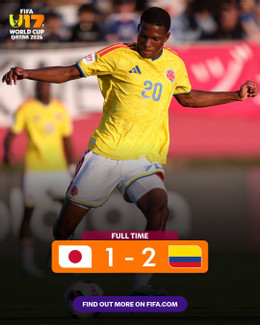
U17 Japan Suffers Heartbreaking 1-2 Defeat to U17 Colombia in U17 World Cup 2026 Opener After Late Penalty and Red Card

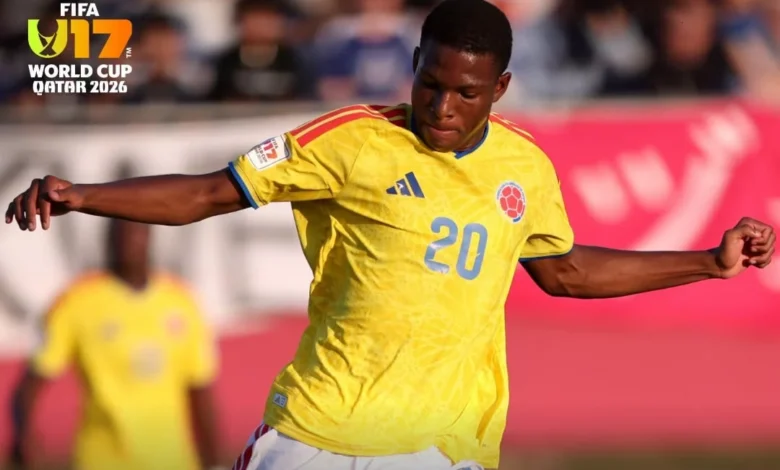
The journey at the FIFA U-17 World Cup 2026 commenced with profound heartbreak for Asian powerhouse U17 Japan, who fell to a narrow 1-2 defeat against U17 Colombia in their opening fixture. Entering the tournament with high aspirations, the young Samurai Blue fought valiantly despite playing a significant portion of the match with ten men. However, a dramatic late penalty awarded in stoppage time shattered their hopes of securing a positive result, leaving them facing an uphill battle in the preliminary group stage.
The high-stakes encounter at the global youth showcase delivered intense drama from the opening whistle to the final seconds. While both sides displayed remarkable tactical discipline and technical proficiency characteristic of modern youth football, it was the South American side that ultimately capitalized on decisive moments to claim all three early points in the group standings.
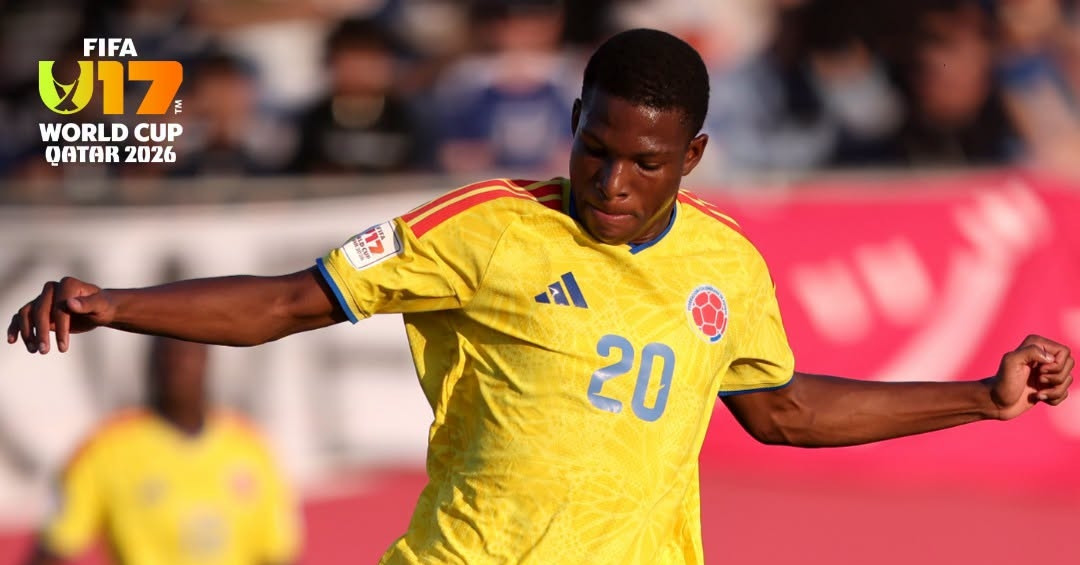
Early Shockwaves and Tactical Adjustments
U17 Japan stepped onto the pitch with clear tactical intentions to dictate the tempo and impose their crisp passing game. However, these plans were disrupted almost immediately by a resolute and energetic U17 Colombia side.
Just five minutes into the match, defensive lapses proved costly for the Asian side. Colombian forward Agamez found space inside the penalty area, exploiting a momentary lack of concentration in the Japanese backline. With a composed finish, Agamez beat the onrushing goalkeeper to send the ball into the back of the net, handing Colombia an early 1-0 lead. This sudden setback forced U17 Japan to radically alter their approach, shifting from a balanced tactical setup to an aggressive, high-pressing offensive structure.
Despite dominating possession following the early goal, U17 Japan encountered formidable resistance. The multi-layered defensive block orchestrated by the Colombian technical staff effectively neutralized central passing lanes, forcing the Japanese attackers to seek openings through wide areas. The physical presence and tactical organization of the South American defenders limited clear-cut opportunities for a considerable stretch of the first half.
The Equalizer Before Halftime
Persistence eventually rewarded the Asian hopefuls just before the interval. In the 38th minute, a fluid attacking sequence dismantled the Colombian defensive structure. Midfielder Kitahara delivered a precise, low cross across the face of the goal, bypassing retreating defenders to find Saito arriving at the far post. Saito met the delivery cleanly, steering the ball past the goalkeeper to equalize and restore parity at 1-1.
The goal injected renewed momentum into the Japanese camp as both teams headed into the dressing rooms level. The tactical battle had proven intensely physical, demanding high work rates from both midfields as the tournament favorites sought to reassert their authority.
Second-Half Intensity and the Turning Point
The second half commenced with increased urgency from both sides. U17 Colombia adjusted their pressing scheme, increasing the physical intensity and creating a cagey, high-tempo tactical battle in the middle third. While U17 Japan managed to orchestrate several promising offensive transitions, a lack of clinical execution in the final third prevented them from converting half-chances into a lead.
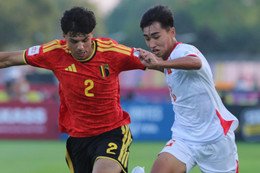
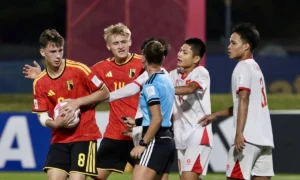
The defining turning point of the match arrived in the 80th minute. Japanese defender Motosuna, already cautioned earlier in the match, committed a foul that earned him a second yellow card, resulting in his expulsion. Forced to play the remainder of the fixture with ten men, the structural balance of the Japanese team shifted dramatically.
Capitalizing on their numerical advantage, U17 Colombia seized the initiative, increasing attacking pressure in the closing stages. The exhausted Japanese defense struggled to contain the sustained waves of pressure from the South American side.
Stoppage-Time Drama and Match-Winning Penalty
As the match drifted deep into stoppage time, the decisive moment arrived inside the penalty box. A swift Colombian counter-attack caught the disorganized Japanese defense out of position, resulting in a foul deemed worthy of a penalty kick by the match official.
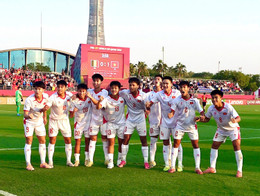
Substitute Samuel Martinez stepped up to take the responsibility in the 93rd minute. Demonstrating remarkable composure under immense pressure, Martinez struck the ball firmly into the corner of the net, sealing a dramatic 2-1 victory for U17 Colombia and sparking wild celebrations among the South American contingent.
Match Summary and Statistical Overview
Final Score: U17 Japan 1 – 2 U17 Colombia
Goals:
- U17 Japan: Saito (38′)
- U17 Colombia: Agamez (5′), Samuel Martinez (90+3′)
Starting Lineups:
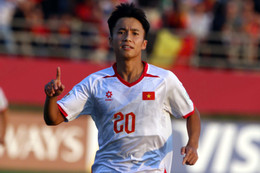
- U17 Japan: Oshita, Motosuna, Kurahashi, Ezemuokwe, Nakashima, Wada, Hoshi, Kimura, Satomi, Saito, Kitahara
- U17 Colombia: Martinez, Estrella, Fori, Vallecilla, Murillo, Carrillo, Agamez, Mosquera, Maturana, Escoria, Caicedo
Implications for the Group Stage and Broader Context
This late defeat leaves U17 Japan facing significant pressure heading into the subsequent rounds of the FIFA U-17 World Cup 2026. In an expanded tournament format where every point dictates qualification probabilities for the knockout rounds, starting with a loss complicates qualification math significantly. The coaching staff will need to address defensive vulnerabilities and discipline management ahead of their upcoming fixtures.
Meanwhile, the tournament continues to highlight the rising competitive standards across all confederations. Alongside other notable Asian participants such as U17 Vietnam—who recently demonstrated remarkable resilience against European opposition despite a narrow defeat—the continent’s representatives face formidable challenges on the global stage.
As the group stage progresses, U17 Japan must regroup quickly, correct structural errors under pressure, and secure vital victories in their remaining fixtures to keep their aspirations of advancing to the Round of 32 alive.