The Dangers of Late-Night Football Consumption Habits and Their Long-Term Impact on Metabolic Health

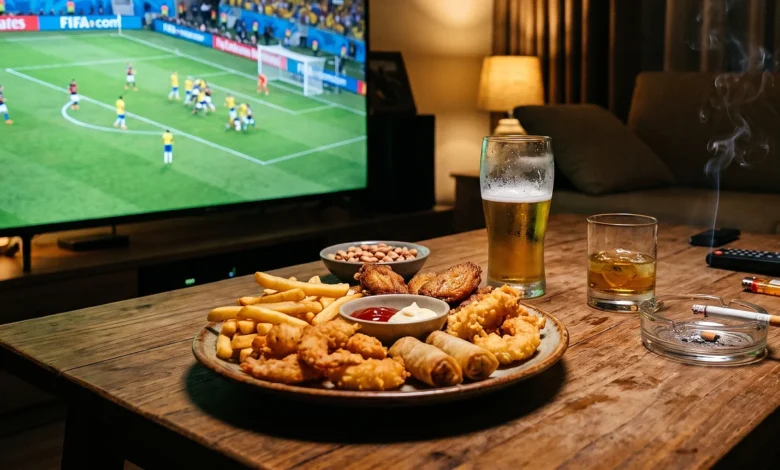
The global passion for football often transcends the boundaries of time and physical endurance, yet for millions of fans, the excitement of major tournaments comes with a hidden physiological cost. Medical professionals are increasingly sounding the alarm regarding a "silent combo" of destructive habits—consuming fried foods, sugary beverages, and alcohol while sacrificing sleep to watch late-night matches—that can lead to severe long-term health complications. Dr. Le Thi Huong Giang, Head of the Nutrition Department at Hospital 19-8 under the Ministry of Public Security, warns that the convergence of circadian rhythm disruption and improper nocturnal energy intake creates a perfect storm for gastric distress and metabolic disorders. When fans stay awake into the early hours of the morning, the body’s natural hormonal balance is upended, stimulating a false sense of hunger that drives individuals toward high-calorie, low-nutrient "comfort foods" that the body is ill-equipped to process during its natural rest cycle.
The Physiological Impact of Late-Night Feeding and Sleep Disruption
The human body operates on a sophisticated internal clock known as the circadian rhythm, which regulates everything from body temperature to the secretion of digestive enzymes. Under normal circumstances, the digestive system slows down during the night to allow for cellular repair and metabolic maintenance. However, the culture of watching football often involves transforming what should be a light snack into a full-scale meal. Dr. Giang notes that staying up late suppresses leptin (the hormone that signals fullness) and increases ghrelin (the hormone that triggers hunger). This hormonal shift explains why fans often find themselves craving sugary, fatty, and salty foods during a 2:00 AM kickoff.
When these high-calorie foods are ingested during the biological night, the body’s insulin sensitivity is significantly lower than it is during the day. This results in prolonged elevation of blood glucose levels and an increased likelihood that excess energy will be stored as visceral fat. Over the course of a month-long tournament, such as the FIFA World Cup or the UEFA European Championship, these nightly indulgences can lead to rapid weight gain, the development of fatty liver disease, and the onset of insulin resistance, which is a precursor to Type 2 diabetes.
Evaluating the Carcinogenic Risks of Popular Match-Day Snacks
The nutritional profile of common football snacks is particularly concerning to oncologists and nutritionists. Many fans gravitate toward processed meats, such as sausages, grilled skewers, and fried snacks, due to their convenience and palatability. However, the International Agency for Research on Cancer (IARC), a branch of the World Health Organization (WHO), has classified processed meats as Group 1 carcinogens and red meat cooked at high temperatures as Group 2A—substances that are probably carcinogenic to humans.
Data indicates that the regular consumption of just 100 grams of red meat per day can increase the risk of colorectal cancer by 17%. This risk escalates by an additional 18% if an individual consumes 50 grams of processed meat, such as sausages or bacon, on a daily basis. The primary culprits are chemical preservatives like nitrates and nitrites, which can be converted into N-nitroso compounds—potent carcinogens—once they enter the digestive tract. Furthermore, research conducted in Singapore has highlighted that foods rich in sugar and fat can produce methylglyoxal, a compound that negatively impacts tumor-suppressing genes, potentially weakening the body’s natural defenses against the development of cancerous cells.
The Liquid Calorie Trap: Sugar, Alcohol, and Caffeine
While the food consumed during matches is a major concern, the beverages used to wash them down often contain even higher concentrations of hidden health risks. A standard 330ml can of sugar-sweetened soda contains approximately 37 grams of sugar, which significantly exceeds the WHO’s recommended daily intake of less than 25 grams of free sugars for optimal health. Consuming multiple sodas during a single match can lead to massive spikes in blood sugar and contribute to the erosion of dental enamel and the development of metabolic syndrome.
Alcohol consumption presents a dual threat of high caloric density and physiological toxicity. For many fans, a football match is synonymous with beer; however, consuming just three to four cans of beer can add upwards of 600 calories to a single night’s intake—roughly equivalent to a full meal. Beyond the calories, alcohol interferes with the liver’s ability to regulate glucose and disrupts the REM (Rapid Eye Movement) stage of sleep, ensuring that even if a fan manages to sleep after the game, the quality of that rest is profoundly compromised.
Even seemingly "healthy" snacks like roasted peanuts are deceptive. While they provide protein and healthy fats, they are extremely calorie-dense, containing nearly 600 calories per 100 grams. When combined with soda or beer, the total caloric intake of a "late-night snack" can easily exceed 1,000 to 1,500 calories, all consumed at a time when the body’s metabolic rate is at its lowest.
Secondary Hazards: Caffeine and Tobacco Use
To combat the fatigue of staying awake until dawn, many fans turn to high-caffeine energy drinks or coffee. While caffeine can provide a temporary boost in alertness, it also increases the heart rate and blood pressure, which may already be elevated due to the emotional stress and excitement of the game. This combination can be particularly dangerous for individuals with underlying cardiovascular conditions. Furthermore, caffeine consumed late at night lingers in the system for several hours, making it nearly impossible for the brain to enter deep, restorative sleep cycles once the match concludes.
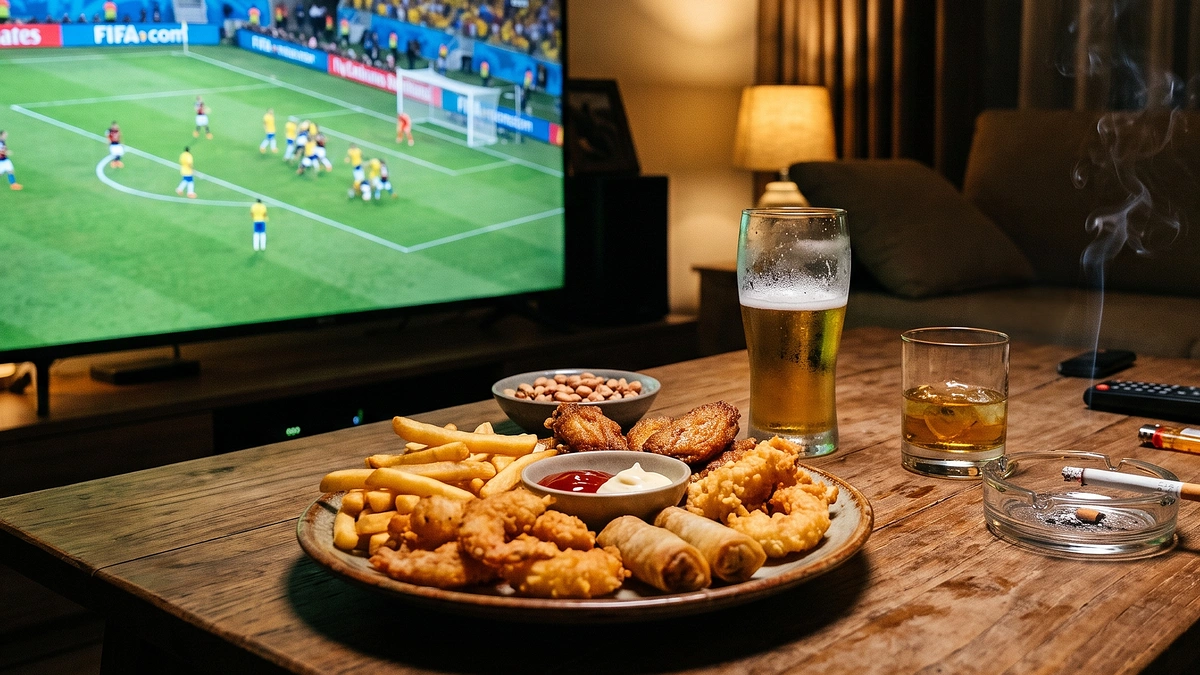
In social settings, such as sports bars or home gatherings, the prevalence of smoking often increases. Tobacco smoke contains over 7,000 chemicals, at least 60 of which are known to cause cancer. Nicotine is a powerful stimulant that further strains the cardiovascular system. Perhaps more concerning is the impact of secondhand smoke on family members, including children and the elderly, who may be in the same environment. The combination of poor air quality, high-stress levels from the match, and stimulant use creates an environment that is antithetical to cardiovascular health.
Chronology of a Tournament: The Cumulative Effect on Public Health
The health impact of football season is not merely the result of a single night of excess but rather the cumulative effect of a month-long disruption.
- Week 1: Fans experience initial fatigue, minor digestive issues, and a slight increase in blood pressure. The body attempts to compensate for the lack of sleep, but cognitive function begins to dip.
- Week 2: The "sleep debt" accumulates. Hormonal imbalances lead to consistent cravings for high-carb foods. Weight gain of 1–2 kilograms is common during this phase.
- Week 3: Chronic sleep deprivation begins to affect the immune system. Fans become more susceptible to seasonal illnesses. Metabolic markers, such as cholesterol and fasting glucose levels, may begin to shift into unhealthy ranges.
- Week 4 (The Finals): Emotional stress peaks. The risk of acute cardiovascular events, such as heart palpitations or hypertensive crises, increases, particularly among older fans or those with pre-existing conditions.
By the end of a major tournament, healthcare providers often see a surge in patients reporting "post-tournament syndrome," characterized by significant weight gain, persistent lethargy, and exacerbated symptoms of gastric reflux or irritable bowel syndrome.
Expert Recommendations for Mitigating Health Risks
To protect public health while still allowing fans to enjoy the "beautiful game," Dr. Giang and other health experts suggest a strategy of moderation and preparation. Rather than attempting to watch every match in a 64-game tournament, fans are encouraged to be selective, prioritizing only the most important fixtures involving their favorite teams.
For those who must stay up, the following protocol is recommended:
- The "Banked Sleep" Method: If a match is scheduled for 2:00 AM, fans should attempt to go to bed as early as 8:00 PM or 9:00 PM to ensure they get at least four to five hours of sleep before the kickoff.
- Post-Match Recovery: Following a late-night game, a short 30-minute "power nap" during the lunch hour the next day can help restore some cognitive function, though it cannot fully replace lost nighttime sleep.
- Nutritional Substitution: Instead of fried dough or processed meats, fans should opt for water, herbal tea, or small portions of fresh fruit. If a snack is necessary, a small bowl of plain yogurt or a few slices of cucumber can satisfy the urge to eat without overloading the system with calories.
- Hydration over Stimulation: Replacing soda and beer with water is the single most effective way to reduce the caloric load of a football night.
Special Precautions for High-Risk Groups
The warning is particularly urgent for individuals over the age of 50 or those with a history of hypertension, cardiovascular disease, or diabetes. The emotional intensity of a high-stakes football match—such as a penalty shootout or a last-minute goal—triggers a massive release of adrenaline and cortisol. In a body already weakened by sleep deprivation and poor nutrition, this surge can trigger a myocardial infarction (heart attack) or a stroke.
Medical experts advise that high-risk individuals should strictly avoid staying up for consecutive nights and should monitor their blood pressure regularly during tournament season. If symptoms such as chest pain, shortness of breath, or sudden dizziness occur during a match, immediate medical attention is required, as the excitement of the game can often mask the early warning signs of a medical emergency.
Conclusion: Balancing Passion with Well-being
The cultural significance of football is undeniable, providing a sense of community and excitement that is rare in modern life. However, the current "combo" of lifestyle choices accompanying the sport is unsustainable for the human body. By understanding the metabolic and oncogenic risks associated with late-night snacking and sleep loss, fans can make more informed decisions. The goal for any supporter should be to remain healthy enough to see their team compete in many tournaments to come, rather than sacrificing long-term vitality for a few weeks of midnight festivities. As the next major tournament approaches, the message from the medical community is clear: prioritize sleep, choose water over sugar, and remember that your health is the most valuable trophy of all.