Infrastructure Breakthroughs Propel South Ho Chi Minh City Real Estate into a New Era of Sustainable Growth

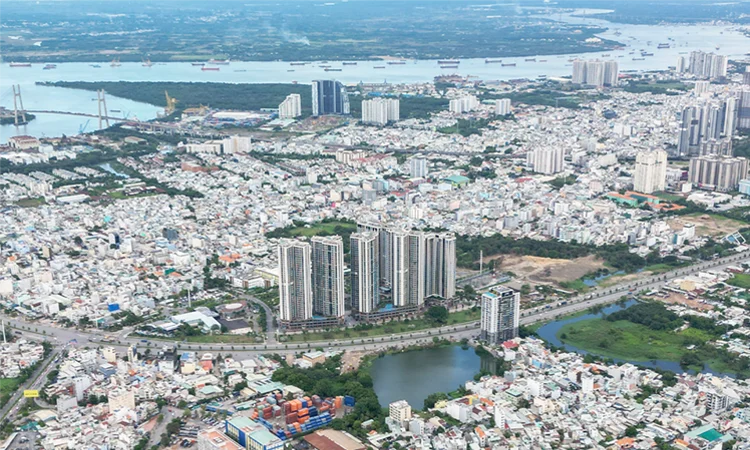
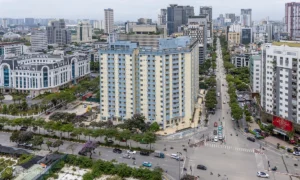
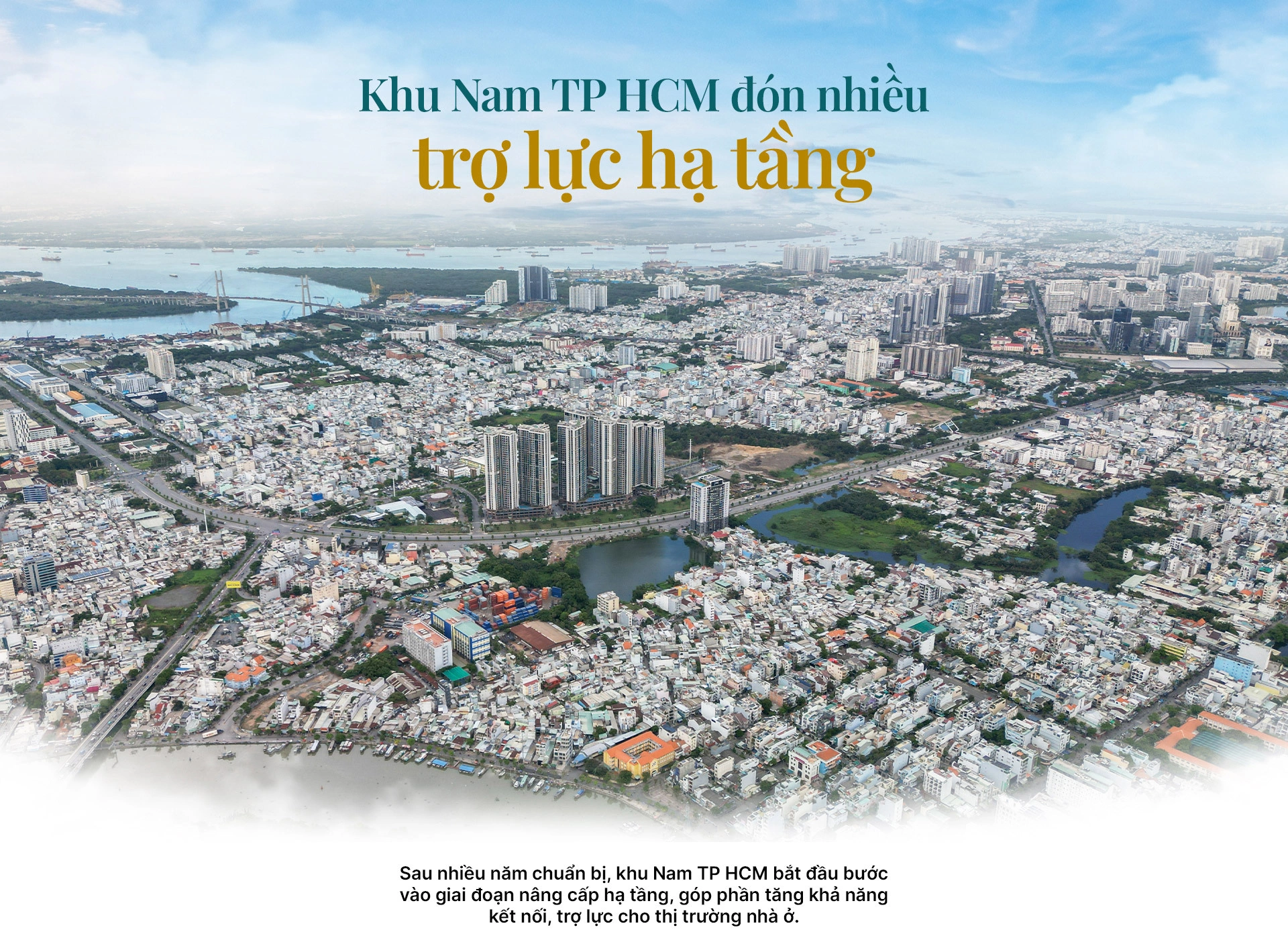
Ho Chi Minh City’s urban development has long demonstrated that infrastructure serves as the primary catalyst for real estate market expansion, a trend currently manifesting in the rapid revitalization of the city’s Southern corridor. While the Eastern district previously dominated the spotlight through landmark projects such as the Thu Thiem 1 Bridge, the Vo Nguyen Giap Highway (formerly Hanoi Highway), the Long Thanh – Dau Giay Expressway, and Metro Line No. 1, the focus is now shifting toward the South. Following a period of relative stabilization, South Ho Chi Minh City is entering a transformative investment cycle spanning 2025 to 2030, characterized by a series of high-impact transportation projects designed to dissolve long-standing traffic bottlenecks and unlock significant land value.
The 2025-2030 Infrastructure Roadmap: Dissolving the Bottlenecks
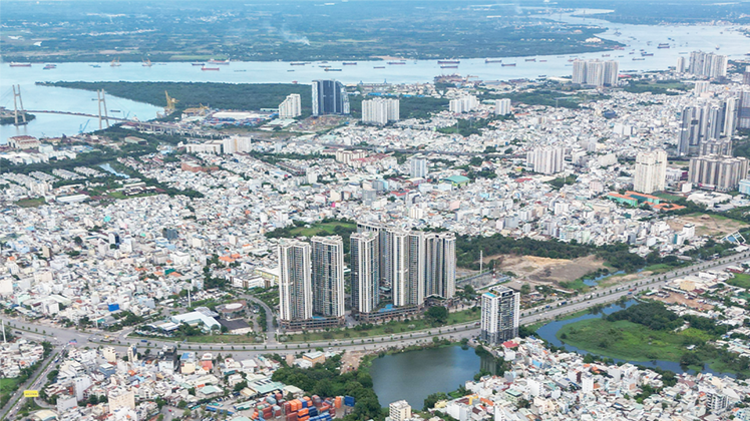
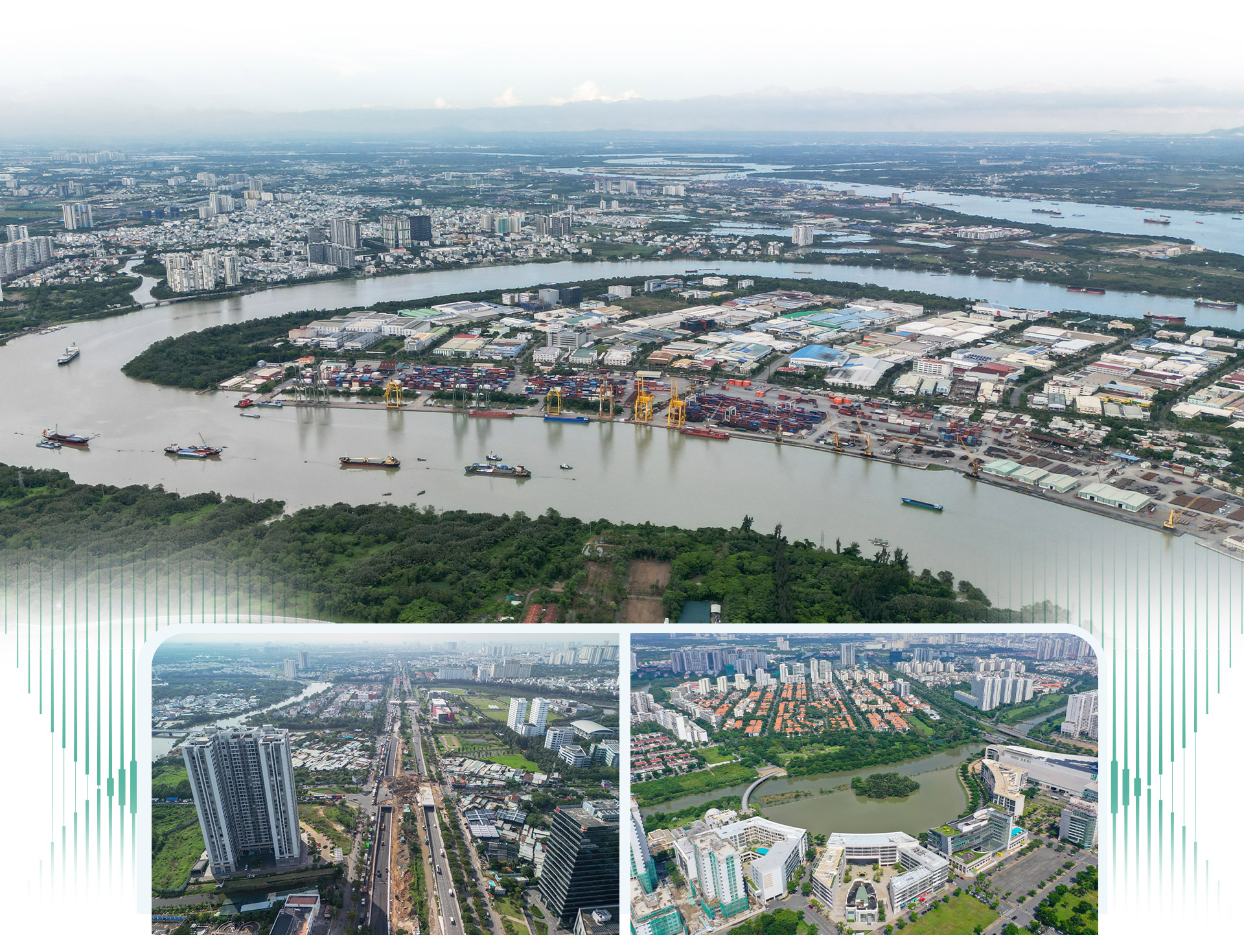
The strategic development plan for South Ho Chi Minh City involves a multi-modal approach, integrating road underpasses, expansive river-crossing bridges, and high-speed rail. The immediate priority is the stabilization and full-scale operation of the Nguyen Van Linh – Nguyen Huu Tho underpass, scheduled for early 2025. This project, representing a total investment of 830 billion VND, consists of two distinct branches, each stretching 456 meters with three lanes. Located at the critical intersection serving the Phu My Hung urban area, the Tan Thuan Export Processing Zone, and RMIT University, this underpass is designed to eliminate the severe congestion that has hindered the connection between Nha Be District and the city center for over a decade.
Beyond this intersection, the municipal government is prioritizing the Nguyen Khoai Bridge project. After nearly ten years of preparatory planning, the project is slated for commencement in late 2025 with a projected budget exceeding 3.7 trillion VND. Upon its expected completion in 2027, the bridge will provide a direct artery from the South into the city’s core, significantly relieving the chronic pressure on the Kenh Te Bridge and the Nguyen Huu Tho axis. This project is not merely a transport solution; it is a fundamental reconfiguration of how District 7 and the Nha Be region interface with the metropolitan center.
Expanding Regional Connectivity: Thu Thiem 4 and Phu My 2 Bridges
A critical component of the Southern development strategy is the establishment of multi-directional connectivity, moving away from a simple North-South axis toward an integrated regional network. Two major bridge projects are central to this vision: the Thu Thiem 4 Bridge and the Phu My 2 Bridge.
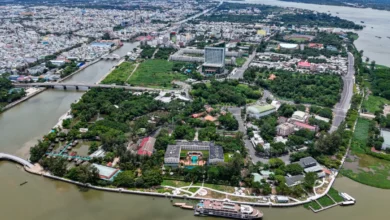
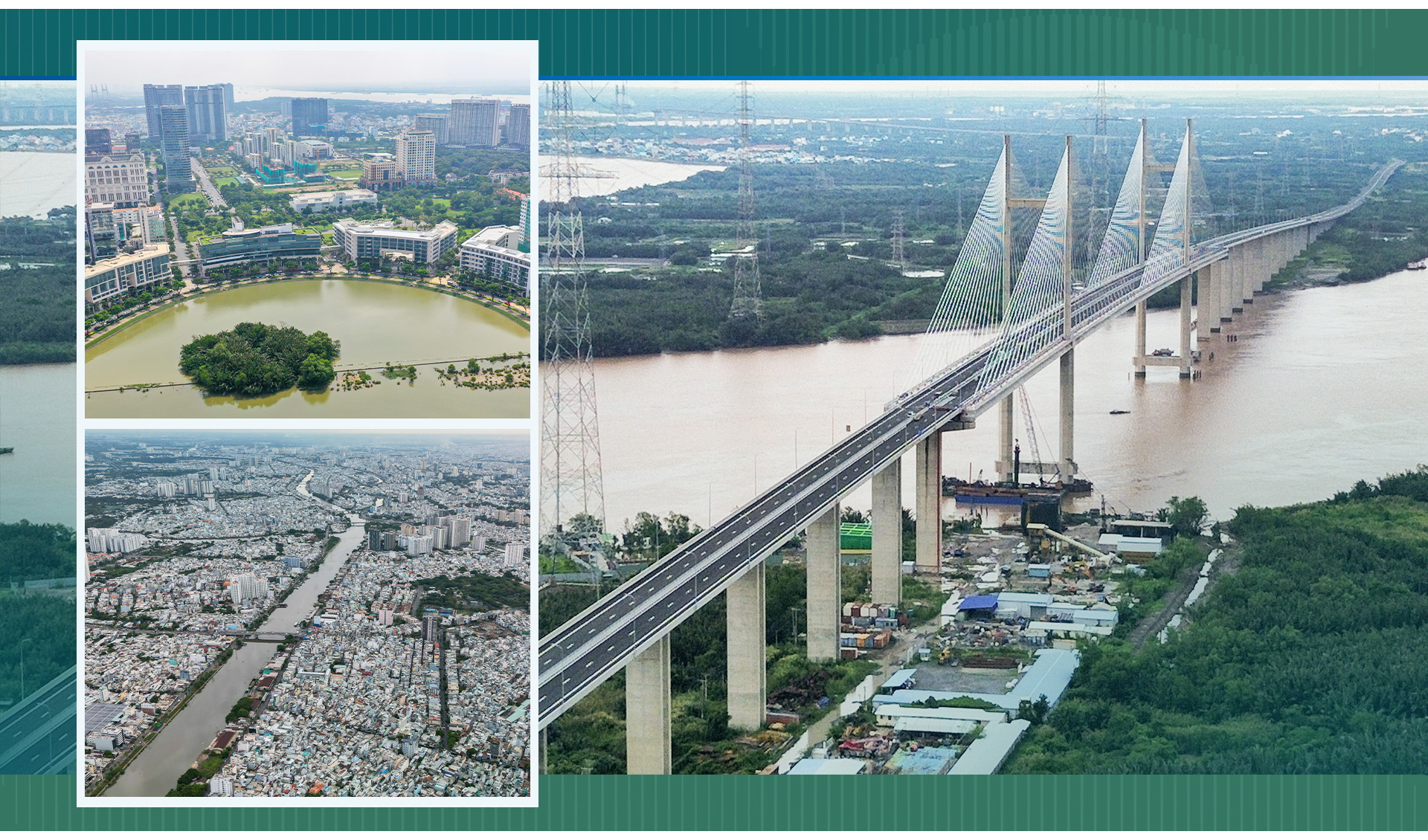
The Thu Thiem 4 Bridge, spanning 2.16 kilometers, will connect the Southern district directly to the Thu Thiem Peninsula, the city’s burgeoning new financial center. Starting at the Nguyen Van Linh – Tan Thuan 2 Bridge intersection and ending at Nguyen Co Thach Street in the An Khanh ward, this link will integrate the established residential and commercial wealth of the South with the modern administrative core of the East.

Concurrently, the Phu My 2 Bridge is planned as a regional gateway, connecting South Ho Chi Minh City to Dong Nai Province and the highly anticipated Long Thanh International Airport. With a length of 6.3 kilometers and a design scale of eight lanes—including six for automobiles and two for mixed traffic—the bridge will begin at the Nguyen Huu Tho axis and terminate in the Dai Phuoc commune of Dong Nai. This infrastructure piece effectively places the Southern urban area at the center of the Southern Key Economic Zone, providing residents with unprecedented access to international transit hubs.
The High-Speed Leap: Vinspeed and the TOD Model
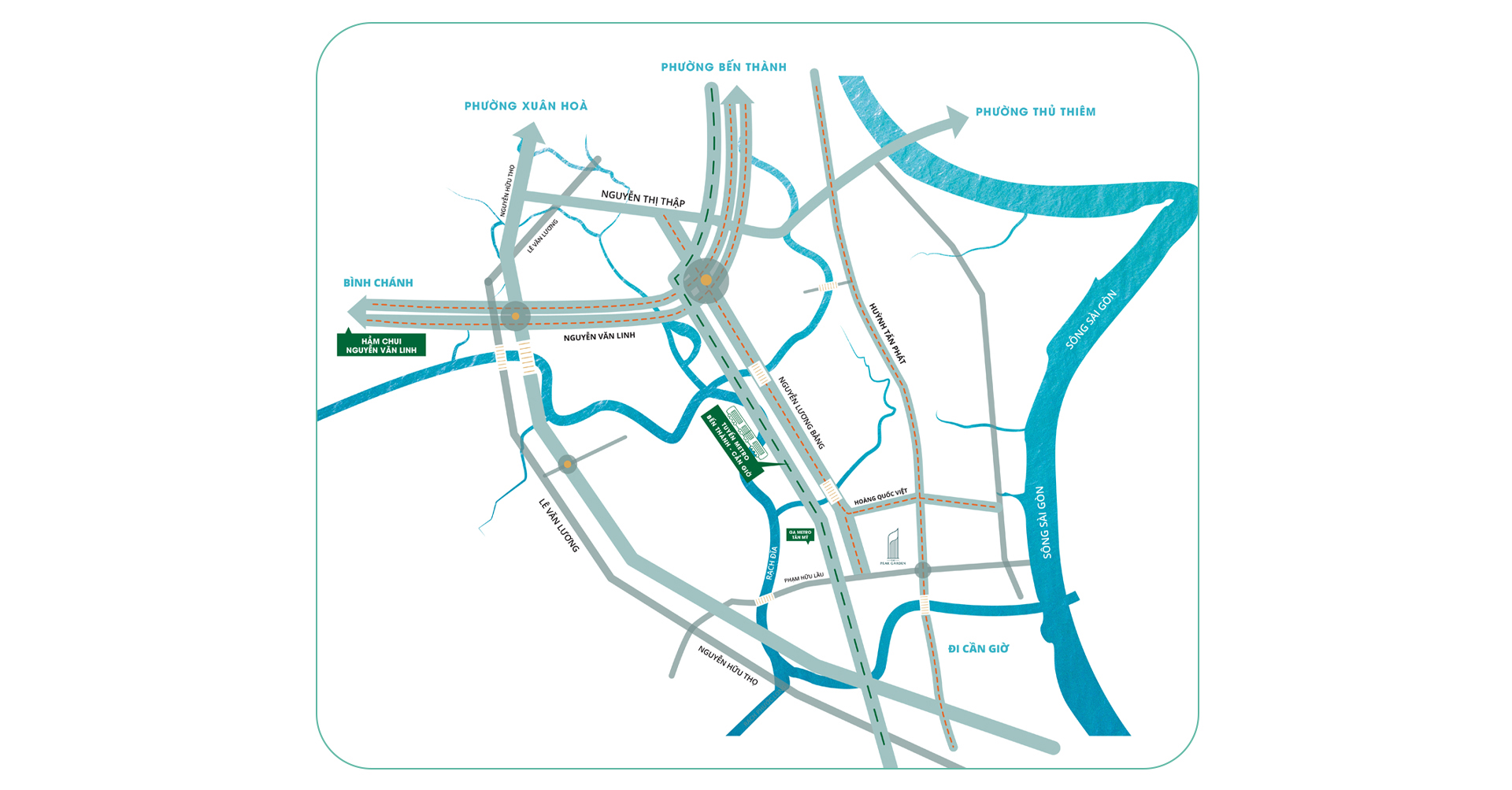
Perhaps the most ambitious project on the horizon is the Ben Thanh – Can Gio high-speed rail link, a project exceeding 50 kilometers in length funded by Vinspeed. Departing from the technological framework of Metro Line 1, this rail line is designed for high-speed technology reaching 350 km/h. This would reduce the travel time from the heart of District 1 to the coastal Can Gio district to approximately 15 to 20 minutes.
For the South, the significance of this project lies in its station placement. Three major stations—Tan Thuan, Tan My, and Nha Be—are planned for the Southern corridor. These stations are expected to become the focal points for Transit-Oriented Development (TOD). The TOD model prioritizes high-density, mixed-use commercial and residential clusters within walking distance of transit hubs, a strategy that experts believe will redefine the Southern landscape by creating "cities within the city."
Market Data and Consumer Sentiment Shifts
Data from the first half of 2026 indicates that the Vietnamese real estate market is maturing, moving from speculative cycles toward a model based on long-term planning and transparency. According to a comprehensive market report by Batdongsan, 67% of surveyed participants identified government planning and infrastructure as the most significant factors influencing their property acquisition decisions.
The survey further revealed a high "connectivity premium" that buyers are now willing to pay. Approximately 91% of respondents expressed a readiness to pay more for properties located near major infrastructure projects, such as metro stations, ring roads, or key bridges. The most common acceptable premium ranges from 5% to 10% above the price of comparable projects lacking such connectivity.
Industry analysts emphasize that in the current market, "time-distance" has replaced "geographical distance" as the primary metric for value. A property located 15 kilometers from the center but connected by a high-speed rail or an unobstructed expressway is now viewed as more valuable than a property 5 kilometers away that is trapped in permanent traffic congestion.
Supply Trends: The South Reclaims the Lead
The impact of these infrastructure milestones is already visible in supply-side forecasts. According to CBRE Vietnam’s Q2 2026 report, the Southern region is poised to become the "locomotive" of the Ho Chi Minh City apartment market. Total new supply for 2026 is expected to triple compared to the previous year, with the Southern district accounting for 50% of the market share, significantly outpacing the Eastern district’s 30%.
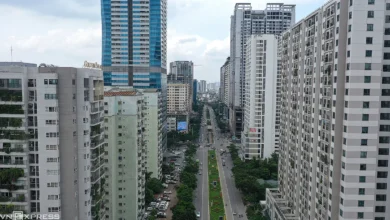
Developers are increasingly focusing on projects that have already cleared legal hurdles and reached significant construction milestones. A prime example is The Peak Garden, a prominent project in the South developed by Hung Loc Phat. Such projects are attracting attention because they align with the current buyer demand for transparency, completed infrastructure, and existing community ecosystems.

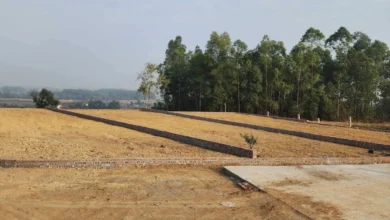
CBRE analysts note that the competitive land prices in the South, combined with the 2030 infrastructure master plan, have encouraged developers to "pre-empt" the market. By securing land banks and launching projects ahead of the completion of major bridges and tunnels, developers are positioning themselves to capture the value surge that typically occurs when infrastructure moves from the construction phase to the operational phase.
Broader Economic Implications and Professional Analysis
The resurgence of the South is more than a real estate trend; it is a vital component of Ho Chi Minh City’s economic decentralization strategy. By improving the link between the Tan Thuan Export Processing Zone, the international educational hub of RMIT, and the financial districts of Thu Thiem and District 1, the city is creating a more resilient urban structure.
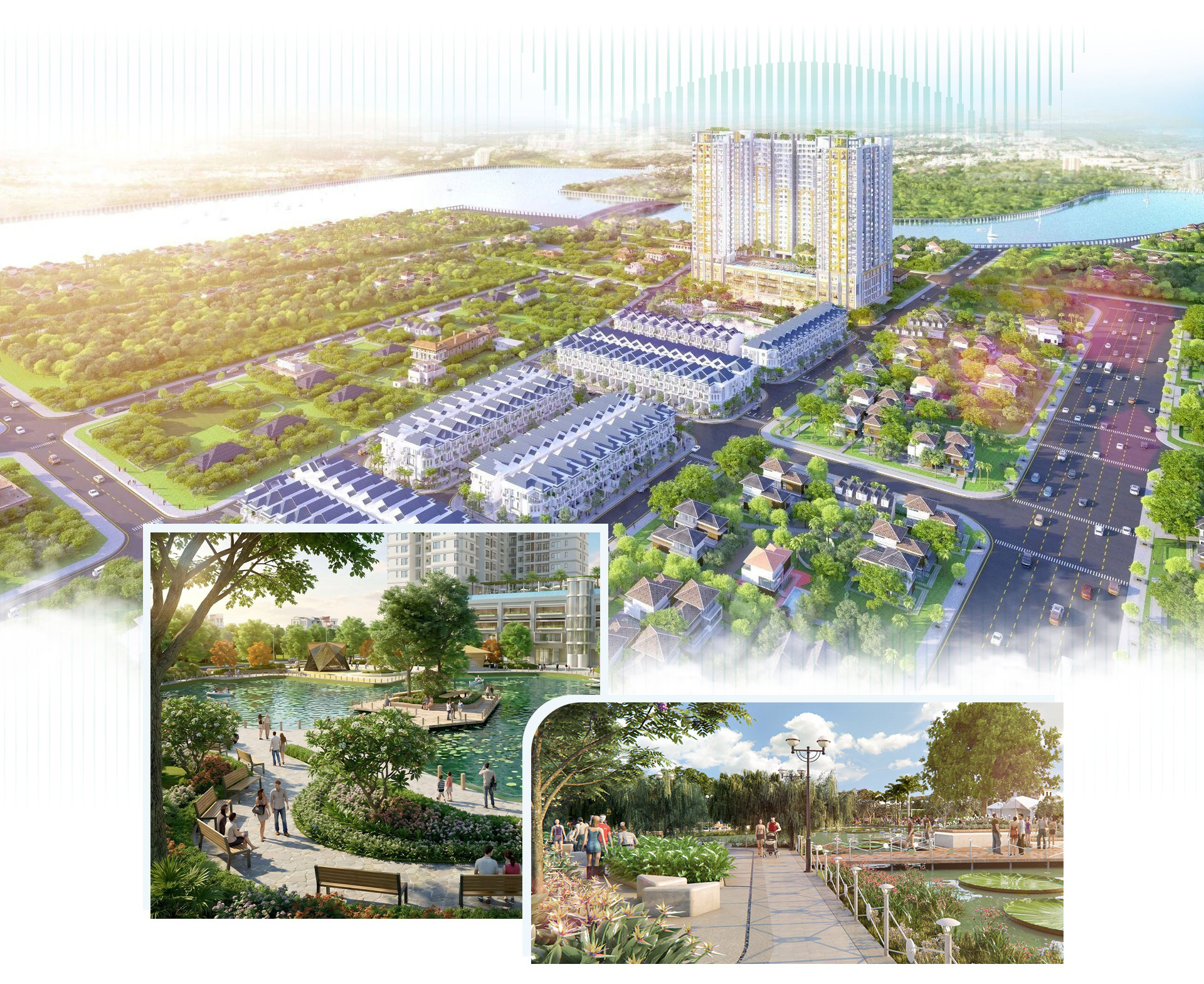
Experts suggest that the Southern market is entering a "filtering phase." As the market becomes more transparent, projects with poor legal standing or inadequate infrastructure integration are being phased out by consumer choice. The remaining projects—those that offer high-quality living spaces integrated with the new transport network—are seeing efficient capital flow.
Furthermore, the integration of the South with Dong Nai via the Phu My 2 Bridge and the high-speed link to Can Gio suggests that the region will transition from a residential suburb into a multi-functional urban hub. This hub will likely see an influx of high-income professionals, international educators, and logistics experts, further driving demand for premium residential and commercial real estate.
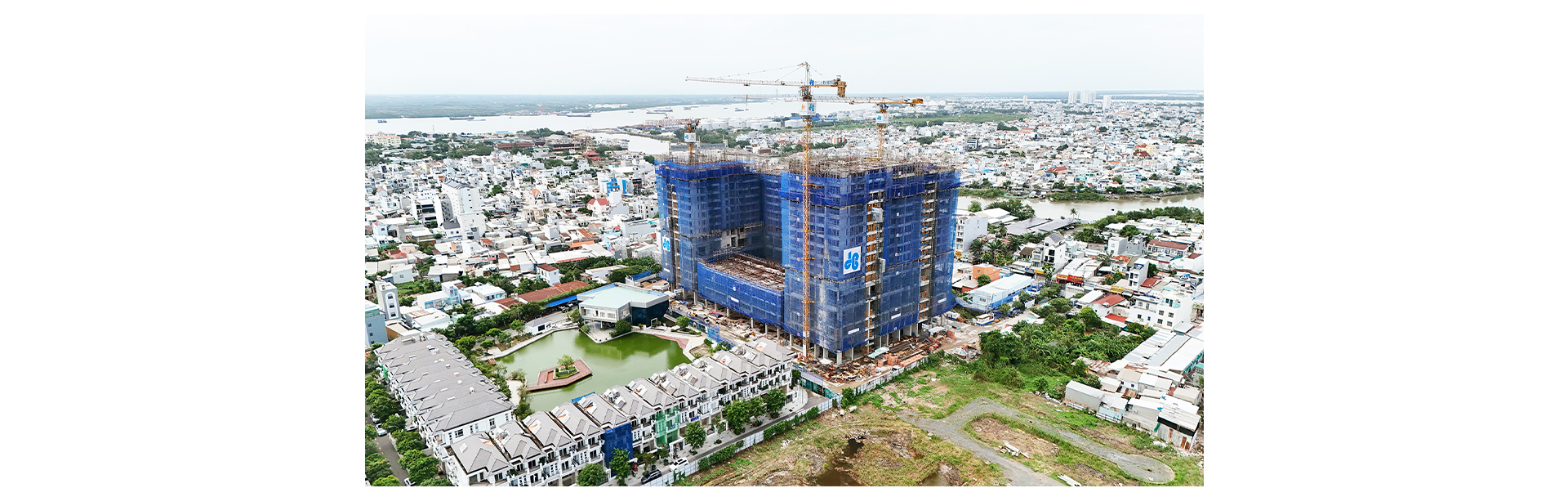
In conclusion, the period between 2025 and 2030 represents a definitive era for South Ho Chi Minh City. The synergy between government-led infrastructure investment and private-sector development is creating a sustainable growth loop. As the Nguyen Van Linh underpass and the Nguyen Khoai Bridge come online, the Southern real estate market is expected to maintain its lead in supply and value appreciation, offering a blueprint for modern, connectivity-driven urban evolution in Southeast Asia.