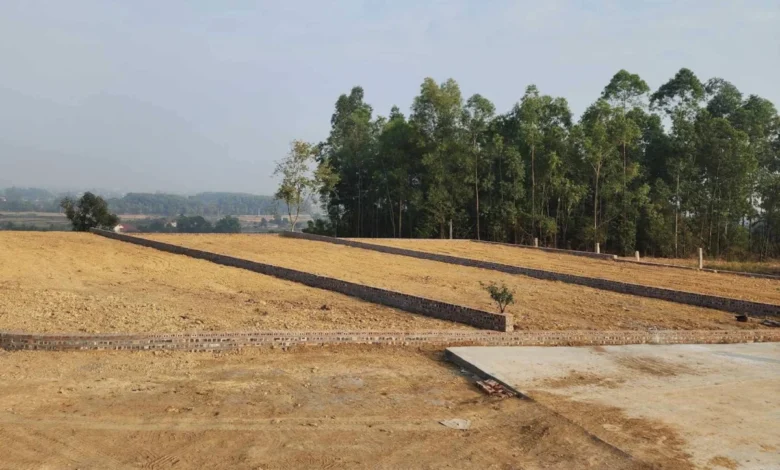
The Real Estate Association of Ho Chi Minh City (HoREA) has officially submitted a comprehensive set of proposals concerning the scope of adjustment for the draft revised Law on Real Estate Business. Among the most notable recommendations is the inclusion of transactions involving land use rights transferred, leased, or sub-leased by organizations and individuals outside of formally approved real estate investment projects. This proposal aims to eliminate legal loopholes, protect property buyers from fraudulent schemes, and establish a uniform regulatory framework for land transactions across Vietnam.
Expanding the Regulatory Scope to Cover Off-Project Transactions
HoREA has formally recommended amending Point d, Clause 2, Article 1 of the draft Law on Real Estate Business. The association suggests that the law should explicitly regulate instances where organizations and individuals transfer, lease, or sub-lease land use rights even when these parcels do not form part of a structured real estate investment project equipped with prior technical infrastructure.
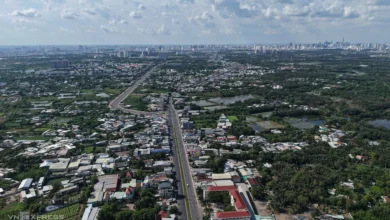
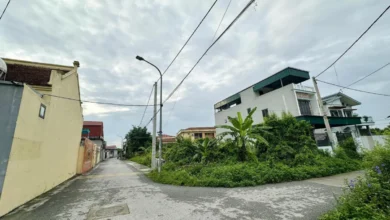
According to HoREA, this expansion of regulatory scope is urgently required due to widespread market practices involving off-project land plots. Many plots are currently generated through routine administrative procedures such as land splitting (subdivision) and changes in land use purpose before being marketed and transferred directly to buyers.
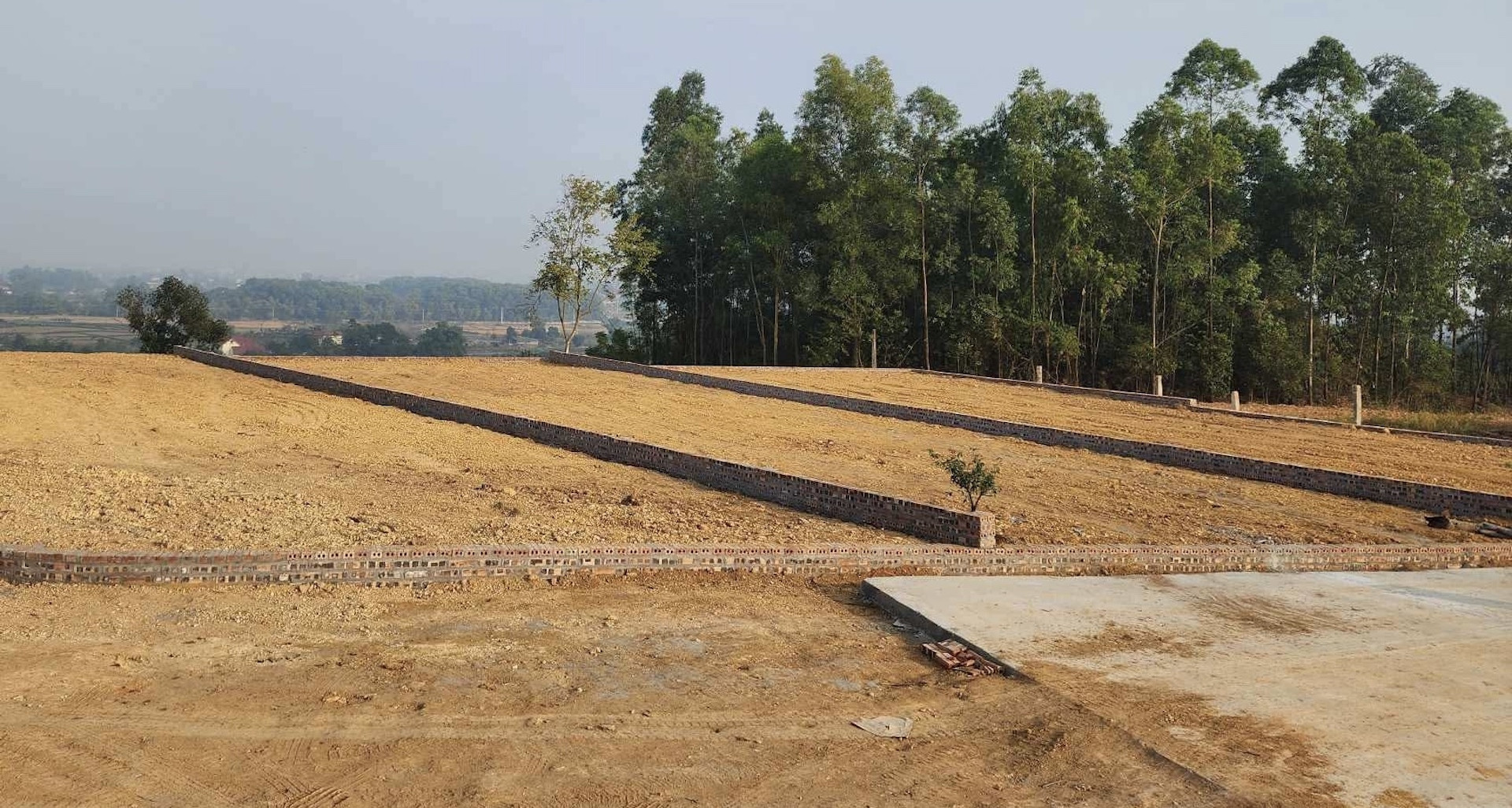
The association warns that excluding these transactions from the governing scope of the real estate business framework leaves consumers vulnerable. Buyers engaged in off-project land transactions currently lack the robust legal safeguards, warranty protections, and dispute-resolution mechanisms that automatically apply to transactions conducted within official, state-approved real estate projects.
Harmonizing Legal Definitions and Contract Types
To ensure complete legal consistency, HoREA has simultaneously proposed revisions to key definitions and contractual frameworks within the legislative text. Specifically, the association recommended modifying Clause 1, Article 3 of the draft law, which defines "real estate business."
Under HoREA’s proposed revision, the scope of real estate business activities would comprehensively encompass:
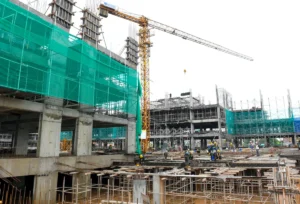
- The investment and creation of residential housing, tourism accommodations, construction structures, and associated floor space intended for sale, lease, or hire-purchase.
- The transfer, lease, or sub-lease of land use rights associated with developed technical infrastructure.
- The transfer of whole or partial real estate investment projects along with associated business contracts.
- The provision of real estate brokerage and support services.
Furthermore, HoREA proposed amending Point d, Clause 1, Article 34, which categorizes standardized contracts in real estate business operations. The association seeks explicit statutory recognition for contracts concerning the transfer of infrastructure-ready land use rights, as well as agreements involving the transfer of all or part of an active real estate project. These synchronized amendments are designed to close lingering gaps between definitions, regulatory oversight, and legally recognized transactional documentation.
Addressing the Root Cause: The Mechanics of Off-Project Land Subdivisions
The necessity for stricter oversight of off-project land transactions stems from a complex intersection between Vietnam’s overarching housing laws and localized land administration policies. Elaborating on the rationale behind the proposal, HoREA Chairman Le Hoang Chau pointed to the strict statutory limitations outlined in Clause 5, Article 5 of the Housing Law 2023.
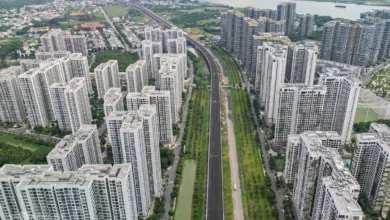
Under the Housing Law, investors carrying out commercial housing projects within special-class urban areas, as well as urban areas classified as Class I, II, and III, are legally mandated to construct residential housing directly for sale, lease-purchase, or lease. In these designated metropolitan zones, investors are strictly prohibited from utilizing forms of land use rights transfer—commonly referred to as plot-by-plot sales—where individual buyers are left to construct their own homes. For areas outside these restricted urban zones, provincial-level People’s Committees retain the authority to determine specific locations where project investors are permitted to subdivide land and transfer plots to individuals for self-construction.
Concurrently, the Land Law 2024 permits individuals and households to execute land subdivisions and consolidations provided they satisfy statutory principles and local conditions. These requirements mandate that subdivided plots maintain direct access to existing public transportation networks, along with guaranteed connections to municipal water supply, drainage, and other essential infrastructural services. Subdivided parcels must also meet minimum area thresholds determined by provincial People’s Committees; parcels falling below these minimum dimensions must be simultaneously consolidated with adjacent plots.
However, these administrative procedures for land subdivision and land-use purpose conversion frequently give rise to loopholes on the open market. HoREA notes that unscrupulous entities or individuals frequently exploit these mechanisms to engage in unauthorized subdivision and retail land sales, effectively functioning as commercial real estate developments without undergoing formal project approval processes.
Risks Associated with Unregulated Land Distribution
When individuals or speculative entities utilize civil transactions to bypass formal real estate project procedures, the resulting market distortions pose significant consumer risks. These unregistered operations often mask commercial lot-splitting schemes behind the guise of ordinary household land transactions, evading corporate transparency standards and tax obligations.
Buyers purchasing off-project land plots face severe legal, financial, and infrastructural uncertainties. Because these transactions occur outside the boundaries of approved real estate projects, buyers frequently encounter issues regarding unverified planning zones, delayed infrastructure connectivity, and unenforceable contractual commitments.
"In numerous instances, citizens purchasing ‘off-project’ land plots have suffered heavy financial losses and deception because their transactions lacked the protective framework of the real estate business law," Mr. Chau emphasized. By bringing these transactions under the direct regulatory umbrella of the revised law, authorities can enhance consumer protection mechanisms and curb deceptive marketing practices.
Broader Implications for Market Stability and Legal Transparency
HoREA’s proactive recommendations arrive at a critical juncture as Vietnam continues to refine its legal triad governing land, housing, and real estate business operations. Integrating off-project land transactions into the Law on Real Estate Business represents a paradigm shift toward comprehensive market oversight.
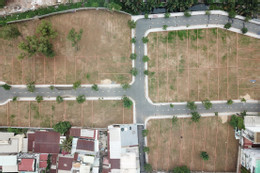
Industry analysts note that extending legal definitions to encompass non-project land transfers will empower regulatory bodies to monitor secondary land transactions more effectively. This oversight helps prevent speculative bubbles, curbs illegal land-trafficking operations, and ensures that all market participants adhere to established technical and financial standards.
As the legislature reviews the draft revisions, the debate over off-project land transactions highlights the ongoing challenge of balancing individual property rights with systemic market protection. If adopted, HoREA’s proposals will mark a decisive step toward eliminating legislative gray areas, ultimately fostering a more transparent, predictable, and secure real estate market for investors and everyday citizens alike.