Chinese Father Sues Gaming Giants for Son’s Addiction-Related Suicide Attempt, Demanding Stricter Enforcement of Youth Protection Regulations


In an unprecedented legal challenge reverberating through China’s vast and highly regulated gaming industry, a father from Nanyang, Henan province, has initiated a lawsuit against four major game companies. The plaintiff, identified only as Mr. Tan, is seeking a symbolic compensation of 10 yuan (approximately 1.4 USD) for emotional distress following his son’s attempt to take his own life, an act he attributes directly to severe gaming addiction. Filed in June 2026 at the Dengzhou People’s Court, the lawsuit aims not merely for financial recompense but primarily to compel these powerful corporations to rigorously implement and close loopholes in China’s stringent youth anti-addiction policies. This case thrusts the ongoing debate over parental responsibility versus corporate accountability, and the effectiveness of state-imposed gaming restrictions, back into the national spotlight.
The Tragic Incident and Immediate Aftermath
The catalyst for Mr. Tan’s legal action occurred in late May, when his son, who had recently turned 18, ingested 18 pills of cold medicine in a suspected suicide attempt. Mr. Tan discovered his son unconscious in his room at midday. By evening, the young man was in severe distress and unable to stand, prompting his immediate hospitalization for poisoning. Through subsequent questioning, the son admitted to consuming the pills but was reportedly unable to articulate the reasons behind his desperate act. His recovery, captured in a poignant image from Jimu News showing him receiving medical care, brought a temporary reprieve to the family but ignited a fierce determination in Mr. Tan to confront the perceived root cause of his son’s suffering.
A Father’s Grievance: The Roots of Addiction
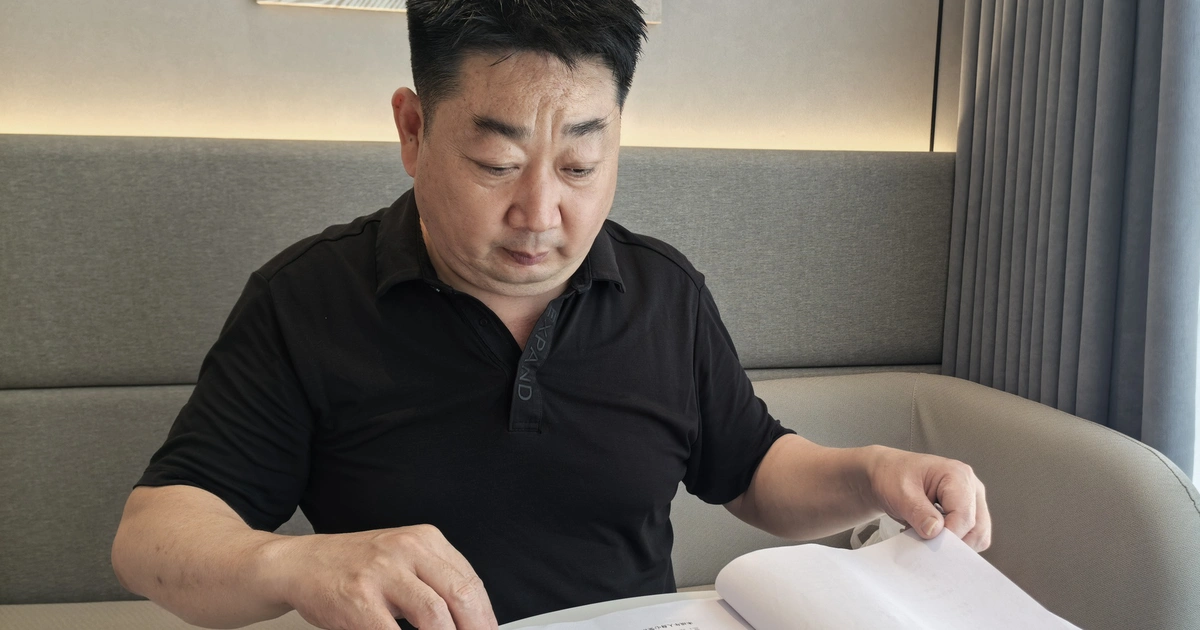
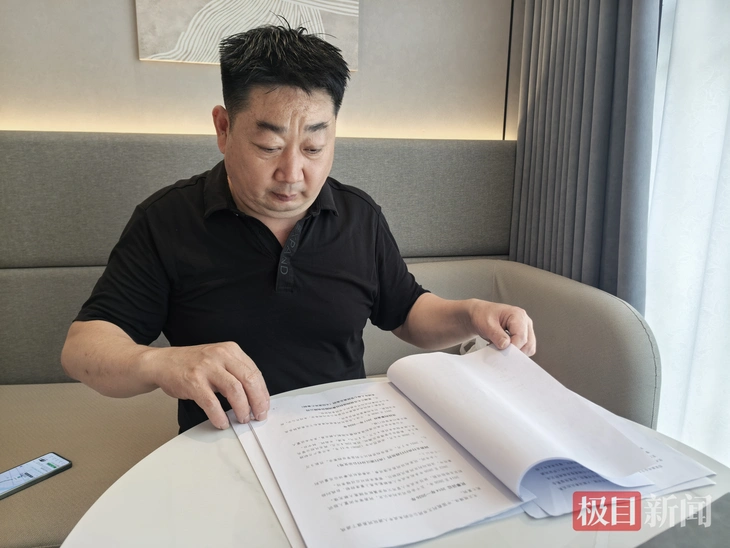
According to Mr. Tan, his son had been battling a chronic gaming addiction long before the incident. Despite recent legislative efforts to curb youth gaming, the son allegedly circumvented these restrictions by utilizing the identification details of his older sister and several classmates to create and access gaming accounts. Data extracted from one of the son’s gaming accounts revealed an alarming pattern: since March 2024, he had accumulated nearly 1,900 hours of playtime, averaging approximately 2.44 hours per day. This prolonged engagement, Mr. Tan contends, severely impacted his son’s mental well-being, leading to a state where he was no longer mentally lucid or, perhaps, overwhelmed by self-reproach. Mr. Tan vehemently denies ever having used harsh words or physical discipline against his son regarding his gaming habits, suggesting the self-harm was a consequence of the addiction itself rather than familial pressure.
The Lawsuit: Symbolic Damages, Systemic Change
Mr. Tan’s lawsuit, filed against four unnamed "major game companies," eschews significant financial demands in favor of a symbolic gesture. The request for 10 yuan in compensation for emotional distress underscores the father’s primary objective: to force a systemic change within the gaming industry. His demands include a comprehensive inspection of the implicated companies by regulatory bodies, the full deployment of advanced risk control technologies—such as facial recognition—to prevent minors from accessing games or exceeding playtime limits, and the holding of a public hearing to expose and address current loopholes in the anti-addiction systems. This strategic approach highlights a desire to hold corporations accountable for their role in youth addiction, rather than simply seeking personal financial gain.
Parental Responsibility vs. Corporate Accountability
The news of Mr. Tan’s lawsuit sparked considerable public debate, with some critics questioning his parental responsibility, particularly regarding his decision to provide his son with a smartphone. Mr. Tan acknowledged his role in his son’s gaming addiction, admitting that the phone was initially intended for educational purposes and receiving school notifications. However, he also passionately argued that the burden of preventing gaming addiction should not fall solely on working-class families, who often lack the resources, time, or specialized knowledge to constantly monitor and control their children’s online activities. This sentiment resonates with many parents in China who grapple with the pervasive influence of digital entertainment and the pressures of modern life.

China’s Stringent Anti-Gaming Addiction Policies: A Chronology
China has a long and often contentious history of regulating its gaming industry, driven by concerns over youth well-being, national productivity, and social stability. The government’s stance intensified dramatically in the late 2010s, with a series of landmark regulations aimed at curbing what state media occasionally termed "spiritual opium."
- 2019 Regulations: The first major nationwide regulations were introduced in November 2019. These mandated real-name registration for all online game users, requiring minors to provide their identity information. Crucially, they imposed strict time limits: minors (under 18) were restricted to 90 minutes of gaming on weekdays and three hours on weekends and holidays. Financial spending limits were also introduced, prohibiting children under 8 from spending money on games, capping spending for 8-16 year olds at 200 yuan per month, and for 16-18 year olds at 400 yuan per month.
- 2021 Crackdown: A far more severe crackdown came in August 2021, when regulators imposed the world’s strictest online gaming limits for minors. This policy restricted children under 18 to just three hours of online gaming per week, specifically between 8 PM and 9 PM on Fridays, Saturdays, and Sundays, as well as on public holidays. Weekday gaming was effectively banned. The new rules also reiterated the need for strict real-name verification and required gaming companies to implement robust anti-addiction systems, including facial recognition technology, to enforce these limits.
- 2024 Iterations and Ongoing Enforcement: The article’s mention of 2024 regulations likely refers to continued updates, reinforced enforcement efforts, or new minor adjustments to the existing framework. These typically emphasize tightening identity verification, improving technical solutions to prevent circumvention, and enhancing oversight on gaming companies’ compliance. The overarching goal has consistently been to shield minors from the perceived harms of excessive gaming, including its impact on physical and mental health, academic performance, and overall development.
Industry Loopholes and Enforcement Challenges
Despite the government’s increasingly stringent regulations, the gaming industry faces persistent challenges in fully enforcing these policies. A legal expert, sharing insights with Jimu News, pointed out a critical issue: many Chinese game companies possess advanced facial recognition technology capable of identifying underage players, yet they often fail to implement it comprehensively. This reluctance, the expert suggests, stems from "business interests," implying that strict enforcement could lead to a significant drop in player engagement and revenue, especially from a demographic that, directly or indirectly, contributes substantially to the market.
Common methods used by minors to bypass restrictions include borrowing or purchasing adult gaming accounts, using virtual private networks (VPNs) to access overseas servers not subject to Chinese laws, or exploiting gaps in the real-name verification process. Gaming companies, while publicly committed to compliance, often face a difficult balancing act between regulatory adherence and maintaining profitability in a fiercely competitive market. The sheer scale of China’s gaming population, coupled with the rapid evolution of online platforms, also makes continuous and airtight enforcement a monumental task.
The Broader Implications: Health, Society, and Economy
Gaming addiction, officially recognized by the World Health Organization as "Gaming Disorder," poses significant mental health risks, including anxiety, depression, sleep deprivation, and, in severe cases, suicidal ideation. Mr. Tan’s son’s tragic attempt underscores the dire consequences when addiction goes unchecked. The case reignites societal debates in China regarding the pressures on youth, the role of technology in their lives, and the balance between personal freedoms and state intervention for collective well-being.
Economically, China’s gaming industry is a powerhouse, generating billions of dollars annually and employing hundreds of thousands. The strict regulations have had a tangible impact, forcing companies to re-evaluate their strategies, focus more on adult players, and expand into overseas markets. This lawsuit, if it gains traction, could lead to even greater regulatory scrutiny and potentially force game developers to invest more heavily in robust, unavoidable anti-addiction technologies, further reshaping the industry’s landscape. The symbolic nature of the damages sought by Mr. Tan is a clear message that for many, the cost to youth mental health far outweighs monetary considerations.
Looking Ahead: A Potential Precedent?
Mr. Tan’s lawsuit represents a bold move to hold powerful corporations accountable for the social impact of their products. While the 10-yuan demand is negligible, the call for government inspection, stricter technological implementation, and public hearings carries significant weight. Should the court rule in Mr. Tan’s favor, even symbolically, it could set a powerful precedent, emboldening other parents to pursue similar legal challenges and pressuring both the industry and regulators to address existing loopholes more effectively. It highlights a growing public desire for greater transparency and corporate responsibility in safeguarding the nation’s youth from the darker side of the digital age. The outcome of this case will be closely watched, not just in China but globally, as societies continue to grapple with the complex interplay between technology, commerce, and public health.