Christopher Nolan’s Visual Spectacle in "The Odyssey" Redefines Cinematic Realism

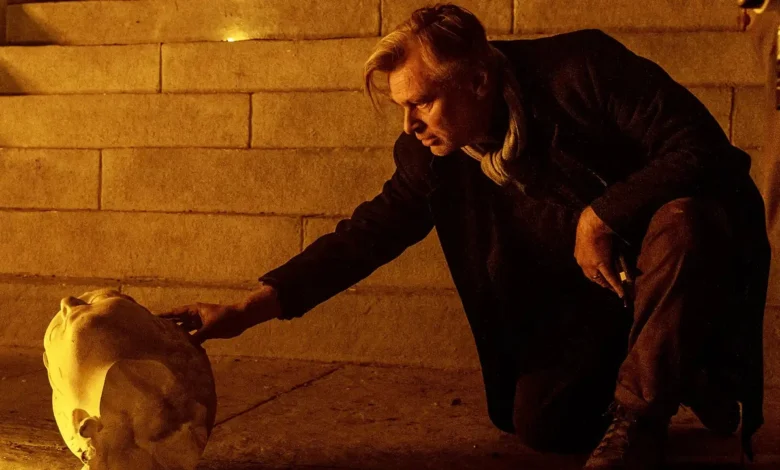
Christopher Nolan’s highly anticipated directorial venture, "The Odyssey," is already making waves in the cinematic world, not just for its compelling narrative but for its groundbreaking approach to visual effects and production design. Early glimpses and behind-the-scenes revelations indicate a film that eschews conventional CGI reliance, opting instead for a meticulously crafted, real-world aesthetic that immerses audiences in the epic journey of Odysseus. This commitment to tangible, large-scale practical effects has been a hallmark of Nolan’s career, and "The Odyssey" appears poised to elevate this signature style to unprecedented heights.
The film, slated for release on July 17th, has generated significant buzz, and beyond the intriguing plot, the sheer scale of its production is a major talking point. Critics and industry observers alike are praising the palpable sense of immersion derived from the practical effects and elaborate set pieces, which are credited with imbuing the cinematic adaptation with a profound vitality. This dedication to physical world-building is particularly evident in the depiction of mythological creatures and grand historical settings, a testament to Nolan’s vision of a grounded, visceral cinematic experience.
A central element garnering considerable discussion is the confrontation between the hero Odysseus, portrayed by Matt Damon, and the monstrous Polyphemus, son of the sea god Poseidon. Drawing inspiration from Guillermo del Toro’s innovative creature design in his own cinematic works, Nolan aimed to portray Polyphemus not merely as a terrifying beast, but as a creature with depth and a tangible, imposing physicality. Nolan stated in an interview with the Associated Press, "The creature isn’t just a set of teeth. You have to look deeper, to find its soul." This philosophy guided the creation of an 18-meter-tall Polyphemus, a practical marvel that allowed actor Bill Irwin to embody the cyclops with a profound sense of presence.
Crafting the Colossus: The Practical Creation of Polyphemus
The monumental task of bringing the colossal Polyphemus to life was met with Nolan’s signature preference for practical effects over extensive digital manipulation. Instead of relying solely on computer-generated imagery, Nolan employed a multifaceted approach, blending various techniques to create an otherworldly yet believable entity. The role of Polyphemus was undertaken by Bill Irwin, a Tony Award-winning stage actor renowned for his physical performances. Irwin donned elaborate prosthetics and makeup to record the character’s movements and actions. This collaboration was not new to Nolan and Irwin; they had previously worked together on "Interstellar," where Irwin was instrumental in developing the physicality and performance of the robots TARS and CASE. On the set of "The Odyssey," Irwin not only performed but also provided vocalizations and guided the actors through the filming process.
Nolan himself highlighted the challenges of creating such a massive entity for the screen. Speaking to NBC, he described the arduous process: "How do you make the audience feel the scale when they’re looking at something that’s supposed to be enormous? With ‘The Odyssey,’ we had to harness every possible technique – visual effects, special effects, practical effects, and incredibly detailed set design – to convey scale. For Polyphemus, we employed every trick in the book."
The production team meticulously designed the shooting environment for Bill Irwin’s performance, utilizing low-angle camera perspectives to convey the cyclops’s immense stature. A physical replica of Polyphemus, standing approximately 60 feet (18 meters) tall, was constructed, providing the actors with a tangible point of interaction during filming. In post-production, Irwin’s performance served as a foundational element. After the visual effects team digitally composited the character and enhanced the cavernous setting, the image of the cyclops, the soldiers, and the cave were meticulously blended using VFX.
Recreating Ancient Worlds: The Grandeur of Troy and Ithaca
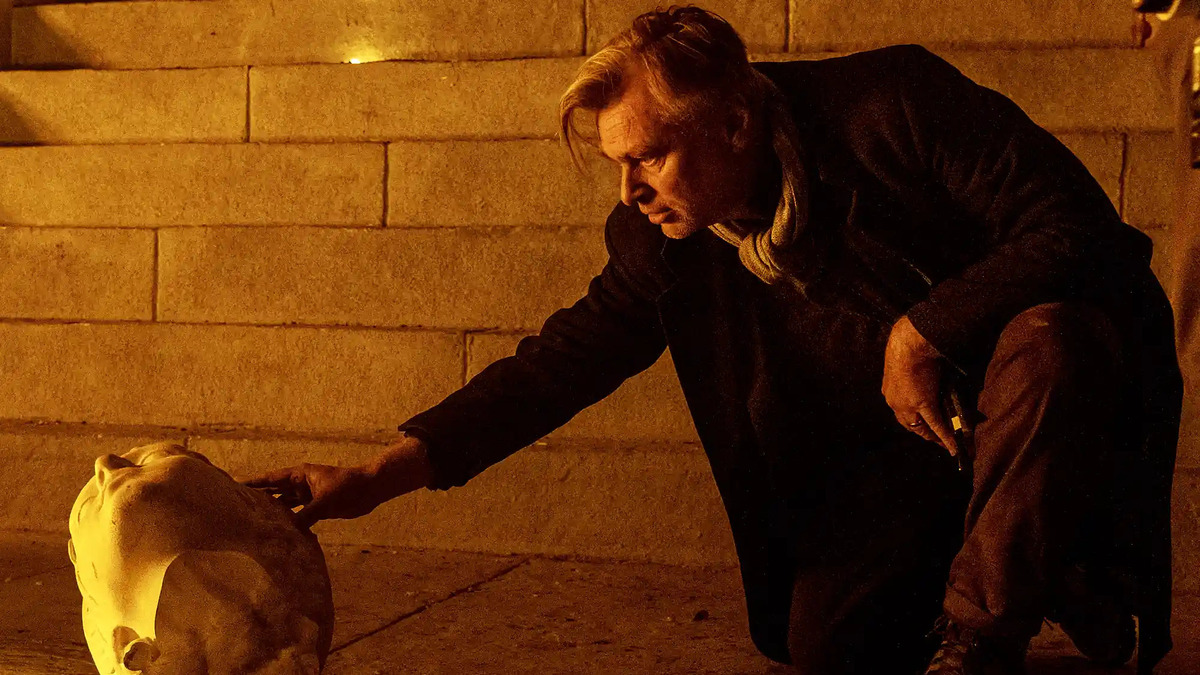
The ambition of "The Odyssey" extends beyond its monstrous inhabitants to the sprawling landscapes and iconic structures of its ancient Greek setting. To recreate the legendary city of Troy, the production team erected a set spanning over 10,000 square meters, designed to accommodate more than 2,000 extras. This monumental set was envisioned to evoke the grandeur and fortifications of the ancient city, featuring over 60 structures, including a meticulously reconstructed temple dedicated to the goddess Athena.
The iconic Trojan Horse, a symbol of deceptive victory, was also brought to life with impressive scale. Multiple versions of the horse were constructed, each standing approximately 10.7 meters tall. One particularly elaborate rendition was anchored to the sea floor, allowing for the dramatic scene where hundreds of extras crawled out of its belly and ventured into the battlefield.
The depiction of Ithaca, Odysseus’s home island, was equally ambitious. A significant portion of the island’s portrayal was filmed on the island of Favignana in Italy, perched at an elevation of over 300 meters above sea level. The challenging terrain, inaccessible by road, necessitated the use of helicopters and cable cars to transport equipment and personnel daily. The journey to the filming locations often involved a 45-minute hike, followed by the intricate logistical challenge of airlifting necessary supplies.
Navigating the Perils: The Sea and Its Terrors
The treacherous seas, a constant adversary for Odysseus and his crew, were brought to life through a combination of practical and visual effects. The filmmakers captured many of the maritime sequences in real, turbulent waters, resulting in scenes of breathtaking scope and intensity. A notable example is the sequence involving a wild boar charging across the frame, a practical effect that added a visceral layer of danger.
The terrifying encounters with the mythical Scylla and the whirlpool Charybdis were achieved through a blend of on-location shooting and sophisticated post-production techniques. As detailed by Matt Damon in an interview with Entertainment Weekly, the production team utilized a full-scale boat that was ingeniously maneuvered in the Mediterranean Sea. The boat was simultaneously buffeted by artificial waves and surrounded by jets of water, creating the illusion of a powerful whirlpool that threatened to engulf the vessel. The movement of the water was then meticulously crafted by VFX artists to perfect the chaotic and terrifying spectacle.
Further enhancing the peril of the sea, the production team employed a technique involving large cranes to simulate the monstrous creatures’ attacks. George Cottle, the head of special effects, used extensive crane work to hoist actors off the deck of the boat, replicating the terrifying scene of creatures dragging sailors into the sea.
The Siren’s Call and Other Trials
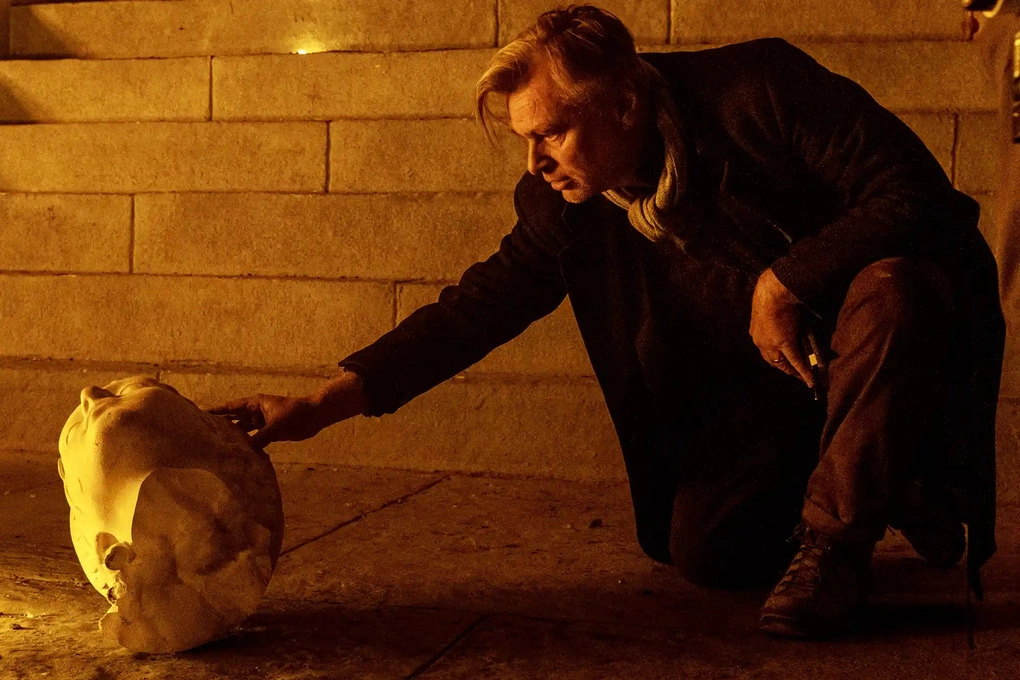
The climactic encounter with the Sirens found Matt Damon’s Odysseus positioned on a meticulously crafted boat amidst the Aegean Sea. The scene was filmed with the intention of creating a powerful illusion of a strong gale, with the wind and waves contributing to the immersive experience.
The film also delves into other perilous encounters, including the battle against the monstrous Scylla and the churning waters of Charybdis. For these scenes, the production team utilized a combination of live-action shooting and sophisticated post-production effects. Damon explained that the boat carrying the heroes navigated through the treacherous strait, while a series of strategically placed motors churned the water, creating a massive vortex to simulate the terrifying whirlpool. The movement of the water was then further refined by VFX artists to achieve the desired visual impact.
Technological Innovations: Pushing the Boundaries of IMAX
A significant aspect of "The Odyssey’s" production is Christopher Nolan’s unwavering dedication to utilizing IMAX technology. Nolan has long championed the immersive potential of IMAX filmmaking, and "The Odyssey" represents a culmination of this vision. He aimed to shoot large portions of the film entirely with IMAX cameras utilizing 70mm film, a format that allows for an exceptionally high level of detail and an expanded aspect ratio compared to traditional filmmaking methods.
However, the sheer size and weight of IMAX cameras presented considerable challenges, particularly in capturing fluid, naturalistic movements. Nolan acknowledged these difficulties, stating, "The IMAX cameras are incredibly heavy, and that makes it difficult to capture fluid movements. But we wanted to embrace that weight, to make it part of the cinematic language."
Prior to "The Odyssey," Nolan had already employed IMAX for select sequences in acclaimed films such as "The Dark Knight," "Dunkirk," "Tenet," and "Oppenheimer." Following the monumental success of "Oppenheimer," Nolan reportedly lobbied IMAX to develop more advanced, lighter camera technology that could be used for entire films. This led to the development of new equipment featuring carbon fiber bodies and quieter operation, enabling the cameras to be used more seamlessly in dialogue-heavy scenes. "The Odyssey" is poised to be the first film to fully leverage these advancements, realizing Nolan’s long-held ambition to "create a world and then live in that world."
The implementation of full IMAX 70mm capture allows for an expanded aspect ratio of 1.43:1, providing significantly more detail than 35mm film or standard digital cameras. However, only 41 theaters globally are equipped to project this specific aspect ratio. Other IMAX formats, while still offering high-quality images, necessitate cropping the frame, resulting in a loss of some of the original picture’s verticality.
Cinematography and Practical Effects: A Harmonious Blend
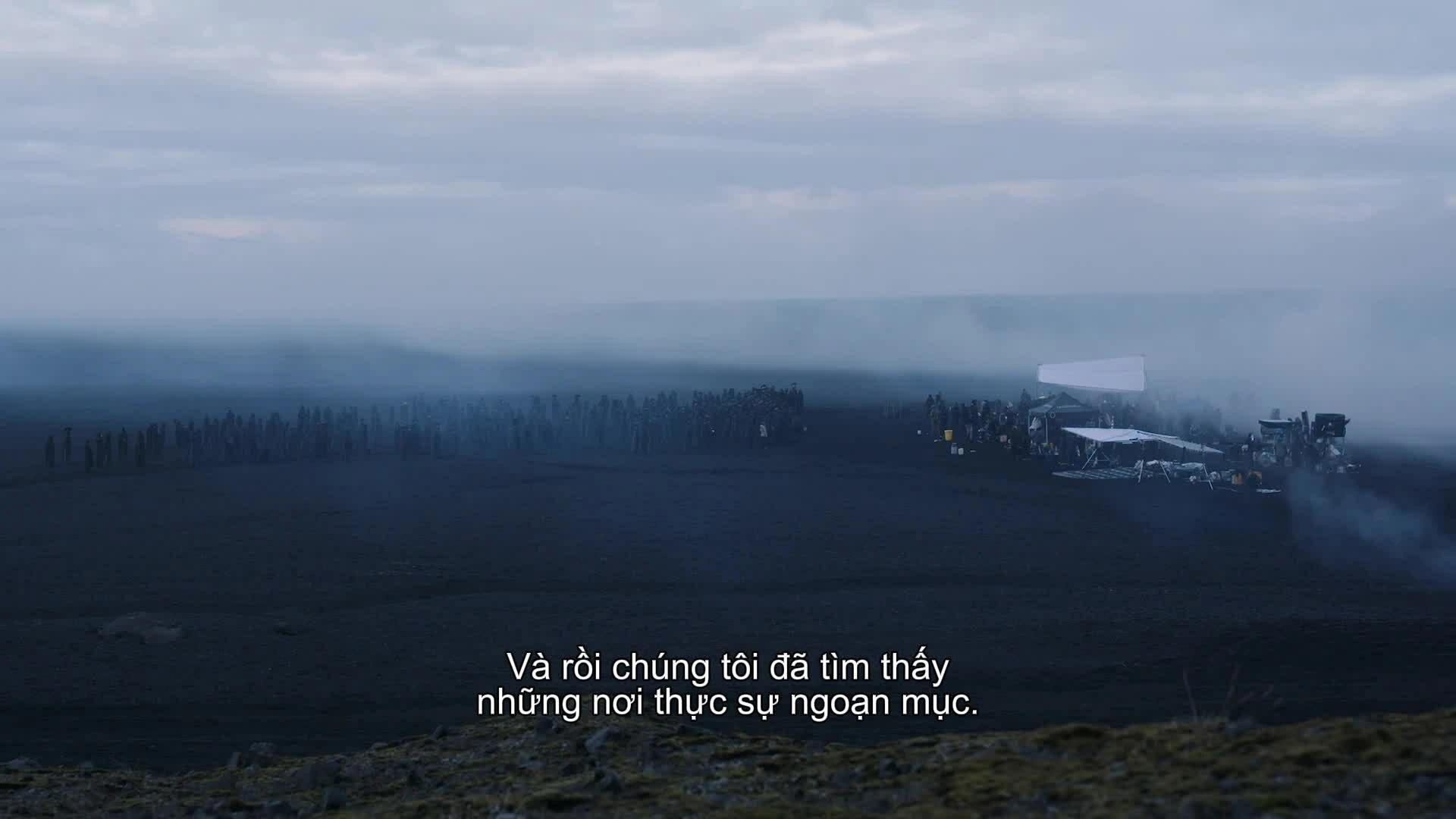
Director of Photography Hoyte van Hoytema worked in tandem with Nolan to achieve a sense of raw realism, avoiding the artificiality that can sometimes plague heavily CGI-driven films. For the climactic Battle of Troy sequence, the production team eschewed traditional fire effects, instead opting for the innovative use of over 1,000 LED panels to simulate intense flames and illuminate the vast set. This approach ensured a more controlled and visually dynamic lighting environment.
Van Hoytema emphasized the commitment to practical effects at the source, minimizing reliance on post-production fixes. He explained, "Every time we shoot, we try to get it as right as possible on set. That helps preserve the quality of the original footage. It’s about capturing the essence of the moment, and that’s what we aimed for."
The film’s embrace of advanced on-set practical effects is a defining characteristic, aiming to create immersive moments before any digital enhancement. Nolan remarked, "Our goal wasn’t just to create stunning visuals, but to allow the actors to truly inhabit the world of the film. To create a world, and then live in that world."
"The Odyssey" stands as a testament to Christopher Nolan’s enduring commitment to pushing the boundaries of cinematic storytelling through innovative practical effects and cutting-edge technology. By prioritizing tangible world-building and embracing the full potential of IMAX filmmaking, Nolan aims to deliver an unforgettable, visceral experience that redefines what is possible in epic cinema. The film’s meticulously crafted visuals, from the towering cyclops to the grand reenactments of ancient cities, promise an immersive journey that will captivate audiences and set a new benchmark for large-scale productions.
Cát Tiên (reporting based on information from NBC, Entertainment Weekly, and No Film School)