VinFast Kinet Launches as a Sporty Electric Alternative to Challenge Honda Air Blade in the Vietnamese Two-Wheeler Market

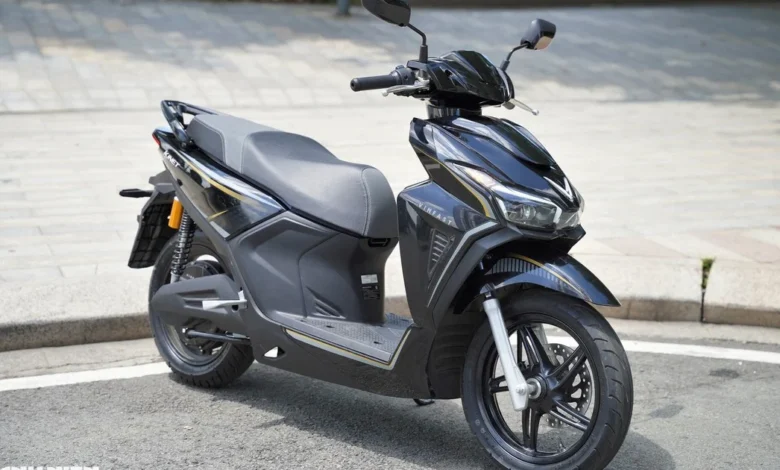
VinFast, Vietnam’s pioneering electric vehicle manufacturer, has officially introduced the Kinet, a high-performance electric scooter designed to disrupt the mid-range sporty segment currently dominated by traditional internal combustion engine (ICE) models. Positioned as a direct competitor to the long-standing Honda Air Blade, the VinFast Kinet represents a strategic shift for the domestic automaker, moving beyond utility-focused urban commuters toward a product line that prioritizes performance, aggressive aesthetics, and advanced technology. With a starting price of 40 million VND under a battery subscription model, the Kinet is engineered to capture the attention of younger demographics who are increasingly seeking sustainable alternatives without sacrificing the power and style of conventional sport scooters.
The launch of the Kinet coincides with the introduction of the VinFast Kyo, a more compact model tailored for light urban transit. However, while the Kyo emphasizes gentleness and ease of use, the Kinet is built on a philosophy of "dynamic motion." Its arrival marks a significant milestone in the Vietnamese two-wheeler market, which is currently the fourth largest in the world. By pricing the Kinet in the 40 to 50 million VND bracket, VinFast is entering the "sweet spot" of the Vietnamese market—a segment where consumers demand a balance of prestige, durability, and daily practicality.
Engineering and Performance: Breaking the Speed Barrier for Electric Scooters
At the heart of the VinFast Kinet is an In-hub electric motor located in the rear wheel, a design choice that maximizes space efficiency and reduces maintenance requirements by eliminating the need for a drive belt or chain. The motor delivers a nominal power output of 3,000W, but it is the peak power of 5,200W that sets it apart in the electric scooter category. This high-output configuration allows the Kinet to achieve a top speed of 90 km/h, making it fully capable of navigating high-speed arterial roads and urban highways—a limitation that previously plagued many entry-level electric bikes.
Acceleration is another area where the Kinet seeks to outperform its gasoline rivals. VinFast claims the vehicle can sprint from 0 to 50 km/h in under 6 seconds. This instantaneous torque, a hallmark of electric drivetrains, provides a level of responsiveness in "stop-and-go" city traffic that 125cc or 150cc gasoline engines often struggle to match. To manage this power safely, the Kinet is equipped with a front disc brake and a rear drum brake, supported by Hill Start Assist technology. This feature is particularly useful for riders navigating the steep ramps of urban apartment basements or the hilly terrain found in regions like Da Lat or the Northern Highlands.
Design Philosophy: Aggressive Aesthetics for a New Generation
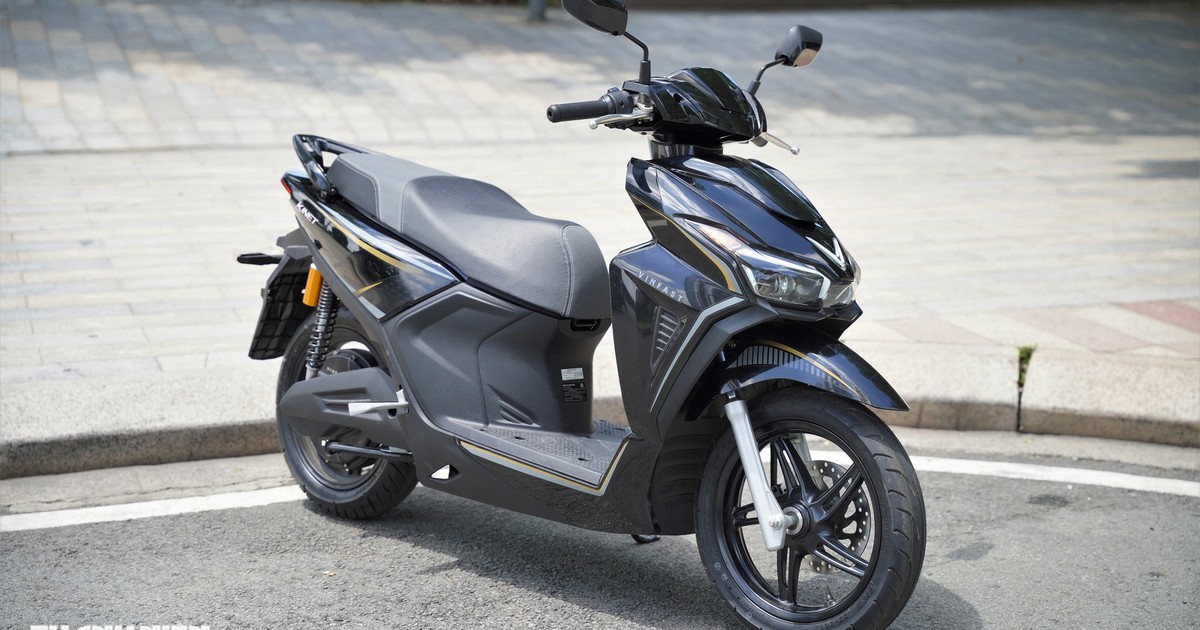
The visual identity of the VinFast Kinet is a departure from the soft, rounded lines of previous electric models like the VinFast Feliz or Vento. The Kinet utilizes a "sharp-edged" design language characterized by bold body panels, deep cutouts, and a muscular front fascia. The lighting system is anchored by a high-intensity LED Projector headlight, which not only provides superior illumination for night riding but also gives the vehicle a futuristic, high-tech signature.
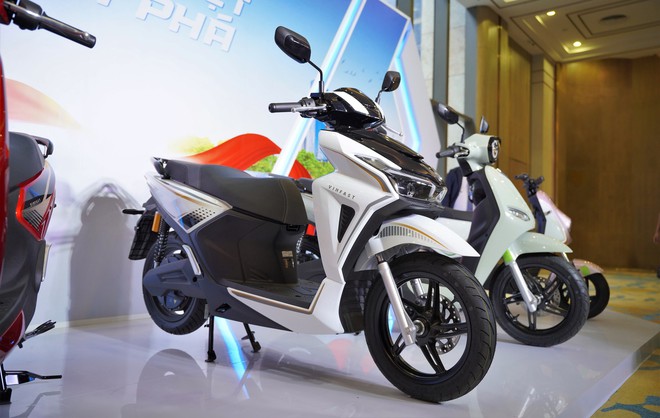
Dimensions of the Kinet have been carefully calibrated for the Vietnamese physique and infrastructure. Measuring 2,021 mm in length, 713 mm in width, and 1,135 mm in height, the scooter offers a substantial presence on the road without being unwieldy. The wheelbase stands at 1,360 mm, providing a stable platform for high-speed cruising. Crucially for the local market, the ground clearance is a generous 160 mm, allowing the bike to navigate flooded streets or uneven sidewalks with ease. The seat height of 785 mm ensures that most riders can comfortably plant both feet on the ground at traffic lights.
The sporty character is further reinforced by the wheel and tire configuration. The Kinet features 14-inch alloy wheels, with a 90/90-14 front tire and a wide 120/70-14 rear tire. The wider rear tire is a deliberate choice to improve traction and stability during cornering, a feature typically reserved for premium sport scooters. Beneath the seat, the Kinet offers a 22-liter storage compartment, large enough to house a standard helmet and personal belongings, addressing the practical needs of daily commuters.
Battery Technology and the "Battery-as-a-Service" Model
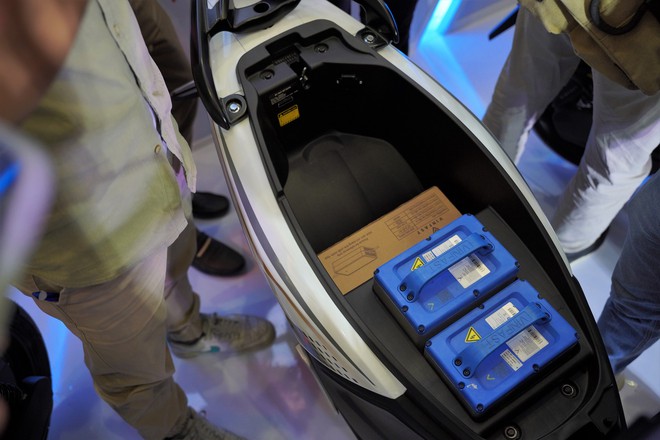
One of the most critical aspects of the Kinet’s value proposition is its energy storage system. The scooter is powered by dual LFP (Lithium Iron Phosphate) batteries, each with a capacity of 1.5 kWh. LFP technology is widely regarded as a safer and more durable alternative to standard Lithium-ion batteries, offering higher thermal stability and a longer lifecycle. On a full charge, the Kinet can travel up to 145 km under standard testing conditions, effectively eliminating "range anxiety" for the average urban dweller who typically travels less than 30 km per day.
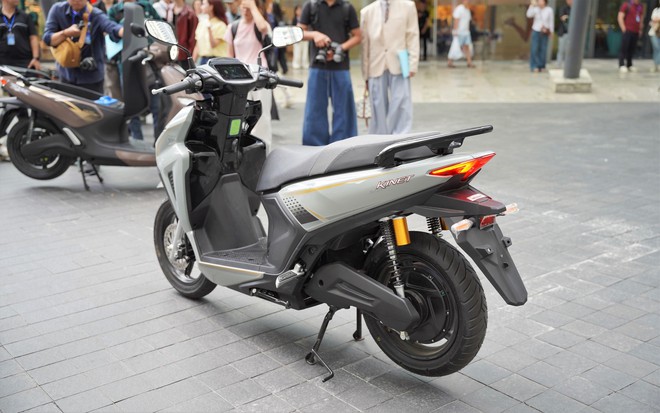
VinFast continues to promote its flexible battery ownership model to lower the barrier to entry. Customers can choose between two primary options:
- Battery Subscription (Rental): The vehicle is priced at 40 million VND. This option reduces the initial purchase price and shifts the responsibility of battery health and degradation to the manufacturer.
- Full Purchase: For 49.9 million VND, customers own both the vehicle and the two LFP batteries.
To support this ecosystem, VinFast has invested heavily in infrastructure. Users can charge their vehicles at home using a standard portable charger or utilize VinFast’s expanding network of public charging stations. Furthermore, the Kinet is compatible with VinFast’s public battery-swapping cabinets. This "swap-and-go" system allows riders to exchange depleted batteries for fully charged ones in less than a minute, mimicking the convenience of a traditional gas station.
Smart Features and Digital Connectivity
In an era where the smartphone is central to the user experience, the VinFast Kinet integrates seamlessly with the digital world. The scooter features a high-definition TFT display that provides clear readouts of speed, battery levels, and trip data. Beyond the physical dashboard, the Kinet is equipped with a Smartkey and connects to the VinFast e-Scooter mobile application.
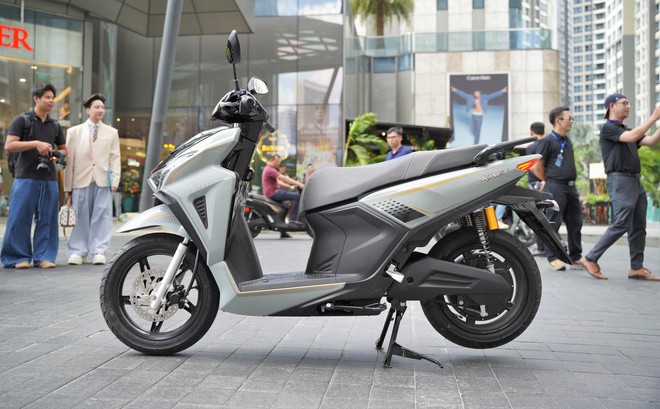
The app ecosystem provides several advanced functionalities:
- GPS Tracking: Real-time location monitoring to prevent theft.
- Geofencing: Alerts the owner if the vehicle moves outside of a pre-defined safety zone.
- Vehicle Diagnostics: Remote monitoring of battery health and system status.
- Ride History: Detailed logs of travel distance and energy consumption.
These features offer a level of "smart" ownership that is rarely found in the traditional gasoline scooter segment without expensive aftermarket modifications.
Comparative Analysis: VinFast Kinet vs. Honda Air Blade
The Honda Air Blade has been the benchmark for sport scooters in Vietnam for over a decade. To compete, the VinFast Kinet must offer a compelling financial and functional argument.
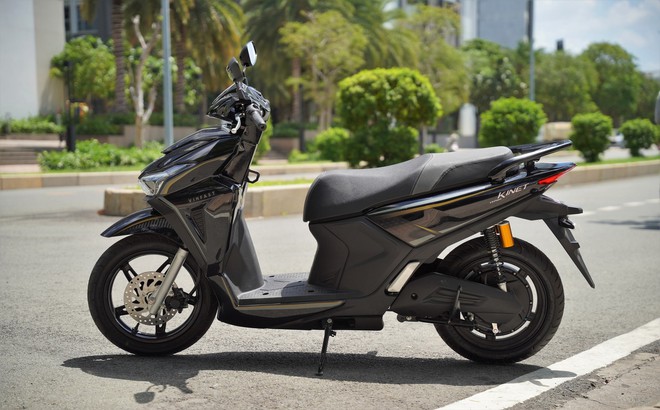
The Honda Air Blade 125 (Standard Version) currently has a suggested retail price of approximately 42.4 million VND, while the Air Blade 160 ranges from 57.1 to 58.8 million VND. The VinFast Kinet’s rental price of 40 million VND undercuts the entry-level Air Blade, while its 49.9 million VND full-purchase price remains significantly cheaper than the Air Blade 160.
While the Air Blade benefits from Honda’s massive service network and the inherent convenience of gasoline (instant refueling and no reliance on charging infrastructure), the Kinet counters with lower operating costs. Electric vehicles generally cost about one-tenth of the price per kilometer compared to gasoline vehicles. Additionally, the Kinet’s IP67 waterproof rating—allowing it to operate in 50 cm of water for up to 30 minutes—is a major advantage in flood-prone cities like Ho Chi Minh City and Hanoi, where traditional internal combustion engines are at risk of "hydro-lock" damage.
Market Implications and the Green Transition
The introduction of the Kinet is more than just a product launch; it is a barometer for the Vietnamese government’s ambitious "Net Zero" carbon emission goals by 2050. As urban centers struggle with air and noise pollution, the transition from gasoline to electric two-wheelers is viewed as a low-hanging fruit for environmental improvement.
Industry analysts suggest that the Kinet’s success will depend on two factors: consumer trust in battery longevity and the continued expansion of charging infrastructure. By targeting the youth—a demographic more open to technological change and environmental advocacy—VinFast is playing a long game. The Kinet serves as a flagship for the idea that "green" does not have to mean "slow" or "boring."
Conclusion: A New Era for the Vietnamese Commute
The VinFast Kinet enters a crowded and competitive market with a clear mission: to prove that electric power is a viable, superior alternative to the status quo. With its 90 km/h top speed, aggressive sport styling, and smart connectivity, it addresses the primary objections consumers have historically had regarding electric scooters.
As VinFast continues to refine its "Battery-as-a-Service" model and expand its nationwide network of thousands of charging points and swapping stations, the friction of switching to electric is rapidly diminishing. Whether the Kinet can truly unseat the Honda Air Blade remains to be seen, but its arrival undeniably raises the bar for the entire industry, forcing traditional manufacturers to accelerate their own electrification plans. For the Vietnamese consumer, this competition results in more choices, better technology, and a cleaner urban environment.