EVN Raises Concerns Over Direct Power Purchase Agreements for Renewable Energy as New Law Looms

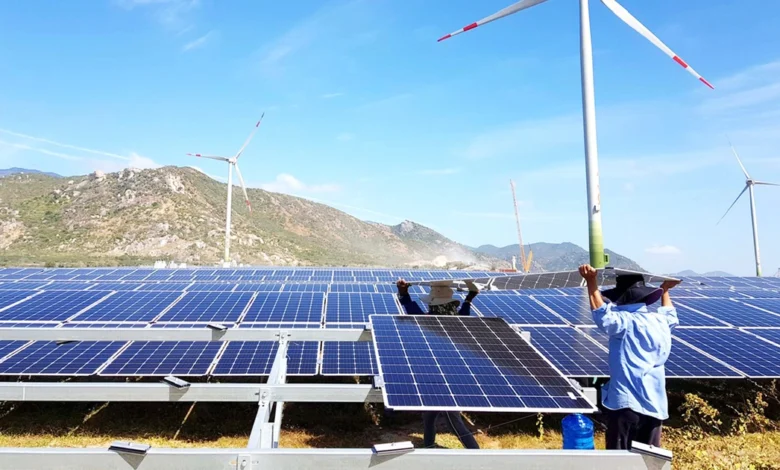
The Vietnam Electricity Group (EVN) has voiced significant concerns regarding the proposed inclusion of larger consumers in the Direct Power Purchase Agreement (DPPA) framework, as revisions to the Electricity Law are being finalized. EVN fears that allowing a broader range of customers to directly procure electricity from renewable energy sources could lead to substantial revenue losses and disrupt the stability of the national power grid.
Concerns Over Revenue and Grid Stability
EVN’s apprehension stems from the potential financial implications of the DPPA model. While the intention is to promote renewable energy adoption and provide consumers with greater choice, EVN argues that the current pricing mechanisms may not adequately account for all associated costs. This could lead to a situation where the price of electricity for consumers participating in DPPA is lower than anticipated, potentially forcing EVN to cover the deficit.
"This could lead to a situation where the price of electricity for consumers participating in DPPA is lower than anticipated, potentially forcing EVN to cover the deficit," explained a senior EVN official, speaking on condition of anonymity. "If the cost recovery for the DPPA mechanism does not fully capture the inherent costs, it could result in a significant financial burden on EVN, necessitating the subsidization of costs for a segment of customers. This, in turn, could create price disparities among different customer groups, leading to market imbalances."
The group’s primary worry is that a widespread adoption of DPPA, particularly if it includes a large number of electricity consumers who currently purchase power through EVN’s existing transmission infrastructure, could lead to a substantial decline in EVN’s revenue. This revenue is crucial for maintaining and upgrading the national power grid, investing in new generation capacity, and ensuring the reliability of electricity supply across the country.
Expert Analysis and Potential Financial Impact
Dr. Nguyen Huy Hoach, a member of the Science Council of the Vietnam Energy Association, elaborated on EVN’s perspective, acknowledging that the group’s concerns are rooted in sound economic principles. He pointed out that currently, DPPA is primarily envisioned for large consumers, defined as those with consumption exceeding 200,000 kWh per month. These large industrial and commercial customers represent a significant portion of EVN’s revenue.
"While the number of DPPA contracts signed is still limited, a significant increase in such agreements could lead to a substantial loss of revenue for EVN," Dr. Hoach stated in an interview with Tuoi Tre newspaper. "This is particularly concerning if customers consuming less than 200,000 kWh per month are also allowed to participate. This could lead to a situation where electricity buyers can bypass the existing transmission network and choose to purchase electricity directly through DPPA. This scenario has the potential to significantly impact EVN’s revenue streams, especially if the actual costs are not fully accounted for and settled in the DPPA pricing."
The implications of such a revenue shortfall for EVN are multifaceted. It could hinder the group’s ability to undertake necessary infrastructure upgrades, invest in new power generation projects, and maintain the operational efficiency of the national grid. The financial strain could also create challenges in meeting the growing energy demands of the country, particularly as Vietnam continues its rapid economic development.
Challenges for Grid Operation and Management
Beyond financial concerns, EVN is also apprehensive about the operational impact of a more widespread DPPA system on the national power grid. Mr. Nguyen Huu Khoa, Director of EVN Ho Chi Minh City, highlighted the complexities that arise when integrating a larger number of DPPA customers, especially when the primary sources of renewable energy – solar and wind – are inherently intermittent.
"The development of the DPPA market will undoubtedly bring about challenges in operating the transmission grid," Mr. Khoa explained. "As more customers engage in DPPA, particularly when the primary electricity sources like solar and wind power are characterized by their volatility, there will be increased pressure on the grid. This could lead to significant fluctuations in electricity flow and pose difficulties in maintaining grid stability and ensuring the quality of electricity supply."
The geographical distribution of renewable energy sources also presents logistical hurdles. Many large-scale renewable energy projects are concentrated in the central and southern regions of Vietnam. Transmitting this electricity to industrial parks and economic zones, which are often located further afield, places considerable strain on EVN’s existing transmission infrastructure. This could lead to issues related to voltage stability and the overall quality of electricity supplied to these areas.
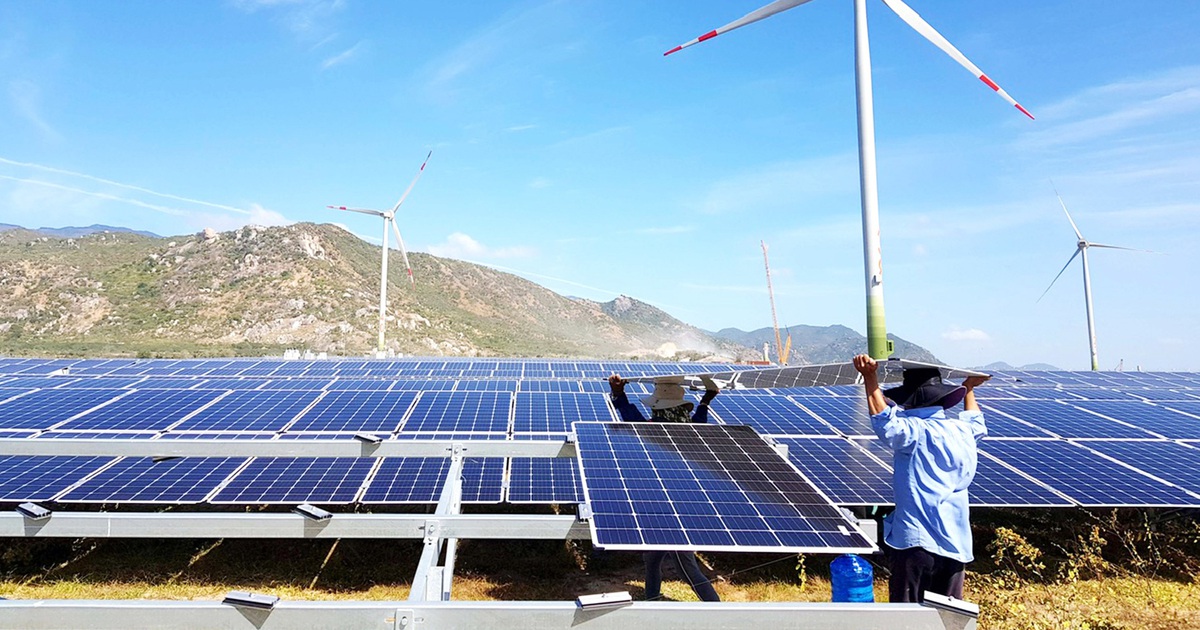
"Furthermore, the transmission of renewable energy from centralized locations to industrial zones can create significant strain on EVN’s transmission network, raising concerns about the stability and quality of electricity supply in these regions," Mr. Khoa added.
The Drive for DPPA and Renewable Energy Growth
Despite EVN’s reservations, the push for DPPA is driven by a desire to accelerate the development of renewable energy and provide consumers with greater flexibility in their energy procurement. The Vietnamese government has set ambitious targets for renewable energy integration, aiming to significantly increase the share of clean energy in the national energy mix. DPPA is seen as a crucial mechanism to facilitate this transition by allowing businesses to directly contract with renewable energy developers.
For consumers, particularly large industrial users, DPPA offers the potential to secure a stable and predictable supply of renewable electricity, which can be crucial for meeting corporate sustainability goals and mitigating reputational risks associated with carbon emissions. It also allows them to potentially negotiate more favorable terms than those available through standard electricity tariffs.
"The DPPA mechanism offers a pathway for businesses to directly procure renewable energy, aligning with their sustainability objectives and potentially hedging against future energy price volatility," noted an industry analyst. "This can be particularly attractive for export-oriented industries that face increasing pressure from international markets to demonstrate a commitment to green energy."
Potential Benefits for EVN
While EVN has expressed significant concerns, proponents of the DPPA argue that it could also bring tangible benefits to the utility. According to Mr. Khoa, a shift towards DPPA can help EVN reduce its exposure to the financial risks associated with long-term Power Purchase Agreements (PPAs) for conventional power sources.
"When EVN is obligated to purchase a certain amount of electricity, regardless of actual demand, it creates a financial risk if that capacity is not fully utilized," Mr. Khoa explained. "The DPPA mechanism can help reduce this burden by allowing customers to directly source their renewable energy, thereby decreasing EVN’s obligation to purchase from all sources and mitigating the risk of underutilized capacity."
This reduction in risk could free up EVN’s capital and resources, allowing the group to focus on essential grid modernization and expansion projects. Investments in upgrading the 500kV and 220kV transmission lines, as well as the development of smart substations, are crucial for enhancing the overall capacity, reliability, and security of the national power system.
"By reducing the burden of purchasing electricity from all sources, EVN can redirect its financial resources towards critical infrastructure development," Mr. Khoa emphasized. "This includes upgrading the national grid, investing in smart substations, and enhancing the overall resilience and efficiency of the power transmission system."
The Path Forward: Balancing Innovation and Stability
The ongoing debate surrounding the DPPA framework highlights the delicate balance between fostering renewable energy growth and ensuring the stability of the national electricity infrastructure. Experts like Dr. Hoach stress that the successful implementation of DPPA requires a comprehensive and integrated approach that considers all aspects of the energy ecosystem.
"It is imperative that the development of the DPPA market proceeds in tandem with the modernization of the electricity transmission system," Dr. Hoach advised. "This includes a thorough calculation of all costs associated with the generation, transmission, and distribution of electricity. Transparency in data regarding transmission, distribution, and energy storage systems is essential for the effective operation of the transmission grid. This will ensure that the DPPA mechanism complements, rather than competes with, the development of a robust and dynamic renewable energy market."
The Vietnamese government is expected to finalize the revisions to the Electricity Law in the coming months. The outcome of this legislative process will be critical in shaping the future of electricity procurement in Vietnam, determining how the country balances its commitment to clean energy with the imperative of maintaining a stable and reliable power supply for its growing economy. The effective integration of DPPA, alongside continued investment in grid infrastructure and transparent cost allocation, will be key to achieving Vietnam’s ambitious renewable energy goals.