An Giang Province Faces Severe Flood Threat in Late July 2026 Due to High Tides and Heavy Rainfall, Jeopardizing Rice Crop Yields

The Mekong Delta province of An Giang is bracing for a significant flood event in late July 2026, as the combined forces of exceptionally high tides and persistent heavy rainfall threaten to inundate low-lying areas, particularly in the border region. This critical period coincides with the harvesting season for the summer-autumn rice crop, raising serious concerns about potential damage to agricultural output and the livelihoods of local farmers.
Escalating Flood Risk in the Border Region
According to reports from the An Giang Provincial Department of Water Resources on July 24, the region’s hydrological system is under considerable strain. Between July 21 and July 31, the Mekong River’s water levels are expected to recede gradually, a typical seasonal pattern. However, a confluence of adverse meteorological conditions is set to reverse this trend.
The key concern stems from the projected impact of astronomical tides combined with heavy rainfall during the latter days of July. Specifically, from July 29 to July 31, which corresponds to the 15th and 16th days of the lunar calendar, the region is anticipated to experience a significant surge in water levels. This surge is attributed to the strong gravitational pull of the moon during these specific tidal periods, exacerbated by the continuous influx of rainwater.
Unprecedented Water Levels and Their Impact
The low-lying areas of the Mekong Delta, particularly the crucial agricultural zones in the border region of An Giang, are at the forefront of this looming crisis. Preliminary forecasts indicate that water levels in the Mekong River system could reach between 0.5 to 10 centimeters higher than the average levels recorded in the same period of 2025. This increase, while seemingly marginal, is substantial when compared to the average levels observed over the past several years, which typically ranged from 0.5 to 45 centimeters lower.
The heightened water levels are predicted to cause significant flooding in several communes within the border districts of An Giang province. These include Vinh Xuyen, Phu Huu, Khanh An, and Nhan Hoi. These areas are particularly vulnerable due to their low elevation and their direct proximity to the Cambodian border, where water from upstream tributaries can quickly accumulate. The combination of high tides and river overflow poses a direct threat to the standing summer-autumn rice crop, which is nearing maturity and harvest.
Official Response and Mitigation Efforts
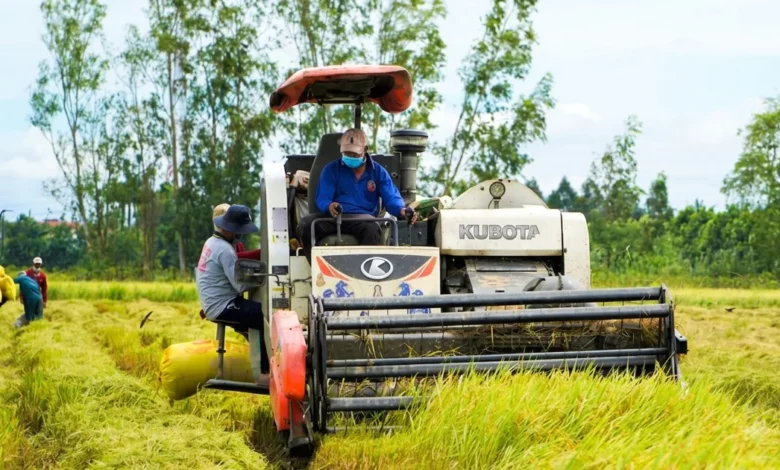
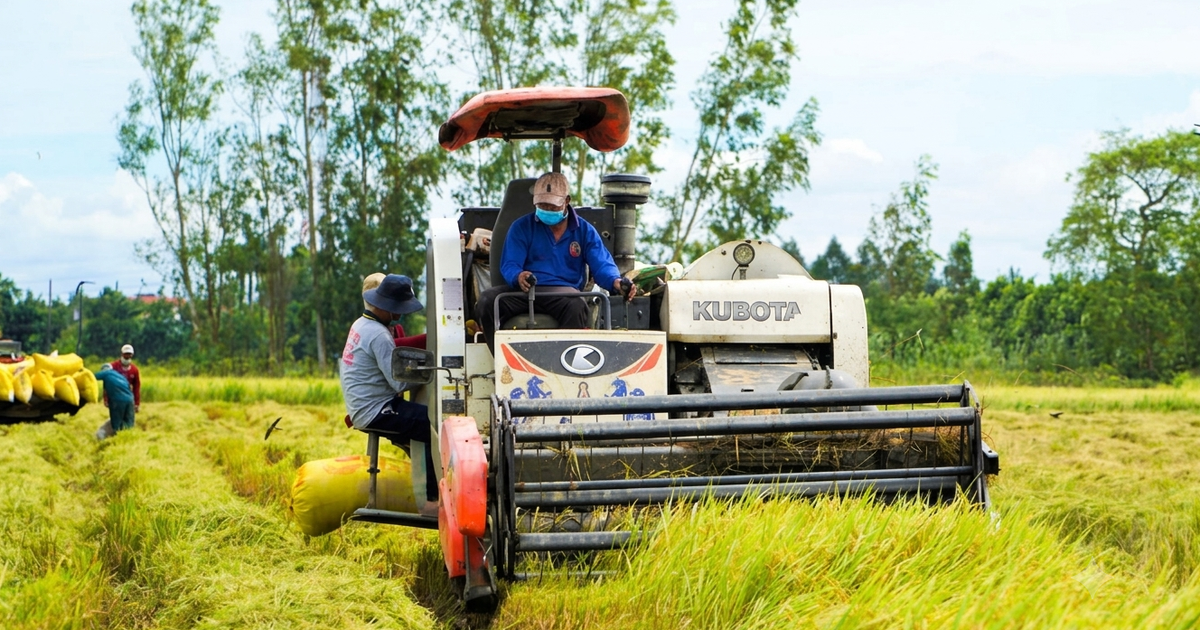
In response to the escalating threat, provincial authorities are mobilizing to mitigate potential damage. The An Giang Department of Agriculture and Rural Development is working closely with local administrations to assess the most vulnerable rice cultivation areas. A key focus is on coordinating the use of combine harvesters equipped with advanced technology to expedite the harvesting process. The aim is to harvest as much of the summer-autumn rice crop as possible before the floodwaters breach the protective embankments.
Mr. Nguyen Van Phuong, Head of the People’s Committee of Nhan Hoi Commune in An Giang province, highlighted the urgency of the situation. "In the summer-autumn crop of 2026, we are advising farmers in the border areas not to sow rice in fields that are highly susceptible to flooding," he stated. "This year, Nhan Hoi Commune is experiencing an earlier onset of the flood season. Farmers in Nhan Hoi have been working diligently to harvest approximately 330 hectares of the summer-autumn rice crop, ensuring it is brought in safely before being affected by the river’s rise or potential crop damage due to the increased water levels."
The Department of Agriculture and Rural Development is also collaborating with agricultural enterprises to facilitate the prompt purchase and transportation of harvested rice, preventing any potential backlog or price fluctuations that could negatively impact farmers. Efforts are underway to reinforce dykes and other flood control infrastructure in critical areas to prevent breaches.
Broader Implications for Food Security and the Economy
The Mekong Delta is a vital agricultural heartland for Vietnam, contributing significantly to national food security and export revenues. Rice cultivation in the region is highly sensitive to water levels, and prolonged or severe flooding during the harvest season can lead to substantial crop losses. This, in turn, can impact farmers’ incomes, increase food prices, and affect Vietnam’s position in the global rice market.
The summer-autumn rice crop is a crucial component of An Giang’s agricultural calendar. The province typically cultivates a significant area of rice during this season, with a substantial portion located in the vulnerable border districts. The current projections suggest that over 1,000 hectares of summer-autumn rice in communes like Vinh Xuyen, Phu Huu, An Phu, and Nhan Hoi are at immediate risk of inundation.
Authorities are also emphasizing the importance of timely crop management and pest control. The elevated water levels and increased humidity associated with flooding can create favorable conditions for the proliferation of rice diseases and pests. Farmers are being advised on preventative measures and the appropriate use of pesticides to protect their crops from potential outbreaks.
Historical Context and Future Preparedness
The Mekong Delta has historically experienced cyclical flooding, with the peak usually occurring in September and October. However, recent years have seen increased volatility in weather patterns, attributed by many experts to climate change. This includes more intense rainfall events, higher astronomical tides, and prolonged periods of drought followed by sudden floods.
The provincial government of An Giang is committed to a long-term strategy for flood preparedness and climate change adaptation. This involves investing in modernizing irrigation systems, reinforcing flood defenses, and promoting climate-resilient agricultural practices among farmers. The early warnings issued for the late July 2026 flood event underscore the importance of proactive measures and the need for continuous monitoring of hydrological and meteorological data.
The coordinated efforts between the Department of Water Resources, the Department of Agriculture and Rural Development, and local authorities are crucial in navigating this challenging period. By ensuring timely information dissemination, providing necessary resources, and implementing effective mitigation strategies, An Giang aims to minimize the impact of the impending flood on its agricultural sector and its people. The coming weeks will be critical in determining the extent of the damage and the success of the province’s preparedness measures.