Chi hon nua ti dong thue than den doi nha nhuong mat bang xay dai lo noi san bay Long Thanh

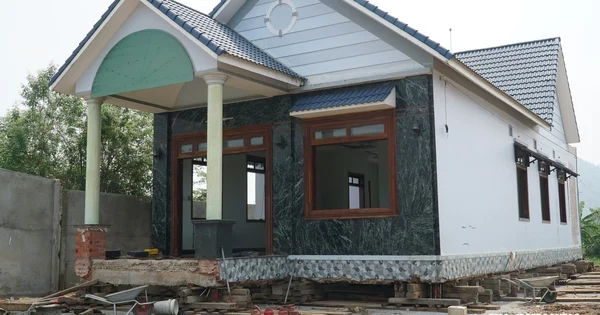
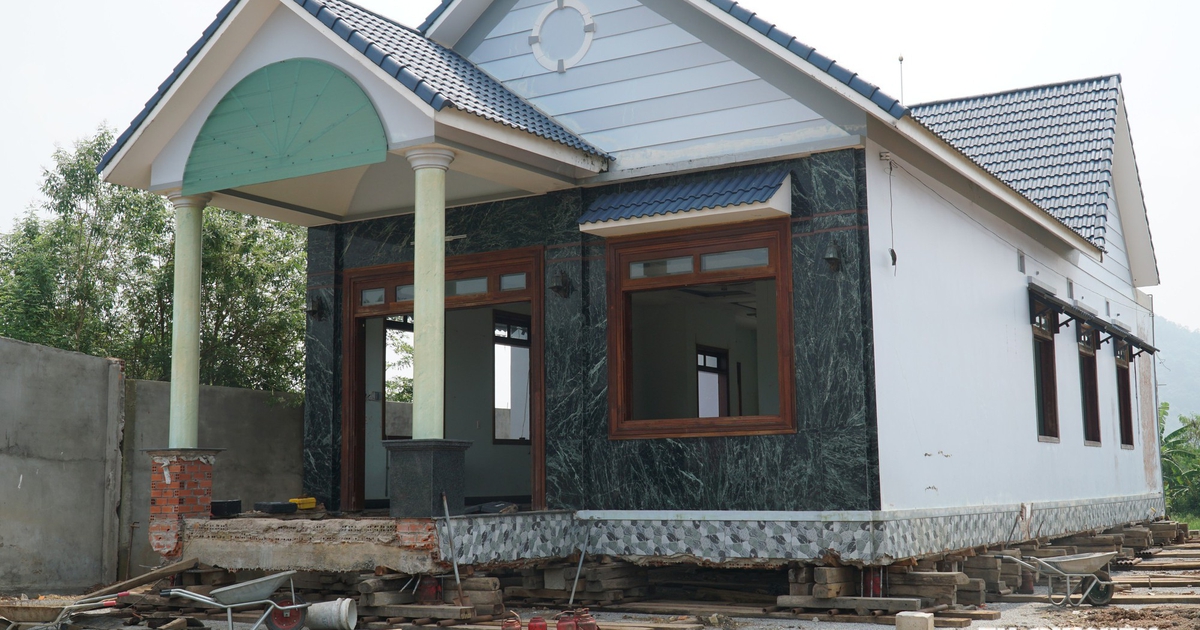
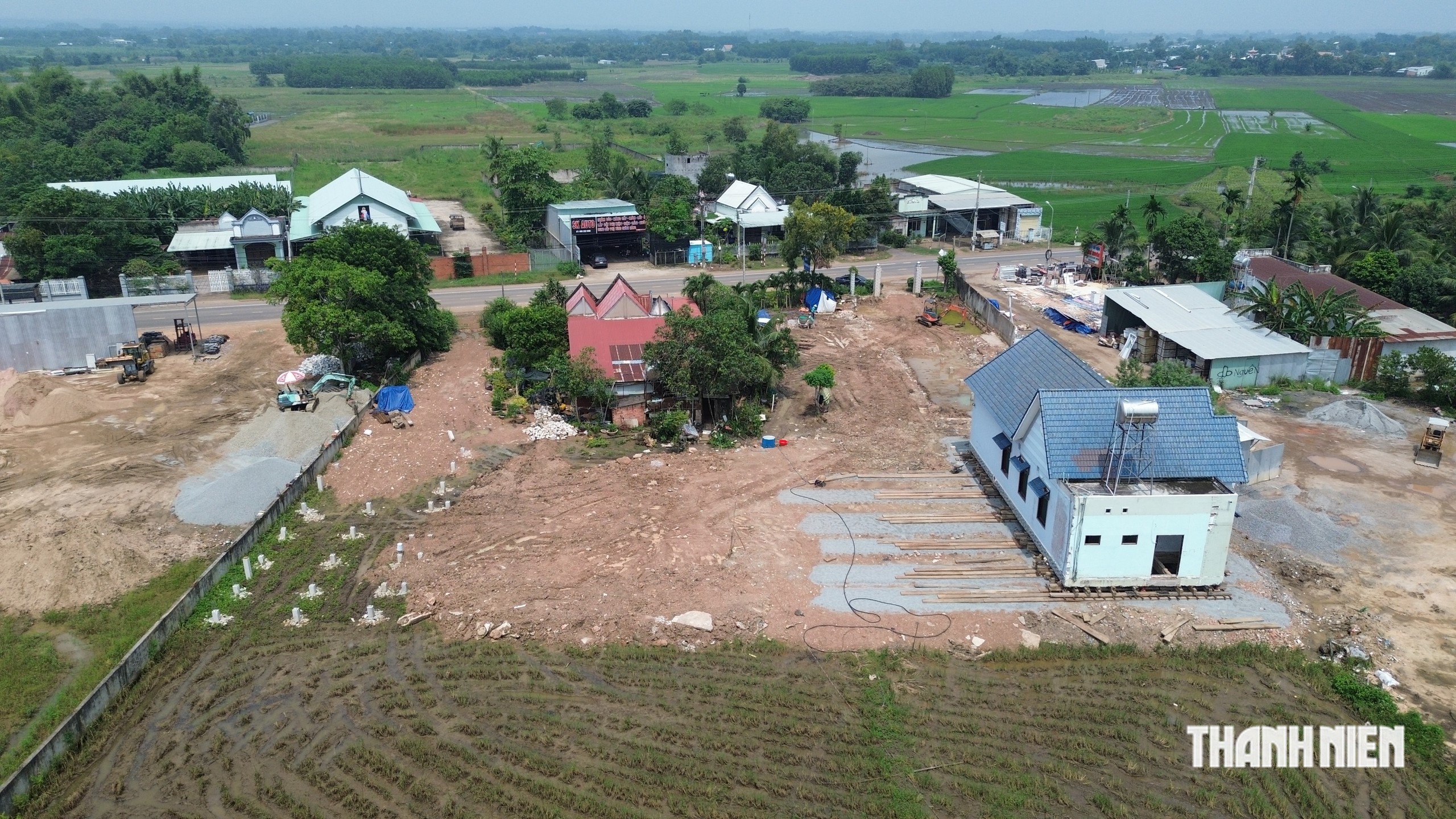
In an extraordinary display of civic cooperation, a resident in Xuan Phu Commune, Dong Nai Province, has invested more than 500 million VND to physically relocate his residence to facilitate the progress of a critical infrastructure project. Mr. Tran Hung, the homeowner, chose to undertake this complex structural move rather than pursue a traditional demolition and compensation settlement, allowing the state to clear land for the construction of the DT.773 expressway—a vital artery designed to connect the Long Thanh International Airport to the broader regional transport network.
The Logistics of a Massive Relocation
The residence, a substantial structure built approximately five years ago with an estimated original value exceeding 1.5 billion VND, occupies a prime location along the DT.765 road. As the government finalized the master plan for the new DT.773 route, it became clear that Mr. Hung’s property stood directly in the path of the future corridor.
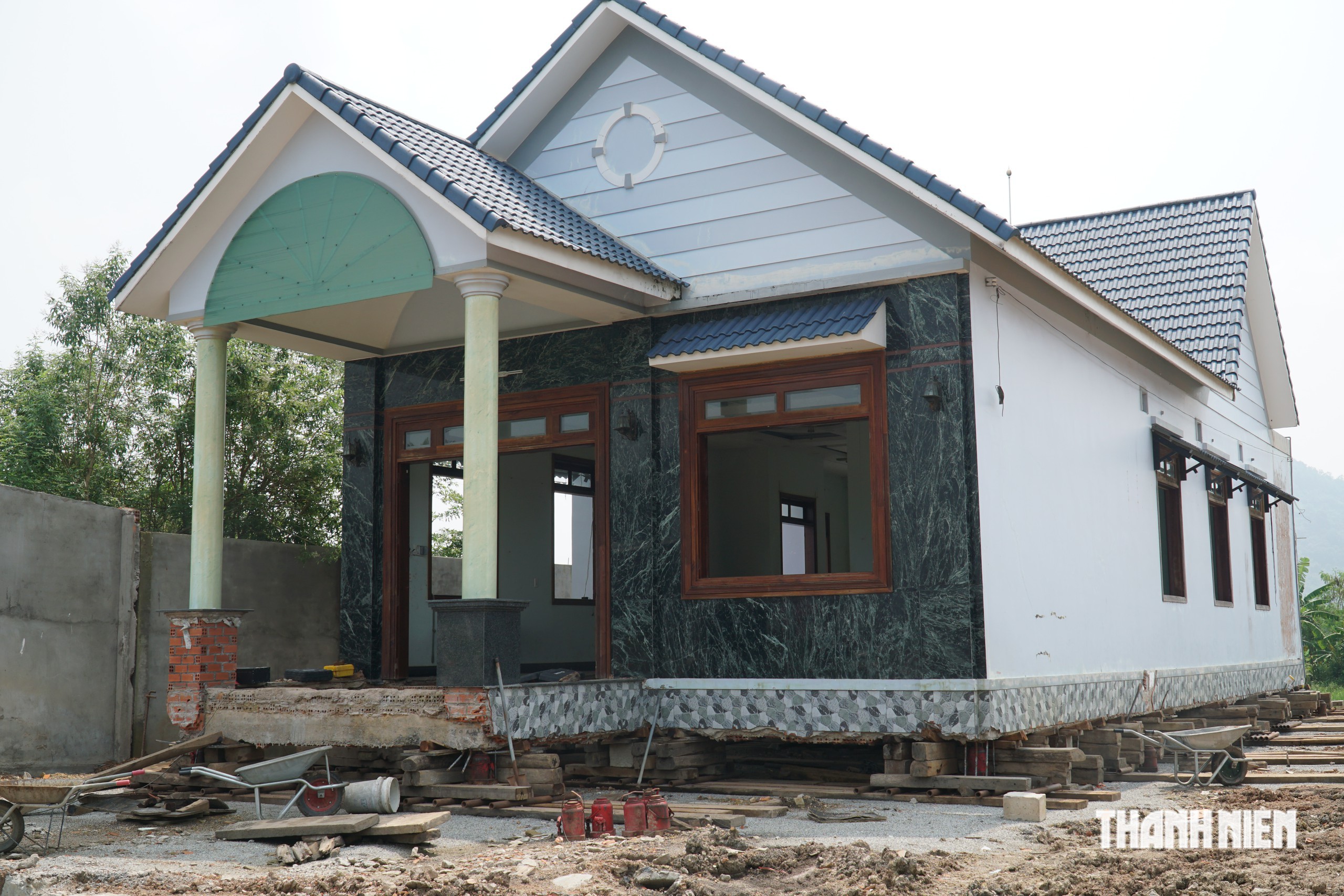
Rather than opting for a total payout and relocation, which would have necessitated the destruction of his home, Mr. Hung decided to engage specialized contractors to shift the entire building. The operation is a complex civil engineering feat involving two distinct stages: first, pulling the house approximately 30 meters backward to clear the encroachment, and second, traversing it laterally by roughly 42 meters to position it safely outside the development zone.

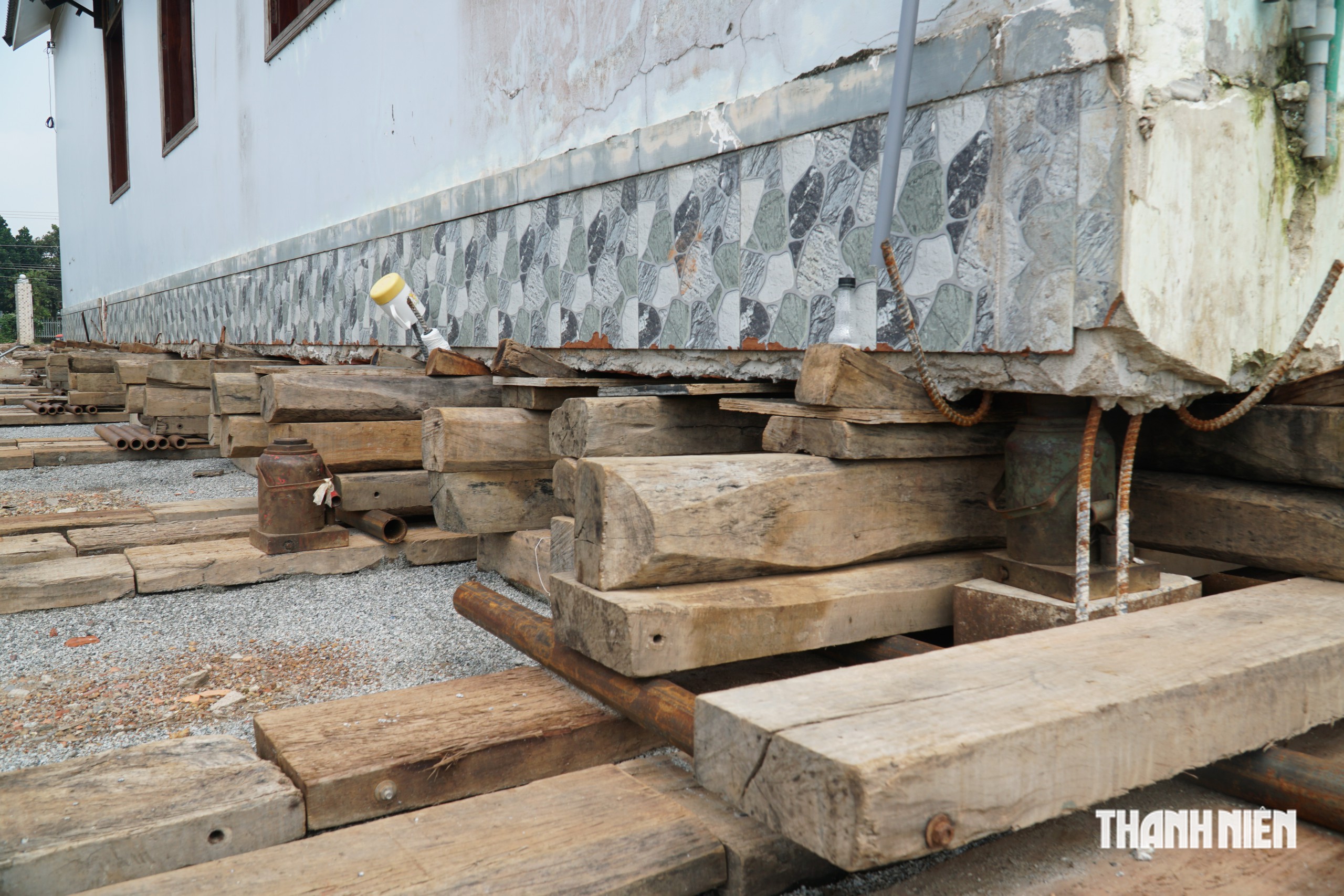
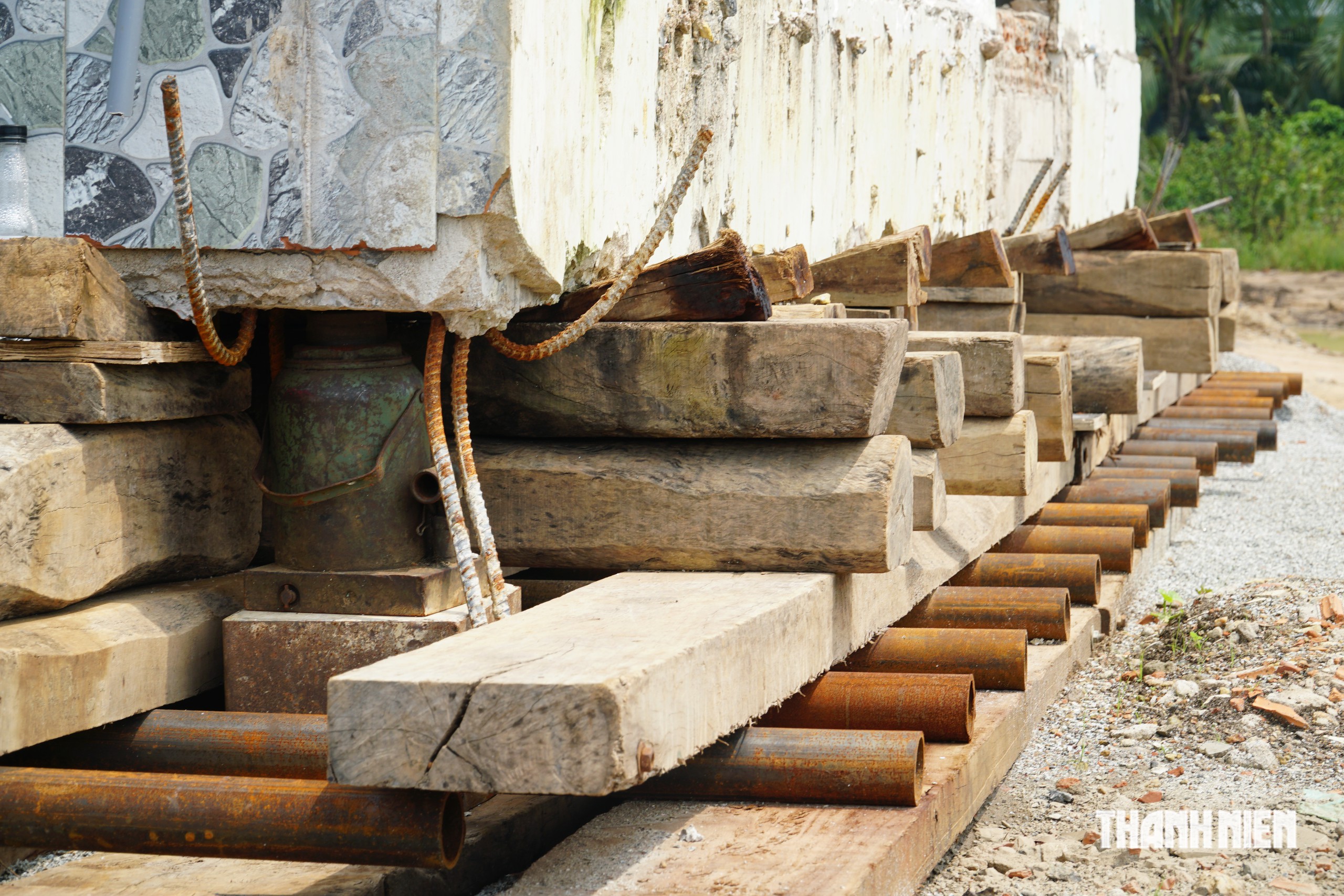
The technical methodology behind the move is sophisticated. The team first established a solid, leveled concrete foundation to support the building’s weight. Large, heavy-duty timber planks were placed beneath the structure’s load-bearing points, supported by a system of circular steel pipes acting as rollers. A grid of steel beams was installed to reinforce the structure, ensuring it remained rigid during the delicate transit.
Chronology of the Project
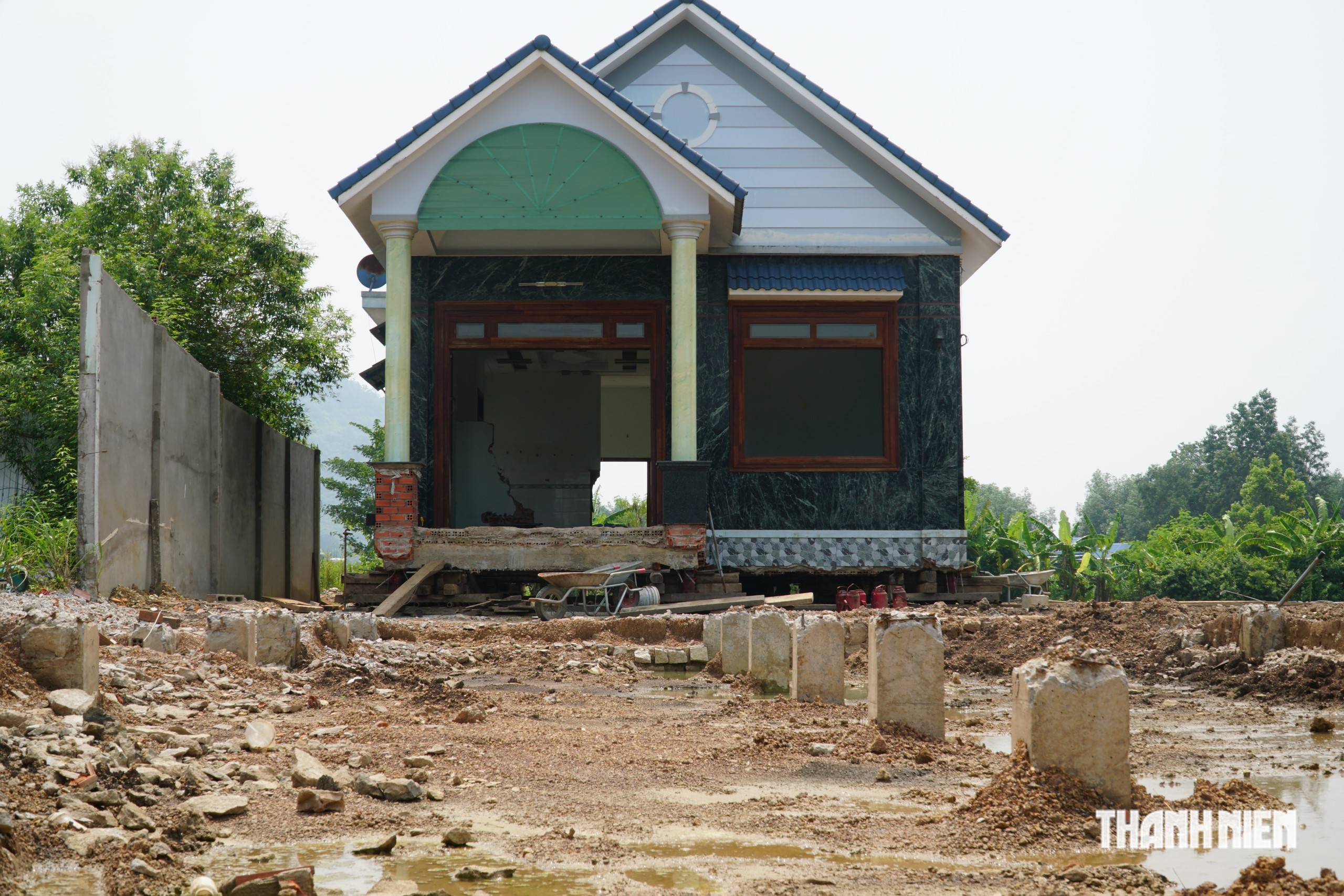
The relocation project began in July 2026, coinciding with the official timeline for the DT.773 construction. However, the process has faced significant environmental challenges. The region has experienced unusually heavy rainfall in recent months, causing the soil to become saturated and unstable. Consequently, the moving team has had to pause operations periodically to prevent ground subsidence, which could compromise the integrity of the home.
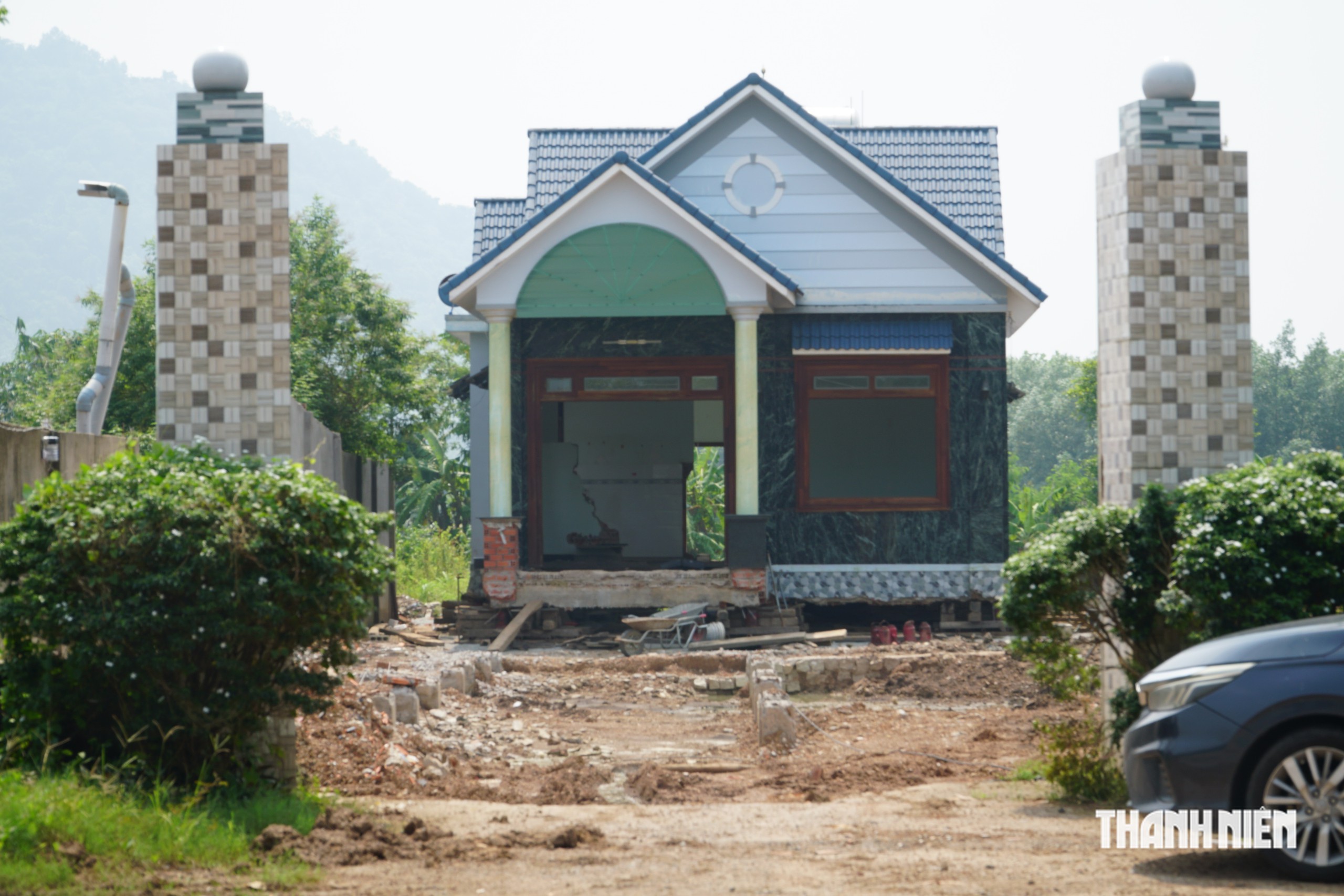
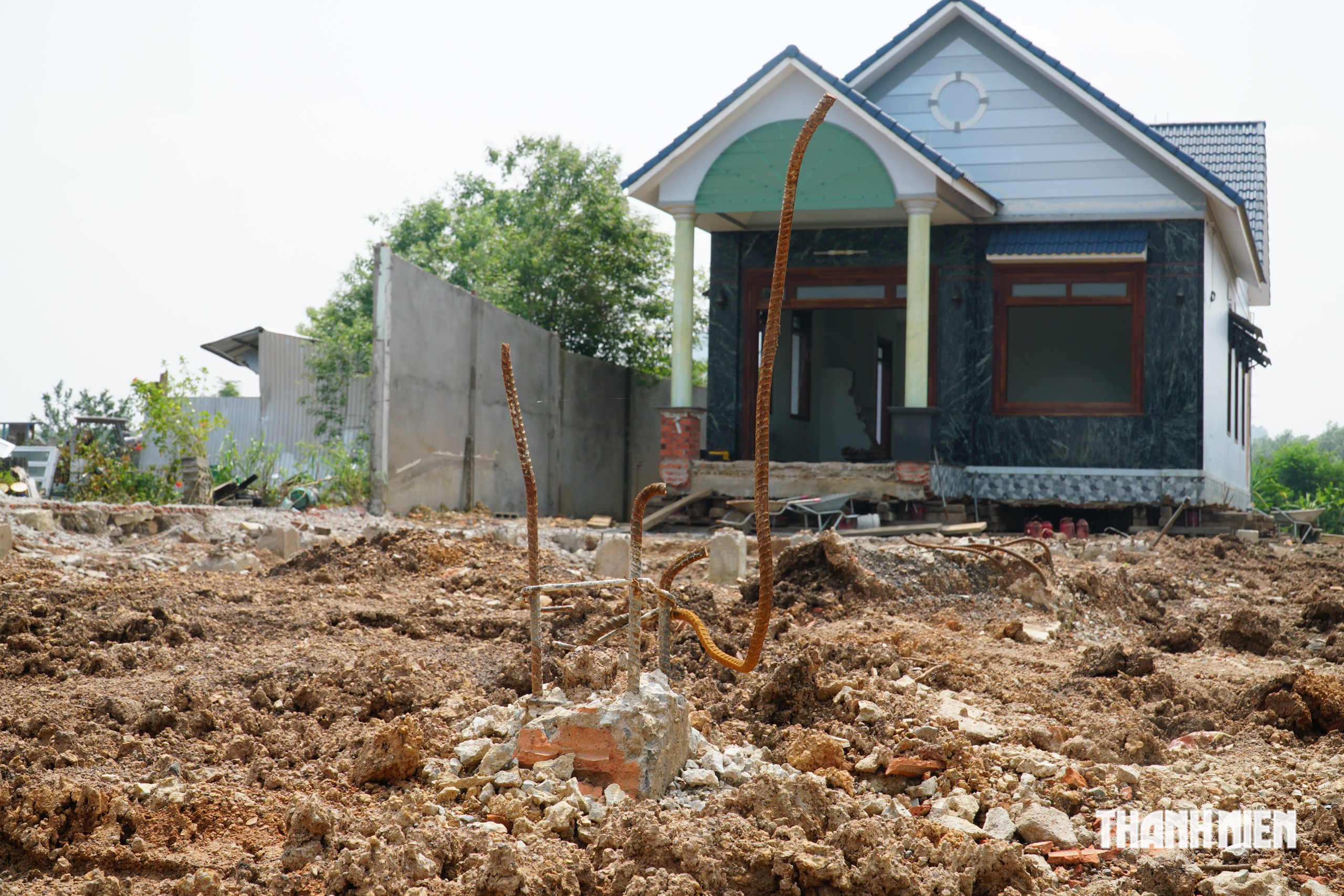
During these forced pauses, the family has utilized the time to dismantle peripheral structures, such as concrete columns and external masonry, to streamline the relocation process and salvage materials. Despite the financial burden of over 500 million VND—a significant sum for a private citizen—Mr. Hung remains committed to the project, viewing the preservation of his home as a priority that outweighs the cost of the move.
Strategic Importance of the DT.773 Expressway
The DT.773 expressway is not merely a local road; it is a critical component of the Southern Key Economic Zone’s transport strategy. Designed to link National Highway 1—passing through Xuan Hoa commune—to National Highway 56, and ultimately connecting to the Hoang Dieu 1 road leading to the Long Thanh International Airport, the project carries significant weight for national logistics.
The planned specifications for the road are substantial. It will feature a width of 60 to 80 meters, accommodating between six and eight lanes of traffic. With a total length of 36.6 kilometers and a design speed of 80 kilometers per hour, the project represents a total investment exceeding 4.3 trillion VND. The construction, which officially broke ground in July 2026, is scheduled for completion within a two-year window, targeting a mid-2028 operational date.
Socio-Economic Context and Land Acquisition
The land acquisition process for projects of this magnitude is notoriously complex. In Dong Nai, where the Long Thanh International Airport project remains a centerpiece of national development, the coordination between provincial authorities and local residents is paramount. The case of Mr. Hung highlights a growing trend of "proactive cooperation" among citizens who, while recognizing the necessity of public infrastructure, seek creative solutions to maintain their established domestic lives.
While the government provides standardized compensation packages, these often fail to account for the sentimental value or the specific architectural quality of newer homes. By investing in the relocation of his property, Mr. Hung has managed to navigate the legal requirements of the state’s development plan while bypassing the long-term uncertainty often associated with finding and purchasing new land in a rising market.
Economic and Infrastructure Implications
The construction of the DT.773 serves as a secondary support system for the airport’s connectivity. Analysts suggest that once complete, the route will significantly alleviate traffic congestion on existing roads, such as National Highway 51, which currently bears the brunt of the traffic heading toward the airport.
Furthermore, the expansion of the road network is expected to trigger economic growth along the corridor. The availability of high-capacity transport infrastructure typically leads to an increase in land value and attracts commercial development, ranging from logistics hubs to service centers for travelers.
However, the rapid pace of development also brings challenges. The current construction schedule, while ambitious, must account for the volatility of the region’s climate and the logistical complexities of clearing land that is densely populated. The local government’s ability to manage these hurdles will determine whether the 2028 completion target is met.
The Human Element in Large-Scale Development
From an administrative perspective, the decision by a homeowner to move their house rather than accept a buyout is a rare outcome. In most land-clearing operations, the state assumes the burden of full demolition and site preparation. When a property owner takes the initiative to clear the path for development themselves, it often results in a smoother handover of the land, as it reduces the bureaucratic friction involved in settling disputes over property valuations.
The 500 million VND investment serves as a stark reminder of the hidden costs associated with urban and regional development. For Mr. Hung, the decision was clearly calculated: the cost of relocation, while high, is viewed as an investment in his family’s continuity.
Looking Ahead
As of mid-September 2026, work on the DT.773 remains ongoing. The success of the project relies on the continued cooperation of residents like Mr. Hung and the efficiency of the contractors tasked with both the road construction and the peripheral clearing efforts.
As Dong Nai continues to evolve into a major transit and logistics hub, the stories of individual residents navigating these changes will become increasingly relevant. These narratives provide a human dimension to the massive, multi-trillion VND figures often cited in infrastructure reports. The case of the "moving house" in Xuan Phu serves as a testament to the resilience and adaptability of the local population in the face of rapid, state-led modernization.
In the coming months, as the weather potentially improves and the soil stabilizes, the final stages of the building’s relocation will be completed. Once the site is fully cleared, the construction machinery will move in to finalize the roadbed, marking another milestone in the race to connect the heart of Dong Nai to the gates of one of the most important airports in the country. The project stands as a microcosm of the broader effort to transform Vietnam’s transport infrastructure, balancing the grand scale of national development with the grounded, everyday realities of those living in its path.