Bộ Tổng tham mưu: Chủ động ứng phó mưa lớn, ngập lụt, lũ quét, sạt lở đất tại Nam Trung Bộ và Nam Bộ

As Severe Weather Threats Loom Across Central and Southern Regions, Vietnam’s General Staff Issues Urgent Disaster Response Directive
The General Staff of the Vietnam People’s Army has officially issued an urgent directive mandating military units across vulnerable regions to immediately activate comprehensive disaster response plans. This mobilization comes in the wake of severe meteorological warnings issued by the National Center for Hydro-Meteorological Forecasting, indicating a high risk of prolonged torrential downpours, widespread flooding, flash floods, and devastating landslides across the South Central and Southern regions of Vietnam, as well as parts of the Central Highlands.
With extreme weather events becoming increasingly unpredictable and intense due to shifting regional climate patterns, the military leadership has underscored the critical need for proactive preparedness. The directive emphasizes the preservation of human life as the absolute priority, calling for absolute vigilance, stringent readiness, and seamless coordination among various military branches, regional commands, and local civilian authorities.
Escalating Meteorological Threats and Vulnerable Regions
According to the latest forecasts from the National Center for Hydro-Meteorological Forecasting, a severe weather system is projected to impact several provinces starting September 21 through September 24. The affected areas include the eastern part of Gia Lai province, Đắk Lắk, Khánh Hòa, Lâm Đồng, and the entirety of the Southern region.
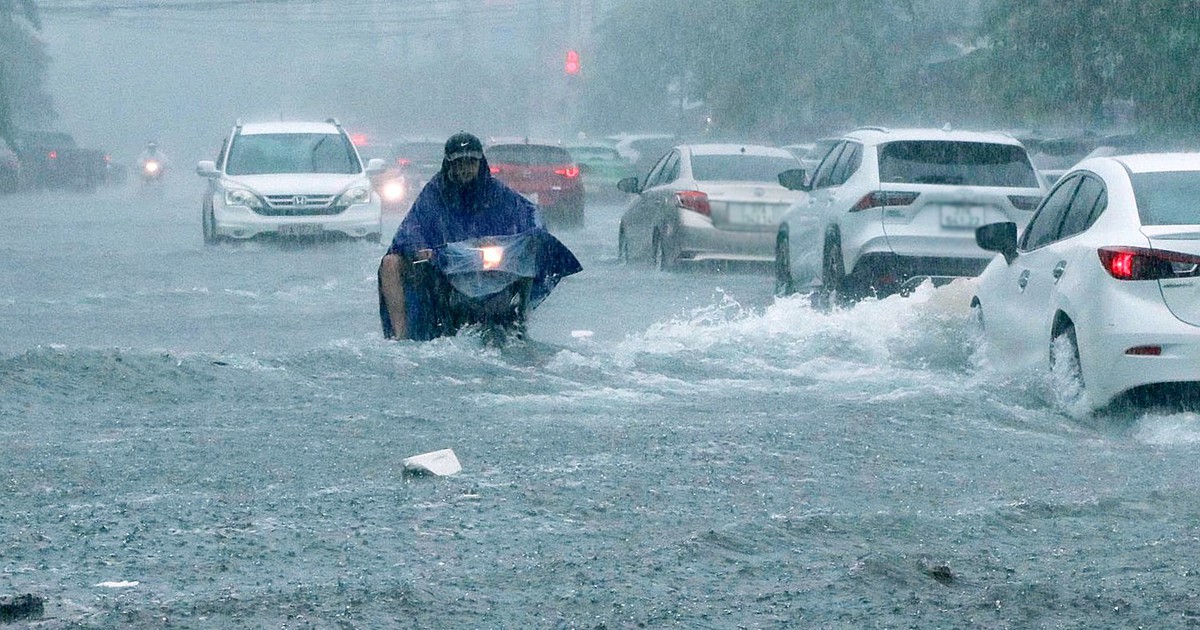
Meteorologists warn that these regions will experience moderate to heavy rain, with localized areas receiving extremely heavy downpours accompanied by thunderstorms. Rainfall totals are widely expected to range between 150mm and 250mm per day, with certain mountainous and vulnerable areas potentially exceeding 400mm per day. Of particular concern is the threat of high-intensity rainfall capable of surpassing 100mm within a mere three-hour window, drastically escalating the danger of sudden flash floods in mountainous terrains and severe urban inundation in low-lying cities.
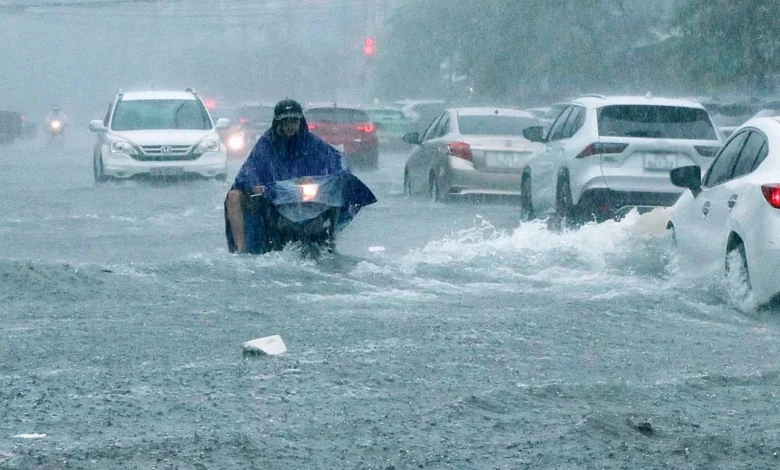
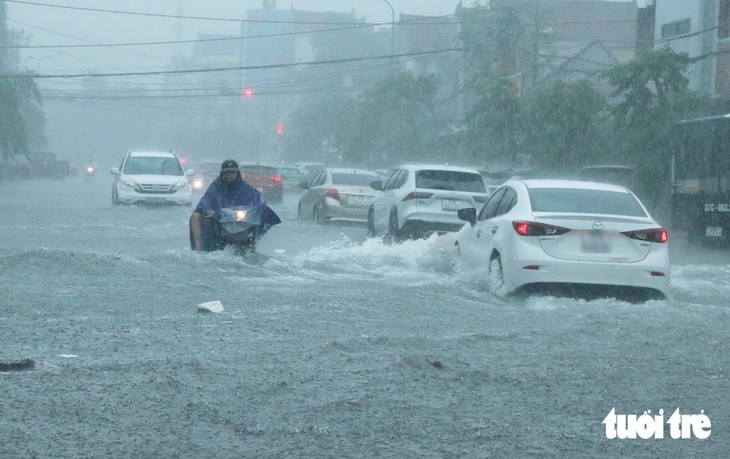
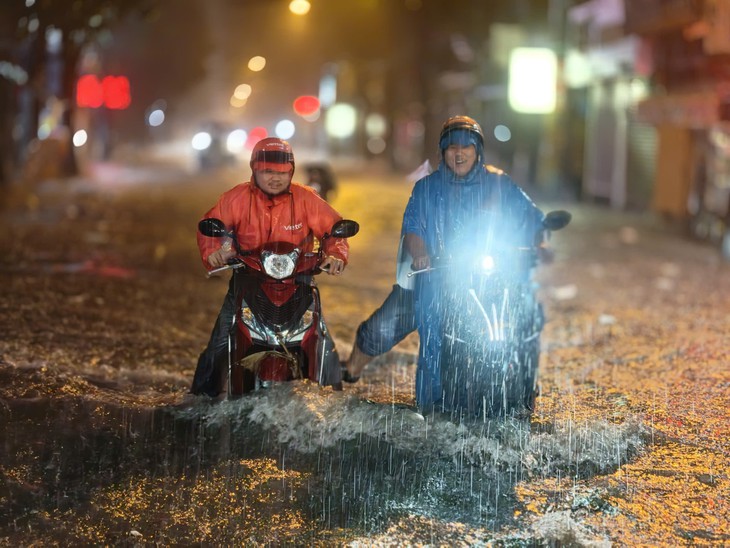
Recent weather anomalies—such as the recent severe street flooding and paralyzed traffic witnessed in Vinh City (Nghệ An province) and Ho Chi Minh City—have demonstrated the rapid and destructive nature of these localized downpours. Urban drainage systems are frequently overwhelmed, leaving hundreds of vehicles stalled and disrupting daily economic activities. The General Staff’s proactive stance aims to prevent similar disruptions and mitigate potential humanitarian crises before severe conditions peak.
Core Mandates of the General Staff Directive
The newly released directive establishes a strict protocol for all military echelons, requiring them to transition from passive observation to active, round-the-clock preparation. Key requirements outlined in the official document include:
- Strict Duty Rosters and Monitoring: Units must maintain continuous combat-readiness and disaster-response duty shifts, closely monitoring real-time meteorological bulletins to anticipate developing threats.
- Pre-emptive Force and Resource Deployment: Commanders at all levels are instructed to pre-position personnel, specialized rescue vehicles, watercraft, and logistical supplies directly in high-risk zones before natural calamities strike.
- Decisive Localized Interventions: Military units must coordinate dynamically with local people’s committees to swiftly execute rescue operations, manage evacuation protocols, and assist in post-disaster recovery.
- Strict Reporting and Safety Compliance: Standard operating procedures for incident reporting must be followed meticulously. Furthermore, commanders are strictly charged with ensuring the absolute safety of all deployed service members participating in rescue missions.
Responsibilities Across Military Regions and Specialized Branches
To ensure localized efficiency and rapid response capabilities, specific regional commands and armed services have been assigned tailored operational tasks under the overarching framework of the directive.
Military Regions 4, 5, 7, and 9
Commanders of Military Regions 4, 5, 7, and 9 have been directed to instruct provincial and municipal military commands to work hand-in-hand with local party committees and civil authorities. Their primary objective is to review, update, and refine existing disaster response plans to reflect real-world topographical and demographic conditions.
Collaborating closely with provincial departments, sectors, and civil defense boards, military officials must conduct thorough surveys to identify high-risk areas. This includes mapping zones prone to flash floods, deep inundation, geographical isolation, and structural vulnerabilities such as aging dams, reservoirs, river dikes, and revetments. Once identified, rescue teams and specialized equipment must be deployed to these specific geographical bottlenecks ahead of time.
Evacuation and Protection of Civilians
A central pillar of the directive is the enforcement of pre-emptive evacuations. Local military units are instructed to assist civilian authorities in forcefully or persuasively relocating residents from dangerous zones—such as steep slopes susceptible to landslides or low-lying riverbanks prone to rapid flooding—to designated safe shelters. The General Staff explicitly emphasized a zero-tolerance policy for negligence, stating that no avoidable casualties should occur due to subjective complacency or hesitation among local populations.
Corps 3, Specialized Branches, and Air Defense Forces
Corps 3, along with various specialized military branches and corps commands, have been ordered to conduct comprehensive internal audits of their logistical bases, storage facilities, and barracks. Ensuring the structural integrity of military infrastructure is vital to maintaining operational continuity during a crisis.
Moreover, these units are required to establish close liaison networks with local governments in their respective operational areas. They must remain fully prepared to mobilize manpower and heavy machinery to support civilian infrastructure repair and community recovery efforts upon official request.
Border Guard Command and Air Force Readiness
The Command of the Border Guard has been tasked with directing provincial and municipal border guard commands to ready their personnel and maritime assets. Because coastal regions and border provinces frequently bear the brunt of severe storms and coastal flooding, border guards play an indispensable role in securing fishing vessels, managing port safety, and spearheading initial search-and-rescue operations along maritime frontiers.
Concurrently, the Air Defense – Air Force Service and Corps 18 have been placed on standby to conduct aerial reconnaissance, search-and-rescue flights, and emergency humanitarian drops should land routes become completely severed. These aerial assets will only be deployed upon direct authorization from the Ministry of National Defense, representing a strategic reserve for catastrophic scenarios.
Broader Implications and Strategic Preparedness
The decisive mobilization ordered by the General Staff reflects Vietnam’s evolving and highly structured approach to disaster management. In recent years, climate change has driven an increase in frequency and severity of extreme weather phenomena across Southeast Asia, necessitating a shift from reactive disaster relief to proactive, military-backed risk mitigation.
By integrating the capabilities of the Vietnam People’s Army into local civil defense frameworks, the government ensures that remote and vulnerable communities receive immediate professional assistance during critical windows of vulnerability. The deployment of disciplined military personnel not only accelerates rescue and recovery timelines but also bolsters public confidence in times of widespread crisis.
As the heavy rainfall warning period from September 21 to September 24 unfolds, federal and regional military commands remain on high alert, poised to execute their duties to safeguard civilian lives, minimize property damage, and uphold the military’s enduring commitment to serving the people of Vietnam.