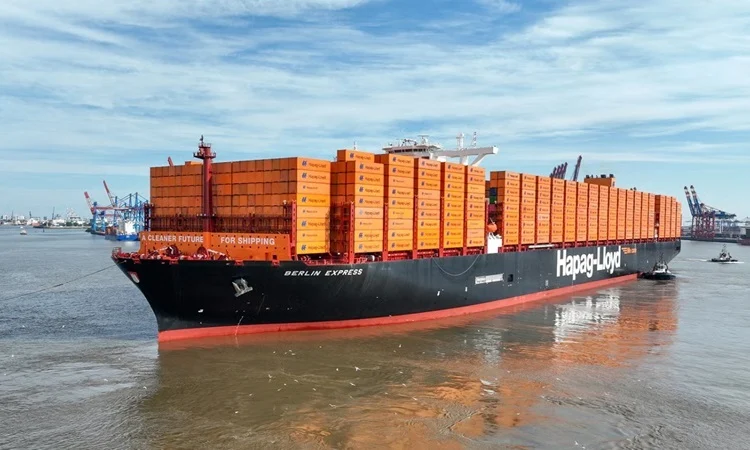
The maritime industry has long relied on a specific aesthetic choice for the hulls of large vessels: a vibrant, unmistakable shade of red. While the upper structures of ships are often painted in a variety of colors—ranging from corporate branding blues and whites to utilitarian grays—the submerged portion, or the hull below the waterline, remains consistently deep red. This is not a matter of maritime fashion or aesthetic preference, but rather a sophisticated engineering solution designed to combat biofouling, a biological phenomenon that threatens the efficiency, safety, and profitability of global shipping.
The Science of Biofouling and Hydrodynamic Drag
At its core, the red coating applied to ship hulls is a specialized anti-fouling paint. When a vessel remains in the water, it inevitably becomes a target for marine life. Microorganisms, bacteria, algae, barnacles, and mollusks are constantly looking for surfaces to attach themselves to. In the ocean, a ship’s hull provides an ideal, albeit mobile, substrate for these organisms to colonize.
This process, known as biofouling, creates a significant physical impediment. As layers of barnacles and seaweed accumulate on the hull, they create a rough surface texture that drastically increases hydrodynamic drag. According to marine engineering experts, this accumulation can increase the vessel’s total weight and disrupt the laminar flow of water around the hull. The result is a substantial increase in fuel consumption. As the ship encounters more resistance, the engines must work harder to maintain speed, leading to higher operational costs and significantly increased carbon emissions. For a massive container ship, even a small percentage increase in drag can translate into hundreds of thousands of dollars in wasted fuel per voyage.
The Role of Copper Oxide
The distinct red color of these coatings is primarily due to the inclusion of cuprous oxide (copper oxide). Historically, copper has been the most effective and widely used biocide in marine coatings. When copper oxide is integrated into the paint, it leaches out at a controlled rate, creating a thin, toxic boundary layer on the surface of the hull that prevents marine organisms from settling and growing.
Because copper oxide naturally possesses a reddish-brown hue, it dictates the color of the paint. While manufacturers have experimented with pigments to alter this appearance, the chemical efficacy of the copper remains tied to this specific composition. Consequently, the color has become the industry standard, signaling that the vessel is equipped with the necessary chemical protection to maintain its hydrodynamic efficiency throughout long oceanic transits.
A Chronological Evolution of Maritime Protection
The battle against biofouling is as old as seafaring itself, but the transition to modern chemical solutions follows a distinct timeline:

- Ancient Period: Sailors in Ancient Rome and Greece were among the first to observe the effects of marine growth. They utilized lead sheathing on wooden hulls to deter shipworms and barnacles, recognizing that certain materials could repel life.
- 18th Century: The British Royal Navy began experimenting with copper sheathing on their wooden warships. This proved highly effective, but it introduced a new problem: galvanic corrosion. When copper came into direct contact with iron bolts and fasteners, it caused the metal to corrode rapidly.
- 1863: A pivotal moment in maritime technology occurred when American merchants James Tarr and Daniel Wonson filed a patent for a copper-based anti-fouling paint. This invention bridged the gap between expensive metal sheathing and liquid applications, allowing for easier maintenance and broader application across different ship types.
- 20th Century to Present: As ship construction shifted from wood to steel, the demand for sophisticated paints that could prevent both corrosion and biofouling intensified. The development of self-polishing copolymers and organotin compounds (later banned due to environmental toxicity) paved the way for the current generation of eco-conscious, copper-based, or non-toxic silicone-based coatings.
Economic and Environmental Implications
The financial burden of biofouling is staggering. Research from various maritime organizations, including insights cited by publications like Grunge, indicates that biofouling can cost the U.S. Navy and global shipping companies between $180 million and $260 million annually in additional fuel expenses alone.
Beyond the direct fuel costs, there are broader environmental implications. Vessels acting as "mobile ecosystems" can transport invasive species across the globe. When a ship travels from one port to another, it may carry non-native algae or crustaceans attached to its hull, which then detach and establish themselves in foreign environments, potentially devastating local marine biodiversity. The use of anti-fouling paint is, therefore, not just an economic imperative for shipping companies, but a critical tool in global biosecurity.
Beyond Anti-Fouling: Practical Utility
While the primary function of the red paint is biocidal, it also serves a secondary, practical purpose for port operations. The deep red color provides a high-contrast visual marker against the water, allowing port authorities and crew members to easily identify the "waterline."
This is essential for monitoring the ship’s displacement and loading status. By observing the position of the red paint relative to the water surface, port officials can quickly assess the vessel’s trim and stability. In the high-stakes environment of a container terminal, where thousands of tons of cargo are loaded and unloaded daily, being able to visually verify the ship’s buoyancy and load balance at a glance is an essential safety protocol.
Future Trends and Sustainable Alternatives
In recent years, the maritime industry has faced increasing pressure to reduce the use of toxic chemicals in oceans. While copper remains the industry leader, researchers are developing new, non-toxic alternatives. These include:
- Foul-Release Coatings: Utilizing silicone or fluoropolymer technologies, these coatings create an extremely smooth, low-surface-energy finish. Instead of killing organisms, they prevent them from gaining a strong grip, allowing them to be "washed off" by the force of the water as the ship gains speed.
- Advanced Polymers: Scientists are engineering synthetic surfaces that mimic the skin of sharks or dolphins, which naturally resist biofouling through their unique micro-texture rather than chemical toxicity.
- Ultrasonic Systems: Some modern vessels are testing ultrasonic transducers installed inside the hull, which emit high-frequency vibrations that deter microorganisms from settling on the exterior surface.
Despite these innovations, the red, copper-based paint remains the most cost-effective and reliable solution for the vast majority of the global fleet. While we may eventually see more gray, blue, or white hulls moving through the oceans as non-toxic technology matures, for the foreseeable future, the red hull will remain a signature, functional feature of the world’s most efficient maritime transporters. The color is, essentially, the visual shorthand for a vessel optimized for the immense challenge of crossing the world’s oceans.