Vietnam Embraces a New Era: Elevating Cultural Heritage as a Pillar of National Development on Vietnam Cultural Day

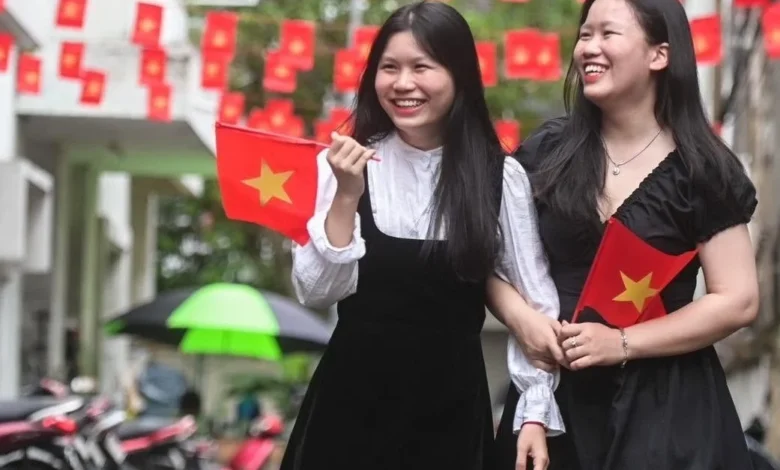
The establishment of Vietnam Cultural Day, officially observed on November 24, marks a monumental turning point in the nation’s socio-economic blueprint. By institutionalizing a dedicated national holiday centered around cultural enrichment, creativity, and spiritual rejuvenation, Vietnam seeks to elevate culture from a secondary domain to a primary pillar of national development, running parallel to economic growth. However, translating this ambitious vision into a tangible reality for millions of citizens requires overcoming significant institutional, geographical, and practical challenges. As the nation prepares to celebrate this milestone, policymakers, cultural experts, and business leaders are confronting the core dilemma of how to ensure that cultural wealth becomes a accessible asset for all segments of society, rather than remaining an exclusive privilege of urban elites.
Background and Context of Vietnam Cultural Day
The journey toward establishing a dedicated cultural holiday reflects Vietnam’s broader strategic shift in the 21st century. As the nation transitions from a developing economy focused primarily on industrial output and GDP expansion to a modern, knowledge-based society, the leadership has recognized that sustained economic prosperity is incomplete without a robust spiritual and cultural foundation. For decades, rapid industrialization and urbanization have generated substantial economic gains, but they have also created noticeable disparities in the distribution of cultural capital.
The introduction of Vietnam Cultural Day on November 24 is designed to address these imbalances. It serves as a structural mechanism to unlock the nation’s immense creative potential, harness its rich historical heritage, and foster national pride. With Vietnam boasting a profound historical lineage and a diverse tapestry of traditions—including 12 intangible cultural heritage elements recognized by UNESCO, eight of which are in the field of music—the potential for cultural revitalization is vast. Yet, the historical precedent of national holidays indicates that without proactive management, official observances risk falling into bureaucratic formalism, characterized by rigid ceremonies and bureaucratic meetings that fail to resonate with the general population.
The Practical Challenge: Reaching the Working Class and Bridging the Cultural Divide
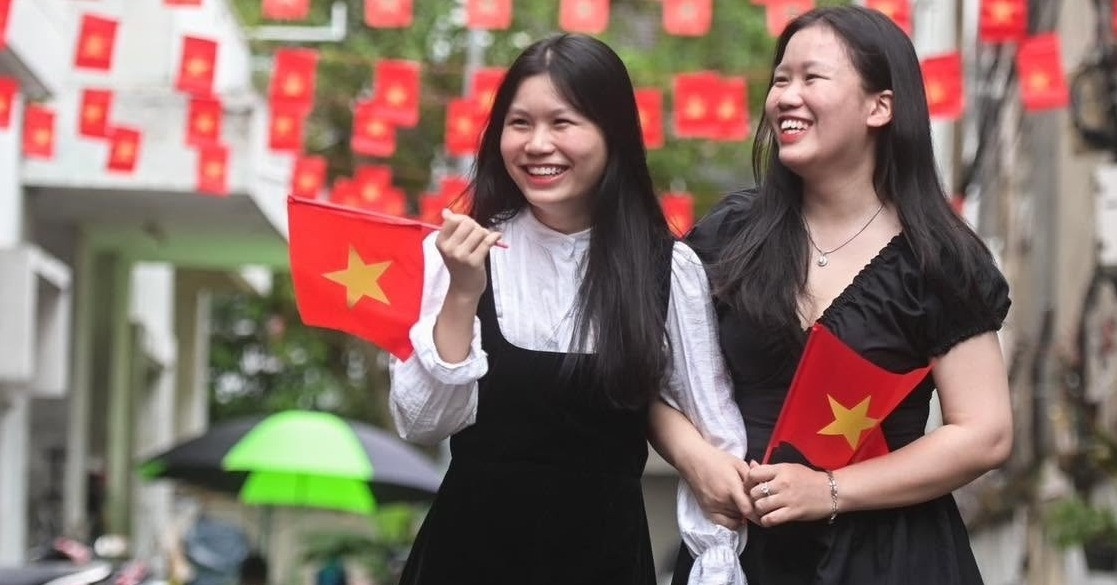
A critical evaluation of contemporary Vietnamese society reveals a pronounced cultural divide between major metropolitan centers and industrial hubs. In heavy industrial zones scattered across provinces such as Bắc Ninh, Đồng Nai, and the outskirts of HoChi Minh City, hundreds of thousands of factory workers endure demanding schedules characterized by shift work, mandatory overtime, and intense financial pressures. For these individuals, highbrow concepts such as art appreciation, museum exhibitions, and theatrical performances often seem entirely out of reach.
The spiritual lives of a vast majority of the working class have increasingly shrunk to the small screens of smartphones, dominated by short-form entertainment on social media platforms. Without strategic intervention, a national cultural holiday risks exacerbating the existing gap between urban cultural centers and industrial peripheries, as well as between lowland urban areas and remote highland communities.
Industry experts and cultural historians have emphasized that simply granting citizens a day off is merely a necessary condition; creating a compelling, accessible cultural ecosystem is the indispensable companion condition. If November 24 passes merely as a day of physical exhaustion recovery or passive consumption in isolation, the ultimate objective of transforming culture into a developmental engine cannot be fully realized.
Perspectives from Cultural Authorities and Arts Leaders
Addressing the complexities of executing a national cultural holiday, prominent figures within Vietnam’s artistic community have underscored the heavy responsibilities resting on cultural institutions. People’s Artist Phạm Ngọc Khôi, Vice Chairman of the Vietnam Musicians’ Association, notes that unlike the general workforce, which utilizes the holiday for rest, the duty of artists and cultural workers is to actively bring music, dance, and theatrical performances directly to the public.
"Vietnam possesses an extraordinary wealth of traditional art forms, from tuồng, chèo, and cải lương to ca Huế and quan họ," Phạm Ngọc Khôi explains. "These artistic traditions serve as the spiritual anchor helping our nation maintain its identity. However, achieving aesthetic accessibility while preserving and developing these art forms through time is exceptionally challenging. Vietnam Cultural Day serves as a vital reminder of our duty in preservation, education, and dissemination. Culture must become the lifestyle, mindset, and living foundation of every citizen."
Echoing this sentiment, People’s Artist Võ Ngoạn Hợp, Vice Chairman of the Vietnam Association for Corporate Culture Development, argues that true cultural democratization requires a fundamental reimagining of public spaces. On Vietnam Cultural Day, citizens from all walks of life should be welcomed into open, free, or heavily subsidized cultural spaces, including historical sites, cinemas, and theaters. Rather than navigating crowded commercial shopping centers, the public should be encouraged to collectively experience the refinement and beauty of indigenous culture.
The Crucial Role of Enterprises as Cultural Bridges
One of the most innovative proposals for ensuring the success of Vietnam Cultural Day involves the active participation of the corporate sector. Traditionally, businesses close their doors and grant employees time off without structured engagement. However, cultural leaders argue that forward-thinking enterprises must evolve into active participants by organizing internal cultural festivals, honoring exemplary workers, and fostering artistic and athletic competitions.
Rather than offering conventional holiday bonuses, companies are encouraged to distribute "cultural gifts" such as theater tickets, cinema passes, or valuable books to employees and their families. This approach not only stimulates a healthy market for cultural consumption but also strengthens workplace solidarity and employee well-being.
"The success of Vietnam Cultural Day should not be measured merely by the quantity of events organized, but by the reach, emotional resonance, and satisfaction levels of the public," Võ Ngoạn Hợp emphasizes. "We have reached a time when we must step past archaic management mindsets and enter a modern era of cultural governance. Only when the factory worker in an industrial park and the highlander in a remote mountainous region find their own unique spiritual joy on November 24 will Vietnam Cultural Day truly become a festival of the people."
Broader Implications and Strategic Roadmap
As Vietnam continues to integrate deeply into the global community, the elevation of culture to a strategic development pillar holds profound geopolitical and economic implications. International experience demonstrates that nations with strong cultural identities are more resilient to external economic shocks and cultural homogenisation. By systematically transforming heritage into a sustainable asset, Vietnam can stimulate tourism, boost creative industries, and foster a more cohesive society.
Achieving this vision requires a synchronized, long-term roadmap involving government agencies, local authorities, cultural institutions, and the private sector. Key strategic initiatives must include:
- Decentralization of Cultural Infrastructure: Expanding modern cultural facilities, community libraries, and performance spaces into industrial zones and rural areas.
- Digital Integration: Leveraging digital platforms to broadcast theatrical performances, virtual museum tours, and educational programs to remote populations at minimal or no cost.
- Educational Curriculum Enhancement: Deepening the integration of traditional arts and national history within school curricula to instill cultural appreciation from a young age.
- Public-Private Partnerships: Incentivizing corporations through tax benefits and recognition programs to invest in employee cultural welfare and community arts projects.
Ultimately, the institutionalization of Vietnam Cultural Day is not merely an administrative addition to the national calendar; it is a profound declaration of national identity and ambition. By bridging the cultural divide and empowering every citizen to participate in the nation’s artistic and spiritual life, Vietnam is laying a resilient foundation for sustainable, holistic development in the decades to come.