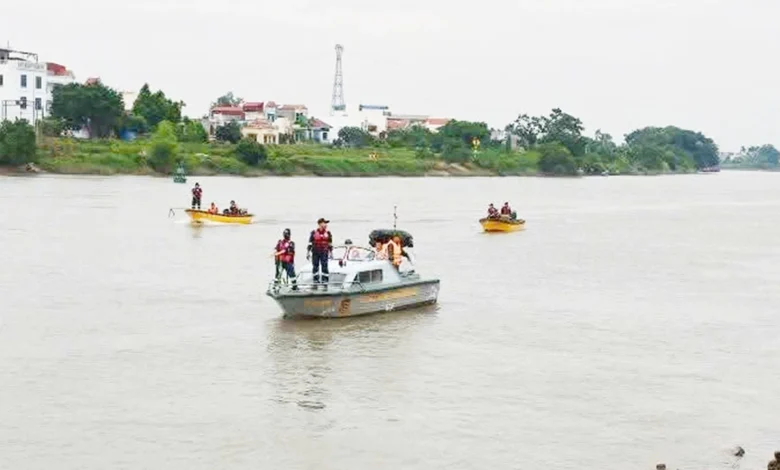
The search and rescue operation for Major Tran Van Tung concluded in tragedy on the afternoon of September 13, when search teams recovered his body from the Tra Ly River, approximately 350 meters downstream from the Bo Bridge. Major Tung, a 39-year-old officer serving with the Hung Yen Military Command, had been missing for over 32 hours after plunging into the river in a desperate attempt to save a young man who had intended to jump from the bridge. The recovery of his remains marks the end of a harrowing ordeal that has left the local community in mourning and prompted a wider conversation regarding emergency response protocols and the dangers of high-risk rescue attempts by untrained civilians or off-duty personnel.
Chronology of the Incident
The sequence of events began on the morning of September 12, at approximately 9:40 a.m. Major Tran Van Tung was traveling by motorcycle across the Bo Bridge, returning from a professional assignment. While crossing the bridge, he noticed a young man engaged in an agitated altercation with his mother. The man’s behavior suggested he was in a state of severe psychological distress, with clear indications that he intended to end his own life by jumping from the bridge structure.
Recognizing the imminent danger, Major Tung stopped his vehicle. He was joined by another passerby, identified as Mr. Do Van Tien, who also paused to intervene. The two men engaged the distressed youth, attempting to calm him and provide emotional support. Their efforts initially appeared successful; the young man agreed to accompany them away from the bridge railing and return home.
However, the situation took a tragic turn as Major Tung returned to his motorcycle to retrieve his belongings. In a sudden, impulsive move, the young man broke away and leaped into the Tra Ly River. Acting on instinct and a sense of duty, Major Tung immediately abandoned his motorcycle and dove into the water in an attempt to pull the youth to safety. Despite his efforts to reach the drowning individual, the strong currents and the swift, turbulent nature of the river at that location overwhelmed them both. The young man was swept away by the water, and Major Tung disappeared shortly thereafter.
Search and Recovery Operations
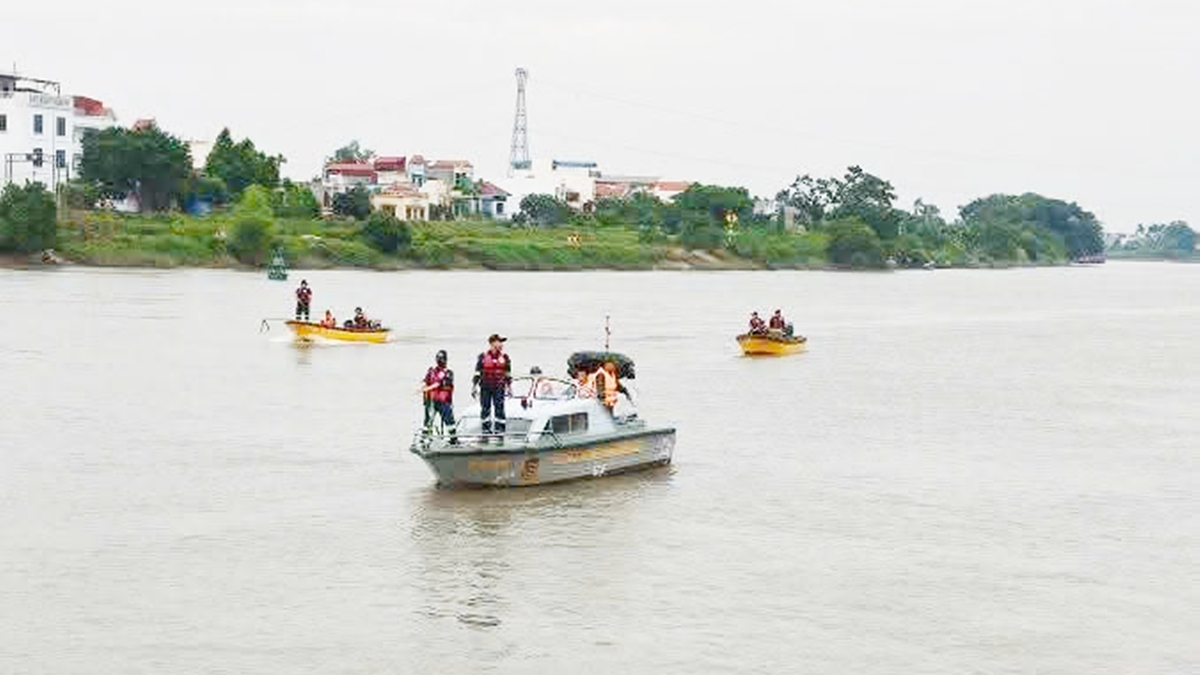
The search operation was launched immediately following the incident on the morning of September 12. Local authorities, including the Hung Yen Military Command, police units, and specialized rescue teams, mobilized a significant force to scour the banks and the main channel of the Tra Ly River.
By the afternoon of September 13, the effort was bolstered by the 116 Rescue Team, a specialized unit often called upon for complex aquatic recovery missions. The team’s efforts yielded results at approximately 6:05 p.m. when they located and recovered Major Tung’s body. The Hung Yen Military Command officially confirmed his identity and proceeded to hand over the remains to his family for funeral arrangements.
As of the evening of September 13, the search for the young man who originally jumped remains ongoing. Authorities have continued to deploy boats and divers to search the downstream sections of the river, though the conditions remain challenging due to silt and unpredictable water flow.
Background and Service Record of Major Tran Van Tung
Major Tran Van Tung, born in 1985, had dedicated nearly two decades of his life to military service. He enlisted in September 2005 and, at the time of his death, served as the Battalion Commander of Battalion 3, Infantry Regiment 568, under the Hung Yen Provincial Military Command.
Colleagues describe him as a disciplined and committed officer who had earned the respect of his peers through his consistent performance and dedication to his unit. Beyond his military career, he was a family man, leaving behind a spouse and two children. His death is regarded as a profound loss for the provincial military branch, with superiors noting that his final act of bravery—while unauthorized and outside of his official duties—was entirely consistent with his character as a soldier committed to the protection of human life.
The Dynamics of River Rescue Risks
The incident at Bo Bridge highlights the extreme dangers inherent in water-based rescue attempts, particularly in the river systems of Northern Vietnam. During the post-monsoon season, rivers such as the Tra Ly often feature high discharge rates, complex undercurrents, and poor visibility caused by suspended sediment.
Search and rescue experts emphasize that even for strong swimmers, jumping into a river to save a drowning person is one of the most perilous actions an individual can take. The "drowning chain" phenomenon, where a would-be rescuer is pulled under by a panicked victim or exhausted by the physical strain of navigating a current, frequently leads to multiple fatalities. In this case, the combination of the river’s hydraulic force and the potential for a physical struggle likely contributed to the inability of Major Tung to reach the shore.
Official Responses and Community Impact
The incident has reverberated throughout the Hung Yen province, drawing condolences from local government officials and the public. The Hung Yen Military Command has stated that it is providing full support to Major Tung’s family, coordinating the necessary funeral logistics and offering psychological support to those affected.
Public reaction has been largely focused on the altruistic nature of the Major’s final moments. While some observers have raised questions about the lack of safety infrastructure on local bridges to prevent such incidents, others have highlighted the need for public education regarding intervention in mental health crises. The fact that a trained military officer lost his life while attempting to save a civilian has reignited debates regarding the standard operating procedures for civilians encountering life-threatening emergencies.
Broader Implications for Public Safety
The tragedy serves as a grim reminder of the psychological and physical volatility of bridge-based incidents. Urban planning experts often point to the installation of higher barriers and anti-climb fencing on major bridges as a primary deterrent. However, these physical measures must be complemented by improved mental health awareness and crisis intervention training for local law enforcement and the general public.
From a policy perspective, the death of Major Tung underscores the need for:
- Enhanced Crisis Response Training: Equipping officers and civilians with de-escalation techniques that do not require physical proximity to dangerous ledges.
- Improved Water Safety Infrastructure: Increasing the availability of life-saving equipment, such as life rings and rope canisters, at known high-risk locations like the Bo Bridge.
- Public Awareness Campaigns: Educating the public on the "Reach, Throw, Row, Go" sequence, which prioritizes safety and discourages jumping into water when other, less lethal methods are available.
Conclusion
The loss of Major Tran Van Tung is a sobering event that captures the intersection of duty, tragedy, and the unpredictable nature of heroism. While the military continues to honor his service, the search for the young man continues, and the community of Hung Yen is left to grapple with the aftermath of a selfless act that ended in a tragic sacrifice. As investigations into the circumstances of the event proceed, the focus remains on ensuring that the memory of Major Tung is preserved and that the lessons learned from this incident are applied to prevent future occurrences of similar magnitude. The recovery of his body provides a degree of closure for his grieving family, yet the void left by his absence serves as a lasting testament to the risks faced by those who choose to intervene in the darkest moments of others.