A New Era of Aerodynamic Design
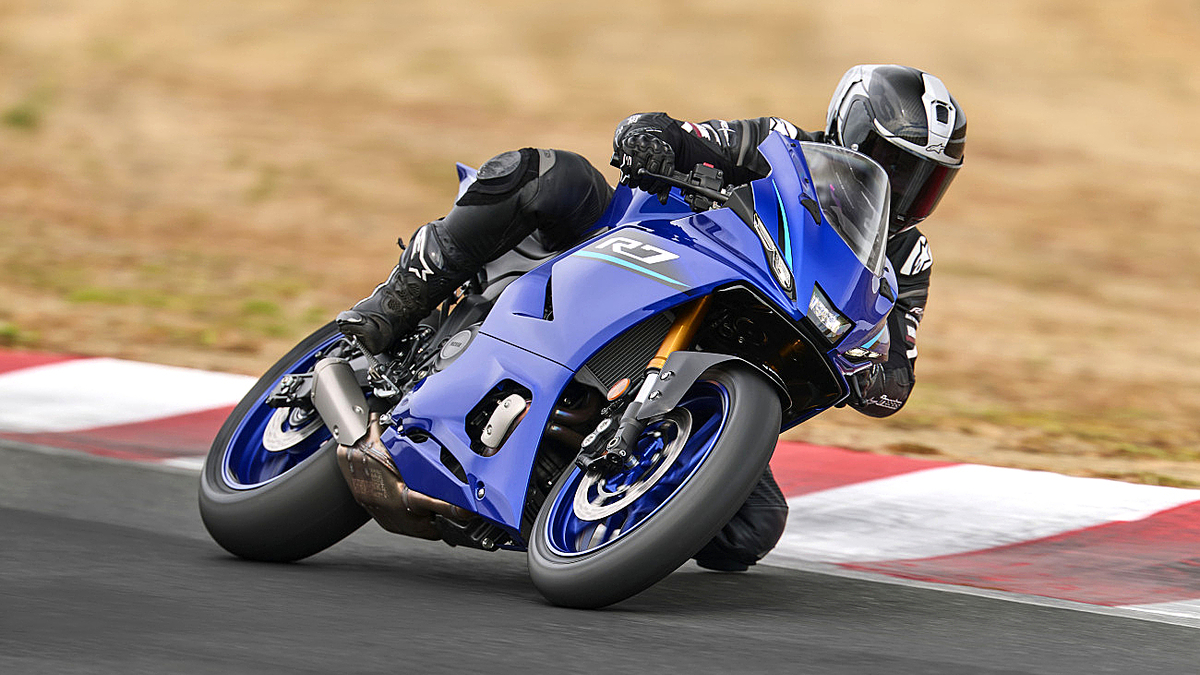
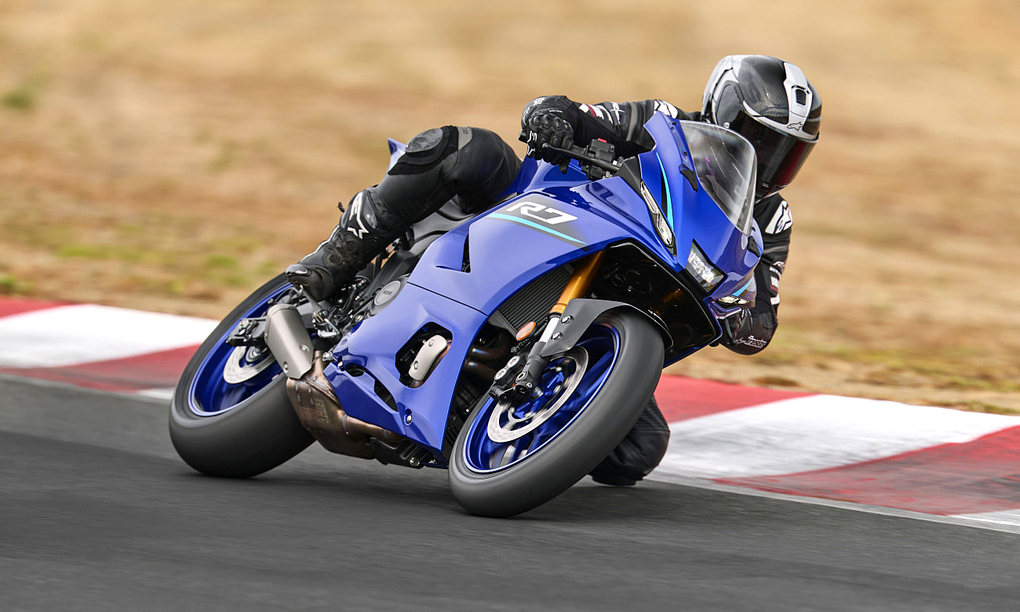
At the core of the 2026 YZF-R7’s visual and functional overhaul is a redesigned fairing system. Yamaha engineers have utilized advanced computational fluid dynamics (CFD) and wind tunnel testing to refine the bike’s silhouette. The primary objective was to reduce aerodynamic drag while simultaneously increasing stability at high speeds—a crucial factor for riders who frequent track days. The new bodywork remains faithful to the iconic "R-Series DNA," characterized by its sharp, aggressive lines and a narrow profile, but it introduces subtle refinements that improve air management around the rider and the engine.
The front fascia has been modernized with a more minimalist LED headlight assembly, integrated into the central M-shaped air intake, reminiscent of the flagship YZF-R1 and the newly announced YZF-R9. This design choice not only enhances the bike’s aesthetic appeal but also optimizes airflow to the radiator. The side fairings have been sculpted to better vent heat away from the rider’s legs, addressing one of the common ergonomic complaints in the sportbike category. Furthermore, the tank shape has been slightly adjusted to allow for better knee grip during cornering, emphasizing Yamaha’s focus on rider-machine synergy.
The Heart of the Machine: The CP2 Engine
The 2026 YZF-R7 continues to be powered by the celebrated 689cc CP2 (Crossplane Concept 2-cylinder) engine. This liquid-cooled, DOHC, 8-valve parallel-twin engine features a 270-degree crankshaft, a configuration that provides an uneven firing interval to produce a distinct exhaust note and a linear torque delivery that mimics the feel of a V-twin. In its 2026 trim, the engine produces 73.4 horsepower at 8,750 rpm and a peak torque of 68 Nm.
While the raw performance figures remain consistent with previous iterations, the refinement of the engine’s mapping and the integration of new electronic controls have significantly altered its character. The CP2 engine is widely regarded as one of the most versatile powerplants in the motorcycling world, also found in the MT-07, Ténéré 700, and XSR700. Its primary strength lies in its broad torque curve, which offers immediate pulling power from low to mid-range revolutions. This makes the R7 exceptionally agile in urban environments and forgiving on technical race circuits, as riders do not need to constantly maintain high RPMs to find usable power.
The Electronic Revolution: 6-Axis IMU Integration
The most substantial upgrade for the 2026 model year is the inclusion of a comprehensive electronic suite, a first for the R7 platform. Previously criticized for lacking the rider aids found on its more expensive siblings, the 2026 R7 now features a 6-axis Inertial Measurement Unit (IMU). This sensor package monitors the motorcycle’s pitch, roll, and yaw, as well as acceleration in all directions, allowing for the implementation of lean-sensitive rider aids.
Key technological additions include:
- Yamaha Chip Controlled Throttle (YCC-T): A ride-by-wire system that provides more precise throttle response and enables the integration of various riding modes.
- Yamaha Ride Control (YRC): This system offers five distinct riding modes: Sport, Street, Rain, Custom, and Track. Each mode adjusts power delivery, traction control, and slide control to suit specific conditions.
- Traction Control System (TCS): A lean-sensitive system that prevents rear-wheel spin during acceleration.
- Slide Control System (SCS): Derived from the YZF-R1, this system intervenes when it detects the rear wheel sliding sideways during cornering, providing a safety net for aggressive riding.
- Back Slip Regulator (BSR): This stabilizes the bike during heavy engine braking by managing torque levels to prevent rear-wheel lock-up.
- Quick Shifter: A bi-directional (up and down) quick shifter is now standard, allowing for seamless gear changes without the use of the clutch, thereby reducing lap times and rider fatigue.
- Launch Control: A feature specifically designed for the track, helping riders achieve the most efficient standing starts.
- Switchable Rear ABS: Riders can now disable the Anti-lock Braking System on the rear wheel, a feature highly requested by track enthusiasts who prefer to "slide" the bike into corners.
Chassis Refinements and Performance Components
Beyond the electronics, Yamaha has made strategic improvements to the R7’s physical architecture. The high-tensile steel frame has been fine-tuned for optimized rigidity, balancing stiffness for high-speed stability with enough flex to provide feedback to the rider. A major highlight of the 2026 model is the adoption of Yamaha SpinForged wheels. This proprietary manufacturing process significantly reduces unsprung weight—the weight of components not supported by the suspension—which directly improves the bike’s flickability and suspension response.
The suspension setup remains high-spec for the class, featuring fully adjustable 41mm inverted front forks and a linked-type Monocross rear shock with adjustable preload and rebound. To ensure the bike can harness its new electronic capabilities, Yamaha has equipped the 2026 R7 with Bridgestone Battlax Hypersport S23 tires as standard. These tires are designed to offer superior grip in both dry and wet conditions, making them ideal for a bike that serves dual roles as a daily commuter and a weekend track weapon.
Connectivity and Data Analysis
In line with modern consumer expectations, the 2026 YZF-R7 features a 5-inch full-color TFT display. This screen replaces the previous LCD unit and offers multiple display themes, including a "Track" layout that prioritizes the tachometer and lap timer. The dash is fully compatible with the Yamaha Y-Connect smartphone app, allowing riders to receive notifications for calls and messages, monitor fuel consumption, and track maintenance schedules.
Furthermore, the 2026 model introduces the Y-TRAC (Yamaha Track Ride Analysis) system. This professional-grade telemetry tool allows riders to download and analyze their riding data from the track. By reviewing throttle position, braking pressure, lean angles, and speed through specific sectors, riders can identify areas for improvement, effectively turning the R7 into a mobile training platform for aspiring racers.
Market Context and Competitive Landscape
The launch of the 2026 YZF-R7 in Thailand marks the beginning of a global rollout. Thailand’s motorcycle market is one of the most vibrant in the world, serving as a hub for both production and consumption of middleweight bikes. By debuting the R7 here, Yamaha is positioning itself to capture a significant share of the growing "supersport-light" segment.
The R7 competes in an increasingly crowded field that includes the Kawasaki Ninja 650, the Honda CBR650R, the Aprilia RS 660, and the newly released Triumph Daytona 660. While the Ninja 650 is often seen as a more budget-friendly, street-oriented option and the RS 660 as a premium, high-performance alternative, the 2026 YZF-R7 occupies the "sweet spot" in the middle. With its new electronic suite, it now matches the technological sophistication of the Aprilia while maintaining the reliability and accessible torque of the Yamaha CP2 platform.
Industry analysts suggest that Yamaha’s decision to heavily invest in the R7’s technology is a response to shifting global regulations and consumer trends. As high-revving, four-cylinder 600cc supersports like the R6 become increasingly restricted to track-only use due to emissions standards, twin-cylinder bikes like the R7 are becoming the new standard for the street. By adding features like an IMU and a quick shifter, Yamaha is ensuring that riders do not feel they are "downgrading" when moving from a traditional supersport to a middleweight twin.
Celebrating 70 Years of Innovation
The 2026 model year is particularly significant as it coincides with Yamaha Motor Company’s 70th anniversary. To commemorate this milestone, Yamaha has introduced a special edition of the YZF-R7. This version features a unique livery inspired by Yamaha’s classic racing colors, along with gold-anodized forks and special branding. At a price premium of only 100 USD over the standard model, the 70th Anniversary Edition is expected to be a highly sought-after collector’s item among enthusiasts.
Conclusion and Future Implications
The 2026 Yamaha YZF-R7 represents a pivotal moment for the R-Series lineup. By evolving the R7 from a simple, torque-heavy sportbike into a high-tech precision instrument, Yamaha has signaled its commitment to the middleweight category. The integration of the 6-axis IMU and advanced rider aids makes the bike more accessible to novices while providing the depth of control required by experienced track riders.
As the model begins to arrive in showrooms across Southeast Asia and eventually Europe and North America, it will likely set a new benchmark for what riders expect from a sub-750cc motorcycle. The 2026 R7 is no longer just a "budget R6 replacement"; it is a sophisticated, standalone machine that proves that performance is not solely measured by cylinder count, but by the harmony of mechanical engineering and electronic intelligence. With a starting price of 10,300 USD, Yamaha has delivered a package that offers exceptional value, ensuring that the R-Series continues to dominate the hearts and minds of sportbike fans worldwide.