Expert Pham Hai Anh Urges Comprehensive Overhaul for Vietnam Women’s Football Team Following Heavy Defeat at Asiad 2026

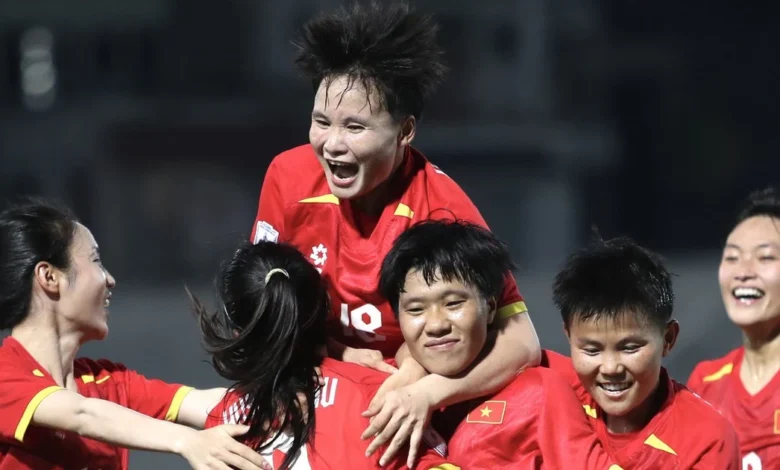
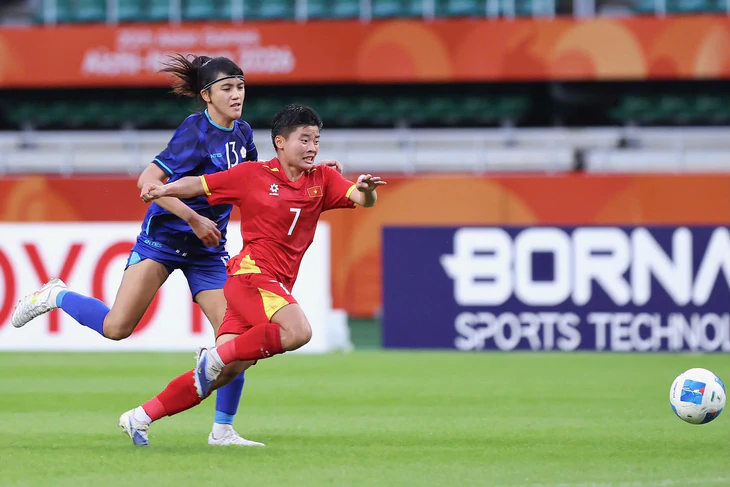
The Vietnamese women’s national football team faces a critical juncture in its continental campaign following a bruising 0-8 defeat against tournament hosts Japan in their second Group E fixture at the 2026 Asian Games (Asiad) in Aichi-Nagoya, Japan. The lopsided result on September 17, 2026, has prompted profound reflections from football experts, most notably former national team coach and Vietnam Football Federation (VFF) executive committee member Pham Hai Anh. Speaking exclusively to domestic media, Anh outlined a harsh reality for the Golden Star Women Warriors, asserting that radical changes in tactical philosophy and personnel selection are mandatory if Vietnam harbors any ambition of overcoming regional rivals Thailand and establishing a competitive footprint on the global stage.
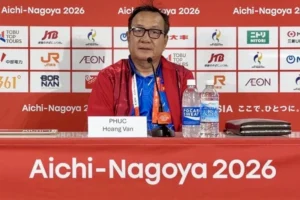
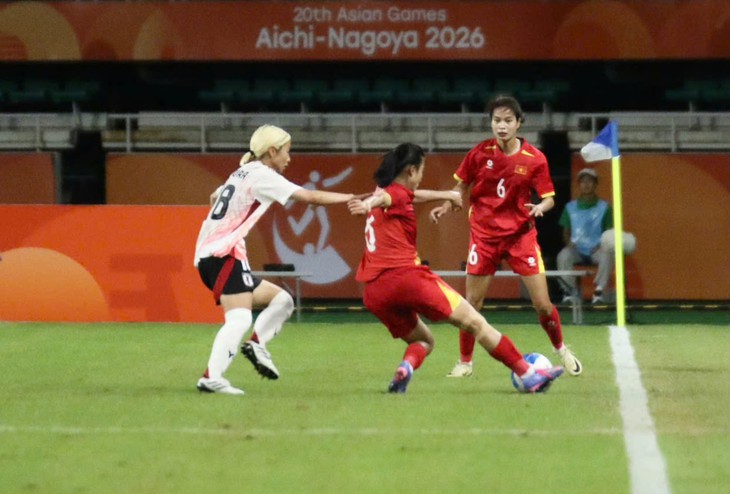
The match at the Asiad 2026 venue unfolded largely as predicted by pundits and analysts. Pitting a transitioning Vietnamese squad against a powerhouse Japanese side boasting superior technical mastery, physical conditioning, and tactical discipline always threatened a difficult evening. Under the guidance of acting head coach Hoang Van Phuc, Vietnam attempted to absorb early pressure by adopting a low defensive block. The tactical blueprint relied heavily on defensive solidity, with defender Tran Thi Thu Xuan dropping deep to form a robust five-player defensive line alongside central anchors Cu Thi Huynh Nhu and Luong Thi Thu Thuong, flanked by full-backs Nguyen Thi Hoa and Hoang Thi Loan.
However, the sheer intensity and relentless waves of the Japanese attack inevitably exposed structural vulnerabilities. Despite flashes of resilience, the defensive wall cracked repeatedly under sustained pressure. By the interval, the match was effectively out of reach. In the second half, a more conservative Japanese side opted to manage their lead, introducing substitutes and lowering their tempo to preserve energy. This lull afforded Vietnam rare moments of possession and sporadic forries into the final third. Yet, a combination of fatigue, rushed decision-making, and defensive recovery by the hosts denied Vietnam even a consolation goal—an outcome that visibly frustrated coaching staff and traveling supporters alike.
A Tactical Post-Mortem and Personnel Critiques
Analyzing the strategic decisions made during the fixture, Pham Hai Anh did not mince words regarding the deployment of resources. A central point of contention for the expert was the timing of substitutions, specifically the introduction of young forward Ngoc Minh Chuyen. Hailed for her exceptional pace, agility, and tenacity despite her diminutive physical stature, Chuyen was injected into the match with a mere 30 seconds remaining on the clock.
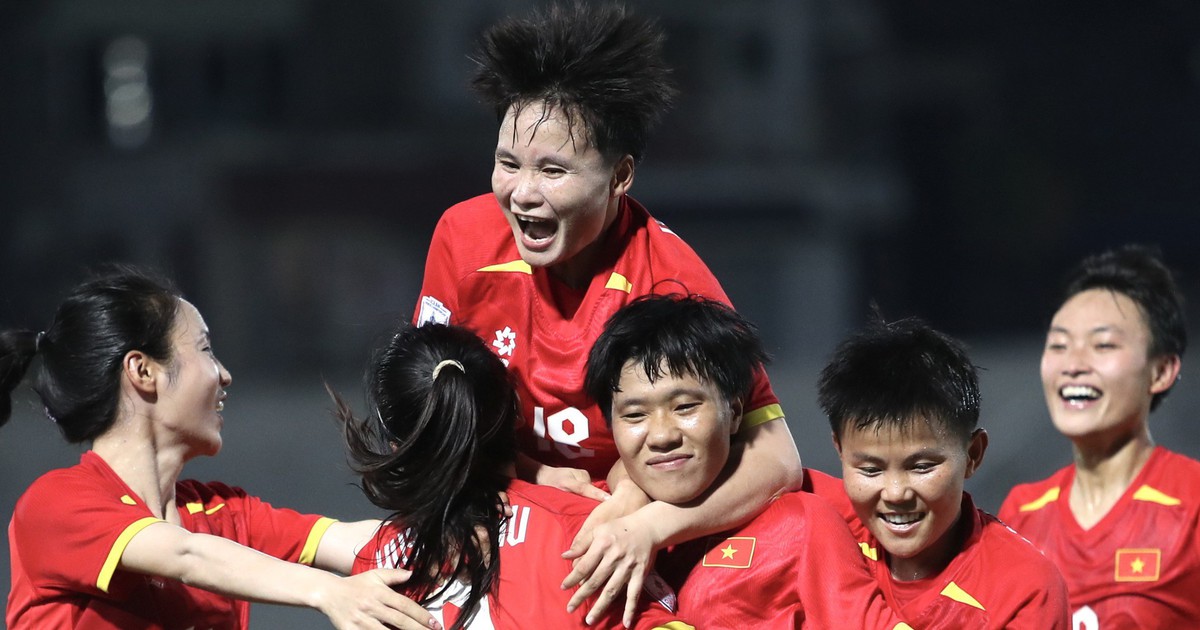
"We are left to wonder what might have been," Anh remarked during his post-match assessment. "A player with Minh Chuyen’s explosive speed and ability to press opposing defenses should have been utilized much earlier. Bringing her on with barely half a minute left makes it virtually impossible for any player to impact the flow of the game. If utilized earlier, her movement could have troubled a tiring Japanese backline and potentially created openings for that elusive goal."
Beyond individual management, Anh directed his critique toward the overarching tactical identity that the team has stubbornly maintained against elite opponents. For years, Vietnamese women’s football has relied on a reactive, counter-attacking framework, often prioritizing damage limitation against continental giants like Japan, North Korea, and Australia. While this pragmatic approach has occasionally yielded respectable scorelines, Anh argues that it has reached a ceiling and now stifles development.
The Crucial Showdown Against Thailand
With two defeats and zero points recorded thus far in Group E, Vietnam’s mathematical path to the knockout stages hangs in the balance. The tournament format features twelve teams divided into three groups, with the top two teams from each group alongside the two best third-placed finishers advancing to the quarterfinals. For Vietnam, the final group-stage encounter against arch-rivals Thailand on September 21, 2026, is no longer just a regional derby; it is a high-stakes, must-win elimination match required to secure progression.
Thailand has historically proven to be a formidable adversary, and recent meetings have revealed a narrowing gap that favors neither side in terms of psychological advantage. Recognizing the familiarity between the two Southeast Asian neighbors, Anh advocates for an aggressive, paradigm-shifting tactical pivot.
"We cannot afford to play passively against Thailand," Anh emphasized. "Both teams know each other inside and out. Their recent performances against common opponents have mirrored our challenges. Therefore, we must completely abandon the reactive counter-attacking style. We need to transition to a proactive, total-attacking mindset. We must be willing to engage in a high-risk, 50-50 battle where we fight fire with fire and let our offensive capabilities outweigh our defensive anxieties."
A Blueprint for Personnel Renewal
In addition to shifting tactical philosophies, Anh proposed sweeping changes to the starting lineup, pointing out specific tactical adjustments needed across all three lines of the pitch. His recommendations reflect a calculated gamble designed to inject fresh energy, creativity, and physical resilience into the squad.
In defense, the expert recommended handing a starting berth to veteran central defender Le Thi Diem My, citing her leadership and aerial prowess. Simultaneously, he noted that Luong Thi Thu Thuong’s performances across the opening two matches have fallen short of expectations, necessitating a tactical reassessment or a spell on the bench.
In the midfield, Anh advocated for a dynamic central pairing of Duong Thi Van and Nguyen Thi Truc Hang. This combination, he argues, offers superior ball retention, intelligent distribution, and creative vision compared to more defensively minded counterparts like Thai Thi Thao and Tran Thi Thu Xuan, whose primary roles have historically leaned toward shielding the backline. On the flanks, the recommendation is to deploy the pace and crossing ability of Nguyen Thi Bich Thuy and Ngan Thi Van Suu from the opening whistle.
Perhaps the most crucial component of Anh’s recommended offensive overhaul centers on the attack. He strongly advises starting Ngoc Minh Chuyen alongside veteran target forward Pham Hai Yen. Pairing Chuyen’s relentless mobility and rotational movement around a traditional, physically imposing target striker like Hai Yen could create unpredictable puzzles for the Thai defensive structure.
Broader Implications for Vietnamese Football
While the immediate focus remains squarely on securing a victory against Thailand to salvage the Asiad campaign, Pham Hai Anh contextualized the tournament within the broader strategic trajectory of Vietnamese women’s football. The ultimate horizon for the sport remains qualification and competitive performance on the global stage, specifically the FIFA Women’s World Cup.
"Asiad is undoubtedly the best possible arena to experiment, test tactical variations, and provide invaluable exposure for younger players to accumulate high-level international experience," Anh noted. "Results matter, especially in derbies against regional rivals, but the ultimate objective must be the construction of a sustainable, modern tactical foundation capable of competing against the world’s elite."
The high-stakes Group E fixture between Vietnam and Thailand is scheduled for 17:30 Vietnam time on September 21, 2026. As the team prepares for this decisive encounter, the footballing community watches closely to see whether the coaching staff will heed the expert advice to shed conservative habits in favor of an assertive, forward-thinking approach. The outcome will not only determine Vietnam’s immediate fate at the Aichi-Nagoya Asian Games but may also signal a watershed moment for the strategic evolution of the national program.