Zhang Yiming becomes the richest person in Asia as ByteDance wealth surges past 105 billion USD

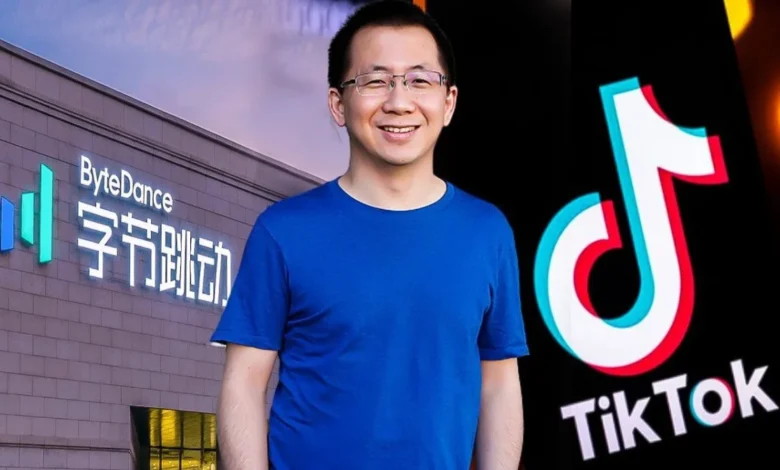
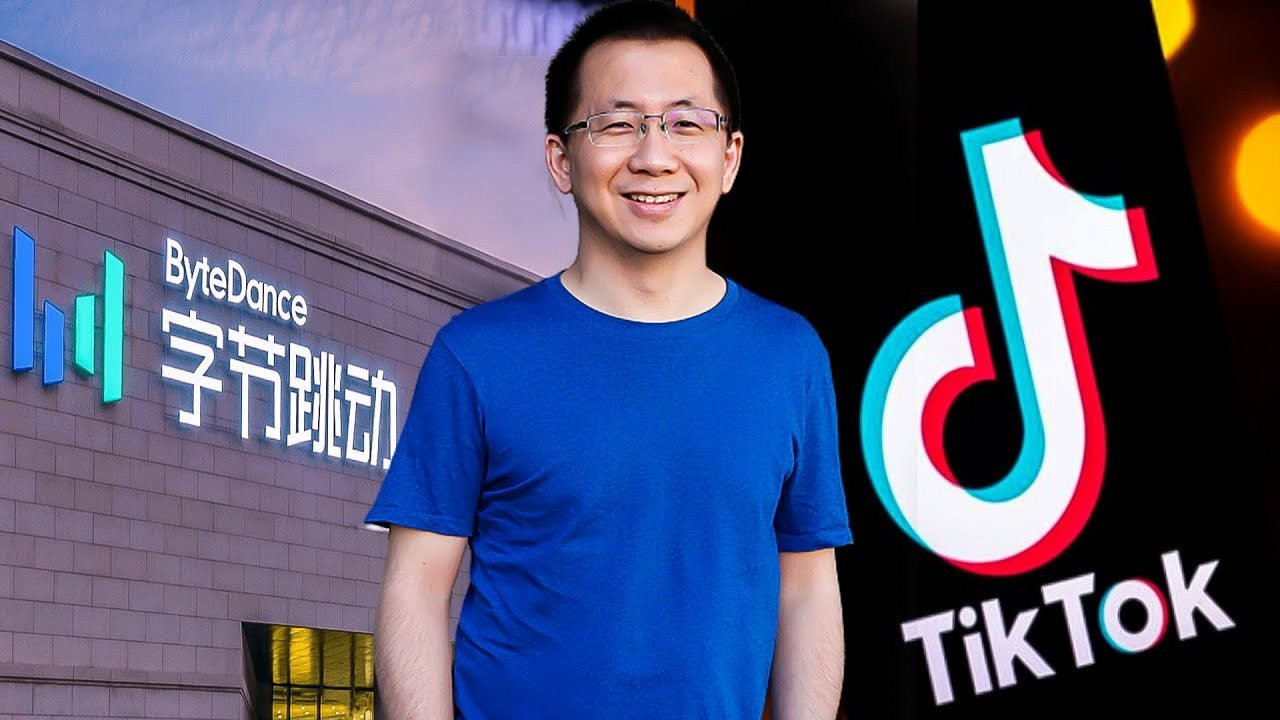
The landscape of Asian wealth has undergone a significant transformation, marking a historic milestone as Zhang Yiming, the visionary founder of the global technology giant ByteDance Ltd., has ascended to the position of the richest individual in Asia. According to the latest data from the Bloomberg Billionaires Index, Zhang, at the age of 43, now commands a personal fortune estimated to exceed 105 billion USD. This shift in the regional hierarchy reflects the seismic impact of artificial intelligence and digital platform dominance, signaling a departure from the traditional wealth accumulation models centered on energy, manufacturing, and physical retail.
For the first time, Zhang has topped the rankings of the region’s wealthiest, displacing Indian tycoon Gautam Adani. The transition is not merely a change in individual ranking but serves as a barometer for the current global economic climate, where algorithmic innovation and user-engagement metrics are generating unprecedented capital valuations that far outstrip traditional industries.
The Meteoric Rise of ByteDance and AI Ambitions
The rise of Zhang Yiming’s wealth is intrinsically linked to the global expansion of ByteDance, the parent company of the ubiquitous short-video platform TikTok. Despite enduring years of intense legal scrutiny, regulatory headwinds, and threats of divestiture in the United States, ByteDance has managed to maintain its trajectory of rapid growth. This resilience is largely attributed to the company’s pivot toward artificial intelligence, a field in which it has invested heavily to sustain its competitive advantage.
ByteDance’s current portfolio is far more than just a social media conglomerate. The company has aggressively expanded into the AI sector, launching sophisticated products such as the chatbot Doubao and the advanced video-generation tool Seedance. By leveraging the massive datasets generated by its social media platforms, ByteDance has been able to train its proprietary large language models (LLMs) with high efficiency, enabling it to compete with global tech giants like OpenAI and Google.
Chronology of Wealth and Corporate Resilience
The trajectory of Zhang’s net worth has been nothing short of extraordinary. When Bloomberg first began tracking his wealth in March 2019, his fortune was estimated at approximately 13 billion USD. In the five years since, his net worth has increased by nearly eightfold. A significant portion of this growth occurred in the most recent month alone, during which his assets appreciated by more than 12 billion USD.
This valuation boost follows updated financial assessments of ByteDance, which were reported by institutional investors including BlackRock, Fidelity Investments, and T. Rowe Price Group. The market confidence in ByteDance remains high despite the geopolitical tensions that have surrounded its operations, particularly in North America. Earlier this year, the partial divestiture or restructuring of TikTok’s U.S. operations helped alleviate some of the political pressure that threatened to alienate the company from its largest Western market.
Comparison with Traditional Wealth Models
The displacement of Gautam Adani at the top of the Asian rich list provides a clear picture of the changing dynamics in global wealth. Adani, whose fortune peaked at approximately 120 billion USD in June of this year, has faced significant challenges. His conglomerate, Adani Group, has been impacted by market volatility, rising global interest rates, and pressure from international financial regulators.
While Adani’s wealth is deeply rooted in infrastructure, energy, and logistics—sectors that are capital-intensive and subject to long-term government cycles—Zhang’s wealth is rooted in intangible digital assets. This distinction highlights the premium the current market places on software, data, and machine learning capabilities. Unlike traditional industrial titans, the value of ByteDance is tethered to its ability to capture user attention and convert that engagement into revenue through AI-driven personalization.
Strategic Analysis: The AI Gambit
Industry analysts suggest that Zhang’s strategy has been a masterclass in risk management and long-term planning. Lian Jye Su, a senior analyst at the research firm Omdia, notes that Zhang’s decision to continue pouring capital into AI development despite the intense pressure on TikTok in the United States was a decisive, high-stakes move that has clearly paid off.
"Zhang has played his hand very cleverly," says Su. "By maintaining an aggressive investment strategy in AI while navigating the regulatory minefield in the West, he has essentially ensured that ByteDance remains indispensable to the global digital economy."
The integration of AI into ByteDance’s core business model is not just a defensive measure; it is an offensive strategy aimed at dominating the next era of technology. ByteDance possesses one of the world’s most extensive and high-quality social media datasets, which provides a distinct advantage in training AI models. This data-driven approach allows for superior content recommendation engines, which in turn drive higher user retention—a cycle that creates exponential value.
Regulatory and Geopolitical Implications
The surge in wealth for Chinese tech entrepreneurs like Zhang comes at a time when the Chinese government is heavily promoting its own advancements in AI to compete with the United States. Beijing has consistently pushed for the development of indigenous AI technologies and has recently criticized some U.S. tech leaders for attempting to slow down the development of AI through export controls and restrictive regulations.
However, the path forward is not without risks. The competition within the domestic Chinese market remains fierce, and the company must still navigate the complex regulatory environment in both Beijing and the global markets. The "risk discount" applied by financial institutions—often around 10% to 20% for private, non-listed companies—continues to be a factor in how ByteDance is valued. Should ByteDance eventually pursue a public listing, the market valuation could potentially reach even higher levels, further cementing Zhang’s position at the top of the global rankings.
Broader Economic Consequences
The emergence of AI as a primary driver of immense wealth is creating a new class of billionaires in Asia. Even as some companies struggle to reach profitability in their AI ventures, the influx of investment into this sector is expanding into manufacturing, logistics, and consumer services. This shift indicates that AI is no longer a peripheral technology but the backbone of modern corporate strategy.
For Zhang Yiming, the challenge ahead will be maintaining this growth momentum while managing the geopolitical friction that inherently accompanies a company of ByteDance’s influence. As nations move toward "technological sovereignty," the ability of a private entity to maintain global reach while satisfying local regulatory demands will be the ultimate test of leadership.
Future Outlook
As of late 2026, the global financial landscape is firmly centered on the competition for AI superiority. Zhang Yiming’s ascent is symbolic of this era. His ability to build a company that thrives on the convergence of social interaction and machine learning has set a new benchmark for wealth creation. While market conditions and regulatory environments will inevitably fluctuate, the precedent has been set: the future of the world’s wealthiest individuals will be dictated by their command over the algorithms that govern our digital lives.
The world will be watching to see how ByteDance continues to pivot. With the company’s vast resources and its commitment to rapid innovation, it is likely that the gap between the technology sector and traditional industry will continue to widen. For now, Zhang Yiming stands at the summit, a reflection of the profound changes currently sweeping through the global economic order.
Related posts: