The M1A1 Abrams main battle tank, once hailed as a game-changer for the Ukrainian Armed Forces, has become a rare sight on the front lines, particularly in the critical Donbas sector. While these heavy armored platforms remain in the inventory of units like the 425th Assault Battalion "Skala," their deployment has shifted from frontline spearheading to a highly restrictive, survival-focused operational doctrine. The decision to pull these 70-ton behemoths from active combat follows a series of brutal engagements near the strategic hub of Pokrovsk, where the intersection of dense drone surveillance and complex maintenance requirements rendered them increasingly vulnerable.
The Evolution of the Battlefield Environment
The battlefield in eastern Ukraine has undergone a radical transformation since the initial arrival of Western-supplied armor. In late 2025 and throughout the early months of 2026, the proliferation of First-Person View (FPV) drones and sophisticated intelligence, surveillance, and reconnaissance (ISR) capabilities has created a "transparency zone" where large, heavy vehicles are detected almost immediately after leaving staging areas.
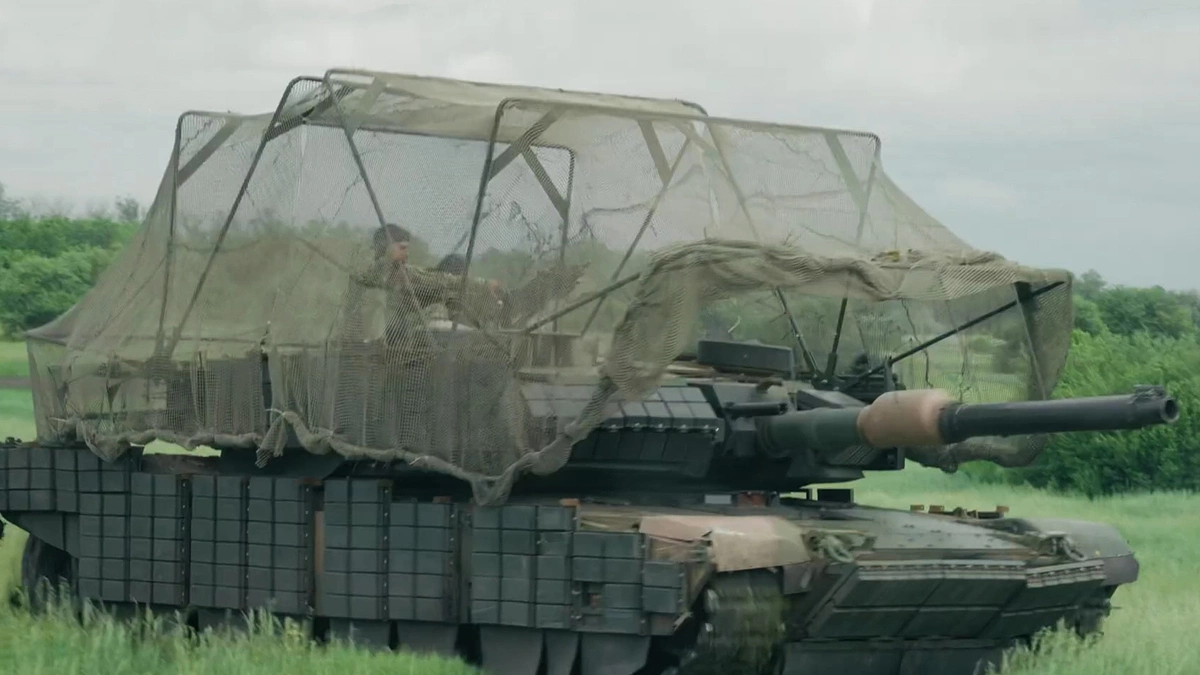
For the 425th Assault Battalion, the transition from offensive maneuver warfare to high-risk, low-frequency usage of the Abrams reflects a broader tactical reality. During the intense fighting around Pokrovsk in December 2025, the unit attempted to utilize the tanks to support infantry advances near the village of Grishino. However, commanders like "Kubik" and veteran crew members like "Kent" have noted that the sheer physical size of the Abrams makes it an impossible target to conceal from persistent aerial observation.
Chronology of Deployment and Withdrawal
The deployment of the M1A1 Abrams to Ukraine began with high expectations following the delivery of 31 units from the United States and subsequent additions from Australian stocks. Throughout the autumn of 2025, the 425th Battalion integrated these tanks into their assault groups, often utilizing them in combined arms maneuvers.
On March 31, 2026, a significant engagement occurred as Ukrainian forces attempted to secure industrial positions near Pokrovsk. Intelligence gathered by drones had spent two weeks mapping the terrain, yet the deployment resulted in the destruction of four out of five tanks involved in that specific operation. The loss was attributed to a rapid, coordinated swarm of Russian FPV drones that materialized the moment the morning fog lifted, signaling a shift in how Russian forces were countering Western armor. Following this loss, the battalion leadership began reevaluating the utility of the tanks, leading to the current policy of keeping the remaining fleet in reserve.
Technical Hurdles and Logistical Burdens
Beyond the threat of drone swarms, the Abrams platform presents significant logistical hurdles for the Ukrainian military. Unlike the Soviet-era T-series tanks, which are more easily integrated into the existing supply chain, the M1A1 requires specialized maintenance protocols. The turbine engine, while powerful, demands a highly refined fuel supply and frequent mechanical inspections.
Field reports indicate that an Abrams typically consumes between 400 and 700 liters of fuel per mission, depending on the terrain and the intensity of the engagement. Furthermore, the "finicky" nature of the transmission and the specialized components required for repair mean that any damage sustained in combat often necessitates a lengthy evacuation process to specialized repair depots, pulling the vehicle out of action for extended periods. While the tanks are capable of running on various fuel types, the use of standard diesel—rather than the intended JP-8 aviation fuel—affects long-term operational efficiency.
Defensive Adaptations and Crew Survivability
Despite the high attrition rate, Ukrainian crews remain staunch defenders of the tank’s core design. A recurring sentiment among the 425th Battalion’s tankers is that the primary value of the Abrams is not just its firepower or its accurate fire-control systems, but its superior crew survivability compared to other platforms.
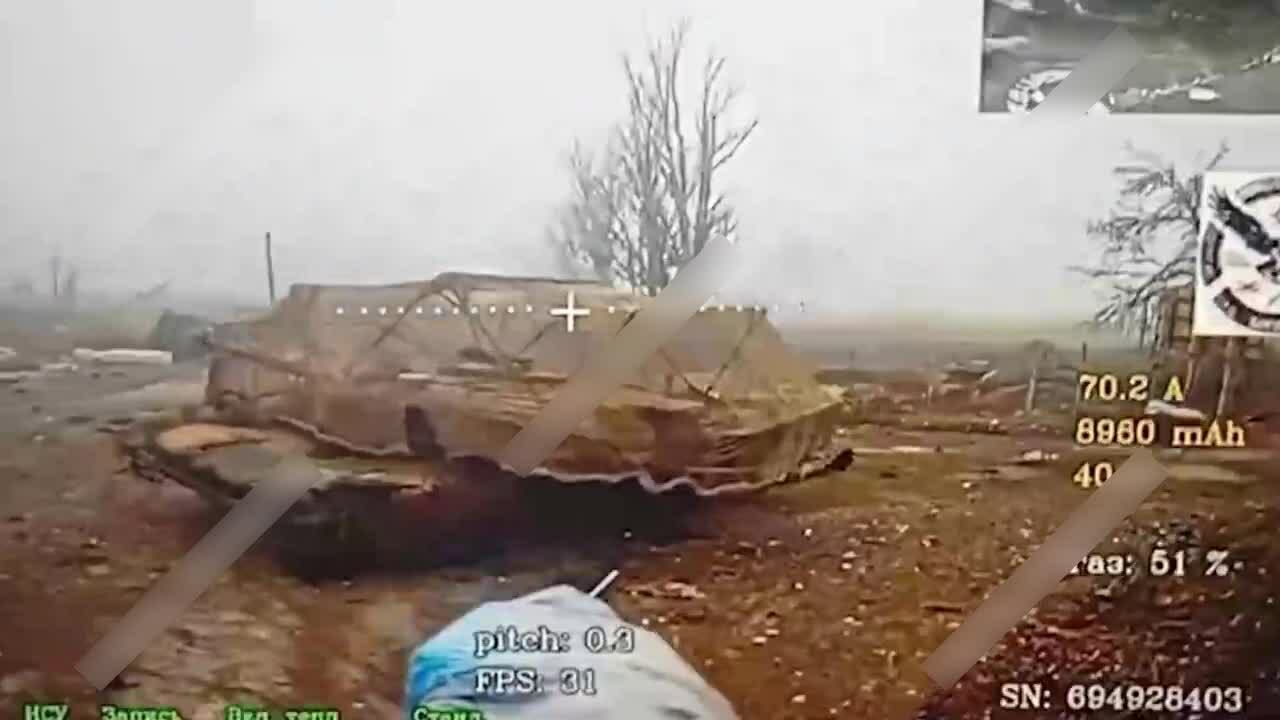
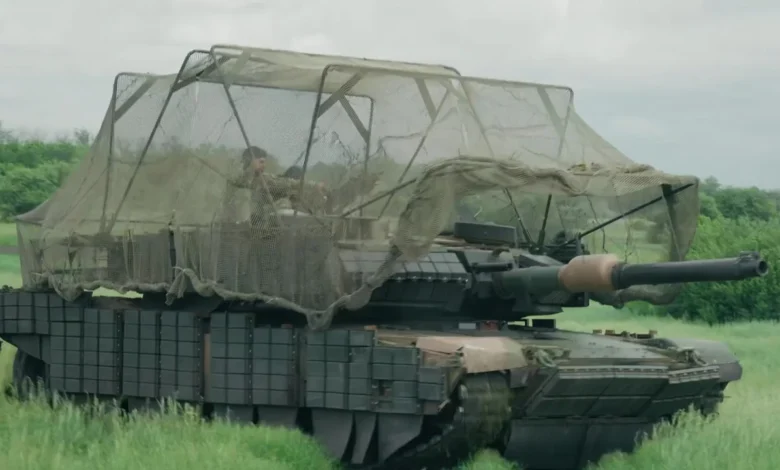
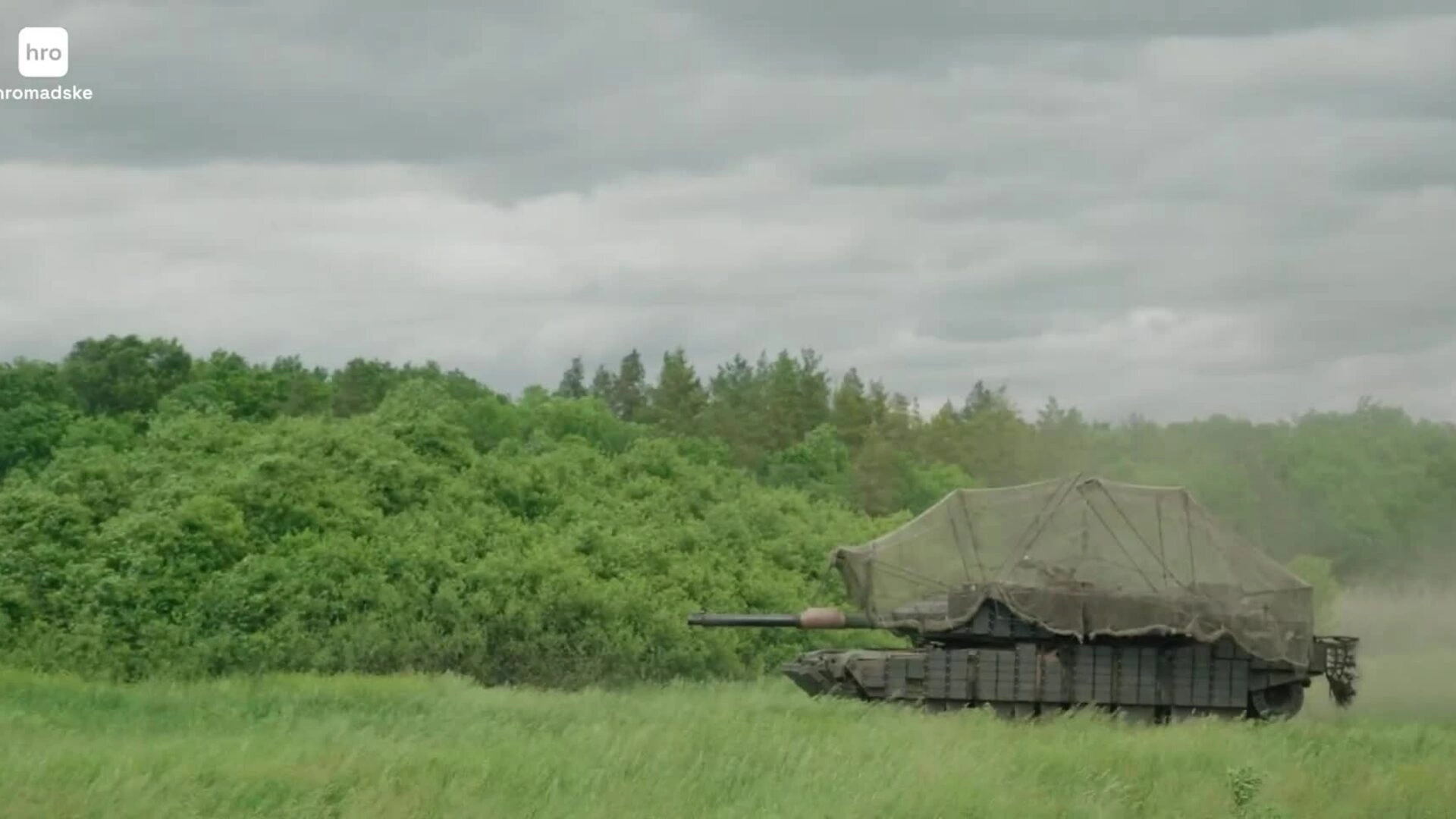
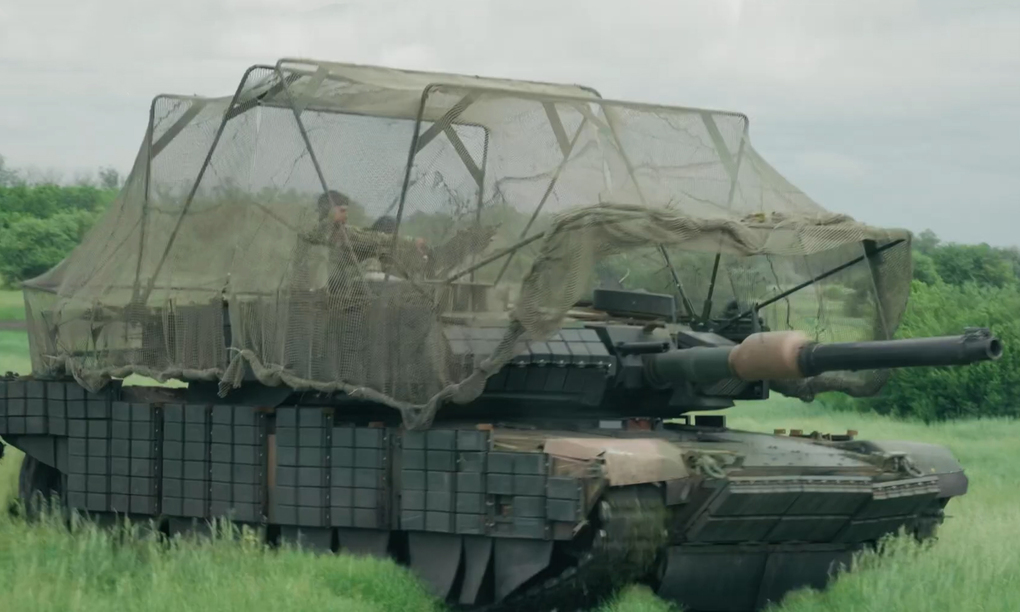
To mitigate the constant threat from loitering munitions, crews have implemented field-expeditionary modifications. These include the installation of rubber slats and steel screens around the turret—often referred to as "cope cages"—designed to trigger the shaped charges of incoming FPV drones before they make direct contact with the main armor. While these makeshift solutions are not as sophisticated as factory-installed reactive armor, they have proven effective in preventing catastrophic hull breaches in several instances where the tanks were targeted by multiple drones.
Broader Implications for Western Armor
The tactical retreat of the Abrams from the front lines highlights a larger, uncomfortable truth about modern land warfare: no single piece of heavy hardware is immune to the "democratization" of precision strikes. Analysts from groups like Oryx, who track verified vehicle losses, estimate that at least 25 of the supplied Abrams have been destroyed, damaged, or abandoned. The actual number is likely higher, as many losses occur in "grey zones" where visual confirmation is impossible.
For military strategists, the situation in Ukraine serves as a case study for the future of heavy armor. The reliance on heavy, expensive platforms in an environment saturated with cheap, ubiquitous aerial surveillance is becoming increasingly untenable without a corresponding leap in electronic warfare (EW) capabilities.
Future Prospects
As of late 2026, the 425th Battalion has suspended the use of Abrams in direct assault roles. Instead, they are exploring alternative methods of support, such as dismounted infantry operations that utilize the tanks only for short, high-intensity fire-support tasks before retreating to safer, concealed positions.
Commanders emphasize that the "Abrams era" has not ended, but rather it has entered a period of forced evolution. "We are waiting," says the commander identified as Kubik. "We are holding them in reserve. We are adapting our tactics, and we are waiting for the technological solutions that will allow us to counter the current drone threat effectively. Writing off these tanks would be a mistake, as they remain the most survivable platform we have, but their deployment must be smarter, faster, and more surgical than before."
The conflict continues to serve as a crucible for armored doctrine, proving that in the age of the drone, the battlefield is no longer a place for the slow or the stationary, regardless of how much armor a vehicle carries. The lesson for Ukraine, and perhaps for Western military planners at large, is that the integration of advanced weaponry must be matched by equally advanced countermeasures if these machines are to survive the realities of modern, high-intensity attrition warfare.
Related posts: