Elevating Vietnamese Culinary Identity to Global Fine Dining Standards with Chef Peter Cuong Franklin and Host Tung Leo

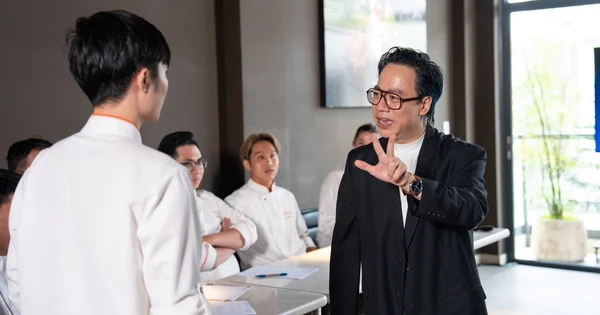
In the fast-evolving landscape of contemporary gastronomy, the eighth episode of Top Chef Vietnam 2026, which aired on VTV3 on September 21, marked a pivotal intersection between traditional culinary heritage and the rigorous demands of global fine dining. The episode featured a masterclass led by Chef Peter Cuong Franklin, the visionary force behind Anan Saigon—the first restaurant in Ho Chi Minh City to be awarded a Michelin star—and communications expert Tung Leo. Their collaborative instruction provided contestants with a dual-pronged approach to success: the technical mastery of flavor profiles and the art of narrative-driven culinary presentation.
The Michelin Philosophy: Precision and Provenance
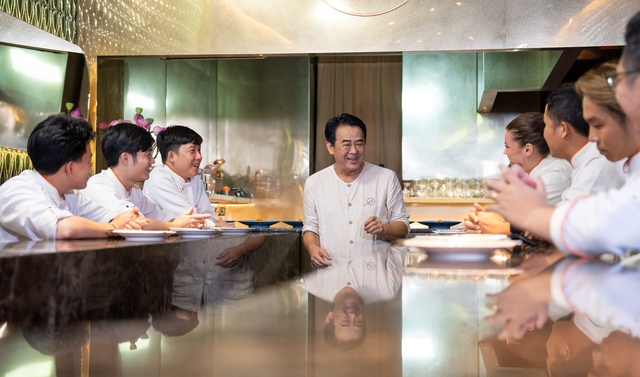
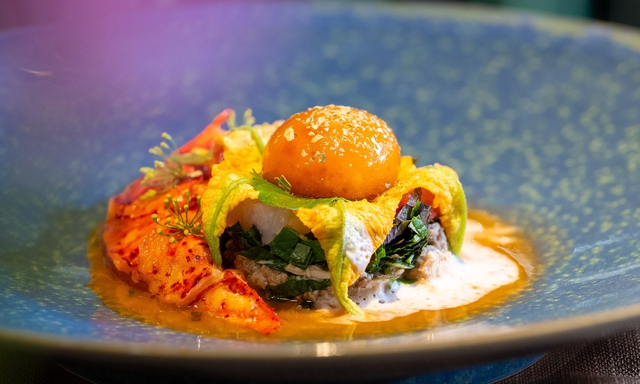
For Chef Peter Cuong Franklin, the journey to a Michelin star is not merely about aesthetic plating; it is rooted in the philosophy of "hero ingredients." Throughout his demonstration, which centered on a reimagined Bun Rieu (crab noodle soup) utilizing Alaska king crab, Franklin emphasized that the quality of a dish begins with the chef’s intimate understanding of the raw material.
Franklin’s methodology challenges the conventional boundaries of Vietnamese street food. By utilizing the entire crustacean—from the succulent meat to the shell—to build complex, layered stocks, he demonstrated how modern culinary techniques can amplify traditional flavors rather than mask them. This approach is consistent with his broader professional career, which has focused on elevating humble, market-fresh Vietnamese ingredients to the standard of global fine dining. His guidance to the Top Chef contestants highlighted that a dish’s excellence is determined long before the final garnish is placed; it is determined by the selection, preservation, and manipulation of components like Da Lat tomatoes, local herbs, and the structural balance of acidity and umami.
Chronology of the Masterclass: From Theory to Application
The episode followed a structured pedagogical progression. Initially, Chef Franklin led a field exercise, taking contestants to a local market. Here, he taught the importance of sensory observation—evaluating the freshness of seafood and the specific properties of local produce. This was a direct attempt to instill a mindset of "ingredient-first" cooking, where the chef acts as an interpreter of the produce rather than just a processor.
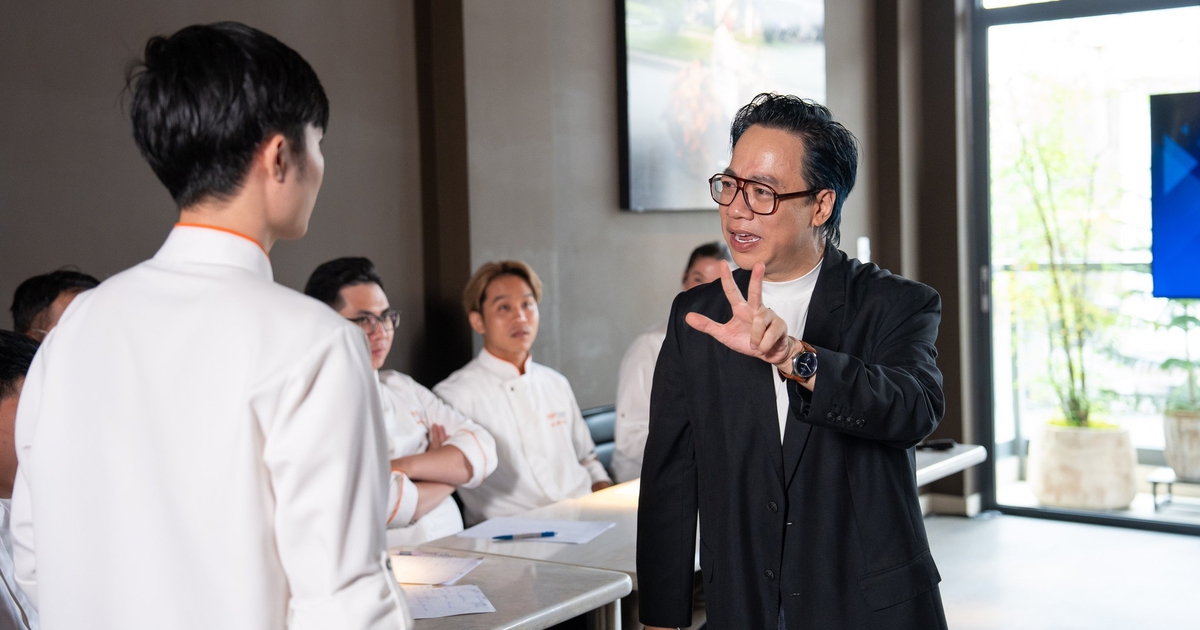
Following the technical session, the focus shifted to the narrative aspect of gastronomy, guided by host Tung Leo. The "Golden Tree" exercise required participants to distill their culinary concepts into three core keywords. This challenge forced the chefs to move beyond technical execution and consider the emotional and historical weight of their creations. When Chef Khac Linh proposed the keywords "Culture – Tradition – Integration," Tung Leo critiqued the lack of differentiation, urging him to seek more evocative and specific terminology. By refining these concepts, the chefs began to understand that a dish is a vessel for storytelling.
Data and Market Context: The Growth of Fine Dining in Vietnam
The inclusion of a Michelin-starred mentor in a prime-time reality series underscores a significant shift in the Vietnamese culinary market. According to recent industry reports, the number of fine-dining establishments in Vietnam has grown by approximately 15% annually since 2022. This surge is not merely a result of increased tourism, but a reflection of a maturing domestic middle class that is increasingly interested in "experiential dining."
The "Michelin effect" has been a significant catalyst for this trend. Since the Michelin Guide officially entered the Vietnamese market, there has been a quantifiable increase in the pressure on local chefs to maintain international standards while preserving the authenticity of local flavors. This tension—between the desire for global recognition and the preservation of national identity—is the central theme of the current season of Top Chef Vietnam.
Strategic Communication: The Chef as an Ambassador
Tung Leo’s contribution to the episode focused on the role of the chef as a brand ambassador. He argued that the highest form of gastronomy is the ability to transport the consumer to the chef’s home region through the plate. His instruction went beyond the culinary to the performative: how to handle critiques from the judges, how to respond to questions under pressure, and how to articulate the "why" behind a menu.
"A chef must be a diplomat of their culture," Tung Leo stated during the session. He encouraged the contestants to adopt a "Listen – Acknowledge – Evaluate – Respond" framework when facing feedback from the judging panel. This strategic composure is a hallmark of top-tier professional kitchens, where the ability to maintain clarity under pressure is as vital as knife skills.
Analysis: Bridging Tradition and Modernity
The broader implication of this episode is the professionalization of the Vietnamese culinary identity. The contestants, including chefs such as Nhat Phong, Thien Thanh, and Khac Linh, are tasked with a difficult "math problem": How does one elevate a dish to fine-dining standards without losing the soul of the original recipe?
Chef Peter Cuong Franklin’s argument is that the boundary between traditional and modern is not a line, but a spectrum. "The essence—the flavor, the ingredient—is the constant," he explained. "Everything else can be adjusted to make the dish more refined, more textured, and more accessible to a global palate."
This perspective is crucial for the evolution of Vietnamese cuisine. As it gains a stronger foothold on the world stage, the challenge lies in avoiding the pitfalls of "fusion" for the sake of novelty. Instead, the focus must remain on the precision of the technique and the clarity of the message. The success of this episode lies in its demonstration that technique is the tool, but the narrative—the story behind the crab, the memory of the herb, the history of the noodle—is what gives the dish its cultural value.
Implications for the Future of the Competition
As the competition approaches its final stages, the lessons imparted by Franklin and Leo serve as a new framework for the remaining chefs. The shift in focus from mere culinary production to a more holistic, intellectual approach to food marks a turning point in the series.
For the contestants, the experience was described as a necessary "reset." Chef Nhat Phong noted that the training session provided the clarity needed to approach the final rounds with a more defined vision. Chef Thien Thanh expressed that the session was a breakthrough moment, offering the confidence to push boundaries in future challenges.
In conclusion, the intersection of Michelin-star technical standards and strategic storytelling represents a maturing of the Vietnamese culinary industry. By emphasizing that a great dish is both a technical masterpiece and a cultural artifact, Top Chef Vietnam is shaping a new generation of chefs who are as comfortable in the laboratory-like precision of a fine-dining kitchen as they are in the vibrant, historical markets that define the nation’s culinary heart. The season’s remaining episodes will likely test whether these contestants can maintain this delicate balance as the pressure of the competition reaches its zenith.