The complex geopolitical triangular relationship binding Washington, Beijing, and Taipei has entered a delicate new phase. According to regional policy specialists, the self-governing island of Taiwan is anticipated to take a back seat in upcoming high-stakes negotiations between United States President Donald Trump and Chinese President Xi Jinping. Instead, the core focus of the renewed superpower engagement is expected to pivot sharply toward bilateral trade mechanics, macroeconomic alignment, and the containment of cross-border economic friction.
This assessment comes at a time of shifting diplomatic currents across the Pacific, where both Washington and Beijing are recalibrating their immediate priorities to favor economic stability over immediate flashpoints in the Taiwan Strait.
Shifting Priorities: Trade Trumps Sovereignty Disputes
In recent years, cross-strait relations have frequently stood at the precipice of military confrontation. During previous high-level exchanges, Chinese leadership explicitly warned that mishandling the Taiwan question could easily spark a direct conflict between the world’s two largest economies. However, academic analysts monitoring the diplomatic landscape suggest that the calculus in both capitals has evolved.
Recent high-level communications, including a strategic phone call between Chinese Foreign Minister Wang Yi and U.S. Secretary of State Marco Rubio, notably bypassed any profound or contentious discourse regarding Taiwan. Observers interpret this omission as a deliberate signal that the urgency of the Taiwan issue has been temporarily de-escalated or compartmentalized to clear the path for broader economic negotiations.
According to Professor Zheng Ruoshi, director of the Center for Cross-Strait Relations Research at Jinan University in Guangzhou, Washington and Beijing are increasingly aware of each other’s foundational red lines. While the United States maintains its deliberate ambiguity regarding the cross-strait status quo, Beijing recognizes the constraints within American political posturing. Consequently, the primary agenda for the Trump-Xi summit is projected to center squarely on commercial deliverables.
The Economic Imperative and Domestic Political Pressures
For President Donald Trump’s administration, the immediate economic priority centers on pressuring Beijing to increase its procurement of key American exports—specifically agricultural commodities, commercial aircraft, and energy products like crude oil and liquefied natural gas. Securing these export commitments carries profound domestic utility for the Republican Party, providing crucial economic momentum ahead of the critical midterm congressional elections.
From Beijing’s perspective, the primary objective is equally pragmatic: ensuring a predictable, constructive, and stable bilateral trajectory over the next three years. Chinese leadership seeks to extend this period of economic diplomacy through the remainder of President Trump’s current term, which concludes in early 2029. By stabilizing external trade dynamics, Beijing aims to secure a strategic window of opportunity to concentrate fully on its domestic political priorities and long-term economic restructuring programs.
This diplomatic engagement also serves a dual purpose for President Xi Jinping on the domestic political front. The high-profile state visit—marking Xi’s first official trip to the United States in over eleven years—bolsters his political standing ahead of the upcoming Fifth Plenary Session of the 20th Central Party Congress. Furthermore, it lays vital groundwork for high-level personnel arrangements and long-term preparations leading up to the 21st National Congress of the Chinese Communist Party in 2027.
Historical Context and Diplomatic Protocol
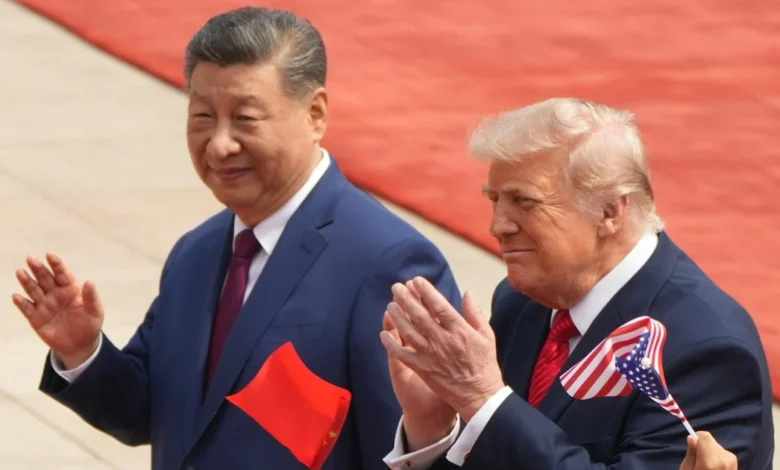
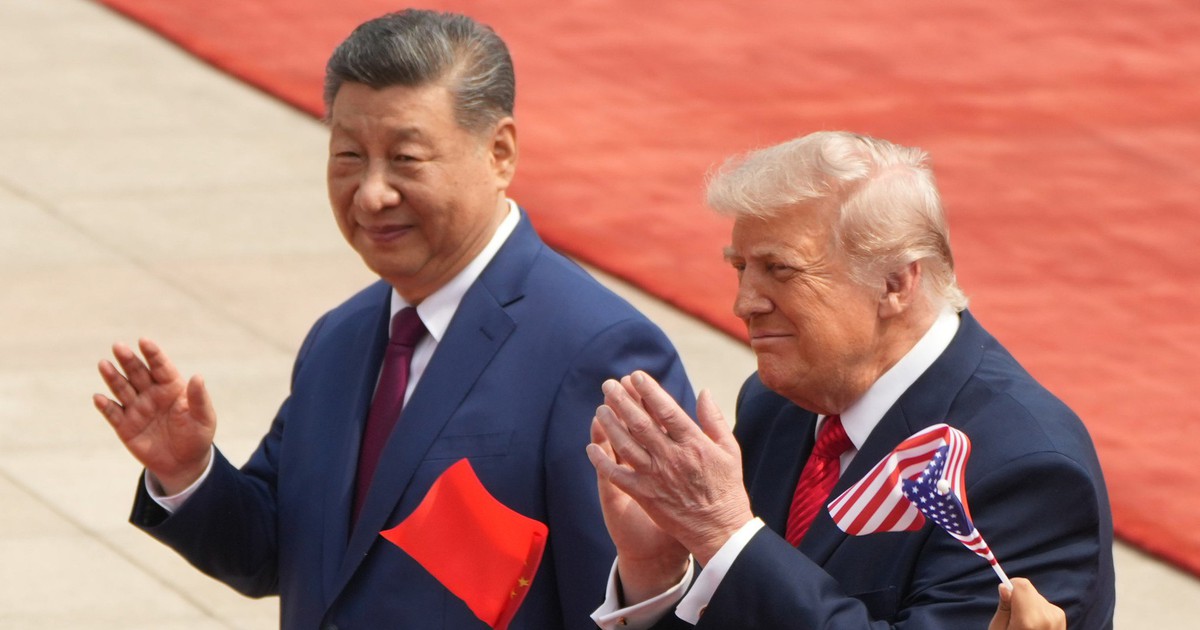
The diplomatic choreography surrounding President Xi’s arrival in the United States underscores a calculated effort by Washington to project a posture of mutual respect. In a rare display of personal diplomatic protocol, President Trump personally greeted his Chinese counterpart upon arrival at Joint Base Andrews in Maryland.
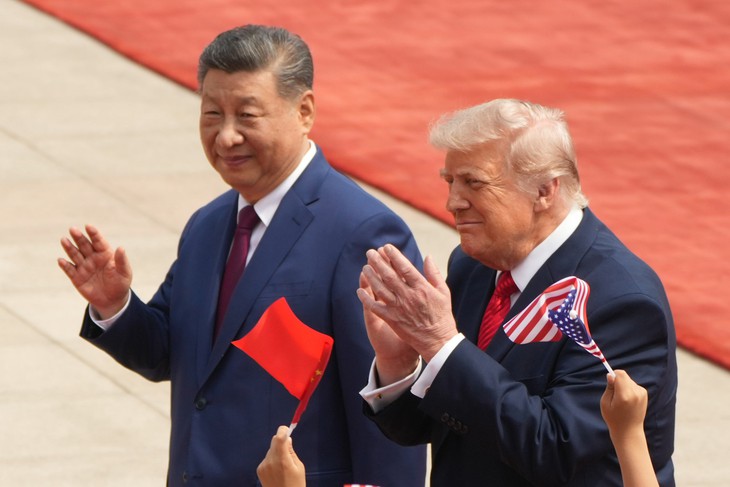
This gesture departed from standard protocol for visiting foreign dignitaries, signaling a distinct diplomatic overture from the White House. Analysts note that such high-level pageantry is designed to facilitate Beijing’s conveyance of a strong message regarding sovereign parity and mutual respect, while simultaneously offering political capital to both leaders on their respective domestic stages.
The state visit acts as a critical stepping stone for a series of multilateral and bilateral engagements scheduled throughout the remainder of 2026. These include the upcoming Asia-Pacific Economic Cooperation (APEC) summit hosted by China in November, followed closely by the G20 leaders’ summit in the United States in December. These successive gatherings will provide continuous institutional frameworks for both administrations to flesh out the preliminary frameworks established during their bilateral summit.
Broader Implications and Regional Reactions
While policymakers in Taipei are closely monitoring the bilateral thaw, regional analysts emphasize that a de-escalation of immediate U.S.-China tensions over trade does not equate to an abandonment of American commitments to Taiwan’s security. The Taiwan Relations Act and ongoing congressional support for defensive capabilities remain firmly embedded in Washington’s strategic posture.
Nevertheless, the conscious decision by both superpowers to sideline the sovereignty dispute in favor of macroeconomic stabilization highlights a pragmatic realization: that uncontrolled escalation serves neither nation’s immediate economic or strategic interests. By prioritizing trade balances and supply chain resilience, Washington and Beijing have carved out a temporary diplomatic buffer zone.
As global markets and regional allies observe the unfolding Trump-Xi dynamic, the central question remains whether this economic-first approach can foster lasting strategic predictability, or if the underlying tensions surrounding sovereignty will resurface once the immediate trade agreements are settled. For now, diplomacy driven by commerce has successfully pushed the Taiwan issue to the periphery of superpower calculus.
Related posts: