Mojtaba Khamenei Reaffirms Iran’s Hardline Stance Amid Regional Conflict and Strait of Hormuz Standoff

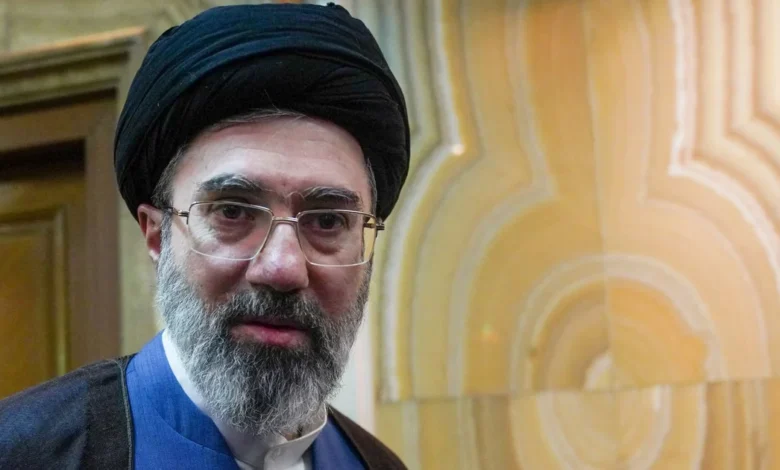
The geopolitical landscape of the Middle East continues to experience severe volatility as high-ranking Iranian official Mojtaba Khamenei delivered a resolute address reaffirming Tehran’s uncompromising position in the ongoing regional conflict. Broadcasted by state-run media outlets on September 28, the written statement struck a defiant tone, asserting that Western adversaries would ultimately find themselves forced to retreat from the Middle East following a series of calculated and painful military escalations.
This development unfolds against the backdrop of an extended military standoff involving Iran, the United States, and Israel. The region has remained in a state of high alert since widespread hostilities erupted earlier in the year, reshaping global supply chains, energy markets, and international diplomacy. As diplomatic channels struggle to find a viable path toward de-escalation, leaders on all sides continue to project strength while navigating unprecedented economic and strategic pressures.
Reassertion of Regional Dominance and Maritime Control
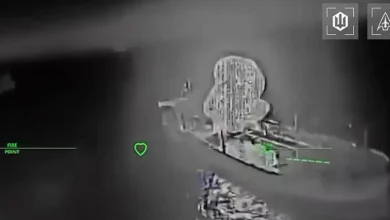
In his televised and published remarks, Mojtaba Khamenei emphasized that recent asymmetric operations conducted by allied resistance forces and maritime security units had effectively curtailed the operational freedom of hostile naval forces. Citing the strategic significance of the waters surrounding the Arabian Peninsula, Khamenei maintained that foreign powers no longer operate with impunity in the region.
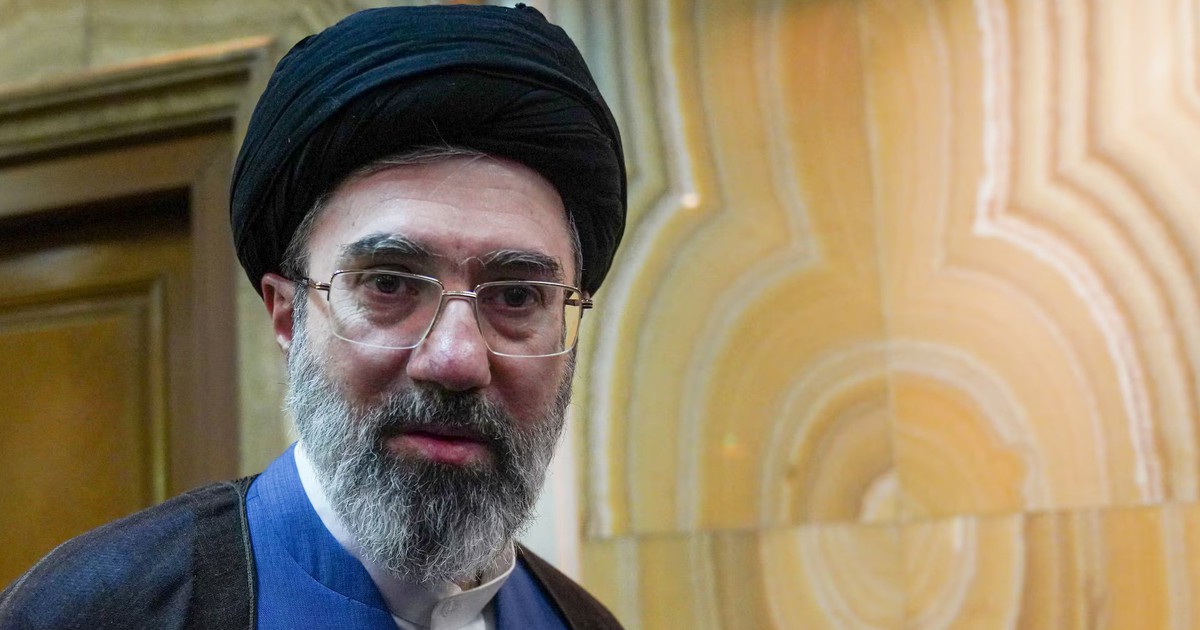
"Today, after bearing painful blows from devoted combatants and the guardians of the Strait of Hormuz, the adversaries no longer dare to advance further into the Arabian Sea," Khamenei declared in the official statement. He added that any attempt to breach these contested maritime zones would result in severe tactical and economic costs, forecasting a future where the broader region is entirely cleared of foreign military presence. While the statement did not explicitly single out the United States by name, the reference to naval dominance in Middle Eastern waters unmistakably addressed Washington and its allied coalition partners.
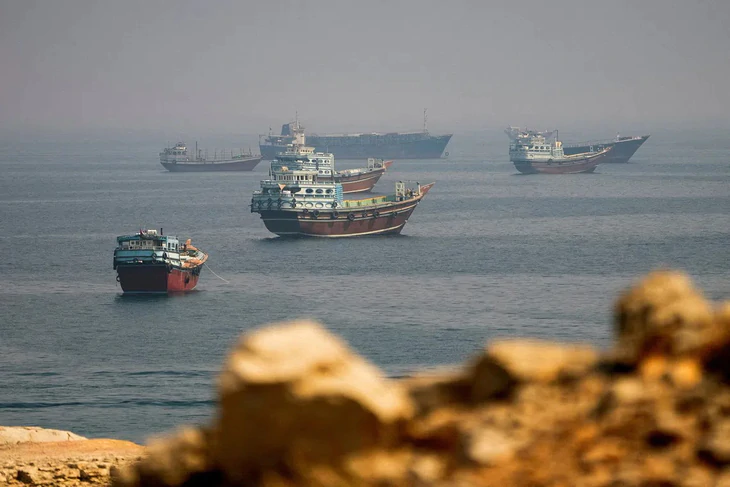
The strategic friction point remains centered on critical maritime chokepoints, particularly the Red Sea and the Strait of Hormuz. The Red Sea, serving as a vital shipping corridor stretching from the Arabian Peninsula southward toward the Indian Ocean, acts as a foundational maritime highway for vessels transiting toward Iranian waters and the Persian Gulf. Meanwhile, the Strait of Hormuz has historically accounted for approximately 20% of global petroleum and liquefied natural gas (LNG) transit, making it one of the most critical geopolitical flashpoints in the world economy.
Background and Context of the Leadership Transition
The emergence of Mojtaba Khamenei as a prominent voice in Iran’s strategic calculus follows a monumental shift in the country’s political and religious hierarchy. He is the son and designated successor of the late Supreme Leader Ali Khamenei, whose death occurred during a joint U.S.-Israeli airstrike on February 28 of this year. The targeted assassination of the long-serving Supreme Leader marked a profound turning point in the conflict, plunging the Iranian leadership into a period of mourning and immediate structural reorganization.
Despite assuming a foundational role in guiding national policy following his father’s passing, Mojtaba Khamenei has largely maintained a low profile, avoiding direct public appearances. His reliance on written declarations and state-broadcasted statements underscores the tight security protocols surrounding the new leadership as security forces contend with ongoing intelligence and military pressure from external adversaries.
The ongoing maritime blockade has intensified the economic strain on both sides of the conflict. In response to Western restrictions and the enforcement of port blockades targeting Iranian shipping hubs, Tehran moved to restrict transit through the Strait of Hormuz. Conversely, the United States and its regional allies have maintained strict naval patrols to safeguard commercial shipping lanes, creating a dangerous dual-containment dynamic where both Washington and Tehran claim operational control over the vital waterway.
Diplomatic Maneuvers and the United Nations General Assembly
While hardline rhetoric continues to dominate public messaging, concurrent diplomatic initiatives are being actively pursued behind closed doors. The recent high-level meetings surrounding the United Nations General Assembly in New York have served as a critical nexus for indirect negotiations between Iran and the United States.
According to diplomatic sources, Iran—operating through regional intermediaries—recently transmitted a proposal outlining potential terms for a ceasefire. The framework reportedly suggested a cessation of hostilities within a seven-day window, coupled with the reopening of the Strait of Hormuz to international commercial traffic.
Reports from international news agencies indicate that Qatari mediators have spearheaded separate, shuttle-diplomacy efforts, engaging directly with Iranian Foreign Minister Abbas Araqchi in New York, alongside parallel discussions with American counterparts. The primary focus of these back-channel discussions revolves around possible modifications to Tehran’s initial proposals, as international mediators attempt to bridge the vast chasm between the warring parties.
State-affiliated media in Iran, including the Iranian Students News Agency (ISNA), confirmed that Foreign Minister Araqchi held extensive consultations with mediators upon his arrival in the United States. However, the exact composition and direct representation of the U.S. negotiating team in these indirect tracks remain fluid.
International and Domestic Reactions to Ceasefire Proposals
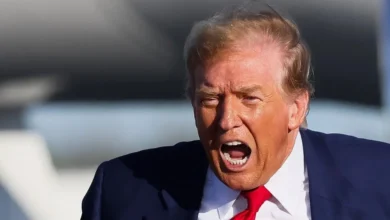
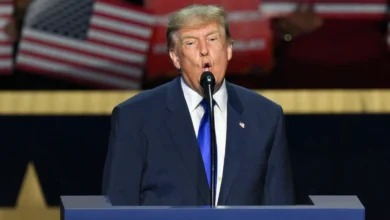
The diplomatic overtures faced immediate skepticism from Washington. U.S. President Donald Trump publicly dismissed Iran’s initial ceasefire proposal, asserting that Tehran’s willingness to negotiate stems primarily from mounting domestic and international economic pressures rather than a genuine shift in strategic objectives. In statements highlighting the crippling impact of ongoing economic sanctions and secondary trade restrictions, the U.S. administration signaled that any acceptable settlement must address broader security concerns beyond an immediate cessation of fire.
Despite the public rejection of the initial terms, reports indicate that American negotiating teams remain engaged in ongoing discussions with regional partners to evaluate whether a workable compromise can be achieved. U.S. officials have emphasized that Washington will continue to monitor developments closely while maintaining its defensive posture in the Persian Gulf.
Meanwhile, Iranian officials have expressed a degree of cautious anticipation regarding the final stance of the United States. Foreign Minister Araqchi noted that while various diplomatic channels have floated potential adjustments, Tehran has yet to receive formal, definitive communication regarding the total dismissal of its proposals. Iranian leadership has indicated that domestic deliberations regarding the nation’s ultimate strategic posture will conclude once a definitive assessment of Washington’s position is established.
Economic Implications and Global Outlook
The protracted nature of the crisis continues to reverberate across global financial and energy markets. International organizations have repeatedly warned that prolonged disruptions to maritime commerce in the Middle East risk precipitating severe humanitarian and economic consequences. A sustained closure of the Strait of Hormuz, analysts note, could threaten global energy security, inflate inflation rates across industrialized economies, and exacerbate food security challenges in import-dependent nations.
As the international community watches closely, the duality of hardline military rhetoric and frantic back-channel diplomacy highlights the precarious balance currently defining the Middle Eastern crisis. Whether the diplomatic framework discussed in New York can successfully translate into a lasting cessation of hostilities remains uncertain, as leaders in both Tehran and Washington weigh the domestic and geopolitical costs of continued confrontation against the elusive prospects of a negotiated peace.