American International Hospital Deploys 115 Satellite Emergency Station to Expand Ho Chi Minh City Pre-Hospital Care Network

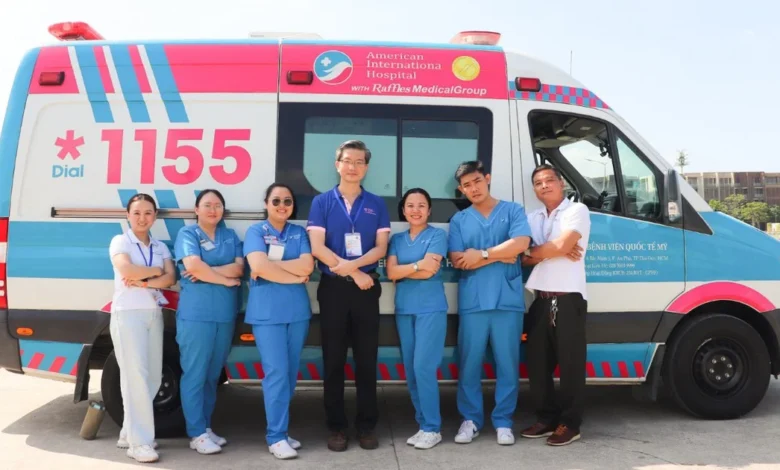
In the critical landscape of pre-hospital emergency medicine, the speed of access and initial medical intervention remain defining factors for patient survival and long-term recovery. Recognizing this imperative, healthcare systems worldwide continuously refine their dispatch mechanisms and geographical placement of medical units. Following this strategic imperative, the American International Hospital (AIH) has officially deployed a new 115 Satellite Emergency Station in Ho Chi Minh City, marking a significant advancement in the municipality’s emergency medical services infrastructure.
Situated in the bustling Binh Trung ward within the former District 2 area, the newly established station is engineered to strengthen the operational coverage of the 115 emergency network across the eastern sector of Ho Chi Minh City. This strategic location serves as a vital bridge connecting several densely populated and rapidly developing neighborhoods, including An Phu, Binh An, Binh Khanh, Thanh My Loi, Cat Lai, and Thu Thiem, alongside adjacent commercial and residential zones. By positioning advanced medical resources closer to these communities, the initiative directly addresses the logistical challenges posed by urban congestion and response time latency during life-threatening medical emergencies.
Strategic Placement and Enhanced Urban Coverage
The inauguration of the AIH 115 Satellite Emergency Station represents a calculated response to the growing healthcare demands of eastern Ho Chi Minh City. Historically, pre-hospital emergency care relied heavily on centralized dispatch centers, which often faced delays when navigating heavy traffic to reach outlying districts. The decentralization of emergency services through satellite stations allows for a more agile response model, ensuring that rapid-response vehicles can reach accident scenes, acute trauma cases, and sudden medical crises with unprecedented efficiency.
This geographic expansion is particularly crucial for a sector characterized by major transportation arteries, residential high-rises, and industrial hubs. In scenarios involving acute cardiovascular events, severe cerebrovascular accidents, major trauma, or pediatric emergencies, every minute saved translates directly to reduced morbidity and mortality rates. The integration of AIH into the municipal 115 network ensures that residents in the eastern districts benefit from a seamless continuum of care from the moment an emergency call is placed to definitive hospital treatment.
Comprehensive Fleet and Advanced Equipment
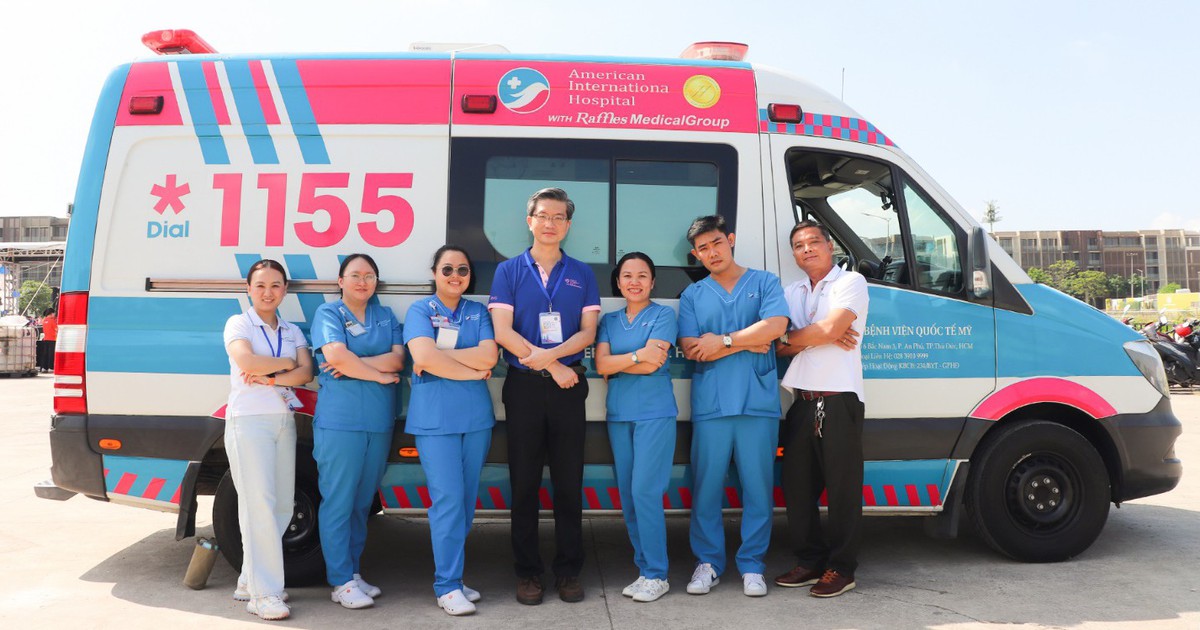
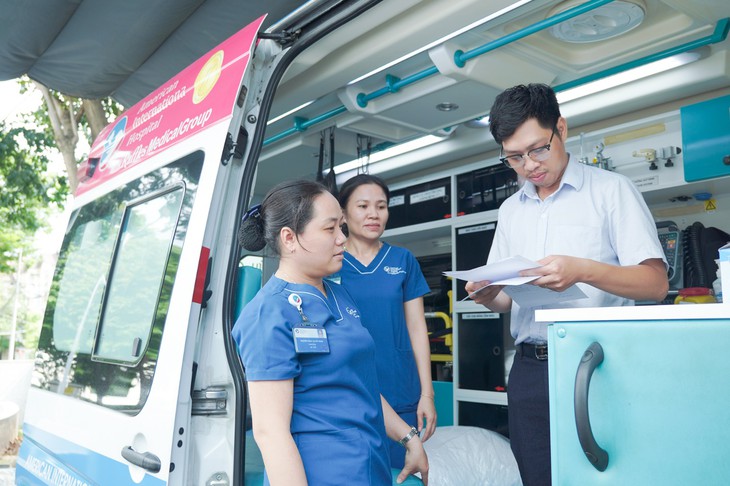
To fulfill the rigorous operational standards required of a 115 satellite unit, the station has been equipped with specialized emergency vehicles and a comprehensive array of advanced medical technology. The deployment features fully outfitted ambulances carrying specialized resuscitation kits tailored to diverse clinical scenarios.
Among the critical inventory onboard are advanced life support (ALS) resuscitation cases, specialized pediatric emergency packs designed for neonatal and child patients, advanced trauma management modules, and comprehensive intravenous fluid therapy kits. These mobile units function as rolling intensive care units, capable of delivering life-saving interventions en route to definitive care facilities.
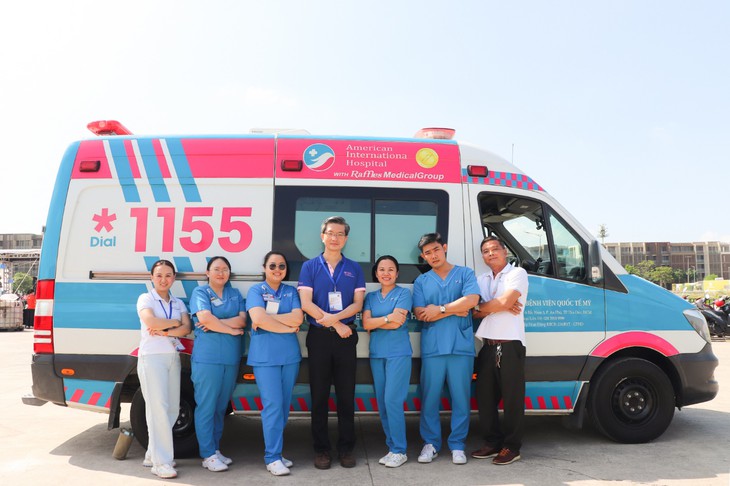
The human element supporting this infrastructure is equally rigorous. The emergency response team comprises highly trained physicians, critical care nurses, and paramedics specializing in emergency medicine. Operating on a 24/7 rotational schedule, these medical professionals are bound by standardized clinical protocols and emergency care pathways. This rigorous standardization ensures that every intervention—whether managing airway obstructions, stabilizing traumatic fractures, or administering cardiac resuscitation—adheres to international best practices in pre-hospital care.
Institutional Leadership and Stakeholder Perspectives
The integration of the American International Hospital into the public-private health infrastructure of Ho Chi Minh City reflects a broader trend of collaboration between municipal health authorities and private healthcare providers. The formal evaluation and approval process involved extensive coordination with the Ho Chi Minh City Department of Health and the 115 Emergency Center, culminating in rigorous on-site inspections and operational clearances.
Master of Science and Doctor of Medicine Nguyen Hong Trung, Medical Director of the American International Hospital, emphasized the strategic significance of this milestone during the deployment phase. "Participation in the 115 emergency network represents a crucial advancement in our hospital’s mission to expand emergency care operations and stand alongside the municipal health system," Dr. Trung stated. "With our foundation in advanced critical care, sophisticated equipment systems, and standardized protocols such as Code Red and Code Blue—which are continuously trained and implemented routinely—we are fully prepared to respond to emergency scenarios for both adult and pediatric patients."
Health sector analysts view this partnership as a model for urban emergency management. By leveraging the infrastructure and expertise of a Joint Commission International (JCI)-accredited facility, the municipal emergency network enhances its overall capacity without placing an undue burden on public resources. This synergy ensures that high-quality pre-hospital care is accessible to a broader demographic, encompassing both local citizens and the large expatriate community residing and working in Ho Chi Minh City.
Seamless Transition from Pre-Hospital to In-Hospital Care
One of the distinct advantages of the AIH 115 Satellite Emergency Station lies in its capacity for comprehensive post-emergency management. While pre-hospital stabilization is vital, the ability to seamlessly transition a critically ill patient into a fully equipped, multidisciplinary hospital environment is equally critical.
As a multi-specialty international hospital operating under stringent global healthcare standards, AIH offers a continuum of care that extends far beyond initial resuscitation. Once a patient is transported to the facility, an integrated team of specialists—including emergency physicians, cardiologists, neurologists, and surgeons—is immediately mobilized. This multidisciplinary approach is supported by advanced diagnostic imaging modalities, on-site pathology laboratories, and state-of-the-art intensive care units (ICUs).
By continuing treatment at the same facility where the emergency response was initiated, patients are spared the risks associated with secondary inter-facility transfers. This continuity of care is particularly beneficial for complex cases requiring continuous hemodynamic monitoring, immediate surgical intervention, or specialized neurosurgical care. The elimination of transfer delays significantly improves clinical outcomes and reduces the cumulative stress on both patients and their families.
Broader Socioeconomic and Public Health Implications
The establishment of the 115 satellite station at AIH carries significant implications for the socioeconomic fabric of Ho Chi Minh City. As a major economic engine attracting foreign investment, international corporations, and global expatriates, the city requires a healthcare infrastructure that meets international expectations for emergency responsiveness.
The presence of a JCI-accredited emergency node in the eastern sector reassures both local residents and international visitors that world-class medical assistance is readily available. This robust emergency safety net contributes to the overall livability and attractiveness of the metropolitan area, reinforcing investor confidence and supporting sustainable urban development.
Furthermore, the initiative aligns with the strategic goals of the Ho Chi Minh City Department of Health to decentralize specialized medical services and reduce congestion at central public hospitals. By distributing emergency response capabilities across strategic nodes, the city creates a resilient, multi-layered healthcare grid capable of absorbing sudden surges in demand, whether from mass casualty incidents, natural disasters, or public health emergencies.
Operational Protocols and Accessibility for the Public
To ensure maximum efficiency and rapid response times, the communication infrastructure linking the community to the emergency station has been streamlined. Residents and businesses located in the Binh Trung ward and surrounding eastern districts of Ho Chi Minh City can access emergency services through established channels.
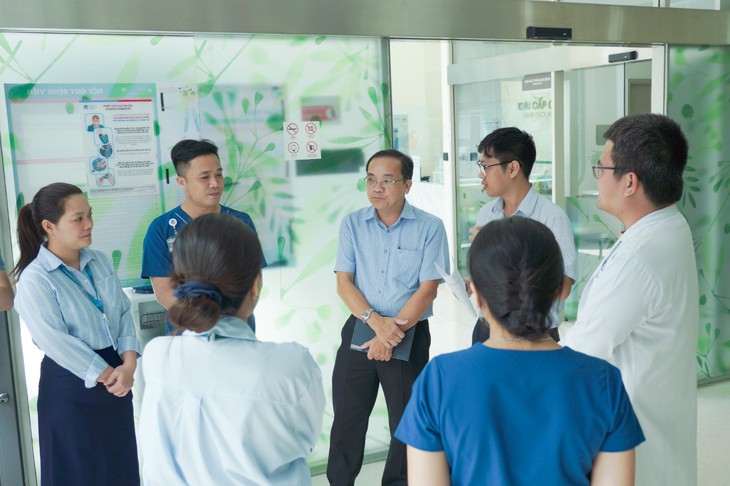
In the event of an urgent medical situation, individuals can dial the traditional 115 Emergency Dispatch Center or utilize the dedicated AIH emergency hotline at *1155. Upon receiving a distress call, dispatchers immediately coordinate with the on-duty team at the AIH satellite station, mobilizing the nearest available ambulance and dispatching medical personnel tailored to the specific nature of the reported emergency.
As Ho Chi Minh City continues its rapid trajectory toward becoming a prominent regional medical hub, initiatives such as the AIH 115 Satellite Emergency Station exemplify the critical evolution of urban healthcare delivery. By combining advanced pre-hospital mobility with comprehensive in-hospital multidisciplinary treatment, the healthcare sector is better positioned to meet the complex challenges of a modern metropolis, ultimately safeguarding the health and well-being of millions of residents.
Related posts: